


Ensuring the safety and hygiene of your baby’s feeding equipment is a top priority for new parents. Proper sterilization of baby bottles and pacifiers is crucial to protect your little one from harmful germs and bacteria that can cause infections. While the task might seem daunting, there are simple and effective methods to keep these items clean and safe. In this blog, we’ll explore easy methods for sterilizing baby bottles and pacifiers, and how Moogco silver nursing cups can provide additional protection and peace of mind for breastfeeding mothers.
Why Sterilization is Important
Babies have developing immune systems, making them more susceptible to infections caused by bacteria, viruses, and fungi. Milk residue, saliva, and the constant exposure of bottles and pacifiers to the environment can quickly lead to the growth of harmful microorganisms. Sterilizing these items ensures that they are free from pathogens, providing a safer feeding experience for your baby.
Easy Sterilization Methods
Boiling Water Method:
One of the simplest and most effective ways to sterilize baby bottles and pacifiers is by using boiling water. Here’s how:
- Disassemble: Take apart all parts of the bottle, including nipples, caps, and rings.
- Clean: Wash each part thoroughly with soap and water to remove any milk residue or dirt.
- Boil: Fill a large pot with water and bring it to a rolling boil. Submerge all parts of the bottle and pacifiers in the boiling water.
- Boil for 5-10 Minutes: Let the items boil for at least 5 minutes to ensure all germs are killed.
- Dry: Use tongs to remove the items from the water and place them on a clean, dry towel to air dry.
Steam Sterilization:
Steam sterilizers are a convenient and effective option, especially for busy parents. These devices use steam to kill bacteria and are designed to hold multiple bottles and accessories at once.
- Disassemble and Clean: As with the boiling method, disassemble and wash all parts thoroughly.
- Load the Sterilizer: Place the items in the sterilizer, ensuring they are properly spaced to allow steam to circulate.
- Add Water: Follow the manufacturer’s instructions for the correct amount of water.
- Run the Cycle: Turn on the sterilizer and let it run a full cycle, which usually takes about 10-15 minutes.
- Dry: Allow the items to cool and dry inside the sterilizer or on a clean, dry towel.
Microwave Sterilization:
Microwave sterilizers are another quick and easy option, using the microwave’s heat to create steam.
- Disassemble and Clean: Disassemble and wash all parts thoroughly.
- Load the Sterilizer: Place the items in the microwave sterilizer.
- Add Water: Follow the manufacturer’s instructions for the correct amount of water.
- Microwave: Place the sterilizer in the microwave and heat for the recommended time, usually around 2-8 minutes.
- Dry: Let the items cool before removing them from the sterilizer and placing them on a clean, dry towel to dry.
Cold Water Sterilization:
This method involves using a sterilizing solution or tablets dissolved in cold water, making it a good option for travel or situations where boiling or steaming is not practical.
- Disassemble and Clean: Disassemble and wash all parts thoroughly.
- Prepare the Solution: Follow the instructions on the sterilizing solution or tablet package to prepare the solution in a clean container.
- Submerge the Items: Ensure all parts are fully submerged in the solution.
- Soak: Let the items soak for the recommended time, usually around 30 minutes.
- Rinse and Dry: Rinse the items with cooled, boiled water and place them on a clean, dry towel to dry.
The Role of Moogco Silver Nursing Cups
While sterilizing baby bottles and pacifiers is crucial, maintaining nipple health for breastfeeding mothers is equally important. Moogco silver nursing cups can be a valuable addition to your breastfeeding routine, offering natural antibacterial protection to keep your nipples healthy and free from infections. These cups provide comfort and healing, especially for sore or cracked nipples, ensuring a more pleasant breastfeeding experience.
Conclusion
Sterilizing baby bottles and pacifiers is an essential practice for protecting your baby from harmful germs. Whether you choose boiling, steam, microwave, or cold water sterilization, these methods are simple and effective for ensuring the hygiene and safety of your baby’s feeding equipment. Additionally, using Moogco silver nursing cups can enhance your breastfeeding experience by providing natural protection and comfort. Embrace these practices to create a safe and nurturing environment for your baby, giving you peace of mind and ensuring their well-being.
Pediatric-dentist approved styles
Soothing picks for fussy moments
Take $15 off at checkout, applied automatically when you shop through this link.
Shop with MAMA15 →Free US shipping over $100. Code applies automatically at checkout.
Bring this guide home with $15 off.
Use code MAMA15 for $15 off →

Frequently Asked Questions
How often should I sterilize baby bottles and pacifiers in 2026?
For newborns and babies under three months, sterilize bottles and pacifiers daily, especially before first use. After three months, once your baby's immune system is stronger, you can sterilize less frequently, usually once a week or after illness. Between sterilizations, thorough washing with hot, soapy water after each use is sufficient for most babies.
Picks From This Story
Picks related to this guide, ready to ship from Moogco.
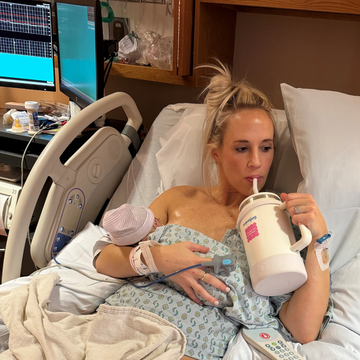
momjug breastfeeding water bottle 50oz double-wall s...
$49.99
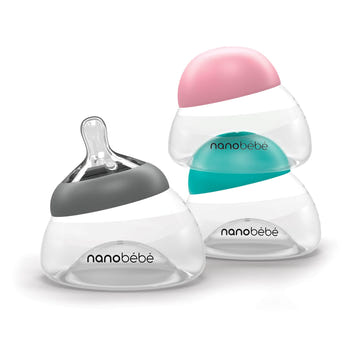
Nanobébé Breastmilk Baby Bottle 5 oz Pack Options Pi...
$16.99
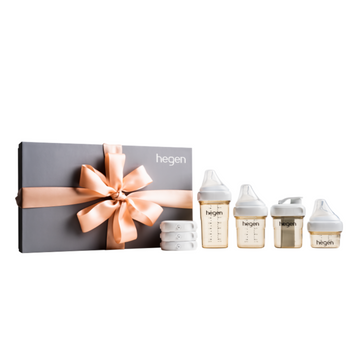
hegen PPSU Essentials Kit 60ml 150ml 240ml baby bottles
$99.99
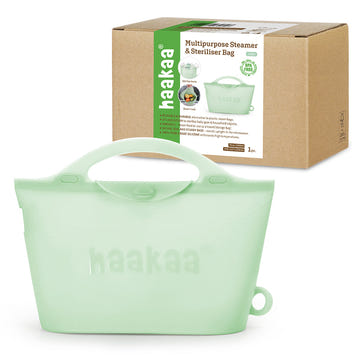
Haakaa Multipurpose Steamer & Sterilizer Bag 3 sizes...
$14.99
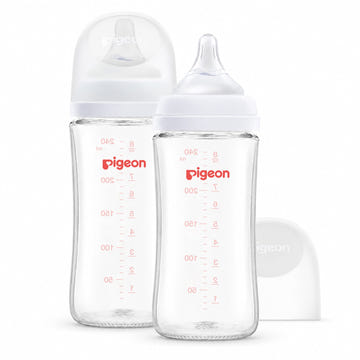
Pigeon Glass Wide Neck Baby Bottle 2-Pack 8.1 oz 3+ ...
$35.99
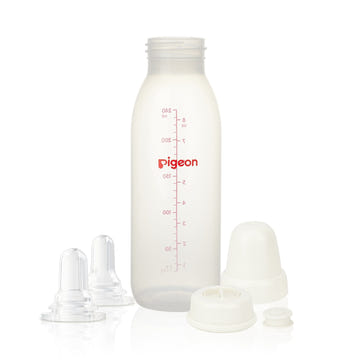
Pigeon Baby Cleft Lip/Palate Bottle 8.11 Oz 2 Nipples
$19.90
Can I sterilize baby bottles with metal parts using any method?
Most metal parts can be boiled or steam sterilized safely. However, avoid using the microwave method for bottles with any metal components, as metal can cause sparking and damage. Cold water sterilization is also safe for metal parts, making it a good alternative when boiling or steaming is not convenient.
Is tap water safe for the final rinse after sterilizing baby bottles?
For babies under three months, premature babies, or those with compromised immune systems, use cooled, previously boiled water for the final rinse. For older, healthy babies, tap water is generally safe in areas with treated municipal water. Always check your local water quality reports if you have concerns about your tap water.
Do I need to sterilize new baby bottles before the first use?
Yes, always sterilize new bottles, nipples, and pacifiers before first use, even if they come in sealed packaging. Manufacturing and packaging processes can leave residues or contaminants. A thorough initial sterilization ensures your baby's feeding equipment is completely clean and safe from the very start.
What is the best sterilization method for travel with my baby?
Cold water sterilization using tablets or solution is ideal for travel since it does not require heat or electricity. Alternatively, microwave steam bags are compact and work in most hotel microwaves. Keep a small bottle of dish soap and a dedicated brush for cleaning before sterilization, and always bring a clean container for the process.
More Related Picks
A few more favorites from the same collection.
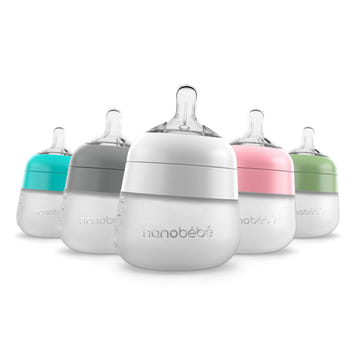
Nanobébé Flexy Silicone Baby Bottle 5oz
$16.99
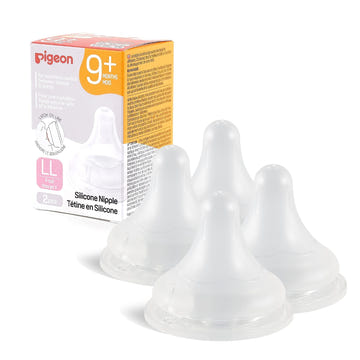
Silicone Nipple (LL), 9+ Months
$21.99

Nanobébé Silicone Anti-Colic Baby Bottle Nipples Gen...
$5.99
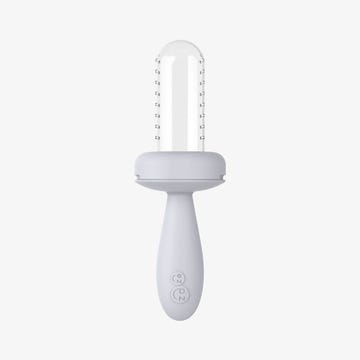
ezpz Baby-Led Gumline Feeder silicone pouch for baby...
$13.99
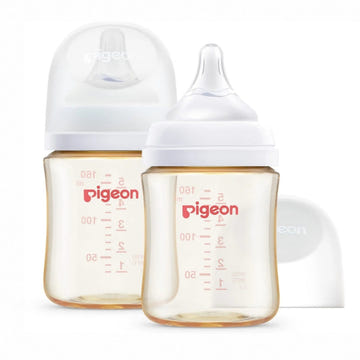
Pigeon PPSU Wide Neck Baby Bottle 2 Pack 5.4 oz Newborn
$34.99
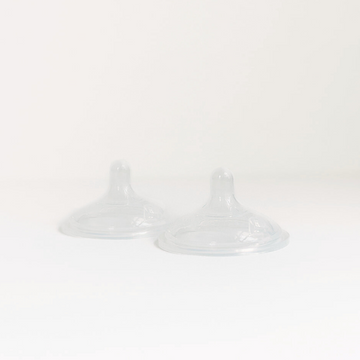
Mason Bottle Silicone Nipples 2 Pack Regular-Mouth B...
$12.99
Can I sterilize silicone pacifiers the same way as latex ones?
Silicone pacifiers are more heat resistant and durable, making them suitable for all sterilization methods including boiling, steam, and microwave. Latex pacifiers can deteriorate faster with repeated boiling and may become sticky or damaged. For latex, consider steam or cold water sterilization to extend their lifespan while still ensuring proper hygiene.
How do I know if my baby bottles are too old and need replacing?
Replace bottles when you notice cracks, cloudiness, discoloration, or persistent odors that do not go away after washing. Nipples should be replaced every two to three months or sooner if they show signs of tearing, thinning, or stickiness. Damaged feeding equipment cannot be properly sterilized and may harbor bacteria in cracks and worn areas.
Should I dry baby bottles with a towel or let them air dry after sterilizing?
Air drying on a clean, unused dish towel or drying rack is best to prevent recontamination. If you must use a towel, make sure it is freshly laundered and used only for baby items. Never dry the inside of bottles or nipples with a towel, as fibers can transfer bacteria back onto the sterilized surfaces.
From Moogco Studio
Printable and personalized nursery essentials. Designed by moms for moms.


About the Editor
Eda Ulger is the editor at Moogco Baby and a mom of two. She curates and edits our guides so every piece is honest, practical, and genuinely helpful for the early days of motherhood.
Shop This Story
Picks related to this guide, ready to ship from Moogco.
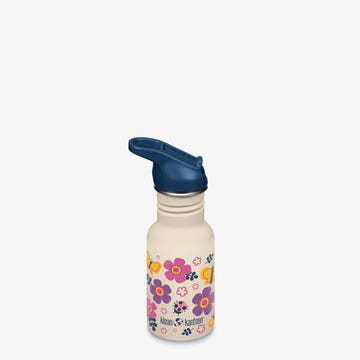
Klean Kanteen 12oz Kid's Classic Bottle Flip Seal Sp...
$17.95
better baby care Better Baby Bottle Pair Plastic-free
$45.00
Pigeon PPSU Wide Neck Baby Bottles 2 Pack 8.1 oz 3+ ...
$35.99
Pigeon Silicone Nipple SS 0+ Months Latch-On Line An...
$22.99
Mason Bottle Silicone Sleeve 2-Pack Fits 4 oz and 8 ...
$16.99
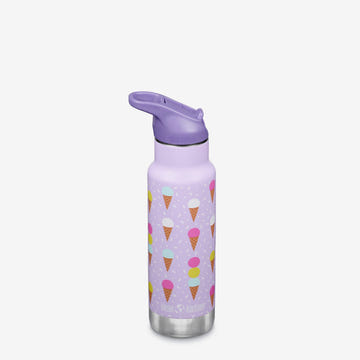
Klean Kanteen 12oz Kid's Classic Insulated Bottle Fl...
$25.95
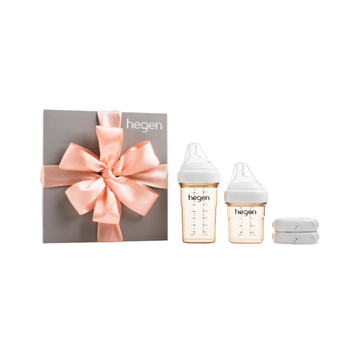
hegen PPSU Baby Bottle Starter Kit 150ml 240ml 0-6 m...
$59.99
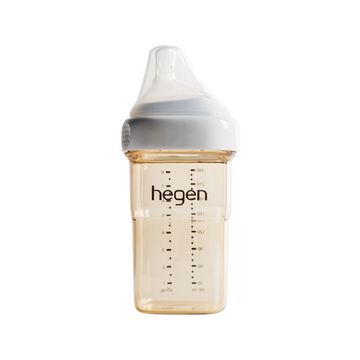
hegen PPSU Anti-Colic Baby Bottle 240ml White Medium...
$24.99
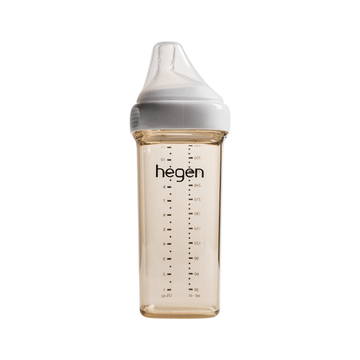
hegen PPSU Anti-Colic Baby Bottle 330ml 11oz White F...
$27.99
ezpz Baby-Led Tiny Spoons infant self-feeding spoons
$15.99