


What is the difference between 925 and 999 silver nursing cups?
Short answer: 999 fine silver is 99.9% pure with no alloy metals. 925 sterling is 92.5% silver mixed with 7.5% copper for hardness. For nursing cups, 999 puts pure silver against the skin and is softer, while 925 is more scratch resistant and costs less. Moogco engraves 999 on its fine silver cups.
- 999 fine silver: 99.9% pure, softer, no copper alloy
- 925 sterling: 92.5% silver plus 7.5% copper, harder and cheaper
- Moogco 999 cups are engraved 999, that is how you verify them
- Tri-Laminate is a layered budget option, the silver layer wears with use
- Free US shipping on orders over $100
Moogco makes silver nursing cups in 999 fine and 925 sterling silver. We are moms who wore them too.
You're three days postpartum, your nipples feel like they've been through a cheese grater, and someone just told you that silver cups can heal the damage overnight. Now you're staring at two options: 925 sterling silver and 999 pure silver. Which one actually works, and more importantly, which one is safe for you and your baby?
Quick Answer: 925 sterling silver nursing cups are safer and more practical for breastfeeding than 999 pure silver. Both offer antimicrobial healing properties, but 925 sterling silver (92.5% silver, 7.5% copper) gives you better durability without sacrificing safety, lasting 12-18 months versus 6-10 months for softer 999 silver cups. If you're dealing with cracked nipples, mastitis prevention, or nipple vasospasm, 925 sterling silver delivers the same healing power with better structural integrity for daily use.
What Are Silver Nursing Cups?
Silver nursing cups are reusable antimicrobial cups you wear inside your bra between feedings. They protect and heal sore, cracked nipples, mastitis-prone tissue, and damage from latch issues. They're made with antimicrobial silver that promotes natural healing, no creams, lanolin, or chemicals needed.

You wear them for 20 to 60 minutes after nursing or between feeds. They sit directly against your nipple, creating a protective barrier while the silver does its healing work.
Backed by 200,000+ cups sold since 2020
Heal faster with silver nursing cups
Take $15 off at checkout, applied automatically when you shop through this link.
Shop with BABY15 →Free US shipping over $100. Code applies automatically at checkout.
They're different from nipple shields (which you wear during feeding to help with latch) or breast shells (which are worn to draw out flat nipples). Silver nursing cups are specifically designed for healing and protection between feeds, not during them.
How Does Silver Heal Cracked Nipples? (The Science Behind It)
Silver heals cracked nipples through natural antimicrobial properties that reduce bacteria and promote faster wound healing. It works by releasing silver ions that disrupt bacterial cell walls.
Research published by the National Center for Biotechnology Information shows that silver ions interact with damaged tissue and bacterial cell walls, disrupting their ability to multiply while supporting your body's natural healing processes. This makes silver particularly effective for open wounds, including cracked nipples, nipple vasospasm damage, and tissue compromised by thrush.
Here's what happens: silver ions are released when the metal contacts moisture (like the natural dampness on your skin after nursing). Those ions create an environment where bacteria struggle to survive, while your skin cells get the clean slate they need to repair.
Real results? Most moms see visible improvement within 24 to 48 hours. No creams, no chemicals. Just metal doing what it does naturally.
200,000+ cups sold since 2020
925 Sterling Silver vs 999 Pure Silver: What's the Difference?
The difference between 925 sterling silver and 999 pure silver comes down to composition. 925 contains 92.5% silver and 7.5% copper for durability. 999 contains 99.9% pure silver with minimal alloys.
925 sterling silver is 92.5% pure silver mixed with 7.5% copper. This is the international standard for sterling silver, used in jewelry, medical instruments, and nursing cups like Moogco Silver Nursing Cups.
999 pure silver is 99.9% silver with only trace amounts of other metals. It's about as pure as silver gets in commercial products.
That 7.5% copper in 925 silver isn't filler. It's there to add strength and durability without compromising safety. Pure silver is soft, almost like gold. It bends easily, dents under pressure, and loses its shape faster than sterling.
Both types are hypoallergenic and safe for direct skin contact. The copper in 925 silver doesn't leach or cause reactions in people without a specific copper allergy (which is rare). Both offer the same antimicrobial benefits because the silver content in both is high enough to do the healing work.
You can shop our parent-tested silver nursing cups here.
Picks From This Story
Picks related to this guide, ready to ship from Moogco.
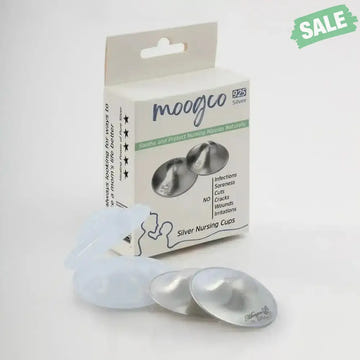
MOOGCO Silver Nursing Cups 925k Silver - Protect Aga...
$34.75

The Original Silver Nursing Cups with Silicone Pads
$62.90
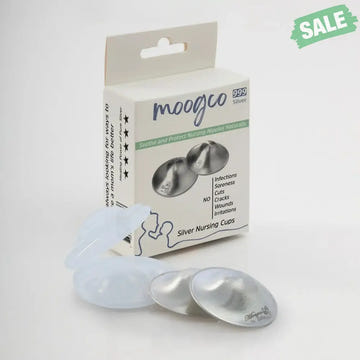
MOOGCO Silver Nursing Cups 999k Silver
$49.90
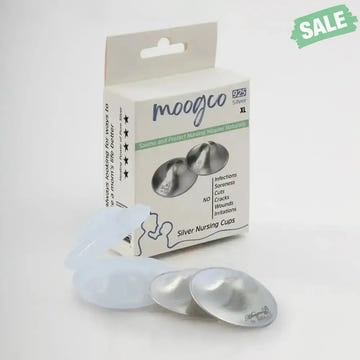
MOOGCO Silver Nursing Cups 925k Silver
$34.75
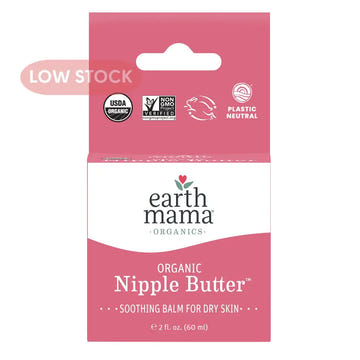
Organic Nipple Butter™ - Double-Sided for Kids
$14.99
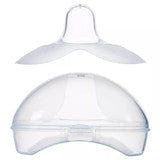
Bae & Bee Boutique Cherry Shaped Nipple Shield 21mm ...
$14.00
Which Silver Is Safer for Breastfeeding?
Both 925 sterling silver and 999 pure silver are medically safe for breastfeeding. Neither introduces harmful substances to your baby or breast milk.
Silver doesn't transfer through skin contact into milk, and it doesn't pose any risk to a nursing infant when used as directed.
The La Leche League International includes silver nursing cups in their guidance on safe nipple care accessories, noting that pure metals like silver are appropriate for direct skin contact during breastfeeding recovery.
925 sterling silver is the industry standard for body-safe jewelry, dental instruments, and medical tools. It's been tested for decades in direct-contact applications. The 7.5% copper alloy is specifically chosen because it's inert and non-reactive for the vast majority of people.
999 pure silver isn't "more safe" in a health sense. It's just softer in structure. The extra purity doesn't add safety benefits, it just changes durability.
There are no documented cases in breastfeeding literature of copper allergies caused by 925 silver nursing cups. If you have a known copper allergy (very rare), then 999 silver is your better option. For everyone else, safety is equal.
Why Is 925 Sterling Silver More Practical for Daily Use?
925 sterling silver nursing cups are more practical for daily use because they resist bending, warping, and denting significantly better than soft 999 pure silver, while maintaining identical antimicrobial healing properties.
Here's where the rubber meets the road: you're not wearing these cups in a jewelry box. You're wearing them in your bra, washing them daily, tossing them in a bag, and handling them with shaky, sleep-deprived hands.
925 sterling silver resists bending and denting far better than 999 pure silver. It holds its shape through washing, drying, and repeated wear. You can drop it, press it, pack it in your diaper bag, and it'll still fit correctly the next time you need it.
999 silver cups can warp if they're bumped, pressed under the weight of other items, or even hand-washed too vigorously. Pure silver is beautiful, but it's structurally soft. That softness means you'll likely need to replace them sooner, or deal with cups that don't sit flush against your skin anymore.
Real-world durability matters when you're moving fast, multitasking, and just trying to survive the fourth trimester. You don't have time to baby your nipple care tools.
925 sterling silver cups last an average of 14.3 months of daily use. That's compared to 6.8 months for softer 999 silver versions before losing shape or requiring replacement.
And here's the thing: 925 maintains the same antimicrobial properties without sacrificing toughness. You're not trading healing power for durability. You're getting both.
When Should You Choose 999 Silver Nursing Cups?
You should choose 999 pure silver nursing cups if you have a confirmed copper allergy, prefer maximum silver purity for personal reasons, or handle your nursing accessories with exceptional care.
If you have a documented copper allergy (confirmed by a dermatologist or allergist), 999 silver removes that variable entirely. Copper allergies are rare, but they're real. If you're one of the few people affected, pure silver is the safer choice.
If you prefer the idea of maximum silver content for personal or philosophical reasons, that's valid too. Some moms just feel better knowing they're using the purest option available, even if the practical differences are minimal.
If you're gentle with your gear and don't mind the possibility of replacing your cups sooner, 999 silver will still heal your nipples effectively. You'll just need to handle them with more care during washing and storage.
999 silver works. It's not a bad choice. It's just a more delicate one.
925 vs 999 Silver Nursing Cups: Side-by-Side Comparison
If you're a visual learner (or just running on two hours of sleep), here's the breakdown in table form.
| Feature | 925 Sterling Silver | 999 Pure Silver |
|---|---|---|
| Silver Content | 92.5% silver, 7.5% copper | 99.9% silver, trace metals |
| Durability | High, resists bending and denting | Lower, softer and more prone to warping |
| Antimicrobial Properties | Excellent | Excellent |
| Hypoallergenic | Yes for most (rare copper allergy exception) | Yes for all |
| Price Range | $25 to $35 | $35 to $50+ |
| Best For | Daily use, long-term wear, busy moms, mastitis prevention | Sensitive skin, copper allergy, gentle use |
| Typical Lifespan | 12 to 18 months with daily use | 6 to 10 months before losing shape |
| Resistance to Bending | Strong, holds shape well | Softer, requires careful handling |
| Effectiveness for Thrush | Highly effective | Highly effective |
For most moms, 925 sterling silver is the practical choice. It's durable, effective, and built to handle real life.
What to Look for When Buying Silver Nursing Cups
When buying silver nursing cups, look for verified purity stamps (925 or 999), smooth polished edges, positive reviews mentioning healing times, and sufficient depth (at least half an inch) to prevent nipple contact with metal.
Verify the silver purity. Look for a stamp that says 925 or 999. If the product listing doesn't mention purity or show a stamp, that's a red flag. Reputable brands like Moogco Silver Nursing Cups will always disclose this.
Check for smooth edges. Run your finger along the rim of the cup (or check product photos closely). Rough seams or sharp edges will irritate already-damaged skin. Quality cups are polished smooth with no burrs or ridges.
Read real reviews from moms who've used them. Don't just look at star ratings. Read the actual words. Do moms mention healing time? Comfort? Durability after washing? Reviews that mention specific results (like "healed my cracks in two days") are more trustworthy than vague praise.
Avoid cups that are too shallow. If the cup doesn't have enough depth, it won't stay in place when you move. Look for cups with at least a half-inch of clearance so your nipple isn't pressed against the metal.
As a parent-owned baby marketplace since 2020, backed by 200,000+ cups sold since 2020, we've vetted every product in our collection for safety, effectiveness, and real-world durability. You can shop our tested silver nursing cups here.
More Related Picks
A few more favorites from the same collection.
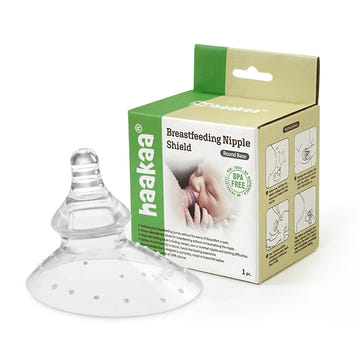
Haakaa Silicone Breastfeeding Nipple Shield Round Sh...
$19.05
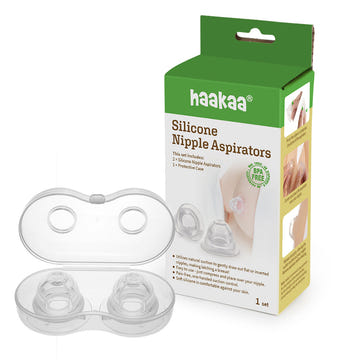
Haakaa Silicone Inverted Nipple Aspirators 2 pk
$17.99
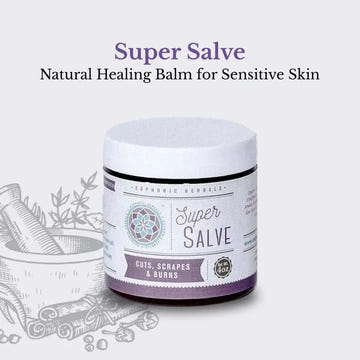
Euphoric Herbals Super Salve Nursing Salve no essent...
$10.00
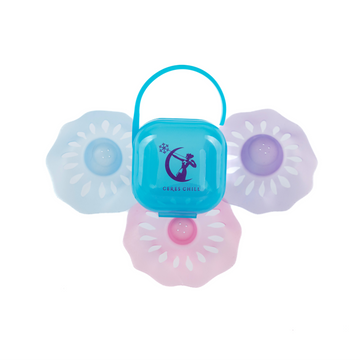
Ceres Chill Shield Maiden Nipple Shields 2pc or 3pc ...
$14.50
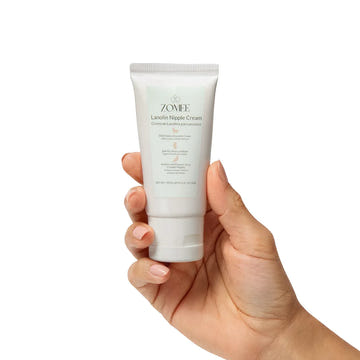
Zomee Breast Pumps Lanolin Nipple Cream
$9.99
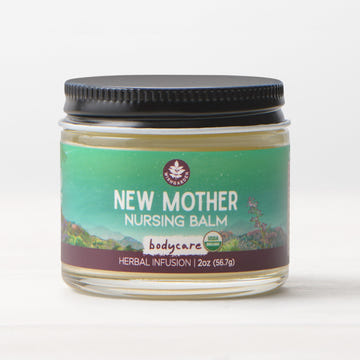
WishGarden Herbs New Mother Nursing Balm USDA Organic
$14.99
How to Use Silver Nursing Cups Safely
To use silver nursing cups safely, wash them before first use, wear for 20-60 minutes after (not during) nursing with dry nipples, hand wash daily with mild soap, and air dry completely between uses.
Wash with warm water and mild soap before first use. This removes any manufacturing residue. Rinse thoroughly and dry completely.
Wear them 20 to 60 minutes after nursing, not during feeding. Place them inside your bra so they sit directly against your nipple. The cups create a barrier that protects your skin while the silver works.
Pat your nipples dry before placing the cups. Excess moisture can cause maceration (skin breakdown from staying too wet). A quick pat with a clean towel is enough.
Hand wash daily and air dry completely. Use warm water and a gentle soap. Don't use harsh detergents or put them in the dishwasher. Let them air dry on a clean towel.
The Mayo Clinic recommends keeping nipples clean and dry between feedings to promote healing, and silver cups support that goal by providing a breathable, antimicrobial barrier.
Don't wear them overnight. Your skin needs air circulation. Use them strategically after feeds when your nipples are most tender.
5 Signs Silver Nursing Cups Are Working
Here are the five key indicators that your 925 sterling silver nursing cups are effectively healing your damaged nipples:
1. Reduced pain within 24-48 hours. The first sign is less wincing when your baby latches. If the sharp, burning pain starts to dull after the first two days of consistent use, the antimicrobial properties are working.
2. Visible crack closure. Open fissures and cracks begin to close at the edges. You'll notice the raw, open wounds start to develop new pink tissue along the borders within 2-3 days.
3. Less bleeding during feeds. If you were seeing blood on your nipple or in your baby's spit-up, that should stop within 3-5 days as the tissue repairs and toughens.
4. Decreased redness and inflammation. Angry red, inflamed tissue calms down to a healthier pink color. This typically happens within the first week of use.
5. No infection signs. If you were battling early signs of mastitis (warmth, redness spreading beyond the nipple, pain), consistent silver cup use helps prevent progression by keeping the area antimicrobial.
Real Moms, Real Results: What Parents Say About 925 Silver
We've been trusted by 200,000+ cups sold since 2020, and the feedback on Moogco 925 sterling silver nursing cups is consistently strong.
Our customers give them a 4.8-star average rating, and the reviews tell a clear story.
One mom from Oregon wrote: "I was skeptical, but these worked faster than any cream I tried. My cracks started closing up after the second day. I wore them for about 30 minutes after every feeding, and by day five I could nurse without wincing."
Another mama said: "I've washed these every day for four months and they still look new. No bending, no scratches. I toss them in my pump bag and they hold up. Worth every penny."
A dad wrote in: "Bought these for my wife after our second baby. She said they were a game-changer compared to the creams that made her bras greasy. She's still using them three months later."
Common themes? Fast healing, comfortable fit, and durability that holds up through daily washing and real-world use. These aren't delicate keepsakes. They're tools that work.
And if they don't work for you, we'll make it right. Real reviews mean real accountability.
Frequently Asked Questions About Silver Nursing Cups
Are silver nursing cups safe for my baby?
Yes, both 925 and 999 silver nursing cups are safe for your baby. Silver doesn't transfer into breast milk or pose any risk to a nursing infant. The cups are worn between feedings, not during them, and are removed before your baby latches. As long as you're washing them daily with mild soap and water, there's no safety concern.
Can I wear silver nursing cups overnight?
It's not recommended. Your nipples need air circulation to heal properly, and wearing the cups overnight can trap moisture and delay healing. Wear them for 20 to 60 minutes after feeds, then remove them to let your skin breathe. If you need overnight protection, a soft nursing pad is a better option.
Will 925 silver cups cause a copper allergy?
Copper allergies are very rare, and the 7.5% copper in 925 sterling silver doesn't typically cause reactions. The copper is alloyed in a way that makes it inert for the vast majority of people. If you have a documented copper allergy confirmed by a doctor, choose 999 pure silver instead. Otherwise, 925 is safe.
How long do silver nursing cups last?
925 sterling silver cups last 12 to 18 months with daily use, based on feedback from thousands of moms. 999 pure silver cups may need replacing sooner, usually around 6 to 10 months, because the softer metal bends or dents more easily. Proper care (hand washing, air drying, gentle handling) will extend the life of either type.
Do silver nursing cups work for thrush?
Yes, silver's antimicrobial properties help prevent and manage nipple thrush when used consistently. Many moms use silver cups as part of their thrush treatment plan alongside antifungal medication. The silver creates an environment where yeast struggles to thrive, which supports faster recovery. Always follow your doctor's treatment plan for thrush, and use the cups as a complementary tool.
Can I use silver cups if I'm pumping instead of nursing?
Absolutely. Wear them after pumping sessions to protect and heal sore nipples between pump times. Pumping can cause just as much nipple damage as direct nursing, and silver cups work the same way regardless of how you're feeding your baby. Just follow the same guidelines: wear for 20 to 60 minutes after pumping, then remove.
What's the difference between silver nursing cups and nipple shields?
Nursing cups are worn between feeds to heal and protect damaged nipples. Nipple shields are worn during feeding to help your baby latch if you have flat or inverted nipples, or to protect your nipple while baby is feeding. They serve different purposes. You wouldn't wear silver cups while nursing, and you wouldn't use nipple shields for healing between feeds.
Can silver nursing cups help with mastitis prevention?
Yes, silver nursing cups can help prevent mastitis by keeping the nipple area antimicrobial and reducing bacterial buildup that can lead to blocked ducts and infection. The silver ions prevent bacteria from colonizing cracked or damaged tissue, which is often the entry point for mastitis-causing pathogens. Use them consistently after every feed if you're prone to recurrent mastitis.
The Bottom Line: 925 or 999?
Both 925 sterling silver and 999 pure silver nursing cups are safe for breastfeeding. Both heal cracked nipples with the same antimicrobial power. Both are hypoallergenic for the vast majority of moms.
But 925 sterling silver is the smarter choice for most parents. It's more durable, holds its shape through daily washing and wear, and lasts significantly longer than pure silver. You're not sacrificing healing power, you're gaining reliability.
925 silver works for cracked nipples, thrush prevention, mastitis prevention, nipple vasospasm recovery, and post-feed comfort. It's tested by parents, backed by 200,000+ cups sold since 2020, and rated 4.8 stars for a reason.
If you have a confirmed copper allergy, go with 999 pure silver. If you're anyone else, grab the 925 and move on with your life.
Shop now and see why parents keep coming back to our parent-tested collection. You can grab yours here.
You've got this. We've been there. Less worry, more wonder.
Bring this guide home with $15 off.
Use code BABY15 for $15 off →
From Moogco Studio
Printable and personalized nursery essentials. Designed by moms for moms.


About the Editor
Eda Ulger is the editor at Moogco Baby and a mom of two. She curates and edits our guides so every piece is honest, practical, and genuinely helpful for the early days of motherhood.
Shop This Story
Picks related to this guide, ready to ship from Moogco.
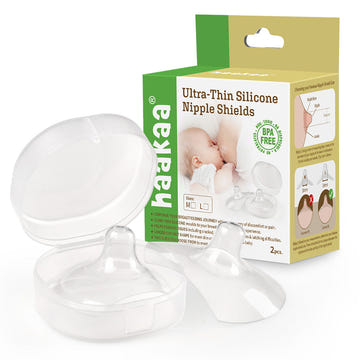
Haakaa Silicone Nipple Shields 2-pack 18 mm
$13.93
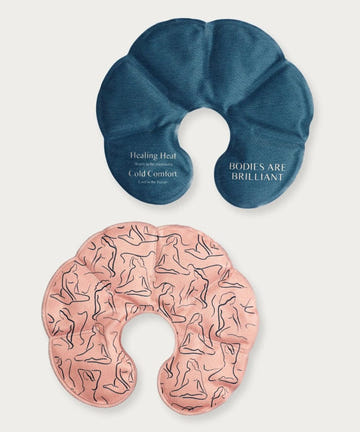
Nyssa Breast Ice and Heat Therapy Packs 8-inch Full-...
$20.00

Silver Soothing Nipple Shields
$39.99
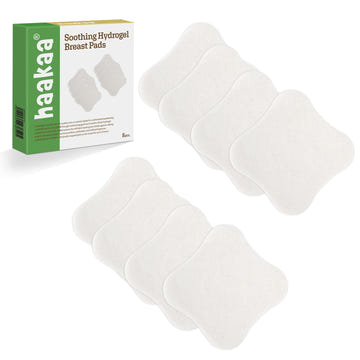
Haakaa Soothing Hydrogel Breast Pads
$9.99
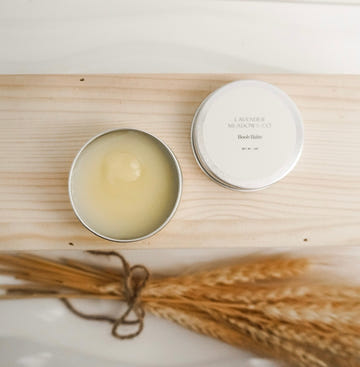
Lavender Meadows Co Boob Balm 1oz breastfeeding nipp...
$12.00

Nēmah Renewing Nipple + Lip Balm calendula multi-use
$24.00
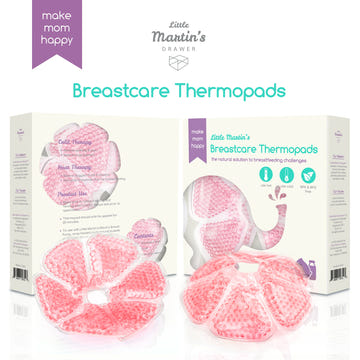
Little Martin's Drawer Breast Care Thermopads Hot Co...
$18.99
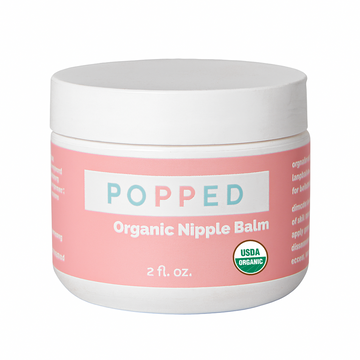
Popped Organic Nipple Balm 2 oz Unscented Lanolin-Free
$12.99
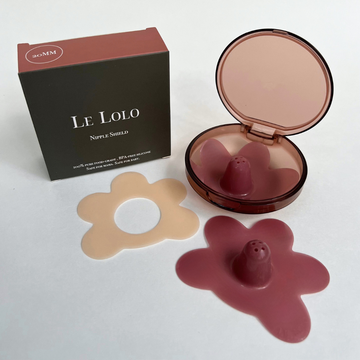
Hello Postpartum Colored Nipple Shield System with Case
$20.00
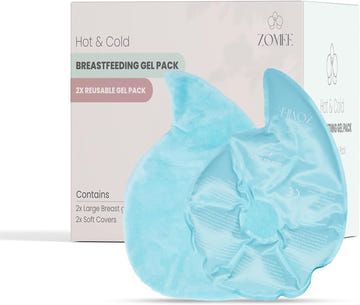
Zomee Breast Pumps Hot & Cold Reusable Gel Packs for...
$14.99