


Our review of Aquaphor Healing Ointment shows it's much more than just a simple moisturizer. It’s a multi-purpose skin protectant that’s earned its spot in medicine cabinets everywhere. Think of it as a smart, breathable shield for your skin—it expertly locks in moisture to speed up healing while keeping outside irritants at bay.
It’s this simple but effective approach that has made it a household name.
A Quick Look at the Essentials
Before we dive deep, here's a quick rundown of what makes Aquaphor a go-to for so many skin concerns. This table breaks down its core features and benefits at a glance.
| Feature | Description |
|---|---|
| Product Type | Skin Protectant Ointment |
| Primary Ingredient | 41% Petrolatum |
| Key Function | Creates a semi-occlusive barrier to protect skin and lock in moisture. |
| Best For | Dry, cracked skin; chapped lips; minor cuts & scrapes; diaper rash; tattoo aftercare. |
| Texture | Thick, rich ointment. |
| Scent | Fragrance-free. |
| Key Benefits | Promotes a healing environment, soothes irritation, prevents moisture loss. |
This snapshot really highlights the versatility that we'll explore in more detail.
Why Is Aquaphor a Skincare Staple?
For decades, you’d be hard-pressed not to find a tube of Aquaphor in a diaper bag, a dermatologist’s office, or tucked away in a bathroom drawer. Its reputation wasn't built on flashy ads but on a straightforward, powerful promise: it helps your skin heal itself.

The magic is in its design as a semi-occlusive ointment.
Free US shipping over $100
Real essentials, picked by real moms
Take 20% off at checkout, applied automatically when you shop through this link.
Shop with MOM20 →Free US shipping over $100. Code applies automatically at checkout.
What does that mean? It forms a protective layer over your skin, but not a completely sealed one. Unlike products that suffocate the skin, Aquaphor’s formula lets oxygen flow freely, which is absolutely vital for the natural healing process. It’s the perfect balance—it traps your skin’s own moisture to combat dryness while shielding it from the elements.
A Legacy of Trust and Versatility
The reason Aquaphor has stuck around for so long is simple: it works on just about anything. It has become the go-to fix for a huge list of common skin issues, which is why it's been a top first-aid ointment in the U.S. for years.
In fact, by 2019, it was the second-leading brand in its category, a powerful testament to 96 years of consistent performance and the trust it has built with families.
Its uses are incredibly wide-ranging. People reach for it to:
- Soothe painfully chapped lips and cracked heels.
- Protect and heal minor cuts, burns, and scrapes.
- Prevent and treat diaper rash on sensitive baby skin.
- Provide aftercare for new tattoos to keep the ink vibrant and the skin healthy.
This jack-of-all-trades nature is what elevates it from just another product on the shelf to an indispensable household essential.
Its formula is gentle enough for everyone, from an adult with rough, calloused hands to a newborn with delicate skin. This broad appeal is at the heart of its success. For new parents just starting their journey, our complete guide to baby skin care can offer more foundational tips.
Ultimately, Aquaphor’s ability to deliver reliable, predictable results time and time again has cemented its place as a skincare icon.
Decoding the Simple Yet Powerful Formula
So, what’s the big deal with Aquaphor? To really get why so many people swear by it, you have to look past the branding and get right into the tube. The magic of this ointment is actually in its simplicity. It’s not packed with a laundry list of trendy ingredients; instead, it uses a small, focused team where every component has a critical job to do.
At its heart, Aquaphor is built on petrolatum. This is the main skin protectant, and it’s a powerhouse. The best way to think of it is like a breathable shield for your skin. It creates a semi-permeable barrier that locks in your skin’s own moisture, creating the perfect humid environment for its natural healing process to speed up.
The Key Players in Skin Recovery
While petrolatum is the star of the show, it doesn't work alone. It’s backed by a solid supporting cast that helps soothe and hydrate, turning it from a simple barrier cream into something much more effective.
The formula is heavily based on mineral oil. According to Health Canada, Aquaphor Healing Ointment contains 52.74% mineral oil by weight, which makes it the single most significant ingredient in the mix. You can dig into the specifics right on their official database.
This infographic breaks down how Aquaphor’s core strengths—its versatility, protective qualities, and healing support—make it such a reliable staple.
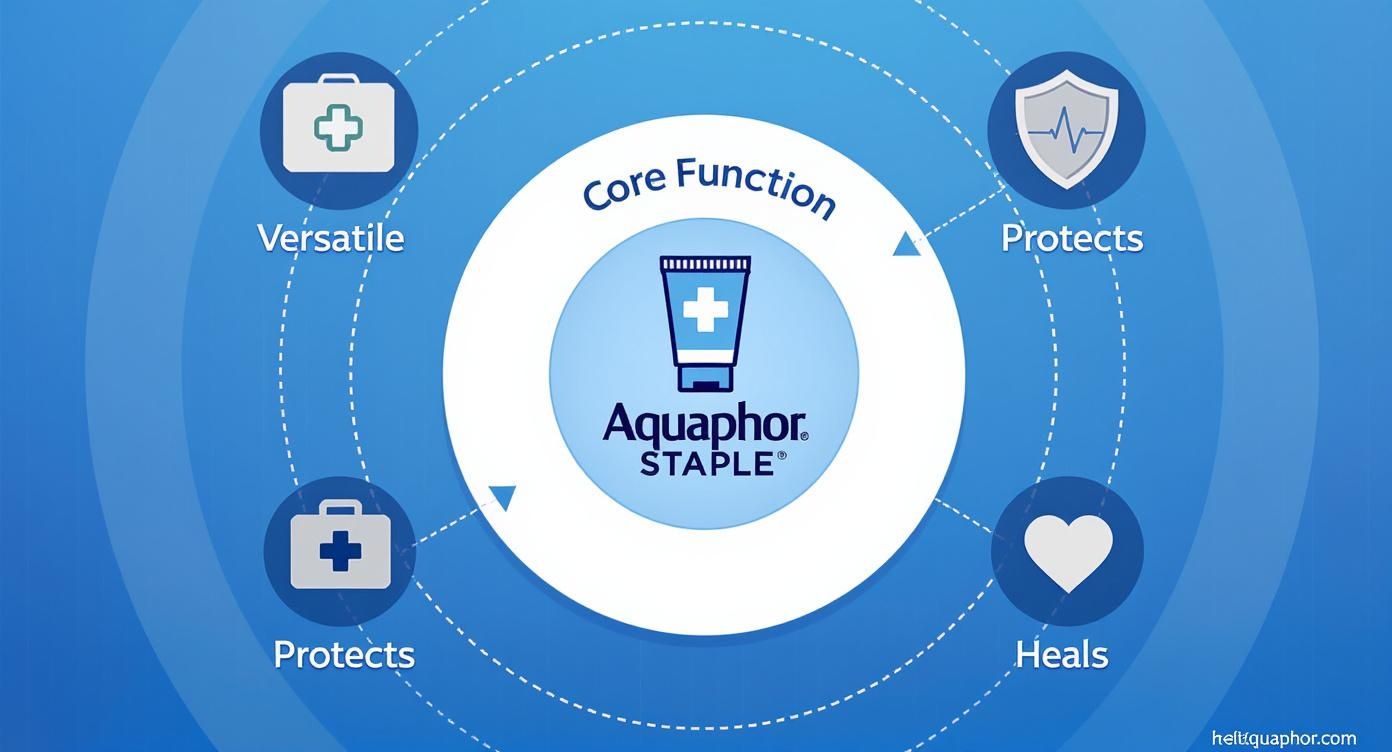
You can see how the product’s fundamental design directly translates into its many real-world uses for everything from daily skincare to minor first aid.
How the Ingredients Work Together
Beyond the main barrier-formers, a few other ingredients are included to round out the ointment's healing abilities. Here’s a quick rundown of who they are and what they bring to the table:
- Glycerin: This is a classic humectant, which is just a fancy way of saying it’s a "moisture magnet." Glycerin pulls water from the air and from deeper within your skin up to the surface, delivering a shot of hydration exactly where you need it.
- Panthenol: A form of Vitamin B5, panthenol is fantastic at soothing and softening the skin. It helps calm down redness and inflammation, which is a huge plus when you’re dealing with irritated, angry skin.
- Bisabolol: Derived from the chamomile plant, this ingredient is famous for its calming effects. It helps to quiet down irritation, offering gentle relief for sensitive spots.
It's not just about what each ingredient does on its own, but how they all work together. This synergy creates a product that both protects skin from external irritants and actively helps it heal from the inside out.
This specific formula is fantastic for general dryness and everyday skin issues. That said, for very specific concerns like the discomfort that can come with breastfeeding, some moms prefer to look for different ingredient lists. Our guide on the best natural nipple creams explores some great plant-based and lanolin-free alternatives.
Ultimately, the Aquaphor formula isn't trying to be overly complex, and that's its strength. It’s just incredibly well-thought-out, combining a protective shield with active hydrating and soothing agents to give your skin exactly what it needs to recover.
Picks From This Story
Picks related to this guide, ready to ship from Moogco.
2-Step Stretch Mark Prevention Bundle
$69.00
Euphoric Herbals Menstrual Melody Tea herbal blend f...
$24.99
Lavender Life Company Cozy Lavender Neck Wrap weight...
$57.00
Garner's Garden Whipped Cocoa Butter Hydrating Skin ...
$12.00
Garner's Garden Severe Dry Skin Butter for Severe Dr...
$18.00
Garner's Garden Body Butter Various Essential Oils a...
$10.00
Putting Aquaphor to the Test in Real Life
Knowing the ingredients is one thing, but the real test for any skincare product is how it holds up in the real world. This is where Aquaphor really proves its worth, moving beyond just a simple ointment to become a go-to problem solver for the whole family. Versatility is its superpower.
From soothing wind-chapped cheeks on a bitter winter day to calming the fiery red of a diaper rash, Aquaphor creates a dependable barrier that just works. For so many people, it's the secret weapon for healing painfully cracked heels or reviving dry, over-washed hands, earning it a permanent spot in purses, diaper bags, and on nightstands.
Everyday Uses and Pro Tips
The ways you can use this ointment are almost endless, covering everything from daily skin maintenance to more specific care needs. To really get the most out of it, a few simple tricks can make a big difference.
Here are some of the most common ways people put Aquaphor to work:
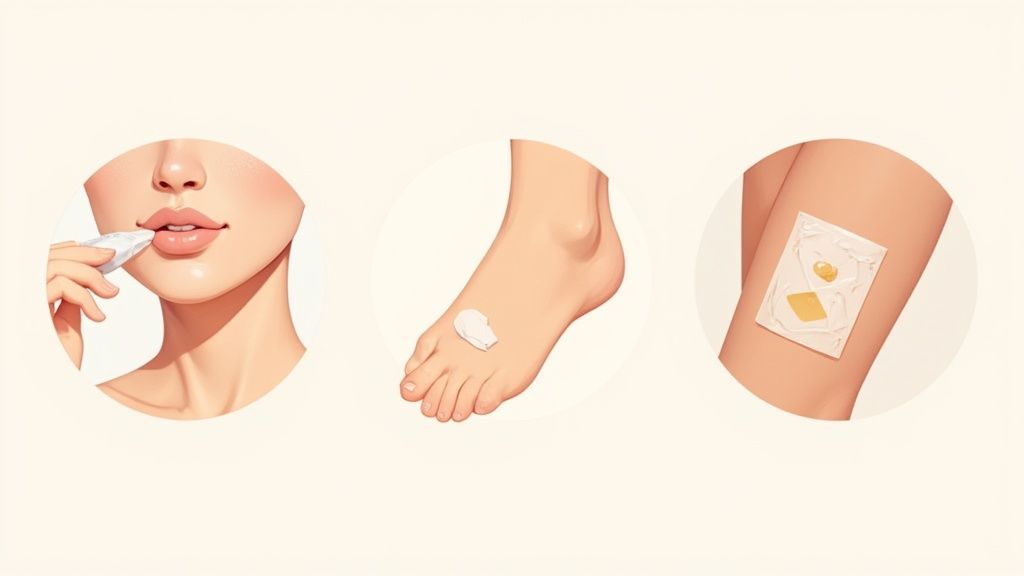
- Dry Skin and Cracked Heels: For the best results, slather a generous layer on your feet right after a shower while your skin is still a bit damp. This helps trap all that extra moisture. Pop on a pair of cotton socks overnight, and you’ll let the ointment do its thing without any greasy mess.
- Chapped Lips: A tiny dab provides an amazing shield against harsh wind and cold, stopping your lips from drying out. It's a simple, no-fuss alternative to waxy lip balms that often feel like they're just sitting on the surface.
- Minor Cuts and Scrapes: After cleaning a wound, applying a little Aquaphor keeps the area moist. This is a well-known trick to help speed up healing and can even help minimize scarring down the road.
A common thread you'll find in just about any Aquaphor Healing Ointment review is its power as a preventative tool. Applying it before a long run can stop chafing before it starts, and using it on your hands before tackling a sink full of dishes can protect them from getting parched.
Specialized Applications for Healing
Beyond just daily skincare, Aquaphor has carved out a niche in more specialized healing routines, often recommended by professionals for being both gentle and effective.
One of its most popular "off-label" uses is for tattoo aftercare. Many artists will tell you to apply a super thin layer to a new tattoo after you've washed it for the first time. This keeps the skin hydrated and protected—two things that are crucial for keeping the ink vibrant and helping the skin heal beautifully.
It's a similar story in post-procedure care. After minor cosmetic treatments, some surgeons suggest switching to a petrolatum-based ointment like Aquaphor once the initial round of antibiotic ointment is done. This helps create that ideal moist environment for healing delicate skin without the irritation that can sometimes come from using antibiotics for too long.
The brand's own "Before & Aquaphor" campaign did a great job of shining a light on these varied uses, showing real-world transformations that cemented its reputation as a skin recovery powerhouse. These stories really drive home how useful it is for all ages, explaining its strong foothold in the skincare world.
This same versatility makes it a top pick for handling common baby skin issues. If you're struggling with persistent irritation, our guide on how to prevent and manage diaper rash offers even more targeted strategies to help your little one.
Aquaphor for Newborns and Breastfeeding: What You Need to Know

When you're a new parent, every single product you bring into the house gets a thorough vetting. This is especially true for anything that touches your newborn’s ultra-delicate skin or could affect your breastfeeding journey. It's no surprise that Aquaphor is a staple in so many diaper bags; it's a simple, tried-and-true barrier against the constant moisture that can lead to diaper rash.
Because its formula is so gentle and free of fragrances, most infants handle it just fine. For preventing or treating diaper rash, all it takes is a thin layer to shield their skin between changes. The same idea works for little dry patches or even baby acne—a tiny dab can go a long way in calming down irritation.
Is It Safe to Use While Breastfeeding?
This is one of the most common questions from nursing moms: can I use Aquaphor on sore, cracked nipples? The main ingredients—petrolatum and mineral oil—are highly refined and generally safe for putting on your skin. The real concern, of course, is the baby ingesting it.
Most pediatricians and dermatologists will advise you to play it safe. While a tiny amount isn't considered toxic, it's just good practice to gently wipe off any leftover ointment with a soft, damp cloth right before you nurse. That way, you know your baby is latching onto clean skin, not a layer of product.
Thinking through what’s best for your baby, from their skincare to their feeding gear, often means looking at lots of different viewpoints. As you weigh your options, you might find some useful insights in other baby product reviews that take a similar deep dive.
Key Takeaway for Parents: Aquaphor is widely considered safe for both newborns and breastfeeding moms, but the golden rules are moderation and proper use. Always apply the smallest amount needed and be sure to clean the nipple area before feeding for total peace of mind.
Best Practices for You and Your Baby
To use Aquaphor with confidence, just stick to these simple guidelines. It’s all about getting the benefits without any of the worry.
- For Diaper Rash: At every diaper change, apply a thin, even coat to clean, dry skin. This creates that all-important protective barrier.
- For Dry Skin: Dab a very small amount on spots like cheeks or the scalp, massaging it in gently.
- For Nipple Care: Use a pea-sized amount after nursing to soothe and moisturize. Just remember to wipe it away before the next feeding session.
It's also worth knowing that there are other ways to manage this common breastfeeding issue. A deep dive into all the options for nipple care during breastfeeding can be a real eye-opener: https://moogcobaby.com/blogs/news/nipple-care-during-breastfeeding
Some moms find they'd rather skip ointments entirely, especially since wiping them off can sometimes irritate already sensitive skin. This has led many to non-chemical alternatives like silver nursing cups, which offer a completely different, cream-free approach to finding relief.
An Honest Look at the Pros and Cons
Every product has its fans and its critics, and Aquaphor is no exception. To give you a fair picture, we need to look at both sides of the coin. What works wonders for one person might not be the right fit for another, so let's break down the good, the bad, and the greasy.
Aquaphor Healing Ointment Pros vs Cons
Looking at the main benefits and drawbacks side-by-side is the easiest way to see if Aquaphor aligns with your needs. It's a fantastic tool for some situations, but its very nature creates a few downsides to keep in mind.
| Pros | Cons |
|---|---|
| Proven, Reliable Healing: It’s a go-to for a reason. It excels at healing dry, cracked skin, minor burns, and scrapes by creating a protective, moist environment. | Heavy, Greasy Feel: The most common complaint is its thick, sticky texture. It can feel unpleasant on the skin, especially on the face or hands. |
| Incredibly Versatile: This is a true workhorse. It can be used as a lip balm, foot cream, diaper rash preventative, and a barrier against chafing. | Petroleum-Based: For those who prefer "clean" or "green" beauty, the main ingredients (petrolatum, mineral oil) are often a deal-breaker. |
| Affordable and Accessible: Compared to specialized skincare, Aquaphor is easy on the wallet. A big tub lasts forever, making it a budget-friendly staple. | Can Clog Pores: While labeled non-comedogenic, its occlusive nature can trap oil and bacteria, potentially causing breakouts for those with oily or acne-prone skin. |
Ultimately, this table shows the trade-offs. You get powerful, affordable barrier repair, but it comes with a heavy texture and ingredients that some people prefer to avoid.
The Upside: Why People Swear By It
The reasons people love Aquaphor are simple and powerful. It’s a product that just works.
For decades, families have relied on it to soothe everything from chapped lips to raw, irritated skin. Its ability to lock in moisture and protect damaged skin isn't just marketing—it's a core principle of effective wound care that delivers real results you can see and feel.
Plus, you can't beat its versatility. It’s a true multi-tasker that can replace a half-dozen other products in your cabinet, from diaper rash cream to foot salve. This all-in-one convenience, combined with its low price point, has cemented its place as a household essential.
The Downside: Potential Deal-Breakers
Of course, no product is perfect. The very things that make Aquaphor effective are also its biggest drawbacks.
The most common complaint is its heavy, greasy texture. This is what creates that excellent protective seal, but it can feel sticky and unpleasant, especially if you're applying it to your face or hands during the day.
Then there’s the ingredient list. If you're dedicated to a "clean beauty" routine, seeing petrolatum and mineral oil at the top might be a red flag. While these ingredients are highly purified and considered safe by dermatologists, they are derived from petroleum, a non-renewable resource that many people choose to avoid.
Finally, while it's officially labeled non-comedogenic (meaning it won't clog pores), its heavy, occlusive nature can be a problem for some. If you have very oily or acne-prone skin, slathering Aquaphor on your face might trap oil and bacteria, leading to breakouts. It’s a classic case of "your mileage may vary."
More Related Picks
A few more favorites from the same collection.
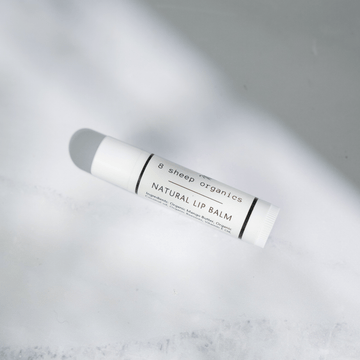
Organic Lip Balm
$4.00
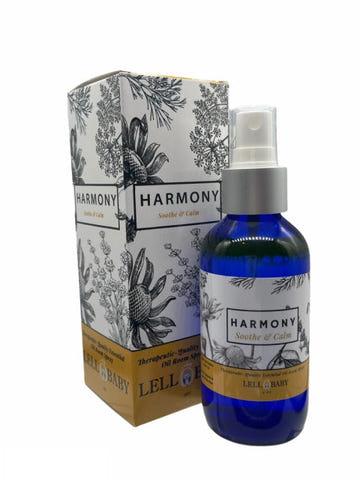
Therapeutic-Quality Essential Oil Room Spray - Harmony
$19.00

Lavender Comfort Neck Wrap
$58.50
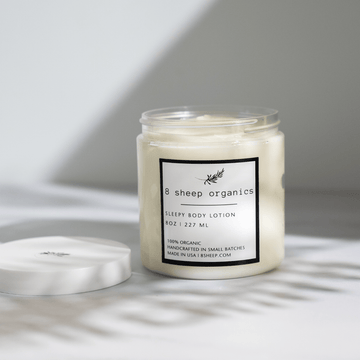
8 Sheep Organics Organic Sleepy Body Lotion for Preg...
$29.00
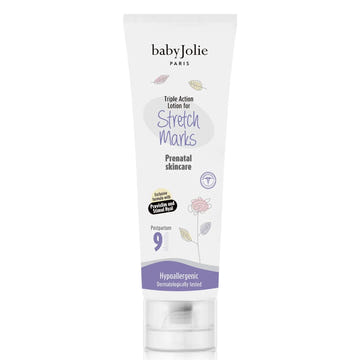
Baby Jolie Paris Triple Action Stretch Marks Cream 7...
$29.99
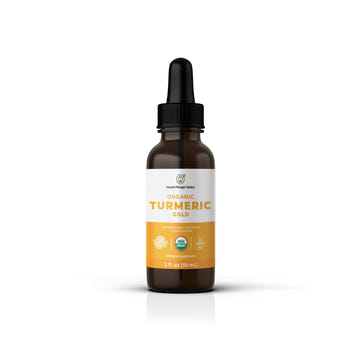
Health Ranger Store Organic Turmeric Gold Liquid Ext...
$26.95
Looking for Aquaphor Alternatives? Here Are Your Best Bets
Look, Aquaphor is a fantastic, do-it-all product, but it's not the be-all and end-all for everyone. A good, honest Aquaphor Healing Ointment review needs to talk about other great options out there. Maybe you can't stand the greasy feel, or you're looking for something with more natural ingredients. Whatever your reason, you've got choices.
If you just want something that works like Aquaphor without being Aquaphor, you can stick with other petrolatum-based ointments. Think classic Vaseline or CeraVe Healing Ointment. They all work on the same basic principle: creating a barrier to lock in moisture and let your skin heal itself. They're just as reliable for everyday scrapes and dryness.
Diving Into Ingredient-Focused and Specialty Options
What if you want to ditch petroleum products altogether? The market is full of incredible alternatives that cater to different needs and philosophies. Sometimes, you need a more targeted tool for the job.
- Lanolin-Based Creams: Lanolin is a powerhouse ingredient, a natural oil from sheep's wool that’s incredibly similar to our skin's own oils. Brands like Lanolips have a cult following for a reason—they deliver intense moisture that's perfect for things like severely chapped lips and ragged cuticles.
- Plant-Based Balms: If you’re all-in on "clean" beauty, you'll love balms built on shea butter, cocoa butter, and various plant oils. These ingredients are packed with skin-loving vitamins and fatty acids that actively nourish the skin while still providing that protective layer you need.
At the end of the day, the best product is the one that fits your skin and your lifestyle. What's perfect for a bit of winter dryness might not be the right call for a sensitive issue like sore nipples from breastfeeding.
A Chemical-Free Solution for Nursing Moms
For new moms who are breastfeeding, the cycle of applying a cream and then meticulously wiping it off before every single feeding gets old, fast. It's no wonder so many are looking for options that skip the topicals and chemicals entirely. This is where something truly different comes in: silver nursing cups.
These little cups, like the ones from MoogCo, are made from 925k silver and harness its natural properties to soothe and protect cracked, sore nipples. You just pop them directly over your nipple inside your bra. They act as a physical shield against friction from your clothing and use your own breast milk to create the perfect healing environment—no creams, no chemicals, nothing to wipe off. For moms searching for the best nipple cream for breastfeeding, discovering a non-cream alternative like this can be an absolute lifesaver.
Common Questions About Aquaphor Answered
To wrap up our review of Aquaphor Healing Ointment, let’s dig into some of the questions that come up time and time again. Think of this as a quick-fire round to clear up any confusion so you can get the most out of every tube.
What Is the Difference Between Aquaphor and Vaseline?
This is easily the most common question out there, and for good reason—they look pretty similar at first glance. The key difference really boils down to their ingredients and how they work.
Vaseline is made of 100% petrolatum. It's a pure, heavy-duty barrier that sits on top of your skin, locking moisture in and keeping everything else out. It’s incredibly effective, but it doesn't add any extra moisture itself.
Aquaphor, on the other hand, is only 41% petrolatum. The rest of its formula includes ingredients like glycerin, panthenol, and mineral oil that actively draw in moisture and soothe the skin. So, while it still creates that protective seal, it's also working to hydrate and heal underneath.
A good way to think about it is that Vaseline is like putting a waterproof tarp over your skin, while Aquaphor is like a breathable, medicated bandage.
Can I Use Aquaphor on My Face If I Have Acne?
This is a classic "it depends" situation. Technically, Aquaphor is non-comedogenic, which is a fancy way of saying its ingredients haven't been shown to clog pores on their own.
However, its thick, occlusive nature is a double-edged sword. While it’s fantastic for sealing in moisture, it can also trap sweat, oil, and bacteria against the skin. For someone with severely dry skin, this can be a godsend. But if your skin is already oily or prone to breakouts, you might find it triggers new blemishes.
My advice? Start with a patch test. Try a small amount on your jawline for a few nights and see how your skin feels before slathering it all over.
How Long Does Aquaphor Take to Heal Cracked Skin?
How quickly you see results really hinges on how damaged your skin is to begin with. For everyday annoyances like chapped lips or dry knuckles, you’ll likely feel relief almost immediately and see a big difference in a day or two.
For more stubborn problems, like deeply cracked heels or painfully dry hands, you’ll need to be more patient. Give it several days to a full week of consistent application to really see significant healing. A pro tip is to apply it to slightly damp skin right after a shower and then pop on some socks or gloves overnight. This traps the moisture and supercharges the healing process.
The real secret to success with Aquaphor is consistency. Applying a thin layer a couple of times a day is far more effective than globbing on a thick coat once in a while. You're creating a constant healing environment that lets your skin do its repair work without being disturbed.
Bring this guide home with 20% off.
Use code MOM20 for 20% off →
Frequently Asked Questions
Can I Use Aquaphor on My Baby's Skin Every Day?
Yes, Aquaphor is gentle enough for daily use on your baby's delicate skin. Many parents apply it as a protective barrier during diaper changes or to moisturize dry patches after bath time. Because it's fragrance-free and hypoallergenic, it's safe for newborns and can be used as often as needed without irritation concerns.
Does Aquaphor Actually Help Tattoos Heal Faster?
Aquaphor creates an ideal moist healing environment that many tattoo artists recommend during the initial healing phase, typically the first few days. It keeps the tattooed area from drying out and cracking, which can damage the ink and slow recovery. Most professionals suggest switching to a lighter lotion after the first 3 to 5 days once the heavy oozing stops.
Why Does Aquaphor Feel So Much Greasier Than Regular Lotion?
The thick, greasy texture comes from its high petrolatum and mineral oil content, which together make up over 90% of the formula. Unlike lotions that absorb quickly because they're mostly water, Aquaphor sits on top of your skin as a protective ointment. This heavy consistency is exactly what makes it so effective at sealing in moisture and protecting damaged skin.
Can Aquaphor Clog Pores or Cause Breakouts?
Aquaphor can be comedogenic, meaning it has the potential to clog pores, especially if you have oily or acne-prone skin. While it's fantastic for dry patches and healing areas, it's best to avoid slathering it all over your face if you're prone to breakouts. Spot treatment on very dry areas or chapped lips is usually a safer bet for those with sensitive or acne-prone complexions.
How Much Aquaphor Should I Use for Diaper Rash?
A thin to moderate layer is all you need to create an effective barrier without wasting product. After cleaning and thoroughly drying your baby's bottom, spread enough ointment to create a visible protective coating over the irritated area. You don't need to cake it on, just enough so the skin is shielded from moisture and friction from the diaper.
Is There a Difference Between the Tube and the Jar of Aquaphor?
The formula inside is identical whether you buy the tube or the jar. The main difference is convenience and hygiene. Tubes are more portable and sanitary since you're not dipping your fingers in repeatedly, which makes them great for diaper bags or purses. Jars offer better value for larger applications like full-body moisturizing or foot treatments at home.
Can I Layer Aquaphor Over Other Skincare Products?
Absolutely, and this is actually a popular skincare technique called slugging. Apply your serums, treatments, or lighter moisturizers first and let them absorb for a few minutes. Then seal everything in with a thin layer of Aquaphor as the final step. This traps all those active ingredients and your skin's natural moisture, making your entire routine more effective, especially overnight.
Does Aquaphor Expire or Go Bad Over Time?
Aquaphor doesn't spoil in the traditional sense since it's petroleum-based and doesn't contain water where bacteria thrive. However, it does have a shelf life, and most tubes or jars will have an expiration date printed on them, typically around three years from manufacture. If your tube smells off, changes color, or the texture separates, it's time to toss it and grab a fresh one.
From Moogco Studio
Printable and personalized nursery essentials. Designed by moms for moms.


About the Editor
Eda Ulger is the editor at Moogco Baby and a mom of two. She curates and edits our guides so every piece is honest, practical, and genuinely helpful for the early days of motherhood.
Shop This Story
Picks related to this guide, ready to ship from Moogco.
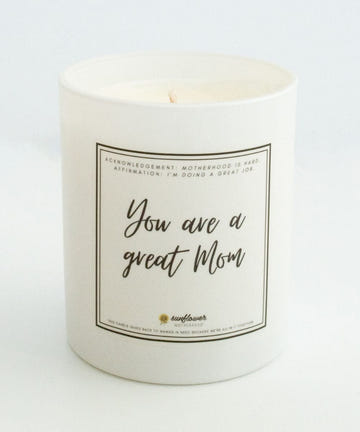
Sunflower Motherhood Great Mom Candle Lavender 9oz Soy
$24.00
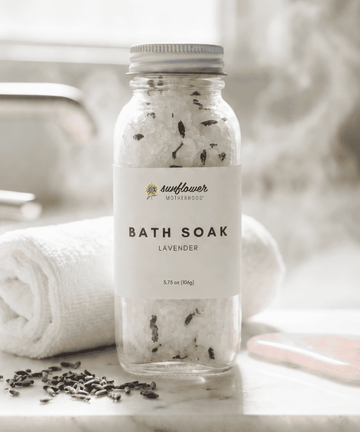
Sunflower Motherhood Bath Soak 3.75 oz Lavender Epso...
$8.00
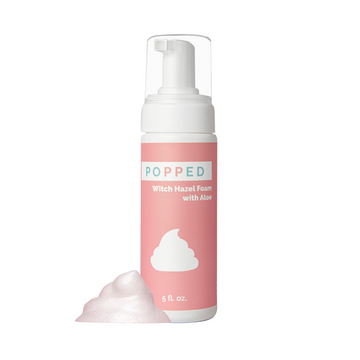
Popped Witch Hazel Foam with Aloe 5 fl oz Postpartum...
$12.99
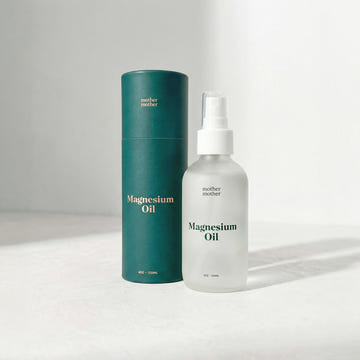
Mother Mother Magnesium Oil Spray 4 oz glass bottle
$34.00
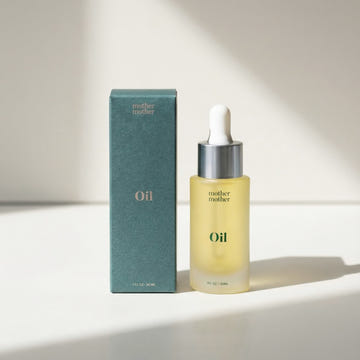
Mother Mother Face + Belly Oil 1 oz glass dropper bo...
$36.00
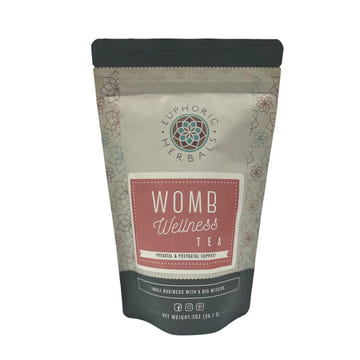
Euphoric Herbals Womb Wellness Prenatal Tea Organic ...
$24.99
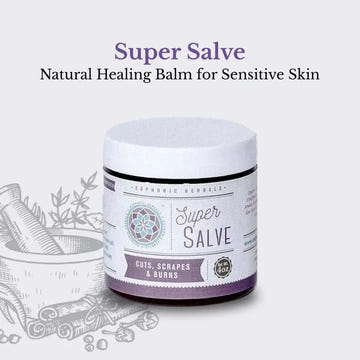
Euphoric Herbals Super Salve Nursing Salve no essent...
$10.00
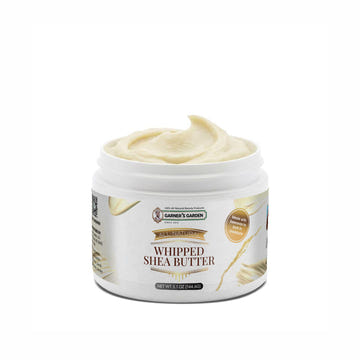
Garner's Garden Whipped Shea Butter Organic with Bee...
$18.00
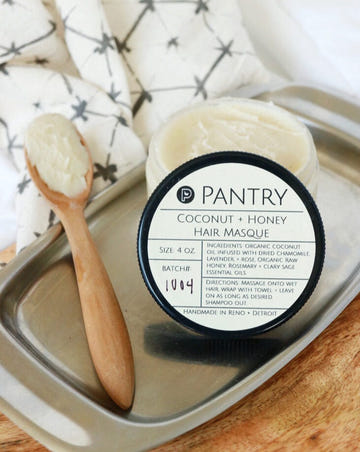
Coconut + Honey Hair Masque | Leave-In Hair Masque
$25.00
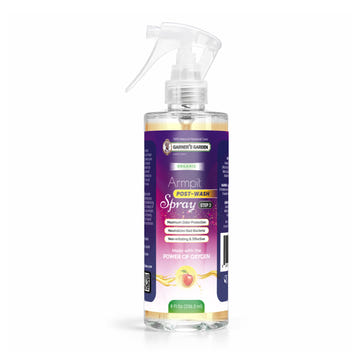
Garner's Garden Armpit Post Wash Spray Organic ACV Prep
$13.00