


Every baby develops at their own pace, but knowing what to expect month by month can help you feel confident and prepared. Here's your complete guide to baby milestones from birth to one year.
Milestones are ranges, not deadlines.
Every baby has their own timeline — and most of those timelines are perfectly normal.
You just had a baby. Or maybe your little one is a few months old and you're wondering: is this normal? Should they be doing more? Are they behind?
Take a breath. You're not alone. These questions keep millions of parents up at night (along with, well, the baby).
Here's the truth — babies develop at wildly different rates. Some roll over at 3 months. Others wait until 6. Some skip crawling entirely and go straight to walking. The best thing you can do is know what to encourage, what to watch for, and when to mention something to your pediatrician.
Newborn: 0-1 Month Milestones
Your newborn just arrived, and everything they do is brand new. These first weeks are all about adjusting to life outside the womb.

Physical
Reflexes dominate — rooting, sucking, grasping, startle reflex. Head control is minimal. Hands are mostly in fists. Brief head lifts during tummy time (a few seconds).
Free US shipping over $100
Real essentials, picked by real moms
Take 15% off at checkout, applied automatically when you shop through this link.
Shop with HAPPYSPRING →Free US shipping over $100. Code applies automatically at checkout.
Cognitive
Can see faces 8-12 inches away. Prefers high-contrast patterns. Recognizes your voice. Turns toward familiar sounds.
Social
Calms when picked up or spoken to. Prefers human faces over objects. Communicates through crying.
A good swaddle or sleep sack makes a real difference in these early weeks. Swaddling mimics the snugness of the womb and helps newborns sleep longer. If you're breastfeeding, silver nursing cups can help protect and heal sore nipples.
When to talk to your pediatrician: Baby doesn't respond to loud sounds. Doesn't focus on or follow objects with eyes. Arms/legs seem extremely stiff or floppy. Can't suck or feed effectively.
2-3 Month Milestones
This is when things start getting really fun. Your baby is waking up to the world.
Physical
Holds head up during tummy time. Smoother movements. Pushes up on forearms. Opens and shuts hands. Bears weight on legs when held standing.
Cognitive
Follows moving objects with eyes. Tracks in a full 180-degree arc by 3 months. Recognizes familiar faces at a distance. Anticipates routines.
Social
First real smiles! Social smiling begins around 6-8 weeks. Coos and gurgles. First laughs by 3 months. Imitates facial expressions.
When to talk to your pediatrician: No social smiling by 2 months. Doesn't follow moving objects. Doesn't respond to loud sounds. Can't hold head up at all during tummy time.
4-5 Month Milestones
Your baby is reaching, grabbing, and becoming seriously mobile (or at least trying).
Physical
Holds head steady without support. Reaches for toys. Brings objects to mouth. May begin to roll from tummy to back. Sits with support by 5 months. Transfers objects between hands.
Cognitive
Hand-eye coordination improving rapidly. Explores objects by shaking, banging, mouthing. Responds to their name. Understands cause and effect (drop toy, watch it fall, repeat).
Social
Laughs freely. Babbles with consonant sounds ("ba," "ma," "da"). Mirror recognition. Early stranger awareness.
Comfortable sleepsuits and pajamas become especially useful now — babies are more active during sleep and need breathable clothing that allows free movement.
When to talk to your pediatrician: Doesn't watch things as they move. Can't hold head steady. Doesn't bring things to mouth. Doesn't push down with legs on hard surface. Not rolling in either direction by 5 months.
Picks From This Story
Picks related to this guide, ready to ship from Moogco.
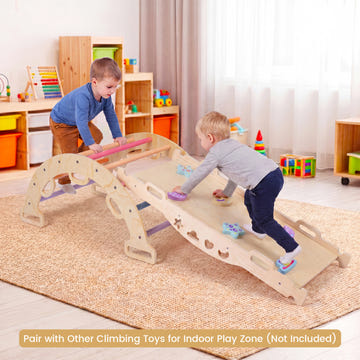
Wooden Rocking Climbing Arch with Cushion 3-in-1 Mon...
$59.99
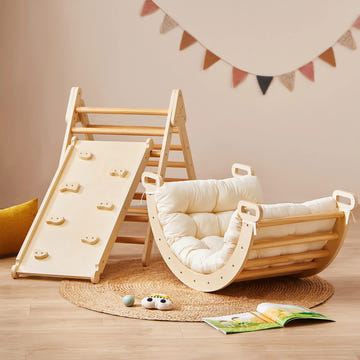
Tiny Land 7-in-1 Montessori Climbing Set with Thick ...
$199.99
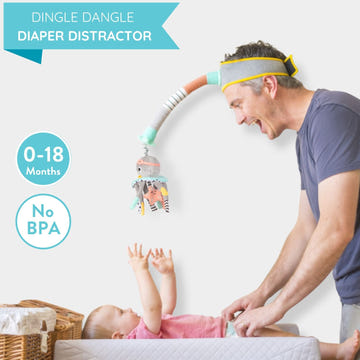
Dingle Dangle Baby Diaper Changing Distractor Head-W...
$32.99
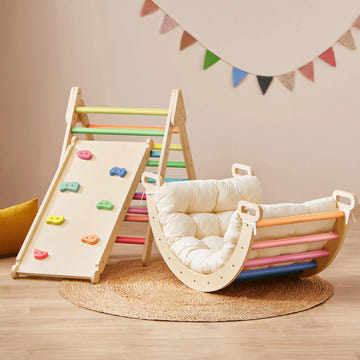
Tiny Land® 7-in-1 Rainbow Climbing Set with Thick Pl...
$199.99
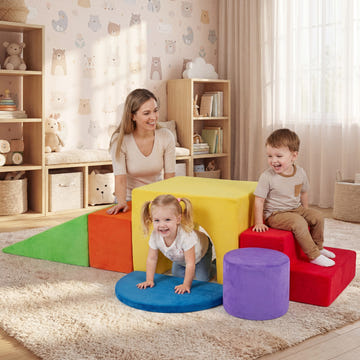
6 Pieces Foam Climbing Blocks for Kids with Slide an...
$73.99
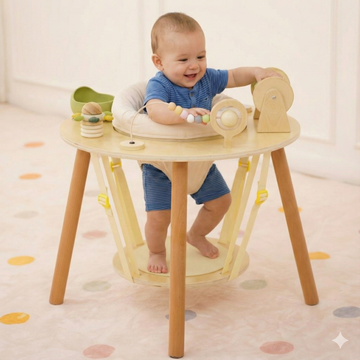
Aldar Convertible Montessori Activity Table
$199.00
6-7 Month Milestones
Six months is huge. Half a year. Your baby is likely ready for solid foods and becoming so much more independent.
Physical
Rolls both directions. Sits without support (or getting close). Rocks on hands and knees (precrawling). Army crawling may begin by 7 months. Supports full weight on legs.
Cognitive
Object permanence developing — looks for dropped toys. Understands simple words. Begins to understand "no." Finds partially hidden objects.
Social
Knows familiar vs. unfamiliar faces. Stranger anxiety and separation anxiety emerging. Responds to other people's emotions. Has toy and activity preferences.
Teething often begins around this time. Having safe, BPA-free teethers and pacifiers on hand makes a real difference during those fussy teething days and nights.
When to talk to your pediatrician: Doesn't try to reach for things. Shows no affection for caregivers. Doesn't respond to sounds. Doesn't make vowel sounds. Doesn't roll in either direction. Seems very stiff or floppy.
8-9 Month Milestones
Your baby is on the move — or very close to it. Baby-proofing is no longer optional.
Physical
Crawling (hands-and-knees, army, scooting, or unique variations). Pulls to standing. Pincer grasp developing — picks up small objects with thumb and finger. Claps hands. Cruises along furniture by 9 months.
Cognitive
Full object permanence. Understands several common words. Points at things they want. Imitates gestures (waving bye-bye). Plays with toys correctly (pushes car, stacks blocks).
Social
Separation anxiety peaks around 9 months. Has favorite toys and people. Tests boundaries. Watches your face for cues (social referencing).
When to talk to your pediatrician: Doesn't sit with support. Doesn't babble ("mama," "baba"). Doesn't play interactive games. Doesn't respond to own name. Doesn't recognize familiar people.
10-12 Month Milestones
The home stretch of baby's first year. Whether walking, cruising, or crawling, your baby has come so far!
Physical
Cruises confidently. May stand alone. May take first steps (9-18 months is normal range). Improved pincer grasp. Climbing on everything. Helps with getting dressed.
Cognitive
Says 1-3 words with meaning. Understands simple instructions ("give me the ball"). Follows directions. Begins pretend play (toy phone, feeding doll). Uses objects correctly.
Social
Waves bye-bye. Has favorite people and toys. Strong opinions about everything. Shows empathy. Hands you books when they want a story. Cooperates with dressing.
Comfortable sleepsuits that allow free movement are especially helpful now that your baby is so active, even during sleep.
When to talk to your pediatrician: Doesn't crawl at all. Can't stand with support. No single words. Doesn't point or wave. Loses skills they used to have.
Baby Milestone Chart: Quick Reference
More Related Picks
A few more favorites from the same collection.
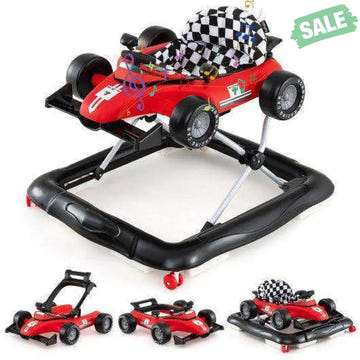
4-in-1 Baby Push Walker Activity Center Height Adjus...
$59.99
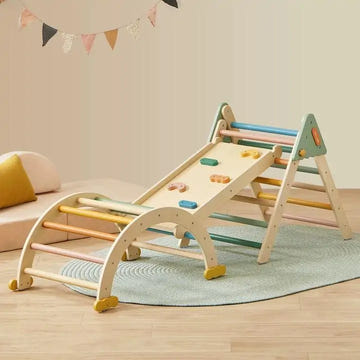
Tiny Land® 7-in-1 Morandi Pikler Triangle Set
$159.99
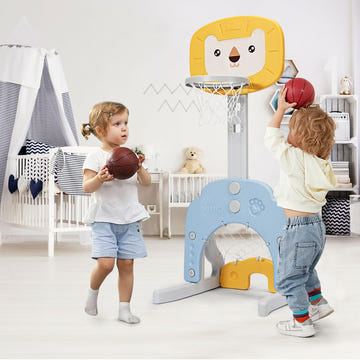
3-in-1 Adjustable Kids Basketball Hoop Sports Set - ...
$52.99
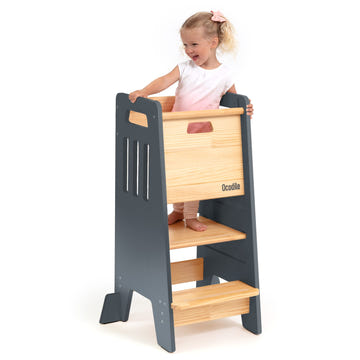
Standing Toddler Tower with Sliding Safety Door
$129.99
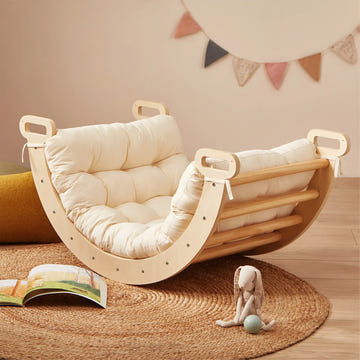
Tiny Land Thick Padded Play Cushion Arch Not Included
$74.99
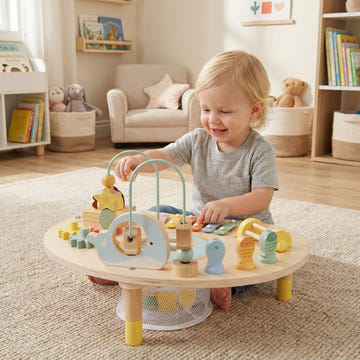
7-in-1 Toddler Activity Table Montessori Sensory Toy...
$39.99
Tips for Supporting Development
Talk & Read
Narrate your day. Name objects. Read aloud from day one. Early language exposure is the foundation for everything.
Tummy Time
Start from day one, 2-3 minutes at a time. Builds neck, shoulder, and core muscles needed for every physical milestone.
Follow Their Lead
If baby is fascinated by a tag on a toy, that IS the activity. Let them explore what interests them.
Don't Compare
Your baby's timeline is their own. Milestone ranges are averages. Perfectly healthy babies fall outside them all the time.
Frequently Asked Questions
When do babies roll over?
Most babies roll from tummy to back between 3-5 months and from back to tummy between 4-6 months. Some roll as early as 2 months. All of these timelines are normal.
When do babies sit up?
Most babies sit with support around 4-5 months and independently by 6-7 months. By 8-9 months, most sit confidently and can pivot to reach toys.
When do babies crawl?
Crawling typically begins between 7-10 months. Some babies skip crawling entirely. Others scoot, army crawl, or roll to get around. About 10-15% of babies skip traditional crawling — that's completely normal.
When do babies walk?
The typical range is 9-18 months, with most babies walking between 12-15 months. Late walking (up to 18 months) is usually completely normal.
My baby isn't hitting milestones on time. Should I worry?
Milestone ranges are averages. The time to talk to your pediatrician is when multiple milestones are significantly delayed or when your baby loses skills they previously had. Trust your instincts — you know your baby best.
Is it normal for babies to skip crawling?
Yes, completely normal. About 10-15% of babies skip traditional crawling. They might scoot, army crawl, roll, or go straight to pulling up and cruising.
Does tummy time really matter?
Yes. Tummy time builds the neck, shoulder, arm, and core strength babies need for every physical milestone — rolling, sitting, crawling, and walking. Start from day one.
The Bottom Line
Your baby will amaze you every day for this entire first year. From those first reflexive grasps to their first wobbly steps, every milestone is worth celebrating.
- Milestones are ranges, not deadlines
- Every baby is different — comparing creates unnecessary stress
- Your instincts matter — if something feels off, ask your doctor
- The best thing you can do is be present, responsive, and loving
You're already giving your baby everything they need just by caring enough to read this.
Backed by 200,000+ cups sold since 2020 — moogcobaby.com
Everything you need for baby's first year. Tested for safety. Chosen by real parents.
Related Guides
- Baby Sleep Schedule by Age: Complete Guide 0-12 Months
- Sleep Training Your Baby: 4 Proven Methods That Actually Work
- Starting Solids: Read This Before You Buy Anything
- Understanding TOG Ratings: Complete Guide to Dressing Your Baby for Sleep
- How to Choose the Right Pacifier: Complete Guide
Drop BABY in the comments for $10 off orders over $100!
Bring this guide home with 15% off.
Use code HAPPYSPRING for 15% off →
Featured pick from Moogco
The Original Silver Nursing Cups with Silicone Pads
$62.90 $74.90
Shop this pick → Frequently Asked Questions
When do babies start babbling?
Most babies begin babbling with consonant sounds like ba, ma, and da between 4 and 6 months. By 6-9 months, babbling becomes more complex with varied sounds and tones. If your baby isn't making vowel sounds by 6 months or babbling by 9 months, mention it to your pediatrician.
What is the pincer grasp and when should my baby develop it?
The pincer grasp is when babies pick up small objects using their thumb and forefinger. This skill typically develops between 8 and 10 months and is a sign of improving fine motor control. It allows babies to self-feed small pieces of food and explore tiny objects more precisely.
When does separation anxiety start in babies?
Separation anxiety typically emerges around 6-7 months and often peaks around 9 months. This is actually a sign of healthy attachment and cognitive development, as your baby now understands object permanence and knows you exist even when you're not visible. It usually improves by 18-24 months as your child gains independence.
How long should tummy time be for a newborn?
Start with 2-3 minutes of tummy time, 2-3 times per day for newborns. Gradually increase the duration as your baby gets stronger and more comfortable. By 3-4 months, aim for a total of 20-30 minutes spread throughout the day. Tummy time builds essential muscles for rolling, sitting, crawling, and other physical milestones.
When do babies start responding to their name?
Most babies begin responding to their name between 5 and 7 months. They might turn their head, make eye contact, or pause what they're doing when called. If your baby doesn't respond to their name by 9 months, mention it to your pediatrician as early intervention can be helpful.
Is it normal for babies to skip crawling?
Yes, it's completely normal for some babies to skip crawling entirely. They might scoot on their bottom, army crawl, or go straight from sitting to cruising and walking. As long as your baby is moving and exploring their environment in some way, the method doesn't matter. All paths to mobility are valid.
When should I start reading to my baby?
You can start reading to your baby from day one. Newborns benefit from hearing your voice and the rhythm of language, even if they don't understand the words. By 4-6 months, babies begin enjoying bright pictures and simple board books. Early and frequent reading builds language skills, bonding, and a lifelong love of books.
What is object permanence and when does it develop?
Object permanence is understanding that objects and people continue to exist even when out of sight. This cognitive milestone typically develops between 6 and 8 months. You'll notice it when your baby starts looking for dropped toys or searching for you when you leave the room. It's closely linked to separation anxiety, which emerges around the same time.
From Moogco Studio
Printable and personalized nursery essentials. Designed by moms for moms.


About the Editor
Eda Ulger is the editor at Moogco Baby and a mom of two. She curates and edits our guides so every piece is honest, practical, and genuinely helpful for the early days of motherhood.
Shop This Story
Picks related to this guide, ready to ship from Moogco.
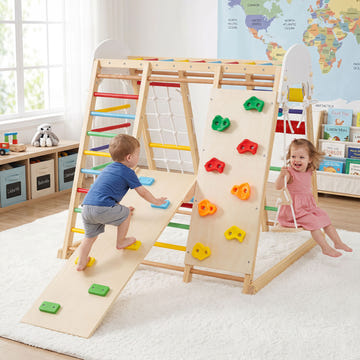
8-in-1 Foldable Indoor Jungle Gym for Kids with Swin...
$169.99
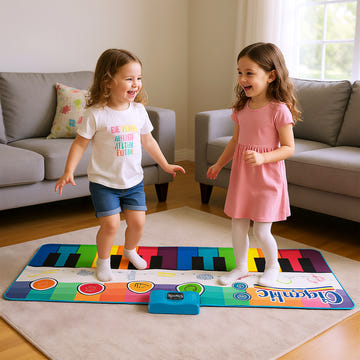
Floor Piano Dance Mat for Kids Musical Playmat with ...
$49.99
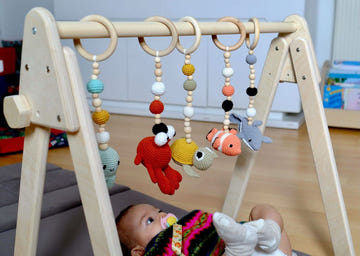
Kidodido Baby Play Gym Wooden Montessori Foldable wi...
$76.97
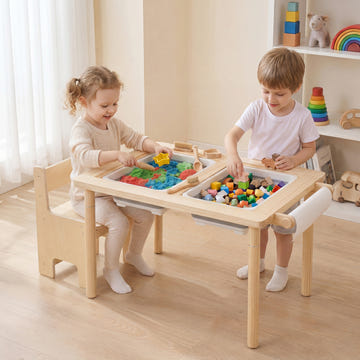
Kids Sensory Table Set with Adjustable Height and 2 ...
$79.99
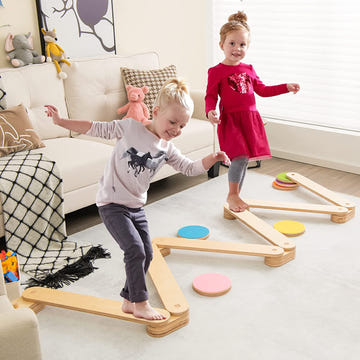
12-Piece Kids Wooden Balance Beam with Colorful Stee...
$47.99
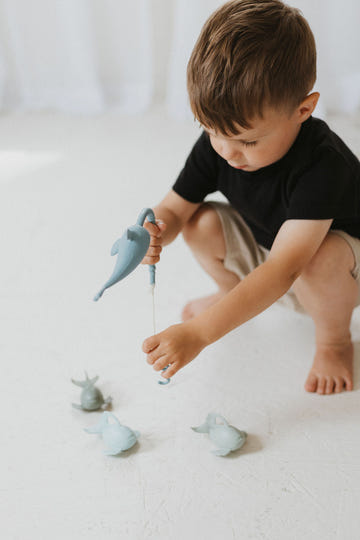
ShopMyLittleSongbird Silicone Fishing Set 3 Fish 1 N...
$15.99
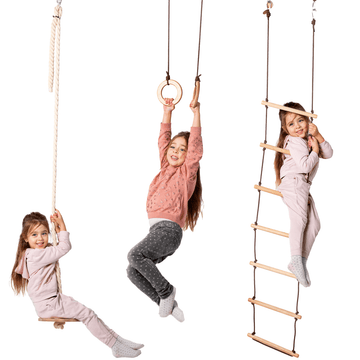
Goodevas 3in1 Swing Climbing Set Rope Ladder Gym Rin...
$79.00
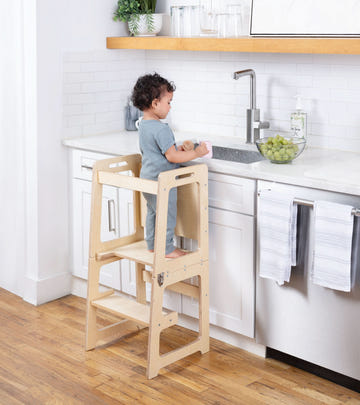
Avenlur 4-in-1 Convertible Toddler Kitchen Tower Des...
$119.00
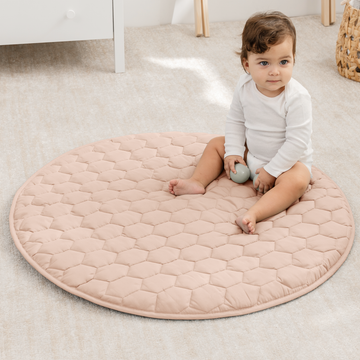
Comfy Cubs Play Mat with Non-Slip Bottom Blush round...
$34.99
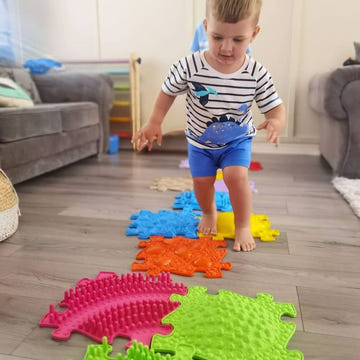
Rainbow Sensory Playmat Set
$104.95