


What is the best breast pump for working moms?
Short answer: For pumping at work, the deciding factors are noise, how fast you can clean the parts, and whether you can pump hands-free at a desk. Wearable in-bra pumps win on discretion but give lower output; a double electric pump is faster and stronger if you have a private room.
- Wearable in-bra: quietest and discreet, lower output per session
- Double electric: strongest and fastest, needs a private space
- Count the parts, fewer pieces means less washing between sessions
- Buy a second set of parts so you are not washing at the office
- Most US insurance plans cover one pump per pregnancy
The best breast pump for working moms really boils down to your specific job. For many, a powerhouse double electric pump like the Spectra S1 is a lifesaver for efficient pumping in an office, while a super-discreet wearable like the Elvie Stride is a game-changer for moms who are constantly moving. The goal is to find that perfect blend of power, portability, and subtlety that fits right into your workday.
Choosing The Right Breast Pump For Work
First off, welcome back to your career, mama! Juggling work and breastfeeding is no small feat, and having the right breast pump in your corner makes all the difference. This guide isn't just about listing features; it's about figuring out how a pump will actually fit into your day, whether you're squeezing in a session between meetings, pumping on your commute, or using your lunch break to get it done.

Finding the right pump is all about matching its strengths to your professional life. You definitely need something powerful and efficient to keep your milk supply up, especially when you're away from your baby for 8+ hours. But little things like how loud it is, how long it takes to set up, and how easy it is to carry can make or break your pumping experience. A teacher with short, predictable breaks has very different needs than a consultant who’s always on the road.
Top-rated pumps + accessories
Pumping made simpler
Take 25% off at checkout, applied automatically when you shop through this link.
Shop with READER25 →Free US shipping over $100. Code applies automatically at checkout.
Quick Look Best Pumps For Different Work Scenarios
To help you get started, let's break down which pump types work best for common job situations. This little cheat sheet can help you narrow down your options right away.
| Pump Type | Ideal Work Environment | Key Benefit for Working Moms |
|---|---|---|
| Double Electric Pump | Office with a private lactation room; work-from-home setups. | Maximum Efficiency: Empties both breasts quickly, crucial for short breaks. |
| Wearable Pump | Open-plan offices, client-facing roles, or jobs requiring movement. | Ultimate Discretion: Fits in your bra for quiet, hands-free pumping. |
| Portable Electric Pump | Hybrid schedules, commutes, or jobs without a dedicated outlet. | On-the-Go Power: Offers strong suction with a rechargeable battery. |
| Manual Pump | Occasional travel, backup pump for the office, or for quick relief. | Simplicity & Control: Lightweight, silent, and easy to use anywhere. |
Ultimately, the best pump for you is the one that supports your goals without adding more stress to your plate. Thinking through these categories is the first step toward finding a pump that feels less like a chore and more like a reliable sidekick. And remember, pairing your pump with the right accessories can make a huge impact on your comfort and output; check out some of the best lactation products to round out your pumping toolkit.

Picks From This Story
Picks related to this guide, ready to ship from Moogco.

Healthy Horizons Elvie Stride Diaphragms 2 Pack
$21.99
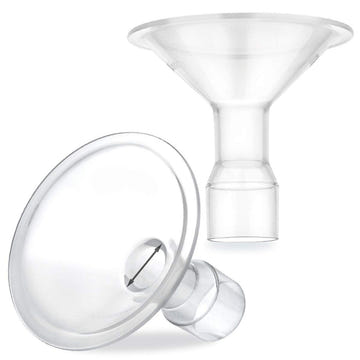
Bae & Bee Boutique Maymom Narrow Neck Flange compati...
$15.00
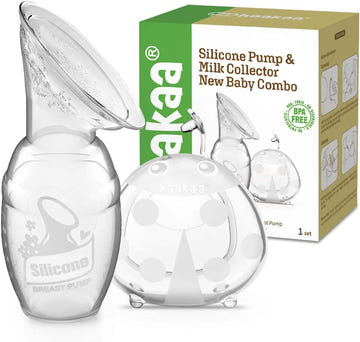
Haakaa Silicone Pump and Ladybug Milk Collector Comb...
$30.32
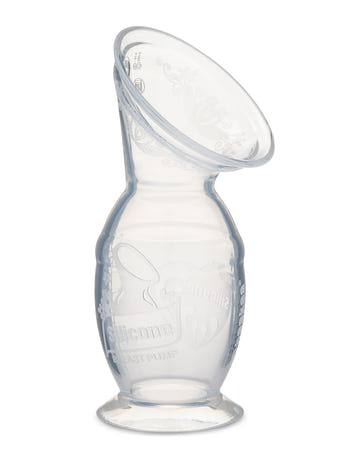
Haakaa Generation 2 Silicone Breast Pump 5 oz Suctio...
$20.99
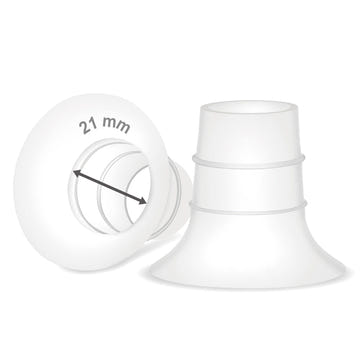
Bae & Bee Boutique Maymom Silicone Medela Flange Ins...
$6.00
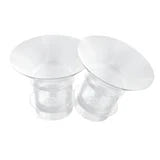
Bae & Bee Boutique Silicone Flange Inserts 10-21mm
$16.00
Navigating the Different Types of Breast Pumps
Choosing the best breast pump for working moms really begins with getting to know the basic types out there. The market can feel a little overwhelming at first, but your options really come down to four main categories. Each one is built with a different kind of work-life situation in mind, so understanding them is the key to picking a pump that actually fits into your day.
This isn’t just about fancy features, it's about matching the pump’s core design to your real-life routine. Sure, we’ve seen amazing tech advancements like quiet motors and smart-app tracking. In fact, electric pumps now dominate the market, making up over 50% of global sales simply because they’re so efficient for busy parents. But the best tech in the world won’t help if it doesn’t work for you.
The Workhorse: Double Electric Pumps
For most moms heading back to the office, the double electric pump is the undisputed champion. It’s designed to express milk from both breasts at the same time, which is a lifesaver when you’re trying to squeeze in a session during a 20-minute break.
Think of these as the reliable desktop computers of the pump world, they’re powerful, consistent, and built to handle the heavy lifting of a full workday away from your baby. Their strong motors provide the consistent suction you need to establish and maintain your milk supply long-term. This makes them the perfect choice if you have a predictable schedule and access to a private space, like a dedicated lactation room.
The Flexible Friend: Single Electric Pumps
A single electric pump operates just like a double, but it only works on one breast at a time. While this makes it less efficient for a primary work pump, it offers a fantastic balance of portability and power for certain scenarios.
It’s a great option if you have a hybrid schedule and don’t want to lug your main pump back and forth. Because they’re often more compact and a bit cheaper, they also make for an excellent secondary pump to keep at the office for those just-in-case moments.
The Game-Changer: Wearable Pumps
Wearable breast pumps are a true game-changer for moms who need total discretion and the freedom to move. These small, all-in-one units tuck right into your bra, letting you pump quietly and hands-free while you're typing at your desk, on a conference call, or even during your commute.
Wearable pumps are all about subtlety and mobility. They’re an incredible solution for moms in open-concept offices, client-facing jobs, or any role where you can’t be tied to an outlet for 20 minutes. Just keep in mind they’re often best as a convenient, secondary pump rather than the primary workhorse for building a full supply.
The Must-Have Backup: Manual Pumps
Never, ever underestimate the power of a simple manual pump. This lightweight, silent, and electricity-free little gadget is an absolute essential for your pumping toolkit. No working mom should be without one.
It’s not practical for replacing all your daily electric pumping sessions, but a manual pump is a lifesaver for:
- Business travel: It’s so easy to pack and can be used anywhere, from a hotel room to an airplane bathroom.
- Unexpected delays: If a meeting runs long, you can find a restroom and quickly relieve pressure in minutes.
- The office emergency: It’s the perfect backup to stash in your desk drawer in case you forget a part for your main pump.
Getting a handle on these categories is the best first step you can take. As you get ready to head back to work, take a look at our complete guide to breastfeeding must-haves to make sure your bag is packed with everything you’ll need.
Comparing Pumps in a Modern Work Environment

Let’s be honest: choosing the best breast pump for working moms isn't about what looks good on a box. It’s about picturing yourself on a Tuesday afternoon, wedged between a conference call and a looming deadline, trying to make it all work. Your daily grind, whether it's back-to-back meetings, a shared office, or a job that has you running around, is what really determines whether a pump will be your best friend or your biggest headache.
It's no surprise that the global breast pump market has exploded. Electric pumps now make up nearly 49% of the market, a number that speaks volumes about the needs of moms juggling careers and breastfeeding. The technology has evolved because our lives demanded it.
So, instead of a dry list of pros and cons, let's talk about how these pumps actually perform under pressure. We'll get into the nitty-gritty of setup time, noise levels, and true portability to help you find the perfect fit for your workday.
The Powerhouse: Double Electric Pumps
The traditional double electric pump is the undisputed workhorse for a reason: it's designed to get the most milk out in the least amount of time. If you have a private, dedicated space, like a proper lactation room or your own office, this is often the go-to choice.
Picture yourself as a teacher with a strict 25-minute lunch break. That’s your one guaranteed window to pump. A powerful double electric pump is a lifesaver here. You can set it up, express from both sides to maximize your output, and have everything packed away before the bell rings. That strong, consistent suction is a non-negotiable for protecting your milk supply when you’re away from your baby all day.
Key Differentiator: Unmatched Efficiency
A double electric pump's superpower is its ability to efficiently empty both breasts in a single session, often in just 15-20 minutes. For moms on a tight and predictable schedule, this kind of efficiency is what keeps your supply going strong.
But all that power has its trade-offs. These pumps are bulkier and come with a tangle of tubes, bottles, and flanges. They typically need an outlet or a hefty battery pack, and they're not exactly subtle. They're built for business, not for multitasking during a commute or pumping at your desk in an open-plan office.
The Game-Changer: Wearable Pumps
Wearable pumps completely changed the pumping landscape, offering a level of freedom and discretion we used to only dream about. These little all-in-one pods tuck right into your bra, letting you pump hands-free with virtually no noise.
Now, imagine you're a designer in a busy, open-concept studio. Ducking out for 20 minutes every few hours just isn’t in the cards. A wearable pump lets you pump right at your desk while you work, and chances are, no one will even know. You can keep designing, reply to emails, or even sit in on a casual team meeting while it does its thing. For consultants, real estate agents, or anyone who spends half their day in the car, wearables turn that commute into productive pumping time.
This kind of freedom is everything. It helps you stick to a consistent pumping schedule, which is crucial for your supply, without bringing your entire workday to a screeching halt.
Workplace Feature Showdown: Wearable vs. Double Electric Pumps
To make the choice crystal clear, let's put these two pump types head-to-head, focusing on what truly matters in a professional setting.
Here’s a direct comparison of the most popular pump types for working moms, focusing on features that matter most in a professional setting.
| Feature | Wearable Pump (e.g., Moogco Wearable S1) | Double Electric Pump (e.g., Moogco ProFlow Max) | Best For... |
|---|---|---|---|
| Discretion & Noise | Excellent. Fits in-bra with nearly silent operation for pumping at a desk. | Fair. Motor noise is noticeable and requires a private room for comfort. | Moms in open offices or client-facing roles. |
| Portability & Setup | Excellent. All-in-one design with no tubes or external parts. Simple to use. | Good. More parts to assemble and carry, usually needing a dedicated pump bag. | Moms who are frequently on the move or commuting. |
| Efficiency & Power | Good. Effective for most, but may not empty breasts as powerfully. | Excellent. Hospital-strength suction is ideal for maintaining a robust supply. | Moms focused on maximizing milk output on short breaks. |
| Hands-Free Use | True Hands-Free. Total freedom to move, type, drive, and multitask. | Limited Hands-Free. Needs a special pumping bra; tubes restrict movement. | Professionals who need their hands to work. |
| Cleaning | Fair. More small, intricate parts to wash, which can be tricky at the office. | Good. Fewer parts and generally more straightforward to wash and sterilize. | Moms who need a quick and easy cleaning process at work. |
So, which pump wins? The truth is, it depends entirely on your day-to-day reality.
Making the Right Choice for Your Role
The best breast pump for a working mom isn't about which one is "better," but which one is better for you. In fact, many moms find a hybrid approach is the real secret to success. You might use a powerful double electric pump for your main sessions at work and keep a wearable pump handy for your commute, for squeezing in an extra session, or for those days when you just can't get away to the lactation room.
Ultimately, your pump should make your life easier, not add another layer of stress. By thinking through these real-world scenarios, you can pick a partner that truly supports your breastfeeding goals and fits right into your professional life. For more tips, check out our guide on adapting the workplace for breastfeeding mothers to help create a more supportive environment.
Which Breast Pump Fits Your Career?
Okay, let's get real. The spec sheets and feature lists are one thing, but the best breast pump for a working mom is the one that actually fits into your specific workday. A pump that’s a dream for a teacher with scheduled breaks could be a total nightmare for a consultant constantly on the move.
So, let's put the technical jargon aside and look at how this plays out in the real world. I find the easiest way to figure this out is to see yourself in someone else's shoes. We'll walk through a day in the life of three different professionals to see how their jobs shape their pumping needs. You'll probably find your own routine reflected in one of them.
The Power Pumper: Sarah the Lawyer
First up, meet Sarah. She's a litigation attorney, and her schedule is intense. Her days are a blur of client meetings, court appearances, and late-night case prep. When she gets a chance to pump, it's a frantic, non-negotiable window, often just 15-20 minutes squeezed between depositions.
For Sarah, it’s all about efficiency. She needs to get the most milk in the least amount of time, period. Her firm has a designated mother’s room, so she isn't too worried about discretion or portability.
- Her Big Challenge: Her breaks are incredibly short and totally unpredictable.
- Her Must-Have: Powerful, hospital-grade suction to keep her milk supply up.
- Her Perfect Match: A high-performance double electric pump. This machine is the workhorse of the pump world. It’s built for speed and power, letting her empty both breasts quickly and effectively. Its strong motor is crucial for maintaining her supply through a high-stress job.
The double electric pump is the undisputed champion for any mom whose biggest enemy is the clock. If your day is a series of short, intense sprints, you need a pump that can match that pace.
The Discreet Multitasker: Maria the Designer
Next, there's Maria, a graphic designer in a cool but very open-plan office. While her company is supportive, the lack of private offices makes finding a truly secluded spot to pump tricky. She needs a way to pump at her desk without making a big announcement to the whole floor.
Maria’s priorities are discretion and hands-free operation. She has to be able to keep working, replying to team messages or tweaking a design, while she pumps. A loud motor or a mess of tubes would completely derail her focus.
- Her Big Challenge: Pumping in an open-concept office with very little privacy.
- Her Must-Have: A pump that's whisper-quiet with a super low-profile design.
- Her Perfect Match: A wearable breast pump. These brilliant little devices slip right into her bra, are practically silent, and have zero external tubes or wires to give them away. Maria can pump during a Zoom meeting or while finishing a project, and her coworkers won't have a clue.
This kind of freedom helps Maria stick to her pumping schedule without tanking her productivity or feeling awkward. For more great ideas on making it all work, check out our guide on balancing work and motherhood.
The Road Warrior: Chloe the Sales Consultant
Finally, let’s talk about Chloe. She’s a regional sales consultant whose office is basically her car. Her days are spent driving from one client to the next, and she often stays overnight in hotels. Consistent access to a power outlet or a private room is a luxury she just doesn't have.
For Chloe, it's all about portability and convenience. Her pump has to have a long-lasting battery, be a breeze to set up in her passenger seat, and have parts that are easy to wash in a hotel sink. Anything bulky or complicated is an immediate deal-breaker.
- Her Big Challenge: Constantly traveling with no reliable or predictable place to pump.
- Her Must-Have: A compact design with a rock-solid rechargeable battery.
- Her Perfect Match: A portable electric pump. These pumps are a fantastic middle ground, offering a good bit of the power you get from a traditional double electric with the incredible freedom of a wearable. It's small enough to toss in her work bag but strong enough to protect her supply, no matter where her job takes her.
Seeing these different scenarios, you can probably start to picture your own workday. Are you a Sarah, a Maria, or a Chloe? Maybe you're a mix of two. Nailing down your biggest daily challenge is the first and most important step to finding the pump that will feel like a true partner in your working-mom journey.
More Related Picks
A few more favorites from the same collection.
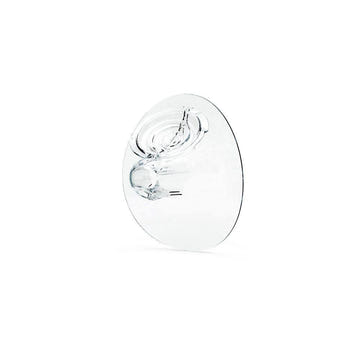
Healthy Horizons Elvie Pump Breast Shields 2 Pack 21...
$29.99
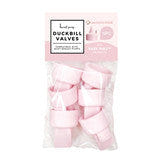
Bae & Bee Boutique Duckbill Valve Pink Replacement F...
$14.00
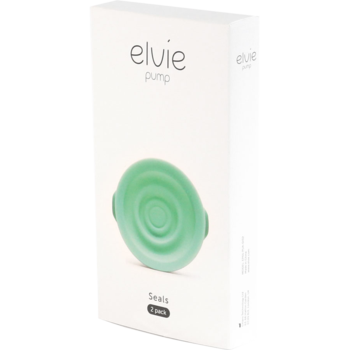
Healthy Horizons Elvie Pump Seals 2 Pack Spare Diaph...
$16.99
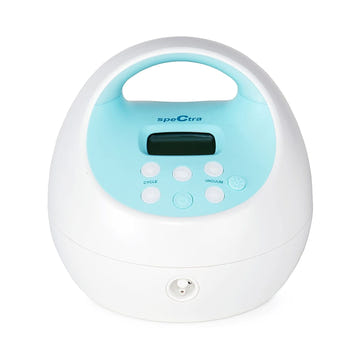
LL Medico Spectra S1 Plus Rechargeable Double Electr...
$216.00
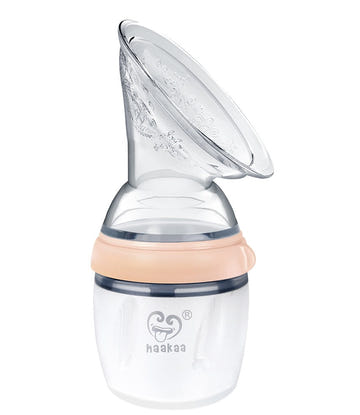
Haakaa Silicone Breast Pump Generation 3 160ml 250ml
$28.99
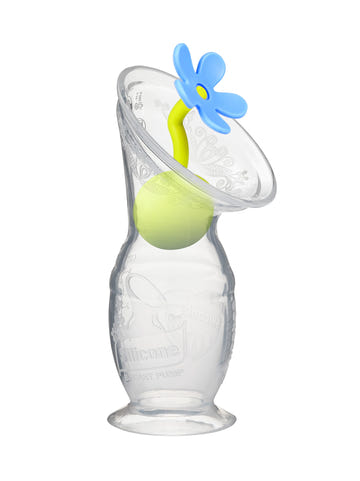
Haakaa Gen 2 Silicone Breast Pump 4 oz with Suction ...
$26.99
Creating a Successful Pumping Routine at Work
Okay, you’ve picked out the perfect pump. That's a huge step! But the real game-changer for working moms is building a routine that actually fits into your day without causing a total meltdown. Think of this as your roadmap for setting up a sustainable schedule, keeping your milk supply strong, and handling all the little details of pumping at the office.
The number one rule? Consistency. It’s everything when it comes to protecting your milk supply. Try to pump every 2-3 hours while you're away from your baby, which closely mimics how often they would typically nurse. Go ahead and block these times off in your work calendar as non-negotiable appointments, because they are!
Establishing Your Pumping Schedule
Before your first day back, do a few practice runs with your pump at home. Getting the hang of the settings and figuring out how long you need to pump before you're in a shared lactation room will save you a lot of stress. For most women, a 15-20 minute session does the trick. If you want to dive deeper into the timing, we've got a whole guide on how long you should pump for optimal results.
A great little hack is to start pumping about 30-60 minutes after your baby's first feeding in the morning. This is a fantastic way to start building a small freezer stash and just get your body used to the pump.
Once you’re at work, a predictable schedule is your best friend. Something like this often works well:
- Mid-morning: Around 10:00 AM
- Lunchtime: Around 12:30 PM
- Mid-afternoon: Around 3:00 PM
Sticking to a schedule like this helps empty your breasts regularly, which is the signal your body needs to keep making more milk.
Maximizing Milk Output and Handling Logistics
Let's be real: pumping in a sterile office room isn't exactly the most relaxing experience, and stress can mess with your letdown reflex. A simple trick that works wonders is to look at photos or videos of your baby on your phone. It helps trigger those warm, fuzzy feelings that get the milk flowing. Also, don't forget the basics, chugging water and having healthy snacks nearby are crucial for keeping both your energy and your supply up.
Key Insight: There’s a reason so many moms invest in a top-tier pump for work. The hospital-grade pump segment actually makes up over 60% of the global market revenue, because moms who pump frequently need something powerful and reliable. These machines provide the efficiency you need to maintain your supply while juggling a career.
Figuring out how to store and transport your liquid gold is the final piece of the puzzle. Use storage bags or bottles that are clearly labeled with the date. You can store them in a shared office fridge or, for more privacy and convenience, a dedicated cooler bag with ice packs. A quality cooler will keep your milk safe for up to 24 hours, giving you plenty of wiggle room for your commute home.
This decision tree can help you visualize which pump type might best support your work routine.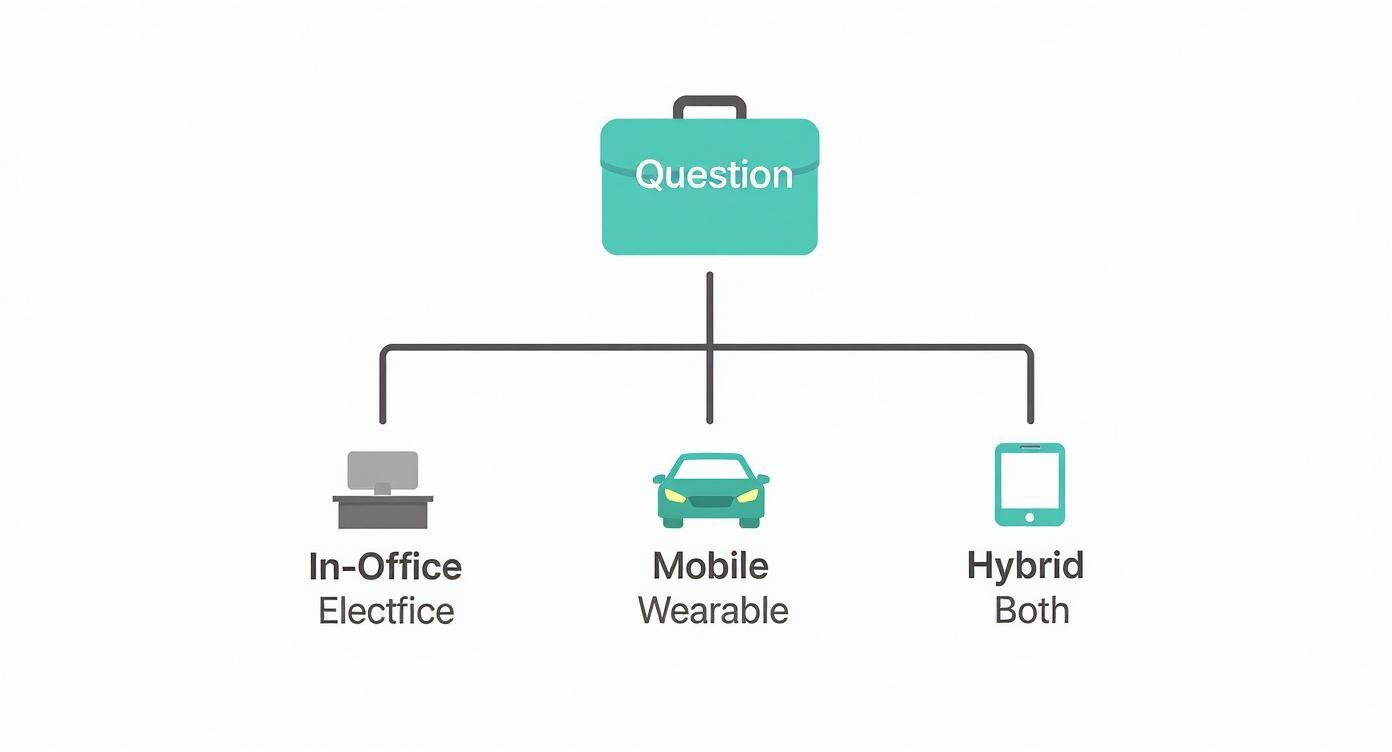
As you can see, where you spend most of your workday, whether that’s in a traditional office, on the go, or a hybrid setup, is really the biggest factor when deciding between a standard electric or a wearable pump.
Of course! Here is the rewritten section with a more natural, human-written tone, as if from an experienced expert.
Your Pumping at Work Questions Answered
Heading back to work while breastfeeding can feel like you're trying to solve a giant puzzle. How will you pump? Where will you store the milk? How do you keep everything clean? It's totally normal for your head to be swimming with questions.
Don't worry, we've got you. We’ve pulled together the most common questions we hear from working moms and answered them with practical, straightforward advice. Think of this as your personal cheat sheet for making pumping at work a total success.
How Do I Get a Breast Pump Through My Insurance?
This is usually the first question on everyone's mind! Navigating insurance can feel like a headache, but there's some really good news here. Thanks to the Affordable Care Act (ACA), most U.S. health plans are required to cover the cost of a breast pump. This is a game-changer for so many families.
Your first move is to call the member services number on the back of your insurance card. You'll want to ask them specifically about your benefits for "durable medical equipment" (DME) for breastfeeding.
They'll give you the must-know details, like:
- Which pumps are covered: They usually have a specific list of approved models.
- Where to get it: You’ll likely need to order from one of their approved suppliers.
- If you need a prescription: Ask if your doctor needs to write a script for the pump.
To make things even easier, many pump brands and suppliers, including us at Moogco Baby, have tools on their websites where you can check your eligibility in minutes. These services often handle the paperwork for you, making the whole process way less stressful.
How Can I Maintain My Milk Supply When I Go Back to Work?
Okay, this is the big one. Keeping your milk supply up is probably your top concern, and for good reason. The secret really comes down to two things: consistency and efficiency.
The idea is to mimic your baby's nursing schedule as closely as possible. For most moms, that means pumping every 2-3 hours during the workday. Sticking to that routine sends a clear signal to your body to keep the milk flowing.
Pro Tip: Try your absolute best not to skip a pumping session, even when your day gets chaotic. A missed session can tell your body that less milk is needed, which can cause a dip over time. Consistency is your best friend here.
A good double electric pump is your most powerful tool, since it empties both breasts efficiently and saves a ton of time. But the little things matter, too. Keep a big water bottle on your desk, have some healthy snacks ready to go, and try to take a few deep breaths before you start pumping. Looking at photos or a short video of your little one can work wonders for helping with letdown. And if you notice a dip, you can try "power pumping" for an hour in the evening to give your supply a little boost.
What Are My Legal Rights for Pumping at Work?
Knowing your rights is so empowering! In the U.S., the PUMP for Nursing Mothers Act gives most employees federal protection for pumping at work.
Under this law, your employer has to provide two key things for up to one year after your baby is born:
- Reasonable Break Time: You get the time you need to pump. While this time can be unpaid, if you use your regular paid break time to pump, you must be paid for it.
- A Private Space: They must provide a private spot to pump that is not a bathroom. The space needs to have a door that locks, be shielded from view, and be free from any interruptions.
My best advice? Chat with your manager or HR before your maternity leave ends. It’s a great way to get on the same page and set up a plan that makes your transition back to the office feel smooth and supported from day one.
What Is the Best Way to Clean Pump Parts at the Office?
Keeping your pump parts squeaky clean is essential for your baby’s health, but who has time for a deep-clean in the office breakroom? Luckily, there are a few genius hacks that make it totally manageable.
If you’re lucky enough to have a mother’s room with its own sink, you can just wash your parts with hot, soapy water after each session and let them air dry on a clean paper towel.
But for many of us, that's not realistic. Here are some other great options:
- Quick-Clean Wipes: These are a lifesaver. Specially designed wipes let you clean your parts right at your desk without needing a sink.
- The Fridge Hack: This is a fan favorite! Just pop your used pump parts into a sealed bag (a reusable wet bag or a big Ziploc works perfectly) and store them in the fridge between sessions. They’ll stay safe to use all day, and you can just do one thorough wash at home that night.
- Bring an Extra Set: To avoid office washing entirely, just bring a clean set of pump parts for each session. Toss the used ones in a bag and deal with them when you get home.
No matter which method you choose, always check the manufacturer’s instructions for your specific pump to keep everything hygienic and working properly.
Here at Moogco Baby, we've been there, and we get it. We’ve curated a collection of top-rated breast pumps and must-have nursing accessories to support you on your journey as a working mom. Find your perfect pumping partner today at Moogco Baby.
Bring this guide home with 25% off.
Use code READER25 for 25% off →
Frequently Asked Questions
How often should I pump at work to keep up my milk supply?
Most lactation consultants recommend pumping every 2 to 3 hours during your workday, which typically means 2 to 3 sessions during an 8-hour shift. This mimics your baby's natural feeding schedule and signals your body to keep producing milk. If you notice your supply dipping, try adding an extra session or pumping for a few minutes longer each time.
Can I use a wearable pump as my only work pump?
While wearable pumps are incredibly convenient, many moms find they work best as a secondary option or for occasional use rather than as their sole pump. They often have less powerful suction than traditional double electrics, which can make it harder to fully empty your breasts and maintain a robust supply over time. Consider pairing a wearable with a stronger pump for your main sessions, using the wearable for quick top-ups or especially busy days.
What should I look for in a pumping bra for work?
A good pumping bra should be comfortable enough to wear all day, offer easy access for quick setup, and provide secure hands-free support so you can multitask during your session. Look for adjustable sizing to accommodate fluctuations in breast fullness throughout the day. Many working moms keep a dedicated pumping bra at the office to make the transition even smoother.
How do I store breast milk safely at work if there is no fridge?
A small insulated cooler bag with ice packs is your best friend if you do not have access to a workplace refrigerator. Freshly pumped milk can safely stay in a well-iced cooler for up to 24 hours, giving you plenty of time to get it home. Just make sure to transfer it to your home fridge or freezer as soon as you arrive, and refresh those ice packs daily.
Is it normal for my pump output to be lower at work than at home?
Absolutely, and you are not alone in this. Stress, distraction, and being away from your baby can all impact your letdown reflex and reduce the amount you pump in a session. Try looking at photos or videos of your baby, using relaxation techniques, or even smelling a piece of their clothing to help stimulate your milk flow. Consistency and a calm environment make a big difference over time.
Do I need to buy separate pump parts for work and home?
Having a duplicate set of pump parts can be a total game-changer for busy working moms. It eliminates the stress of forgetting a crucial piece at home and means you always have a clean set ready to go. Plus, it cuts down on the daily washing and packing routine, giving you one less thing to worry about in your already packed schedule.
How long does a typical work pumping session take?
Most moms spend about 15 to 20 minutes actively pumping, plus another 5 to 10 minutes for setup and cleanup. If you are using a double electric pump, you can usually finish faster than with a single or manual pump. Building in a 30-minute window for each session gives you a comfortable buffer, especially when you are first getting back into the routine.
What is the best way to warm up before a pumping session at work?
A quick warm compress on your breasts for a few minutes before you start can really help encourage letdown and improve your flow. Some moms use a warm, damp washcloth or even microwaveable breast therapy packs. Gentle breast massage and hand expression for 30 seconds before attaching the flanges can also make a noticeable difference in how much milk you collect.
From Moogco Studio
Printable and personalized nursery essentials. Designed by moms for moms.


About the Editor
Eda Ulger is the editor at Moogco Baby and a mom of two. She curates and edits our guides so every piece is honest, practical, and genuinely helpful for the early days of motherhood.
Shop This Story
Picks related to this guide, ready to ship from Moogco.
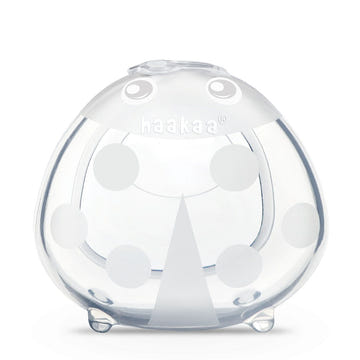
Haakaa Ladybug Silicone Milk Collector 2.5 oz 75 ml
$17.99
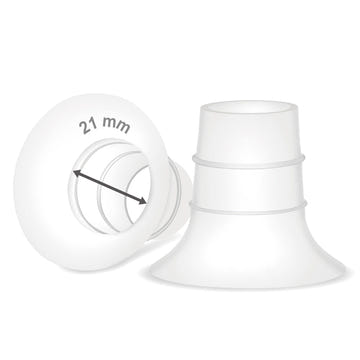
Bae & Bee Boutique Maymom Elvie Flange Inserts Semi-...
$6.00
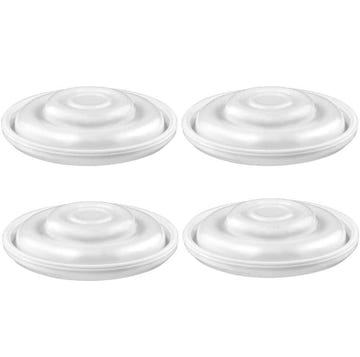
Bae & Bee Boutique 4pc Maymom Silicone Membrane for ...
$10.00
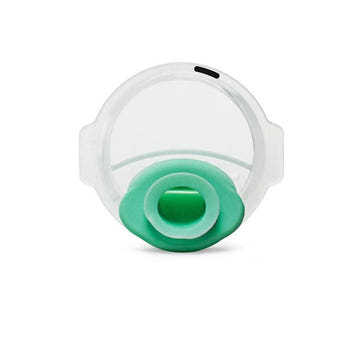
Healthy Horizons Breastfeeding Centers Elvie Pump Sp...
$16.99
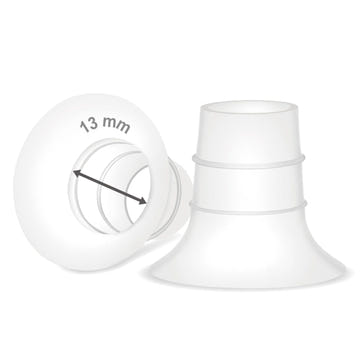
Healthy Horizons Maymom Flange Short Inserts 2 Pack ...
$14.99
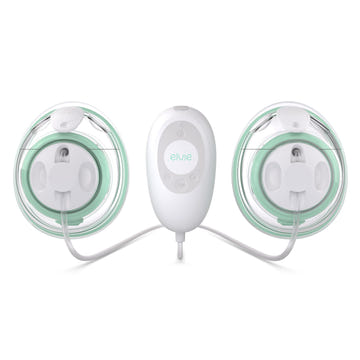
Healthy Horizons Elvie Stride wearable hands-free br...
$189.99
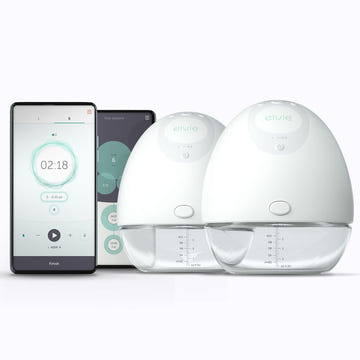
Healthy Horizons Elvie Double Electric Wearable Brea...
$549.99
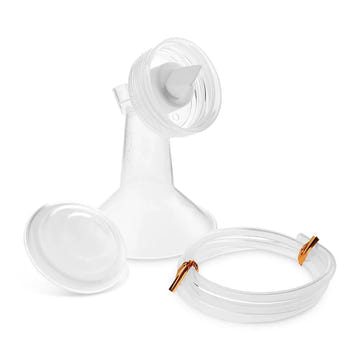
Spectra Wide Neck Breast Flange Kit
$15.99
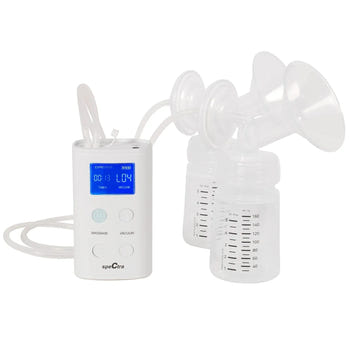
LL Medico Spectra 9 Plus Premier Portable Rechargeab...
$194.00
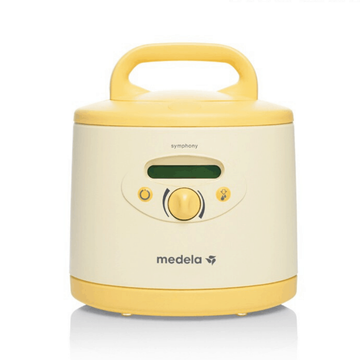
Medela Symphony Hospital Grade Breast Pump (Recharge...
$2,420.49