


Deciding between breastfeeding and bottle-feeding is a significant choice that new parents face. Both options have their benefits and challenges, and the best choice ultimately depends on what works for the baby, mother, and family as a whole. Understanding the pros and cons of both methods can help you make an informed decision that aligns with your lifestyle and your baby's needs.
The Benefits of Breastfeeding
Nutritional Superiority
Breast milk is often referred to as "liquid gold" because it provides a perfect blend of vitamins, proteins, and fats that a baby needs in the first months of life. It also contains antibodies that help build a baby’s immune system, protecting against infections and illnesses. Breast milk is uniquely tailored to a baby’s changing needs, from colostrum in the first few days to mature milk as the baby grows.
Bonding and Emotional Connection
Breastfeeding offers a special bonding experience between mother and baby. The act of breastfeeding releases oxytocin, a hormone that promotes feelings of love and attachment, helping to strengthen the emotional connection between mother and child.
Cost-Effective and Convenient
Breastfeeding is free and always available, without the need for preparation, bottles, or sterilization. This convenience can be a significant advantage for many families, especially during late-night feedings when the baby is hungry and parents are tired.
Health Benefits for Mothers
Breastfeeding offers several health benefits for mothers, such as a reduced risk of breast and ovarian cancers, type 2 diabetes, and postpartum depression. It can also help with postpartum weight loss, as breastfeeding burns extra calories.
Challenges of Breastfeeding
Physical Discomfort and Pain
Breastfeeding can be uncomfortable, especially in the beginning. Mothers may experience sore nipples, engorgement, or blocked milk ducts. These issues can be discouraging and require time, patience, and sometimes medical support to resolve.
Dietary Restrictions
Breastfeeding mothers need to be mindful of their diets, as certain foods and beverages can affect the baby. For example, caffeine, alcohol, and spicy foods may need to be limited or avoided altogether.
Time-Consuming and Demanding
Breastfeeding can be very time-consuming. Babies feed frequently in the early weeks, which means mothers need to be available around the clock. This can be exhausting and make it difficult for some mothers to balance other responsibilities.
Social and Logistical Challenges
Breastfeeding in public can sometimes be awkward or uncomfortable for new mothers due to social stigma or lack of suitable facilities. This can make outings and travel more challenging.
The Benefits of Bottle-Feeding
Flexibility and Convenience
Bottle-feeding offers flexibility, as it allows other family members, including partners, to participate in feeding. This shared responsibility can be a significant relief for mothers, who can rest or manage other tasks.
Tracking Intake
With bottle-feeding, it is easier to measure exactly how much milk the baby is consuming. This can be particularly helpful for parents who are concerned about their baby’s weight gain or growth patterns.
No Dietary Restrictions for the Mother
Mothers who choose bottle-feeding do not have to worry about how their diet might affect the baby. They are free to eat and drink whatever they like without any impact on their child’s feeding.
Easier to Plan and Schedule
Bottle-feeding allows for more structured feeding schedules, which can make planning outings, work, and social activities easier. This predictability can be beneficial for some families.
Challenges of Bottle-Feeding
Cost and Preparation Time
Bottle-feeding can be costly due to the price of formula, bottles, nipples, sterilization equipment, and other accessories. Additionally, bottles need to be prepared, cleaned, and sterilized regularly, which can be time-consuming.
Lack of Antibodies
Formula does not provide the natural antibodies found in breast milk. This means that formula-fed babies may not receive the same level of immune protection against infections and illnesses.
Digestive Issues
Some babies may have difficulty digesting certain types of formula, which can lead to digestive problems such as gas, constipation, or colic. Parents may need to try different formulas to find the right fit for their baby.
Environmental Impact
Bottle-feeding involves the use of single-use items like formula containers, plastic bottles, and bottle liners, which can contribute to environmental waste. Families looking to reduce their environmental footprint may find this concerning.
Making the Right Choice for Your Family
Choosing between breastfeeding and bottle-feeding is a personal decision that depends on various factors such as lifestyle, health considerations, and individual preferences. Some parents may choose to exclusively breastfeed, while others may opt for formula from the start. There is also the option of combining both methods, allowing parents to enjoy the benefits of both breastfeeding and bottle-feeding.
Picks From This Story
Picks related to this guide, ready to ship from Moogco.
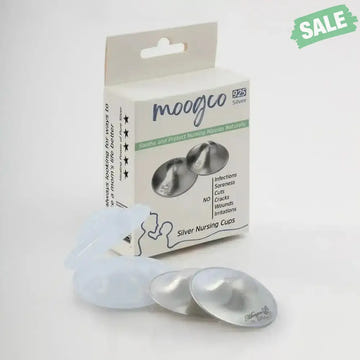
MOOGCO Silver Nursing Cups 925k Silver - Protect Aga...
$34.75
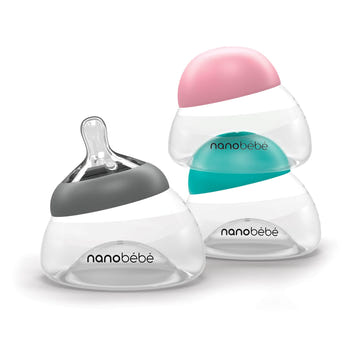
Nanobébé Breastmilk Baby Bottle 5 oz Pack Options Pi...
$16.99
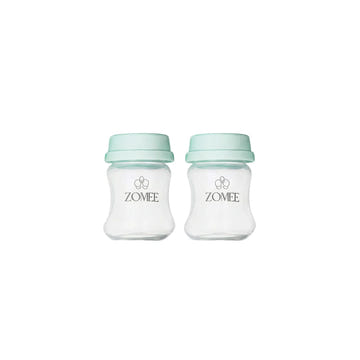
Zomee Breast Pumps Breast Milk Storage Bottles BPA-free
$3.99
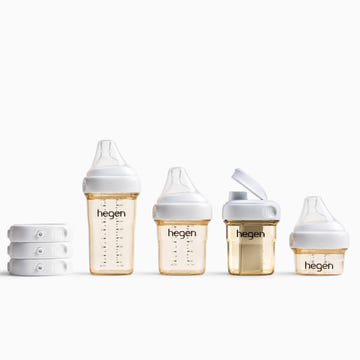
hegen PPSU Essentials Kit 60ml 150ml 240ml baby bottles
$99.99

Healthy Horizons Elvie Stride Diaphragms 2 Pack
$21.99
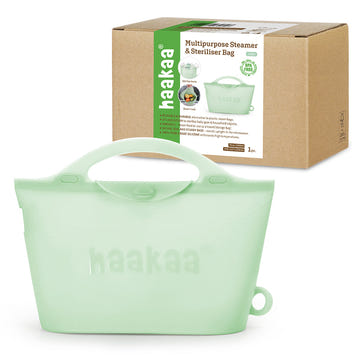
Haakaa Multipurpose Steamer & Sterilizer Bag 3 sizes...
$14.99
Combination Feeding: The Best of Both Worlds?
Flexibility and Support
Combination feeding, which involves both breastfeeding and bottle-feeding, can offer the flexibility of bottle-feeding while still providing the benefits of breast milk. This method allows mothers to breastfeed when convenient and offer a bottle when necessary, providing more balance.
Gradual Transition
For mothers who plan to return to work or have other commitments, combination feeding can be a good way to transition from exclusive breastfeeding to bottle-feeding without making a sudden change.
Potential Challenges
While combination feeding offers many advantages, it can also lead to confusion for some babies who may prefer one method over the other. Additionally, introducing bottles early on might affect the mother’s milk supply if not managed properly.
Moogco Silver Nursing Cups: Aiding Your Breastfeeding Journey
Breastfeeding can be a beautiful experience, but it does come with its set of challenges, such as sore or cracked nipples. Moogco Silver Nursing Cups can be a helpful addition to a breastfeeding mother’s toolkit.
Conclusion
Whether you choose to breastfeed, bottle-feed, or combine both methods, what matters most is finding a feeding routine that works for you, your baby, and your family. Each method comes with its unique advantages and challenges, so take the time to consider your options and choose what feels right. Remember, there is no "one-size-fits-all" solution; the best choice is the one that supports the well-being of both mother and baby.
Bring this guide home with $15 off.
Use code BABY15 for $15 off →
Featured pick from Moogco
The Original Silver Nursing Cups with Silicone Pads
$62.90 $74.90
Shop this pick → Frequently Asked Questions
How long should I try breastfeeding before deciding it's not working?
Most experts recommend giving breastfeeding at least two to three weeks before making a final decision, as the first weeks are typically the most challenging. Many initial difficulties, like latch issues and nipple soreness, improve significantly with time and support. If you're struggling, reach out to a lactation consultant who can provide personalized guidance. Remember, any amount of breastfeeding provides benefits, and there's no shame in transitioning to formula if needed.

Can I switch from formula to breastfeeding if I change my mind?
Yes, it is possible to switch from formula to breastfeeding, though it requires dedication and patience. This process, called relactation, involves stimulating milk production through frequent nursing or pumping sessions. Working with a lactation consultant can greatly increase your chances of success. Keep in mind that your milk supply may take several weeks to fully establish, and you may need to supplement with formula during the transition.
Curated by moms, vetted by lactation pros
More Related Picks
A few more favorites from the same collection.
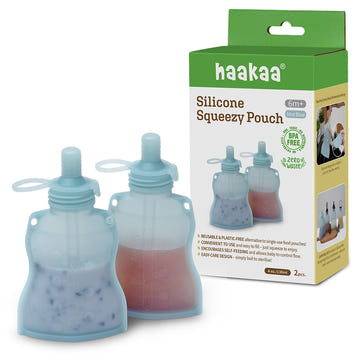
Haakaa Silicone Yummy Pouch 4.5 oz
$13.56
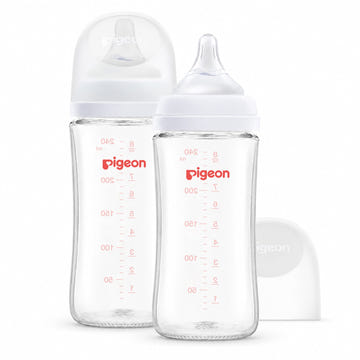
Pigeon Glass Wide Neck Baby Bottle 2-Pack 8.1 oz 3+ ...
$35.99
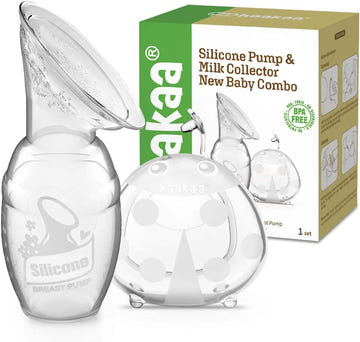
Haakaa Silicone Pump and Ladybug Milk Collector Comb...
$30.32
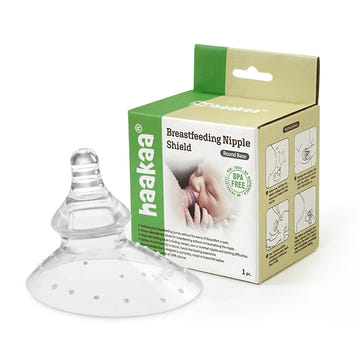
Haakaa Silicone Breastfeeding Nipple Shield Round Sh...
$19.05
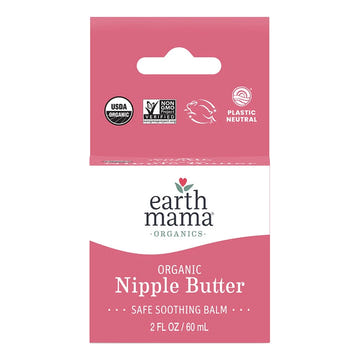
Organic Nipple Butter™ - Double-Sided for Kids
$14.99
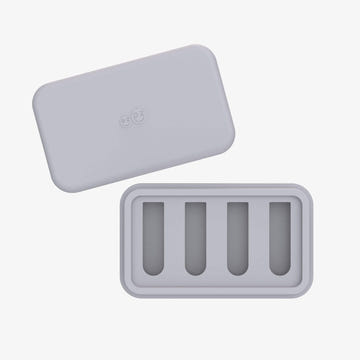
Ice Tray for the Baby-Led™ Gumline Feeder
$9.99
Everything for the breastfeeding journey
Take $15 off at checkout, applied automatically when you shop through this link.
Shop with BABY15 →Free US shipping over $100. Code applies automatically at checkout.
Will bottle-feeding affect my bond with my baby?
Absolutely not. Bonding happens through loving care, eye contact, skin-to-skin contact, and responsive feeding, regardless of the feeding method. Bottle-feeding parents can create the same emotional connection by holding their baby close, maintaining eye contact, and being fully present during feedings. What matters most is that your baby feels loved, secure, and well-cared for, not the method of milk delivery.
How do I know if my baby is getting enough breast milk?
Signs that your baby is getting enough breast milk include six or more wet diapers per day, regular bowel movements, steady weight gain, and contentment between feedings. You should also hear your baby swallowing during nursing sessions and notice your breasts feeling softer after feeding. If you're concerned about milk intake, your pediatrician can track your baby's growth patterns at regular checkups to ensure they're thriving.
What is the best formula if I decide to bottle-feed?
The best formula varies by baby, but most healthy infants do well on standard cow's milk-based formulas that are iron-fortified. Some babies may need specialized formulas for sensitivities, allergies, or digestive issues. Always consult your pediatrician before choosing or switching formulas, as they can recommend the most appropriate option based on your baby's individual needs and any health concerns.
Can I breastfeed if I'm returning to work?
Yes, many mothers successfully continue breastfeeding after returning to work by pumping during work hours and nursing when home. Federal law in the United States requires employers to provide reasonable break time and a private space for pumping. Planning ahead by building a freezer stash, establishing a pumping routine, and communicating with your employer can make the transition smoother. Combination feeding is also an option if exclusive pumping feels too demanding.
Is it normal for breastfeeding to hurt at first?
Some tenderness is common in the first few days as your nipples adjust, but breastfeeding should not be persistently painful. Sharp, ongoing pain often indicates an issue with latch, positioning, or an underlying condition like thrush or tongue tie. If you're experiencing significant pain, seek help from a lactation consultant right away. With proper support and technique adjustments, most discomfort resolves within the first week or two.
How often should I feed my newborn with a bottle?
Newborns typically need to eat every two to three hours, which translates to about eight to twelve feedings in a 24-hour period. Bottle-fed babies should be fed on demand, watching for hunger cues like rooting, sucking on hands, or fussiness rather than strictly by the clock. As your baby grows, they'll naturally space out feedings and consume larger amounts per session. Always follow your pediatrician's guidance based on your baby's individual growth and development.
From Moogco Studio
Printable and personalized nursery essentials. Designed by moms for moms.


About the Editor
Eda Ulger is a co-founder of Moogco Baby, the editor of the Moogco Baby Journal, and a mom of two. She curates and edits our guides so every piece is honest, practical, and genuinely helpful for the early days of motherhood.
Shop This Story
Picks related to this guide, ready to ship from Moogco.
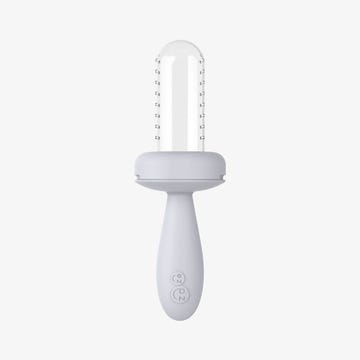
ezpz Baby-Led Gumline Feeder silicone pouch for baby...
$13.99
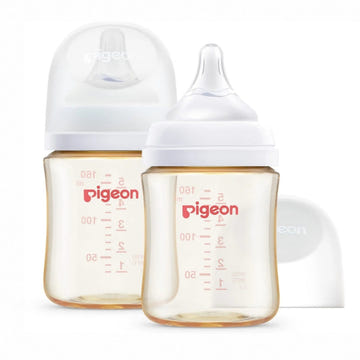
Pigeon PPSU Wide Neck Baby Bottle 2 Pack 5.4 oz Newborn
$34.99
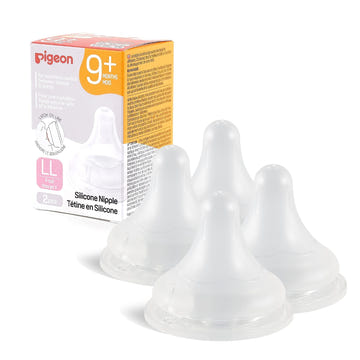
Silicone Nipple (LL), 9+ Months
$21.99
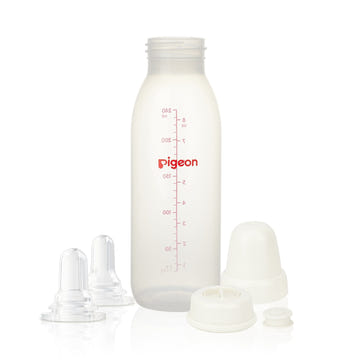
Pigeon Baby Cleft Lip/Palate Bottle 8.11 Oz 2 Nipples
$19.90
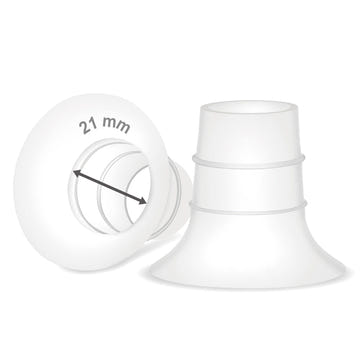
Bae & Bee Boutique Maymom Silicone Medela Flange Ins...
$6.00
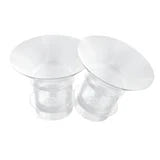
Bae & Bee Boutique Silicone Flange Inserts 10-21mm
$16.00
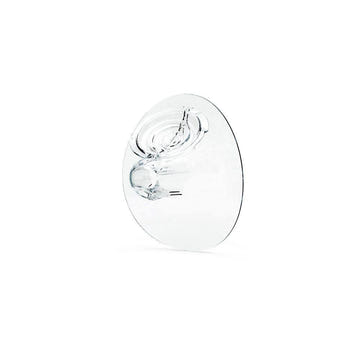
Healthy Horizons Elvie Pump Breast Shields 2 Pack 21...
$29.99
ezpz Tiny Plate open plate for self-feeding and uten...
$18.99
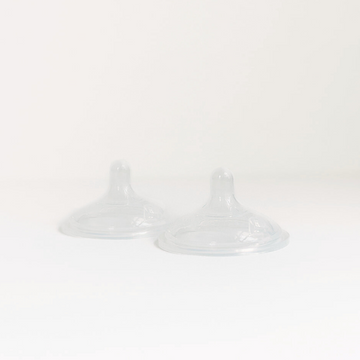
Mason Bottle Silicone Nipples 2 Pack Regular-Mouth B...
$12.99
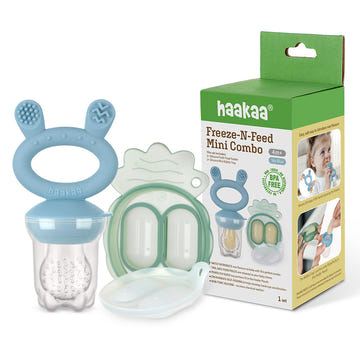
Haakaa Freeze-N-Feed Mini Combo Fresh Food Feeder Set
$19.90