


Welcome, new moms! Embarking on your breastfeeding journey is a significant milestone, one that can feel both exciting and incredibly overwhelming. The first few weeks are a critical learning period for you and your baby, often filled with questions about latching, feeding schedules, and how to manage the physical demands of nursing. This experience is unique for every mother and child, and having the right information can make all the difference between feeling stressed and feeling empowered.
This guide is designed to cut through the noise and provide clear, actionable, and evidence-based breastfeeding tips for first time moms. We're moving beyond generic advice to give you practical steps you can implement immediately. We will walk you through the most important aspects of nursing, from mastering the perfect latch and understanding hunger cues to ensuring your own well-being and managing common discomforts. You'll learn how to establish a healthy feeding rhythm, care for your nipples with safe, chemical-free solutions like Silverette silver nursing cups, and know when it’s time to seek professional support.
Our goal is to help you build confidence and create a positive, successful breastfeeding experience from day one. Navigating this new role involves more than just feeding; if you're looking for broader guidance on parenthood, you might find more essential mom tips helpful for managing the journey ahead. For now, let's dive into the practical advice that will empower you on this beautiful, rewarding path.
1. Master the Latch: The Foundation of Comfortable Nursing
Among the many breastfeeding tips for first time moms, mastering the latch is paramount. A proper latch is the bedrock of a successful and comfortable breastfeeding journey. It ensures your baby efficiently removes milk, stimulates your milk supply, and, most importantly, prevents nipple pain and damage.

A good latch is a "deep latch," meaning your baby takes in a large portion of your areola (the darker skin around the nipple), not just the nipple itself. This creates a secure, comfortable connection that allows their tongue and jaw to work effectively. When the latch is shallow, the nipple can get pinched against the baby’s hard palate, causing significant pain and potential cracking or bleeding. A deep latch positions the nipple safely at the back of the baby’s mouth against their soft palate.
Curated by moms, vetted by lactation pros
Everything for the breastfeeding journey
Take $15 off at checkout, applied automatically when you shop through this link.
Shop with READER15 →Free US shipping over $100. Code applies automatically at checkout.
Why a Deep Latch is a Game-Changer
A successful latch is more than just avoiding pain; it's a crucial communication tool between your baby and your body. Effective milk removal signals your body to produce more milk, perfectly calibrating your supply to meet your baby's needs. Conversely, a poor latch can lead to low milk supply, a frustrated baby, and a stressed-out mom. Getting this right from the start can prevent many common breastfeeding hurdles.
Actionable Steps for a Perfect Latch
Achieving a deep latch takes practice. Be patient with yourself and your newborn as you both learn this new skill.
- Positioning is Key: Bring your baby to your breast, not your breast to your baby. Use pillows to support your arms and back, ensuring your baby is tummy-to-tummy with you.
- Encourage a Wide Mouth: Align your baby’s nose with your nipple. This prompts them to tilt their head back and open their mouth wide, like a yawn.
- The "Breast Sandwich": Use a 'C-hold' (thumb on top, fingers below, well behind the areola) to gently compress your breast, making it an easier target for your baby’s wide-open mouth.
- Listen for Swallowing: Once latched, you should hear audible swallowing sounds, not just clicking or smacking. This is a clear indicator that your baby is effectively transferring milk.
Watch this video for a helpful visual guide on achieving a deep and comfortable latch:
Even with a great latch, some initial tenderness is normal. However, persistent pain is a sign that something needs adjusting. If you experience challenges, don't hesitate to seek professional help from a lactation consultant. For further reading, you can learn more about understanding and addressing latching difficulties in breastfeeding.
2. Establish Feeding Frequency and Schedule
Understanding when and how often to feed your newborn is another cornerstone among the essential breastfeeding tips for first time moms. Forget rigid, clock-based schedules. The most effective approach, endorsed by experts like the World Health Organization (WHO), is responsive or "on-demand" feeding. This means you nurse your baby whenever they show signs of hunger, which helps establish a robust milk supply and ensures your baby gets the nutrition they need for healthy development.

In the early weeks, newborns have tiny stomachs and need to eat frequently, typically 8 to 12 times within a 24-hour period. This constant nursing isn't just for nutrition; it sends crucial signals to your body to produce the right amount of milk. This demand-and-supply system is key to building and maintaining your milk production, preventing painful engorgement, and even helping reduce the risk of issues like jaundice in your baby.
Why Responsive Feeding is a Game-Changer
Responsive feeding is about more than just milk; it’s about building trust and security with your newborn. By responding to their earliest hunger cues, you are meeting their needs promptly and fostering a strong bond. This method empowers you to trust your maternal instincts and your baby’s innate ability to know when they are hungry or full. It sets the stage for a positive feeding relationship free from the stress of clock-watching.
Actionable Steps for On-Demand Feeding
Learning your baby’s unique language is the key to successful responsive feeding. Be patient and observant as you get to know their signals.
- Learn Early Hunger Cues: Don't wait for crying, which is a late sign of hunger. Look for early cues like rooting (turning their head and opening their mouth), bringing hands to their mouth, or making sucking motions.
- Track Diapers, Not Minutes: Instead of timing feeds, monitor output. By day five, expect at least 6 wet diapers and 3 or more dirty diapers daily. This is the best indicator that your baby is getting enough milk.
- Don't Limit Nursing Time: Allow your baby to finish the first breast completely before offering the second. This ensures they get both the hydrating foremilk and the fatty, nutrient-rich hindmilk.
- Watch for Satiety Cues: A full and satisfied baby will often seem relaxed or "milk drunk," unlatch on their own, and have relaxed, open hands.
As your body adjusts, nipple tenderness can occur. Using Silverette® silver nursing cups between feeds can soothe and protect your nipples, using the natural healing properties of silver to prevent irritation. For more in-depth guidance, you can explore this guide on establishing a feeding schedule for newborn babies.
3. Manage Engorgement and Prevent Complications
Among the most important breastfeeding tips for first time moms is learning how to handle engorgement. This common postpartum condition occurs when your breasts become overly full of milk, leading to swelling, hardness, and significant discomfort. It typically happens between the third and fifth day after birth as your mature milk comes in, and managing it effectively is key to preventing more serious issues like clogged ducts or mastitis, a painful breast infection.
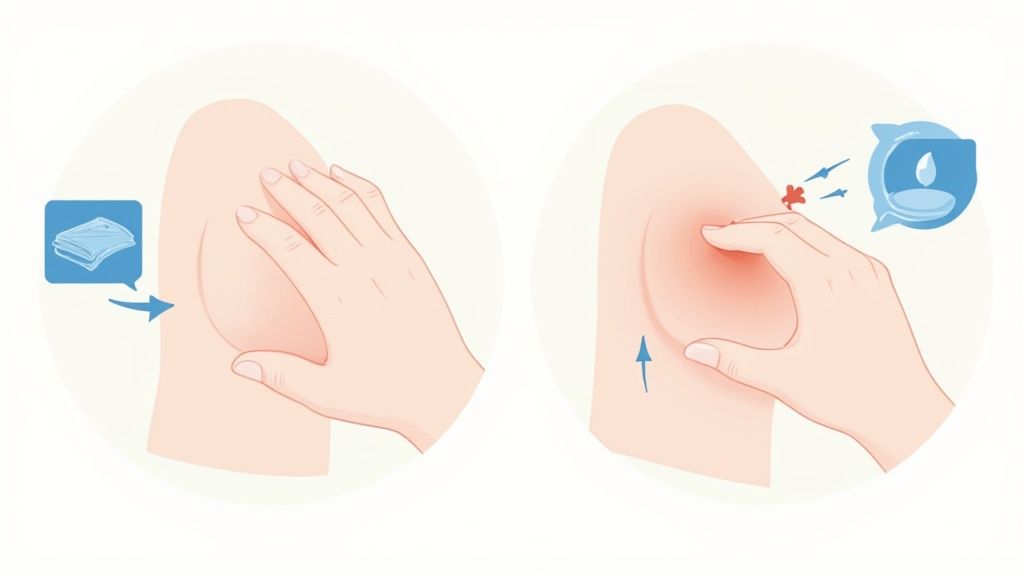
Engorgement is your body’s signal that it’s producing a generous milk supply, but it can also make it difficult for your baby to latch. The breast can become so firm that the areola flattens, preventing your baby from getting a deep, effective mouthful. Early and proactive management helps relieve your pain, ensures your baby can feed well, and keeps your milk supply regulated to your baby's actual needs.
Why Proactive Management is Crucial
Ignoring engorgement can quickly escalate into bigger problems. The intense pressure from built-up milk can lead to clogged ducts, which feel like small, tender lumps in the breast. If not resolved, these clogs can lead to mastitis, an infection that causes flu-like symptoms and requires medical attention. Properly managing engorgement keeps milk flowing freely, supports a healthy milk supply, and makes the entire breastfeeding experience more comfortable and sustainable for both you and your baby.
Actionable Steps for Engorgement Relief
Effectively managing engorgement involves a combination of removing milk and reducing inflammation. Consistency is the most critical element in finding relief and preventing complications.
- Feed on Demand: The best way to relieve pressure is to empty your breasts frequently. Aim to nurse your baby at least 8-12 times in 24 hours, watching for their early hunger cues.
- Soften Before Feeding: If your breast is too firm for your baby to latch, hand express or pump just enough milk to soften the areola. This makes it easier for them to establish a deep latch.
- Use Cold Therapy: Apply cold packs or gel packs to your breasts for 15-20 minutes between feedings. This helps reduce swelling and inflammation, providing significant pain relief.
- Try Gentle Massage: While nursing or pumping, gently massage your breasts in a circular motion towards the nipple to encourage milk flow and help clear any potential blockages.
- Consider Pain Relief: An over-the-counter anti-inflammatory medication like ibuprofen can help manage pain and reduce swelling. Be sure to consult with your doctor before taking any medication while breastfeeding.
For a more comprehensive guide on this topic, you can read about what you can do to help with swelling and engorgement of breasts.
Picks From This Story
Picks related to this guide, ready to ship from Moogco.

momjug breastfeeding water bottle 50oz double-wall s...
$49.99
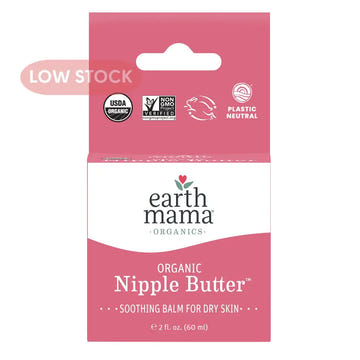
Organic Nipple Butter™ - Double-Sided for Kids
$14.99
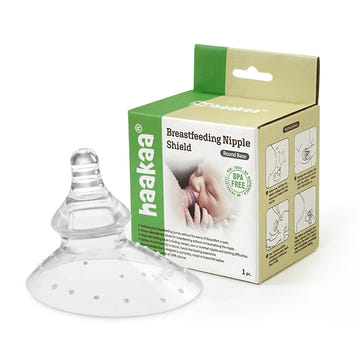
Haakaa Silicone Breastfeeding Nipple Shield Round Sh...
$19.05
Bae & Bee Boutique LactTube 5FR Pediatric Feeding Tu...
$3.00
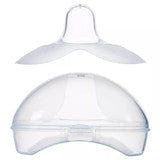
Bae & Bee Boutique Cherry Shaped Nipple Shield 21mm ...
$14.00
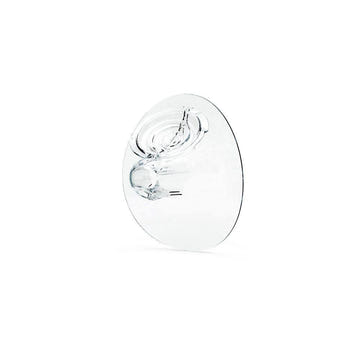
Healthy Horizons Elvie Pump Breast Shields 2 Pack 21...
$29.99
4. Use Proper Breast Care and Nipple Health
While mastering the latch is a crucial first step, prioritizing proper breast care and nipple health is equally vital among breastfeeding tips for first time moms. The constant cycle of feeding, moisture, and friction can lead to soreness, cracking, and even infection if not managed proactively. Attentive nipple care is the key to preventing discomfort that could otherwise derail your nursing journey.

Proper care involves more than just soothing sore nipples; it's about creating a healthy environment that supports healing and prevents common breastfeeding problems. Keeping your nipples clean and dry, using protective aids, and being gentle with your skin can make the difference between a painful experience and a comfortable one. This focus on prevention helps you enjoy the bonding aspects of breastfeeding without the distraction of pain.
Why Nipple Health is a Breastfeeding Non-Negotiable
Healthy, intact nipple tissue is your best defense against pain and complications like mastitis. When nipples become cracked or damaged, it creates an entry point for bacteria, increasing the risk of infection. Furthermore, nursing with painful nipples can make you dread feeding sessions, which can negatively impact your milk supply and emotional well-being. A consistent care routine is a small investment that pays huge dividends in comfort and longevity.
Actionable Steps for Optimal Nipple Care
Integrating simple habits into your daily routine can protect and heal your nipples effectively. Be gentle and consistent as your body adapts to the demands of breastfeeding.
- Air Dry After Feedings: After your baby unlatches, express a few drops of breast milk and gently rub it onto your nipples. Allow them to air dry completely before covering up, as breast milk has natural healing and antibacterial properties.
- Avoid Harsh Soaps: When you shower, simply rinse your breasts with warm water. Soaps, especially those with harsh chemicals or fragrances, can strip your skin's natural protective oils, leading to dryness and cracking.
- Change Nursing Pads Often: If you leak, change your nursing pads as soon as they become damp. A moist environment can encourage bacterial growth and lead to skin irritation or thrush.
- Use Protective, Healing Solutions: Instead of relying on messy creams, consider using Silverette® silver nursing cups. These small cups, made from 925 sterling silver, are worn directly over your nipples between feedings. Silver is a natural antimicrobial, anti-inflammatory, and antifungal metal that helps prevent and soothe soreness, cracks, and irritation without the need for lotions.
Many mothers find that using Silverette® cups eliminates the need for any other nipple care products, making them a simple, effective, and chemical-free solution. For more on how they work, you can explore the benefits of Silverette® silver nursing cups for soothing sore nipples.
5. Understand and Use Breast Compression
Among the most impactful breastfeeding tips for first time moms is learning how to use breast compression. This simple manual technique involves gently squeezing your breast while your baby is nursing to increase milk flow. It's a powerful tool to help your baby get more milk, especially if they are a sleepy feeder, have a weak suck, or if you're working to build your milk supply.
Developed and popularized by renowned pediatrician Dr. Jack Newman, breast compression helps ensure your baby receives the fattier, more calorie-rich hindmilk that comes later in a feed. By applying gentle pressure, you manually assist the milk-ejection reflex (let-down), making it easier for your baby to drink actively and efficiently. This can shorten feeding times, improve weight gain, and leave your baby feeling more satisfied after nursing.
Why Breast Compression is a Game-Changer
This technique is more than just a quick fix; it actively enhances the nursing session for both you and your baby. For infants who tend to fall asleep at the breast before they are full, compression can re-engage them and encourage them to keep sucking and swallowing. It’s also incredibly useful for managing issues like slow weight gain or fussiness caused by a slower milk flow, transforming a potentially frustrating feed into a productive and positive one.
Actionable Steps for Effective Breast Compression
Incorporating breast compression is straightforward, but timing and technique are important. It should be used when your baby is sucking but not actively swallowing.
- Proper Hand Placement: Use a 'C-hold' or 'U-hold' to support your breast, with your thumb on one side and your fingers on the other, well behind the areola.
- Watch Your Baby: Wait for your baby to start nursing. When their sucking slows down and you no longer hear or see consistent swallowing, it’s time to compress.
- Apply Gentle Pressure: Squeeze your breast firmly but gently and hold the pressure. This should not cause any pain. You should notice your baby begin to swallow again as the milk flow increases.
- Hold and Release: Maintain the compression until your baby stops actively drinking, even with the pressure. Then, release your hand and allow your baby to nurse on their own again. Rotate your hand position around the breast and repeat the process as needed.
Remember, the goal is to assist milk flow, not to force the breast into your baby’s mouth. This technique empowers you to take an active role in ensuring your baby is well-fed. For more expert advice on navigating your nursing journey, don’t hesitate to explore resources from lactation professionals.
6. Monitor Infant Weight Gain and Health Indicators
Among the most essential breastfeeding tips for first time moms is learning how to monitor your baby's health and growth. Tracking your infant's weight gain and output (wet and dirty diapers) is the most reliable way to confirm they are getting enough milk and thriving. It provides tangible evidence that your breastfeeding efforts are succeeding.
It's normal for newborns to lose up to 10% of their birth weight in the first few days, but they should regain it by about two weeks of age. After this initial period, consistent weight gain is a key sign of adequate nutrition. Monitoring diaper output provides a day-to-day check on their hydration and intake, offering reassurance between pediatrician visits.
Why Monitoring is a Confidence-Booster
For a new mom, it can be hard to know exactly how much milk your baby is drinking. Unlike bottle-feeding, you can't see the ounces. Tracking weight and diapers removes the guesswork, providing concrete data that confirms your baby is well-fed. This feedback is crucial for building confidence and helps you identify potential issues early before they become significant problems. It validates your body's ability to nourish your baby.
Actionable Steps for Tracking Your Baby's Health
Regular monitoring is simple and can be integrated easily into your daily routine. This isn't about creating stress, but about gathering information.
- Schedule Early Check-ups: The American Academy of Pediatrics (AAP) recommends a pediatric visit 3 to 5 days after birth. This appointment is specifically timed to check your baby’s weight and address any early breastfeeding challenges.
- Track Diaper Output: Use a simple notebook or a smartphone app to log wet and dirty diapers. By day four, you should be seeing at least 4-6 wet diapers and 3-4 soft, seedy, yellowish stools per 24 hours.
- Observe Your Baby's Cues: A baby who is getting enough milk will seem content and satisfied after feedings. They will be alert when awake and have good skin tone.
- Trust Professional Scales: Rely on the scale at your pediatrician’s office for accurate weight checks. Home scales are not sensitive enough to track a newborn's small but significant gains.
Monitoring these indicators provides a complete picture of your baby's well-being. If you ever have concerns about whether your baby is getting enough milk, tracking these signs gives you clear information to share with a healthcare provider. For further reading, you can learn more about how to tell if your baby's getting enough breast milk on moogcobaby.com.
7. Get Professional Support and Education
Among the most crucial breastfeeding tips for first time moms is understanding that you are not meant to do this alone. Seeking professional support from lactation consultants (IBCLCs), breastfeeding educators, and knowledgeable healthcare providers is an invaluable investment in your journey. This expert guidance can help prevent common problems before they start, build your confidence, and significantly increase your chances of meeting your personal breastfeeding goals.
Just as you wouldn't assemble complex furniture without instructions, navigating breastfeeding is easier and more successful with a manual and an expert to call. These professionals provide evidence-based advice tailored to your specific situation, helping you troubleshoot issues like nipple pain, supply concerns, or a fussy baby. Early intervention can turn a stressful challenge into a manageable learning experience.
Why Expert Guidance is a Game-Changer
Professional support demystifies the breastfeeding process and empowers you with the skills and confidence to succeed. Instead of relying on conflicting advice from well-meaning friends or frantic late-night internet searches, a lactation consultant offers a clear, personalized plan. They can observe a full feeding, correct latch and positioning issues in real-time, and create a strategy that works for you and your baby, ensuring a positive start and long-term success.
Actionable Steps for Building Your Support System
Building your team of experts before and after birth can make all the difference. Be proactive in seeking help, as it's much easier to prevent problems than to fix them.
- Be Proactive: Schedule an initial consultation with a lactation consultant during your third trimester to discuss your goals and learn the basics before your baby arrives.
- Use In-Hospital Resources: While in the hospital, ask to see the on-staff lactation consultant as soon as possible after birth to get your first latch checked and address any immediate questions.
- Schedule Follow-Ups: Book follow-up appointments for key milestones, such as 3-5 days postpartum (when your milk typically comes in), 2 weeks, and 1 month. Many consultants offer virtual sessions for convenience.
- Join a Community: Find a local or virtual breastfeeding support group, like those run by La Leche League, to connect with other mothers and share experiences in a supportive environment.
While professional guidance is key, remember that common issues like nipple soreness can still arise. Using tools like Silverette® silver nursing cups can provide soothing relief and protection between feedings, complementing the advice from your support team. You can explore how these simple, natural tools work at the Silverette website.
If you encounter persistent challenges, don't hesitate to reach out to your support network. Having an expert on speed dial provides peace of mind and ensures you and your baby thrive.
More Related Picks
A few more favorites from the same collection.

Mila's Keeper Silicone Breast Milk Bottle 6 oz Stand...
$36.00
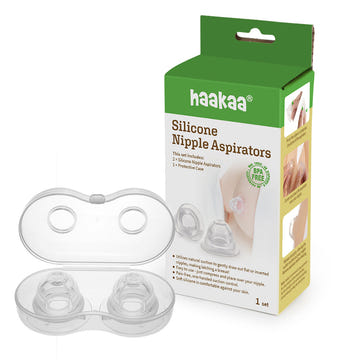
Haakaa Silicone Inverted Nipple Aspirators 2 pk
$17.99
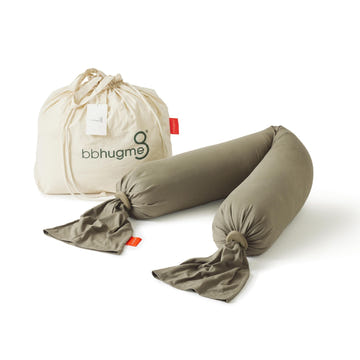
bbhugme Pregnancy Pillow Dusty Olive Adjustable Firm...
$219.00
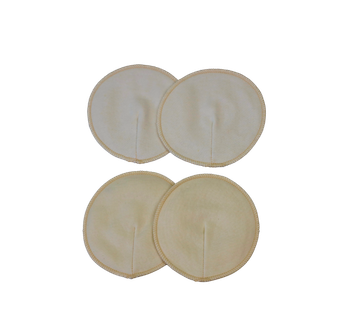
Babee Greens Contoured Nursing Pads 1 Pair Organic C...
$7.25
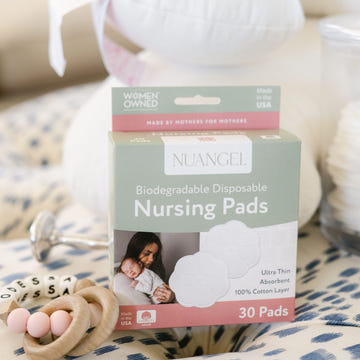
NuAngel Plant-based Disposable Nursing Pads individu...
$9.99
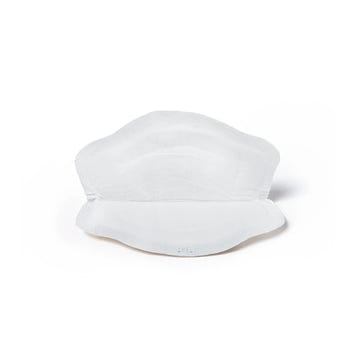
Zomee Breast Pumps Nursing Pads 100 or 200 count
$2.99
8. Maintain Maternal Health and Nutrition
Among the most vital breastfeeding tips for first time moms is the one that focuses on you: maintaining your own health and nutrition. Your well-being is the engine that powers your breastfeeding journey. Your body is working hard to recover from childbirth and produce nutrient-rich milk for your baby, a process that requires significant energy, hydration, and rest.
Prioritizing your health isn't selfish; it's essential for both you and your baby. A well-nourished and rested mother is better equipped to manage the demands of a newborn, produce an adequate milk supply, and enjoy the bonding experience of breastfeeding. Think of it as putting on your own oxygen mask first. When you are depleted, your ability to care for your little one can be compromised.
Why Your Well-being Directly Impacts Breastfeeding
Your body’s ability to produce high-quality breast milk is remarkably resilient, but it is not infinite. Chronic dehydration, inadequate caloric intake, or severe nutrient deficiencies can eventually impact your milk supply and your energy levels. Furthermore, stress and exhaustion can inhibit the let-down reflex. Taking deliberate steps to care for yourself ensures you have the physical and emotional resources to sustain lactation and navigate early motherhood.
Actionable Steps for a Healthy Postpartum You
Building simple, healthy habits into your daily routine can make a world of difference. Focus on small, manageable changes rather than a complete overhaul.
- Fuel Your Body: Keep easy-to-eat, nutrient-dense snacks like nuts, yogurt, and fruit within arm's reach of your favorite nursing spot. Aim to include a source of protein with every meal to stay full and energized.
- Hydrate Relentlessly: A good rule of thumb is to drink a large glass of water every time you sit down to nurse your baby. Keep a water bottle with you at all times.
- Prioritize Rest: Sleep when the baby sleeps is classic advice for a reason. For new mothers, prioritizing personal health includes ensuring adequate rest; you can learn more about understanding and enhancing sleep quality.
- Continue Your Prenatals: Most healthcare providers recommend continuing your prenatal vitamin for at least three months postpartum, or for as long as you are breastfeeding, to replenish nutrient stores.
Proper nutrition is a cornerstone of self-care during this demanding time. Don't be afraid to ask for help from partners or family with meal preparation. For a deeper dive into what to eat, you can learn more about maternal nutrition and breastfeeding.
8-Point Breastfeeding Tips Comparison
| Intervention | Implementation Complexity 🔄 | Resources & Efficiency ⚡ | Expected Outcomes ⭐📊 | Ideal Use Cases 💡 | Key Advantages ⭐ |
|---|---|---|---|---|---|
| Perfect Your Latch | Moderate — technique-focused with a learning curve | Low resources; time and practice; lactation help if needed | High milk transfer, less nipple pain, better supply regulation | Universal first-line when starting breastfeeding or with soreness | Prevents soreness, improves efficiency of feeds |
| Establish Feeding Frequency and Schedule | Low–Moderate — requires tracking and responsiveness | Low material cost but time-intensive; frequent feeds early on | Regulated supply, better weight gain, reduced engorgement | Newborn period (first weeks) and when establishing supply | Optimizes supply and supports infant growth |
| Manage Engorgement and Prevent Complications | Moderate — timely, multi-step interventions needed | Low–Moderate: cold/heat packs, massage, frequent feeds; possible meds/consult | Reduced pain/swelling, shorter episode duration, lower mastitis risk | Typical days 3–5 postpartum or when breasts are swollen | Relieves pain quickly and prevents infections |
| Use Proper Breast Care and Nipple Health | Low — routine hygiene and topical care; escalate if severe | Low: creams, hydrogel pads, airing, Silverette® silver nursing cups when needed | Less cracking/soreness, fewer infections, longer breastfeeding duration | First 1–2 weeks or whenever nipple pain/cracking occurs | Simple prevention that preserves breastfeeding comfort |
| Understand and Use Breast Compression | Low–Moderate — manual skill with short practice time | Very low: hands only; immediate efficiency gains during feeds | Improved milk flow, shorter feeds, increased infant intake | Sleepy feeders, weak suck, engorgement or slow flow | No equipment, rapid impact on transfer and feeding time |
| Monitor Infant Weight Gain and Health Indicators | Low — routine weighing and diaper/output checks; interpret carefully | Moderate: pediatric visits, scales, charts; possible clinic time | Objective confirmation of adequacy, early detection of problems | Any breastfeeding infant, especially if weight or output concerns | Provides measurable data to guide interventions |
| Get Professional Support and Education | Low–Variable — access scheduling and variability in quality | Moderate–High: possible cost, appointments, peer groups or online help | Faster problem resolution, higher breastfeeding success and duration | First-time parents, persistent problems, complex cases | Expert, tailored guidance that builds confidence |
| Maintain Maternal Health and Nutrition | Moderate — sustained lifestyle and self-care changes | Moderate: higher food/supplement needs, rest, social support | Sustained milk supply, better recovery, improved mental health | Ongoing postpartum period and when supply/energy is low | Supports long-term lactation and maternal well‑being |
Your Journey, Your Success
Navigating the world of breastfeeding for the first time can feel like learning an entirely new language, one spoken through subtle cues, gentle touch, and profound connection. This comprehensive guide has provided you with a foundational vocabulary of essential breastfeeding tips for first time moms, from mastering the perfect latch to understanding your baby's unique hunger signals. We've explored the technical aspects, such as effective breast compression and managing engorgement, and emphasized the critical role of maternal health and professional support. Each tip is a building block, designed not to create a rigid set of rules, but to empower you with the knowledge and confidence to find a rhythm that works for you and your newborn.
The journey ahead is deeply personal. Your experience will be shaped by your body, your baby's temperament, and the unique circumstances of your postpartum period. Remember that flexibility and self-compassion are your most valuable allies. There will be moments of effortless harmony and moments of frustrating challenge. The key is to approach both with patience and an understanding that this is a learning process for you both.
Core Takeaways for a Confident Start
As you embark on or continue your breastfeeding journey, keep these central pillars in mind. They are the cornerstones that will support you through the initial learning curve and beyond.
- A Pain-Free Latch is Non-Negotiable: A deep, asymmetrical latch is the foundation of successful breastfeeding. It ensures your baby gets enough milk, stimulates your supply, and, most importantly, prevents nipple pain and damage. Never accept pain as a normal part of breastfeeding; it is always a signal to reassess and adjust.
- Proactive Nipple Care is Essential: Your comfort is paramount. Don't wait for soreness or cracking to become a problem. Integrating simple, effective care from day one can prevent the issues that often lead mothers to abandon their breastfeeding goals. Tools like Silverette® silver nursing cups offer a natural, chemical-free way to soothe and protect your nipples, using the inherent antimicrobial properties of 925 silver to create an ideal healing environment between feedings. This proactive approach allows you to focus on bonding, not on pain management.
- Your Support System is Your Lifeline: You are not meant to do this alone. Your partner, family, friends, and professional support like lactation consultants (IBCLCs) and pediatricians form a crucial network. Leaning on them for practical help, emotional encouragement, and expert guidance can make all the difference. Building this village is one of the most important breastfeeding tips for first time moms we can offer.
Putting Knowledge into Action
The value of these tips lies in their application. Your next step is to translate this information into confident action. Begin by observing your baby, trusting your maternal instincts, and creating a comfortable nursing environment. Practice different positions to see what feels best. Most importantly, give yourself grace. Every single feeding is an opportunity to learn and connect, not a test to be passed. Celebrate the small victories-the first comfortable latch, a peaceful feeding session, the look of contentment on your baby’s face. These moments are the true measure of success. By embracing this journey with preparation, patience, and the right support, you are not just feeding your baby; you are building a bond that will last a lifetime.
Ready to make your comfort a priority? The MoogCo Silver Nursing Cups provide the natural, soothing relief you need to overcome nipple soreness and breastfeed with confidence. Invest in your breastfeeding journey today and experience the difference. Discover more at MoogCo.
Bring this guide home with $15 off.
Use code READER15 for $15 off →
Featured pick from Moogco
The Original Silver Nursing Cups with Silicone Pads
$62.90 $74.90
Shop this pick → Frequently Asked Questions
How do I know if my baby is getting enough milk in the first week?
The best way to tell is by counting wet and dirty diapers. By day five, your baby should have at least six wet diapers and three or more dirty diapers every 24 hours. You should also hear audible swallowing during feeds, and your baby should seem satisfied and relaxed after nursing. Weight checks at pediatric visits will confirm healthy growth.
Is it normal for breastfeeding to hurt at first?
Some initial tenderness during the first few days is common as your nipples adjust. However, persistent sharp pain, cracking, or bleeding is not normal and usually signals a shallow latch that needs correction. A proper deep latch should feel like strong tugging or pulling, not pinching or burning. If pain continues beyond the first week, reach out to a lactation consultant.
What should I do if my breasts feel extremely full and hard after my milk comes in?
This is engorgement, and it's very common around day three to five. Nurse frequently, at least every two to three hours, to relieve pressure and signal your body to regulate supply. You can hand express or pump a small amount before feeding to soften the areola and help your baby latch more easily. Cold compresses after nursing and warm compresses before can also provide relief.
How long should each breastfeeding session last?
There's no set time limit, and every baby is different. Let your baby nurse as long as they want on the first breast until they unlatch or fall asleep, which could be anywhere from 10 to 45 minutes. Then offer the second breast. Your baby will get the important foremilk and hindmilk when allowed to finish naturally. Focus on watching your baby's cues, not the clock.
Can I use a pacifier while establishing breastfeeding?
It's generally recommended to wait until breastfeeding is well established, usually around three to four weeks, before introducing a pacifier. Early pacifier use can sometimes interfere with learning to latch correctly and may reduce the number of times your baby nurses, which can affect your milk supply. Once nursing is going smoothly, pacifiers can be used safely and may even help reduce SIDS risk during sleep.
What are the early signs that my baby is hungry before they start crying?
Crying is actually a late hunger cue. Early signs include rooting, where your baby turns their head and opens their mouth searching for the breast, bringing their hands to their mouth, making sucking motions with their lips or tongue, and increased alertness or movement. Responding to these early cues makes latching easier and keeps your baby calm during feeds.
Should I wake my newborn to breastfeed if they are sleeping longer than three hours?
Yes, in the first few weeks, it's important to wake your baby if they sleep longer than three hours during the day to ensure they are eating frequently enough. This helps establish your milk supply and ensures your baby gets adequate nutrition for healthy weight gain. Once your baby regains their birth weight and your pediatrician gives the green light, you can let them sleep longer stretches, especially at night.
From Moogco Studio
Printable and personalized nursery essentials. Designed by moms for moms.


About the Editor
Eda Ulger is the editor at Moogco Baby and a mom of two. She curates and edits our guides so every piece is honest, practical, and genuinely helpful for the early days of motherhood.
Shop This Story
Picks related to this guide, ready to ship from Moogco.

Holistic Lactation Advanced Lactation Formula 30 Ser...
$34.99
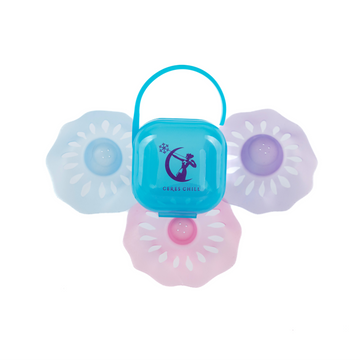
Ceres Chill Shield Maiden Nipple Shields 2pc or 3pc ...
$14.50

WishGarden Herbs Milk Rich Supply Booster pump top b...
$26.99

Wendy Anne Lounger Slip Cover Organic Cotton Waterpr...
$49.00
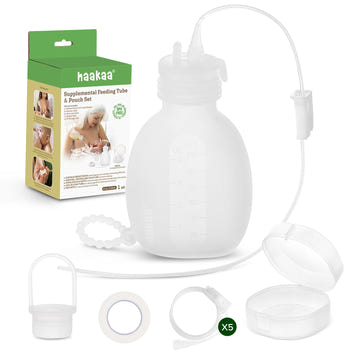
Haakaa Supplemental Feeding Tube and Pouch Set Size ...
$33.99

Milky Mama Dairy Duchess Raspberry Breastfeeding Sup...
$27.00

Preggie Drops Plus Morning Sickness Relief Lollies, ...
$13.75
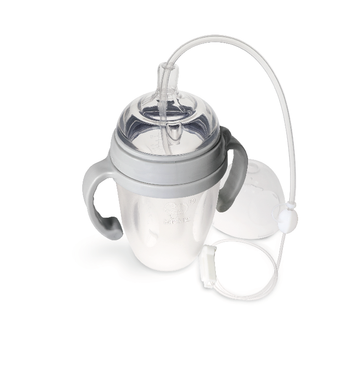
Haakaa Supplemental Feeding Combo 250ml Bottle with ...
$32.99

Euphoric Herbals Milk Machine lactation supplement 2...
$19.99

Euphoric Herbals Super Salve Nursing Salve no essent...
$10.00