


Picks From This Story
Picks related to this guide, ready to ship from Moogco.
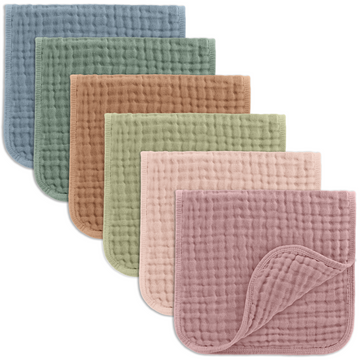
Comfy Cubs Muslin Burp Cloths Multicolor 6-Layer 20x...
$29.99
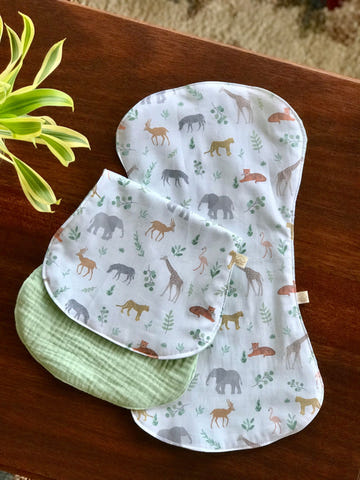
Wendy Anne Baby Animals Cotton Mint Green Burp Cloth...
$32.00
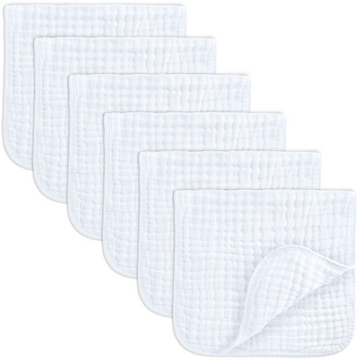
Comfy Cubs Muslin Burp Cloths White 20x10 6-Layer 6 ...
$34.99
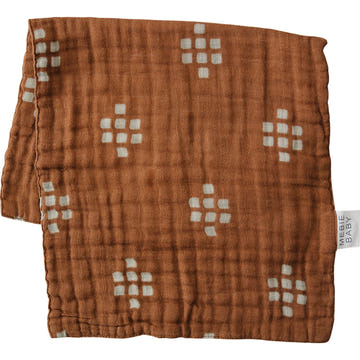
Mebie Baby Chestnut Textile Muslin Burp Cloth 20 x 11
$5.00
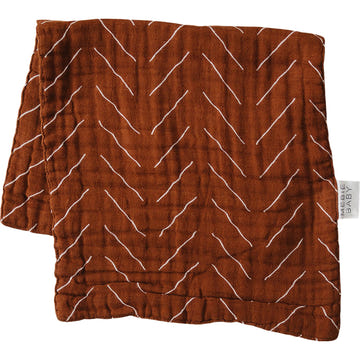
Mebie Baby Rust Mudcloth Burp Cloth 20 x 11 inches
$5.00
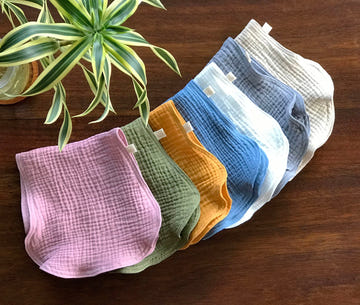
Wendy Anne Burp Cloth Organic Cotton Double Gauze 8 ...
$7.50
How do you remove milk stains from clothes?
Short answer: Rinse the stain in cold water first, never hot, because heat sets milk protein into the fibres. Soak in cold water with an enzyme detergent for 15 to 30 minutes, then wash as normal and air dry. Check before drying: a tumble dryer will lock in any stain that is still there.
- Cold water only, hot water sets the protein permanently
- Enzyme detergent breaks down milk protein, plain soap does not
- Soak 15 to 30 minutes for fresh stains, overnight for set-in yellow
- Blot, never scrub, scrubbing spreads the stain deeper
- Air dry and check before using a tumble dryer
For new and experienced parents alike, dealing with breast milk can be a bit of a challenge, especially when it comes to cleaning up spills. Whether it's an accidental spill during pumping, a leak from a bottle, or milk that's been expressed onto clothing or furniture, cleaning breast milk properly is essential. Not only does it help maintain hygiene, but it also prevents stains and odors from settling. Here are some tips and best practices for cleaning up breast milk spills effectively.
The complete stain guide: For step-by-step help getting milk out of fabric, fresh, dried, or set-in yellow stains, see How to Remove Breast Milk Stains.
Understanding the Composition of Breast Milk
Breast milk is packed with proteins, fats, carbohydrates, vitamins, and minerals, all of which are essential for a baby’s growth and development. However, these components can also lead to stubborn stains and lingering odors if not cleaned properly. The proteins in breast milk can stick to fabrics, while the fats can leave oily marks. Understanding this composition is key to addressing any spills or messes effectively.
Immediate Steps for Cleaning Fresh Spills
Act Quickly
The best way to prevent breast milk from staining is to clean it up as soon as it spills. Fresh milk is much easier to clean than milk that has dried or set into fabrics or surfaces. Quickly blotting the spill with a clean cloth or paper towel can absorb most of the milk before it seeps deeper into the material.
Use Cold Water First
If breast milk spills onto fabric, immediately rinse the area with cold water. Hot water can cause the proteins in the milk to set into the fabric, making the stain more difficult to remove. Gently blot or rinse the area with cold water until most of the milk is removed.
Avoid Scrubbing
Scrubbing a breast milk spill can spread the stain and push it deeper into the fabric. Instead, blot gently with a cloth or sponge to lift the milk away. Be patient, as it may take several blots to remove the majority of the spill.
Dealing with Set-In Breast Milk Stains
Soak in Cold Water with Detergent
For stains that have already set in, soaking the fabric in cold water with a small amount of laundry detergent can help break down the proteins and fats in breast milk. Let the fabric soak for at least 30 minutes before laundering.
Enzyme-Based Cleaners
Enzyme-based cleaners are effective at breaking down the proteins and fats in breast milk stains. These cleaners are particularly useful for stubborn stains that have been left to dry. Apply an enzyme cleaner to the stain, let it sit for about 15-20 minutes, and then wash as usual.
Sun Drying for Stain Removal
Sun drying can be an effective natural method for removing lingering breast milk stains. The UV rays from the sun can help break down and lighten the stains, making them less noticeable. Hang the stained item in direct sunlight after washing, and you may notice a significant difference in the stain's appearance.
Those Mystery Yellow Stains on Clean Clothes
Let us talk about the most frustrating one. You pull a clean onesie from the drawer and find yellow blotches that were not there before. You did not do anything wrong. That is residual milk fat that was never fully removed, slowly oxidizing in storage.
The fix is the cold soak plus oxygen bleach plus sun method above. To stop it from happening again, make sure milk stains are completely gone before anything goes in a drawer, and avoid the dryer on items that have ever had milk on them until you are certain they are clean. When in doubt, a sunny windowsill is your best friend.
How to Remove Breast Milk Stains by Fabric Type
Not every fabric wants the same treatment. Here is how to adjust.
Cotton onesies and everyday baby clothes
These are the most forgiving. Cold rinse, enzyme or dish soap, oxygen bleach soak for tougher spots, and sun drying. Cotton handles all of it without complaint.
Delicates, wool, and silk
Skip the oxygen bleach. Use a gentle enzyme cleaner labeled safe for delicates, dab rather than rub, and rinse in cold water. Lay flat to dry. Test any product on a hidden seam first.
Dark clothes and your own shirts
Milk leaves chalky white or yellow marks on dark fabric. Cold rinse, then dish soap worked into the spot, then a normal cold wash. Color-safe oxygen bleach is fine for darks, just follow the label dilution.
Your nursing bras and nursing pads
Leaks soak these constantly. Rinse in cold water right away, wash with your regular load, and skip fabric softener, which coats the fibers and traps milk residue over time. If reusable pads start to smell or stay stiff, an overnight oxygen bleach soak resets them.
Sheets, mattresses, and crib covers
For washable covers, treat like cotton. For a mattress, blot with cold water and a little dish soap, never soak it, then sprinkle baking soda once dry to pull out any lingering smell and vacuum it up.
The Best Products for Breast Milk Stains
You do not need a cabinet full of specialty cleaners. A few proven options cover everything.
- Enzyme-based stain removers are the gold standard because enzymes literally digest the protein and fat in breast milk. Look for products that list enzymes or are marketed for baby stains and bodily fluids.
- Oxygen bleach (color-safe, sodium percarbonate based) is your set-in stain hero. Safe for most colors, gentle on baby skin once rinsed, and brutal on yellow milk marks.
- Plain dish soap that cuts grease is the cheapest fresh-stain fix you already own. Perfect for the fat in milk.
- Sunlight is the one free tool that beats most store-bought brighteners on yellow stains, and it is completely baby-safe.
Skip chlorine bleach (too harsh for baby skin and it can yellow protein stains further) and skip hot water no matter what the bottle says. For breast milk, cold and enzymes do the heavy lifting.
What Not to Do (Common Mistakes That Set the Stain)
- Do not use hot or warm water. Heat cooks the protein into the fabric and makes the stain permanent. This is the number one mistake.
- Do not put it in the dryer until the stain is gone. Dryer heat sets anything the wash missed.
- Do not scrub aggressively. Hard scrubbing pushes milk deeper and can damage delicate baby fabric. Gentle rubbing and soak time work better.
- Do not ignore it. The longer milk sits, the more the fat oxidizes into a yellow stain. Even a quick cold rinse now saves you a soak later.
- Do not rely on fabric softener. It coats fibers and traps milk residue, especially in nursing pads and bras.
Removing Breast Milk Odors
Baking Soda and Vinegar Solution
Breast milk can leave behind a sour or musty odor if not cleaned properly. A solution of baking soda and vinegar can be very effective at neutralizing these odors. Sprinkle baking soda over the affected area, let it sit for a few minutes, then rinse with a vinegar solution. This method works well on clothing, carpets, and upholstery.
White Vinegar Rinse
White vinegar is another excellent odor neutralizer. Adding a cup of white vinegar to the rinse cycle when washing clothes or fabric items that have come into contact with breast milk can help eliminate any lingering smells. Vinegar is safe for most fabrics and works well to break down milk proteins.
Activated Charcoal or Odor-Absorbing Products
For stubborn odors on non-washable surfaces like upholstery or mattresses, using activated charcoal or odor-absorbing products can help. Place these products near the affected area to absorb the odors over time. This can be particularly helpful in spaces where spills are common, such as nurseries or lactation rooms.
Cleaning Breast Milk from Hard Surfaces
Soap and Water Solution
For hard surfaces like countertops, tables, or floors, a simple soap and water solution is often enough to clean up spilled breast milk. Use a gentle dish soap that can break down fats and proteins. Wipe the area thoroughly with a cloth, and rinse with clean water.
Disinfecting Wipes for Quick Clean-Ups
Disinfecting wipes can be convenient for quick clean-ups, especially on surfaces where babies frequently come into contact, such as high chairs or play areas. Make sure the wipes are safe for surfaces and do not leave behind any harmful residues.
Avoid Bleach and Harsh Chemicals
While bleach can be effective for cleaning, it is often too harsh for cleaning breast milk spills, especially in areas where babies might come into contact. Opt for milder, baby-safe cleaning solutions to maintain a clean yet safe environment.
Preventing Future Spills and Stains
Use Absorbent Nursing Pads
Breast milk leaks are common, particularly in the early days of breastfeeding. Using absorbent nursing pads can help contain leaks and prevent stains on clothing. Reusable pads can be washed, while disposable pads offer convenience.
Seal Milk Storage Properly
Properly sealing milk storage bags or bottles can prevent spills and leaks. Always double-check that lids are tightly secured, and use leak-proof containers when storing expressed milk in the fridge or freezer.
Protect Furniture with Covers
To protect furniture from accidental breast milk spills, consider using washable covers or pads, especially on sofas, chairs, or mattresses where you might nurse or pump. These covers can be easily removed and washed, reducing the risk of stains and odors setting in.
Moogco Silver Nursing Cups: Protecting Your Nursing Experience
While spills are a natural part of the breastfeeding journey, so is managing discomforts like sore or cracked nipples. Moogco Silver Nursing Cups provide a natural solution to soothe and protect your nipples, ensuring a more comfortable breastfeeding experience.
Conclusion
Cleaning breast milk spills and stains is a task that comes with breastfeeding. With the right approach, acting quickly, using the correct cleaning methods, and having the necessary tools on hand, you can maintain a clean and comfortable environment for both you and your baby. From immediate clean-up solutions to preventive measures, managing breast milk spills doesn’t have to be a challenge. And remember, products like Moogco Silver Nursing Cups can help protect and soothe your skin, allowing you to focus more on the joys of motherhood and less on the messes.
More Related Picks
A few more favorites from the same collection.
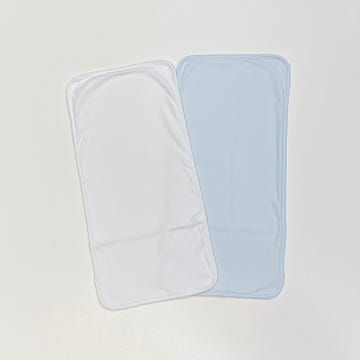
Unisex Burp Cloth
$7.50
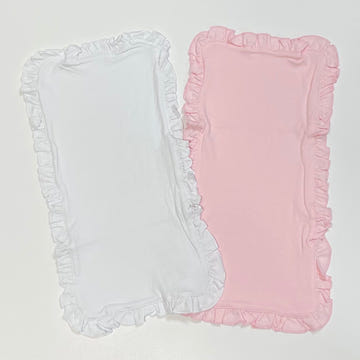
Ruffle Burp Cloth
$8.00
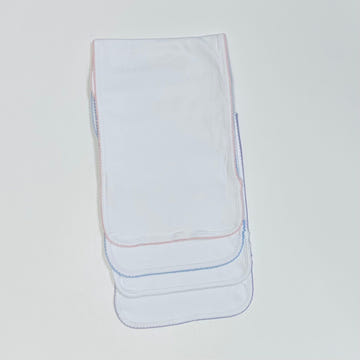
IMPERFECT Picot Trim Burp Cloth - PLESAE READ DESCRI...
$3.00
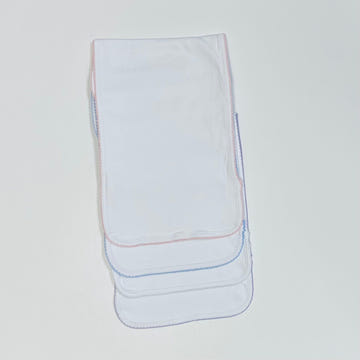
Picot Trim Burp Cloth
$10.00
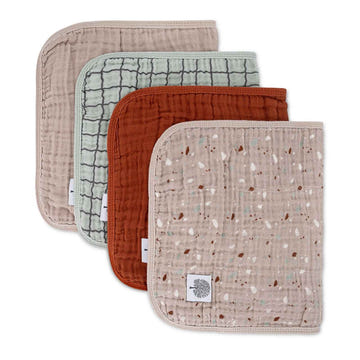
Pebble Set - Muslin Burp Cloths (4 Pack)
$24.00
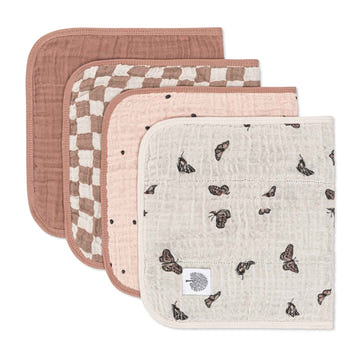
Butterfly Set - Muslin Burp Cloths (4 Pack)
$24.00
Frequently Asked Questions
How Do You Get Breast Milk Smell Out of Clothes?
The best way to remove breast milk smell from clothes is to rinse them immediately in cold water, then soak in a mixture of baking soda and water for 30 minutes before washing. For stubborn odors, add white vinegar to the rinse cycle. Avoid hot water as it can set the proteins and make the smell worse.

What Is the Best Stain Remover for Baby Clothes?
For breast milk stains on baby clothes, enzymatic stain removers work best because they break down milk proteins. OxiClean Baby, Dreft Stain Remover, and baking soda paste are all effective and baby-safe options. Always pre-treat stains before washing and use cold water to prevent setting.
Free US shipping over $100
Real essentials, picked by real moms
Take 25% off at checkout, applied automatically when you shop through this link.
Shop with MAMA25 →Free US shipping over $100. Code applies automatically at checkout.
How to Get Breast Milk Stains Out of a Couch or Carpet?
For upholstery and carpet, blot (don't rub) the spill immediately with a clean cloth. Mix one tablespoon of dish soap with two cups of cold water and gently dab the area. Follow with a baking soda sprinkle, let sit for 15 minutes, then vacuum. For older stains, an enzymatic cleaner works wonders.
Bring this guide home with 25% off.
Use code MAMA25 for 25% off →
Featured pick from Moogco
French Terry Racerback Nursing & Sleep Bra | Beige
$39.90
Shop this pick → Need backup on your shoulder? Browse our muslin burp cloths collection for soft, absorbent sets that get softer with every wash. US orders over $100 ship free.
Frequently Asked Questions
Can I Use Hot Water to Clean Breast Milk Spills?
No, always use cold water first when cleaning breast milk spills. Hot water causes the proteins in breast milk to coagulate and set into fabrics, making stains much harder to remove. After treating with cold water, you can wash the item in warm water if needed, but initial contact should always be cold.
Does Breast Milk Stain Permanently?
Breast milk stains are not permanent if treated promptly and correctly. The proteins and fats can set into fabric if left untreated or washed in hot water, but using cold water, enzyme cleaners, and sun drying can effectively remove even stubborn stains. Acting quickly is the key to preventing permanent discoloration.
Is It Safe to Use Bleach on Breast Milk Stains?
It's best to avoid bleach when cleaning breast milk stains, especially on baby clothes or surfaces where your baby will have contact. Bleach can be harsh on delicate fabrics and may leave residues that irritate sensitive skin. Stick with baby-safe enzyme cleaners, baking soda, and vinegar for effective and gentle stain removal.
Why Does Breast Milk Smell Sour After Spilling?
Breast milk contains proteins and fats that begin to break down when exposed to air and warmth, creating a sour or musty smell. This is especially noticeable if the milk isn't cleaned up immediately. The odor is caused by bacterial growth on the milk residue, which is why prompt cleaning and odor neutralizers like vinegar or baking soda are so effective.
Can I Put Breast Milk Stained Clothes in the Dryer?
Avoid putting breast milk stained clothes in the dryer until the stain is completely removed. The heat from the dryer can permanently set the stain into the fabric. Instead, air dry the item or hang it in the sun after washing to check if the stain is gone before using the dryer.
What Should I Do If Breast Milk Spills on a Mattress?
Blot the spill immediately with a clean towel to absorb as much liquid as possible. Mix cold water with a small amount of dish soap and gently dab the area without soaking the mattress. Sprinkle baking soda over the spot once dry to absorb odors, let it sit for a few hours, then vacuum. Use a waterproof mattress protector to prevent future incidents.
How Long Can I Wait Before Cleaning a Breast Milk Spill?
You should clean breast milk spills as soon as possible, ideally within minutes. Fresh spills are much easier to clean than dried milk, which bonds to fabric fibers and surfaces. If you can't clean it immediately, at least blot up the excess and rinse with cold water to prevent the stain from setting.
Are Nursing Pads Effective at Preventing Breast Milk Stains?
Yes, nursing pads are very effective at absorbing leaks and preventing breast milk from staining your clothing and bras. Choose absorbent, high-quality pads and change them regularly throughout the day. Both reusable and disposable options work well, so pick what fits your lifestyle and comfort best.
From Moogco Studio
Printable and personalized nursery essentials. Designed by moms for moms.


About the Editor
Eda Ulger is a co-founder of Moogco Baby, the editor of the Moogco Baby Journal, and a mom of two. She curates and edits our guides so every piece is honest, practical, and genuinely helpful for the early days of motherhood.
Shop This Story
Picks related to this guide, ready to ship from Moogco.
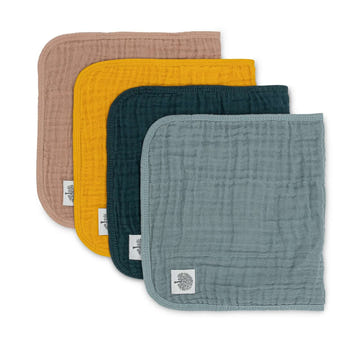
Dune Set - Muslin Burp Cloths (4 Pack)
$24.00
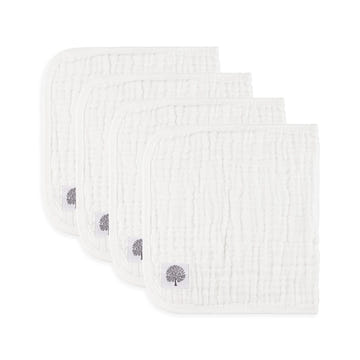
White Set - Muslin Burp Cloths (4 Pack)
$24.00
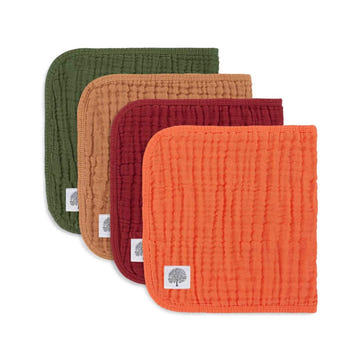
Estes Set - Muslin Burp Cloths (4 Pack)
$24.00
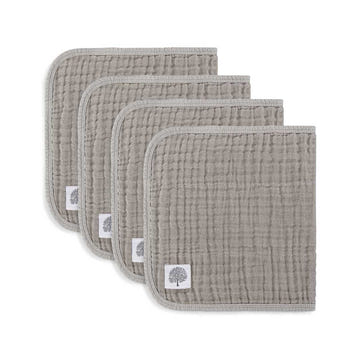
Gray Set - Muslin Burp Cloths (4 Pack)
$24.00
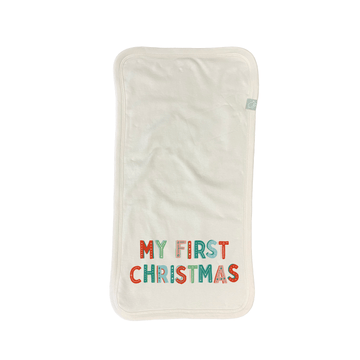
Finn + Emma My First Christmas Burp Cloth Organic Co...
$12.00
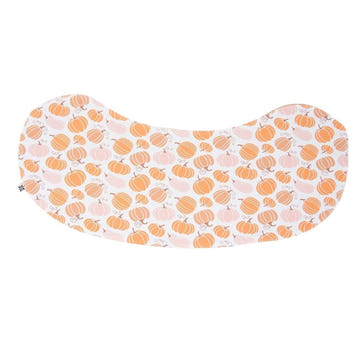
Manymoons Burp Cloth Pumpkin 24 x 16 Kidney Shape
$7.00
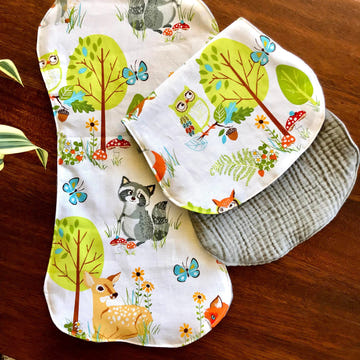
Wendy Anne Burp Cloth Set Vintage Animals Gray 2-Pac...
$29.00
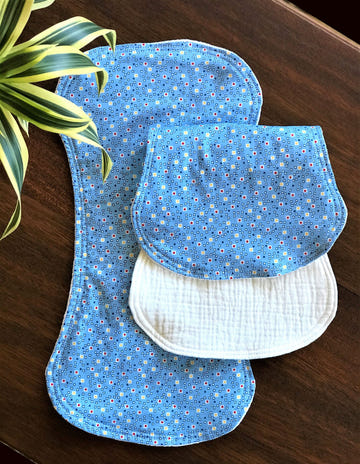
Wendy Anne Burp Cloth Set Modern Blue Dots 2-Pack 8x16
$29.00
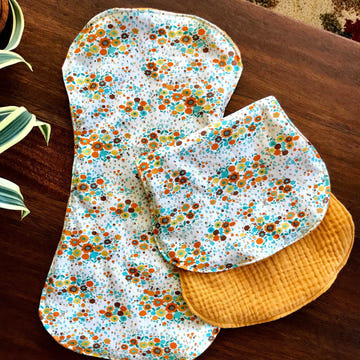
Wendy Anne Vintage Summer Flowers Burp Cloth Set of ...
$29.00
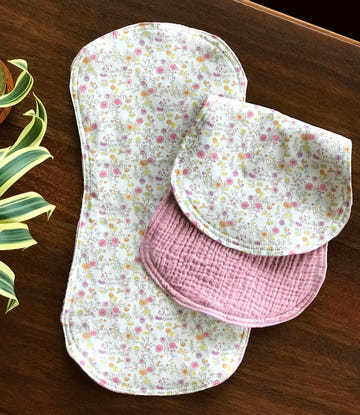
Wendy Anne Spring Flowers with Pink Burp Cloth Set o...
$29.00