


Knowing how to wean your baby from breastfeeding isn't about following a rigid set of rules. It’s about a simple, gentle approach. The secret is to wean gradually, giving both of you time to adjust.
Think of it as phasing out one breastfeeding session at a time, replacing it with a bottle, cup, or solids over several weeks or even months. This slow and steady transition helps prevent physical discomfort for you and makes the emotional shift easier for your little one.
Starting Your Weaning Journey With Confidence
Let’s be honest: deciding to wean is a huge milestone, and it often brings up a jumble of emotions. You might feel relief, a little sadness, and a lot of uncertainty. It's the end of a very special chapter, but it's also a completely natural next step in your baby’s journey.

Many parents get stuck wondering if the timing is perfect. But the truth is, there's no single magic moment. The best time to start is whenever it feels right for your family.
Curated by moms, vetted by lactation pros
Everything for the breastfeeding journey
Take $15 off at checkout, applied automatically when you shop through this link.
Shop with READER15 →Free US shipping over $100. Code applies automatically at checkout.

This process is so personal, and it's easy to feel pressure from outside opinions. It’s worth noting that in the United States, around 45% of breastfeeding mothers wean earlier than they intended, which really shows how important it is to have a supportive, gradual plan that works for you. While most moms initiate breastfeeding, a much smaller number make it to the recommended six months, highlighting the need for strategies that honor your own goals.
Recognizing the Signs Your Baby Is Ready
Your baby will often give you little hints that they’re getting ready to move on. Sometimes they're subtle, other times... not so much. Paying attention to these cues can help you start the process with more confidence and less guesswork.
Here are a few things to watch for:
- Real interest in solid food. They aren’t just playing with purées anymore. They're actively eating, seem to enjoy it, and are starting to rely on solids for actual nutrition.
- Shorter, distracted nursing sessions. Are they nursing for just a few minutes before popping off to look around the room? This can signal that their interest is waning.
- Finding comfort in other ways. Maybe they no longer need the breast to calm down. Cuddles, a pacifier, or a favorite song might do the trick now.
Remember, these are just signs, not hard-and-fast rules. Every baby is different. If you're still questioning the timing, our guide on when to stop breastfeeding can offer some extra clarity and support.
The Gentle Approach to Getting Started
If there’s one piece of advice I can give, it’s this: go slow. Stopping abruptly is a recipe for painfully full breasts, clogged ducts, or even mastitis. It can also be a real shock to your baby’s system.
A great way to begin is by dropping just one feed.
Many parents find the midday feed is the easiest one to cut out first. It tends to be more about nutrition than comfort, making it a low-stakes place to start. Offer a bottle of pumped milk, formula, or—if they’re old enough—a healthy snack and a sippy cup of water instead.
Once you’ve dropped that feed, wait. Give your body and your baby at least a few days, or even a full week, to get used to the new normal before you think about dropping another one. This patient pacing is what makes for a successful and positive weaning experience for everyone.
Sample Weaning Pacing Guide
To give you a better idea of what "going slow" can look like, here are a few different timelines. There's no right or wrong pace—it's all about finding what works for your family's unique needs and comfort levels.
| Weaning Pace | Timeline | Best For |
|---|---|---|
| Slow and Steady | 1-3 Months | Parents and babies who need a very gentle, gradual adjustment. Ideal for those with a strong nursing-to-sleep association or concerns about emotional readiness. |
| Moderate Pace | 3-6 Weeks | A common and balanced approach. Good for babies who are already eating solids well and parents who are ready for a change but don't want to rush. |
| Faster Pace | 1-2 Weeks | Situations where weaning needs to happen more quickly due to medical reasons, returning to work, or other pressing circumstances. Requires more careful management to avoid discomfort. |
Ultimately, this is just a guide to help you visualize the process. You can always speed up or slow down based on how you and your baby are feeling. Trust your instincts
Picks From This Story
Picks related to this guide, ready to ship from Moogco.

momjug breastfeeding water bottle 50oz double-wall s...
$49.99
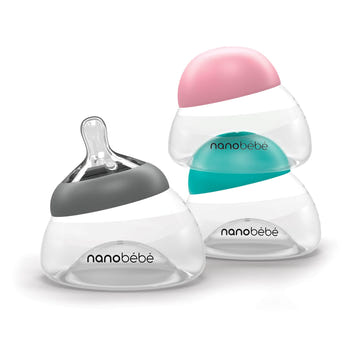
Nanobébé Breastmilk Baby Bottle 5 oz Pack Options Pi...
$16.99
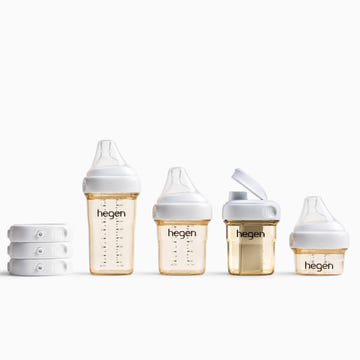
hegen PPSU Essentials Kit 60ml 150ml 240ml baby bottles
$99.99
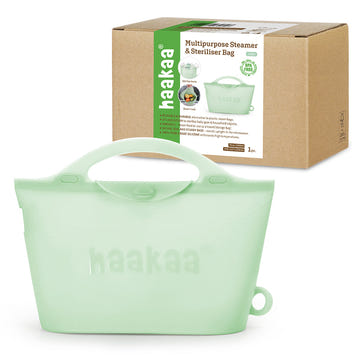
Haakaa Multipurpose Steamer & Sterilizer Bag 3 sizes...
$14.99
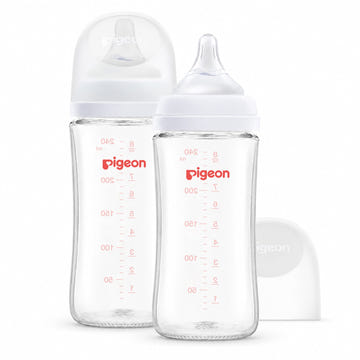
Pigeon Glass Wide Neck Baby Bottle 2-Pack 8.1 oz 3+ ...
$35.99
Silicone Nipple (LL), 9+ Months
$21.99
Finding a Weaning Style That Fits Your Family
Let's be real—there's no magic instruction manual for weaning. The absolute best way to do it is the one that feels right for you and your baby. The goal is to find a path that honors your little one's personality and doesn't throw your family's life into chaos.
Think of it like choosing a roadmap. Some people love a detailed, turn-by-turn plan, while others prefer to just head in the right direction and see where the road takes them. Neither is wrong; they just suit different families. Let's walk through the main approaches so you can figure out what feels like the best fit.
Baby-Led vs. Parent-Led: Who’s in the Driver’s Seat?
Most weaning philosophies fall into two main camps: baby-led or parent-led.
With baby-led weaning, you’re essentially handing the reins over to your child. You let them guide the process, gradually losing interest in nursing on their own timeline. It’s often the most emotionally gentle route because your baby is setting the pace. No pressure, no tears.
On the other hand, parent-led weaning is when you take charge. You decide when to start dropping feeds and map out a schedule. This is a lifesaver for parents who need to wean by a specific date—like heading back to work—or for anyone who just feels more comfortable with a clear, predictable plan.
The "Don't Offer, Don't Refuse" Middle Ground
If you're not sure which camp you're in, there’s a beautiful strategy that sits right in the middle: the "don't offer, don't refuse" method. It’s as simple as it sounds. You stop initiating nursing sessions, but if your little one comes to you and asks, you happily oblige.
This gentle approach gives your child a sense of control while you subtly nudge the process forward. It’s fantastic for busy toddlers who are so caught up in exploring their world that they might just "forget" to nurse unless you remind them. It’s a wonderfully low-pressure way to test the waters and see if they’re ready.
Weaning isn't a switch you flip. For most of us, it’s a dance. You might try one approach, take a step back, and try another. The secret is staying flexible and tuning into what both you and your baby need in the moment.
If you're intrigued by the idea of letting your little one take the lead, our guide on what baby-led weaning truly involves has a ton more detail and practical advice.
Partial Weaning: A Lifeline for Working Parents
Heading back to work doesn't have to mean your breastfeeding journey is over. So many parents find a great rhythm with partial weaning. This simply means you continue to nurse when you’re together—like in the mornings, evenings, and on weekends—and replace the daytime feeds with pumped milk or formula while you're away.
It's truly the best of both worlds. You get to keep that special, cuddly connection while still managing your work schedule. It also makes the transition smoother for your baby, since the comfort of nursing is still a reliable part of their day.
A Real-Life Story: When Weaning Isn’t the Only Answer
Sometimes, the push to wean comes not from a calendar, but from pure physical discomfort. That's exactly what happened to Sarah, a mom who started getting intensely painful, cracked nipples when her baby was around six months old. She was devastated, thinking she'd have to stop breastfeeding long before either of them was ready.
A friend suggested she try Moogco Silver Nursing Cups. She was skeptical but decided to give them a shot, wearing the little 925 sterling silver cups between every single feeding. Within a couple of days, the difference was undeniable. The natural healing properties of silver helped her nipples recover in a way that creams and balms just hadn't.
"The silver nursing cups honestly saved our breastfeeding relationship," Sarah told us. "They didn't just take the pain away; they gave me the freedom to continue on my own terms. We ended up nursing for another full year, and I'm so incredibly grateful I didn't have to stop because of that discomfort."
Sarah’s story is such a powerful reminder that the conversation isn't always about how to wean. Sometimes, it's about finding the support you need to keep going until you're both truly ready. A little help, like silver nursing cups, can be all it takes to turn a painful ordeal into a story of continued connection.
Your Week-by-Week Guide to Gradual Weaning
Looking at the entire weaning process can feel overwhelming, so let's break it down into a simple, week-by-week plan. Think of this as a flexible roadmap, not a set of rigid rules. The real goal here is a gentle transition that gives both you and your baby time to adjust physically and emotionally.
The magic is in the pacing. You’ll drop just one feeding at a time, giving your bodies a full week to catch up before making the next change. This slow and steady approach is the secret to avoiding painful engorgement for you and minimizing stress for your little one.
Week 1: Dropping the First Feed
Okay, let's start small. This week, you’re going to pick just one nursing session to drop. For most moms, a midday feed is the easiest one to let go of first. It’s often more of a quick snack than a major comfort session, which makes it a great, low-stakes place to begin.
Instead of nursing, offer a substitute that makes sense for your baby’s age—this might be a bottle of pumped milk or formula. For an older baby who’s on solids, a healthy snack and a sippy cup of water work perfectly. The key is to be consistent with this new routine all week.
You’ll probably feel a little full or tender around the time of that dropped feed. If you get uncomfortable, you can hand-express or pump just enough to take the edge off. Don't empty the breast! This tiny bit of relief signals your body to start making less milk at that time.
Week 2: Observing and Adjusting
After that first week, take a breath and check in. How is your baby handling the change? And how are you feeling? If everyone seems pretty content and your body is comfortable, you’re probably ready to drop the next feed.
But if your baby is really fighting it or you're still feeling uncomfortably full, it's totally okay to hit pause and stick with the current routine for another week. There’s absolutely no rush. Listening to your body and your baby is the most important part of this whole thing.
Did you know that globally, only 44% of infants are exclusively breastfed for the first six months? The World Health Organization (WHO) actually recommends a gradual weaning approach, which fits perfectly with this week-by-week strategy. As you introduce more solids like iron-fortified cereals and veggies, your baby’s need for breast milk will naturally shrink, making this transition feel a lot smoother.
Week 3: Dropping Another Feed
Once you’re both feeling good to go, it’s time to pick a second feed to drop. Again, I’d suggest choosing another of the "less important" daytime feeds. Most families find that the early morning cuddle and the bedtime feed are the hardest to give up, so save those for last.
Just repeat what you did in week one. Replace that nursing session with a bottle, cup, or solids, and manage any discomfort by expressing just a tiny bit of milk if you need to. You’re building a brand-new rhythm, and consistency will make it stick.
This infographic lays out a few of the common paths families take, which can help you visualize where you're headed.
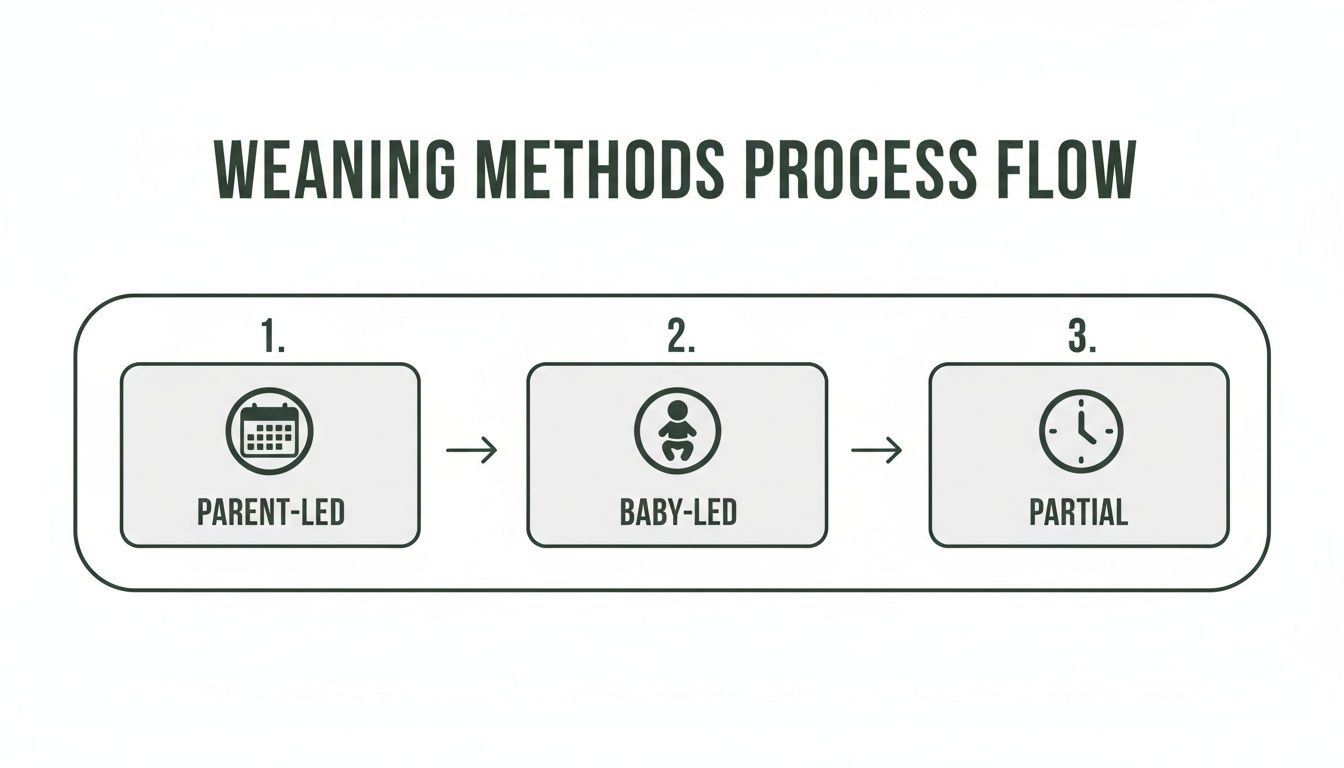
Whether you’re following a more structured parent-led plan or letting your little one take the lead, the journey is totally unique to you.
Week 4 and Beyond: Continuing the Process
From here, you just keep the pattern going. Each week (or every other week!), you can choose to drop another feed until you’ve hit your personal goal. As I mentioned, the last feeds to go are almost always the ones tied to comfort: the first one in the morning, the last one before bed, and any middle-of-the-night sessions.
Dropping these can be the most emotionally tough. It really helps to introduce new comforting rituals in their place. Think extra cuddles, a special book you read together, or a soft song to replace that nursing time.
Night weaning often feels like a whole different ballgame. It usually requires its own set of strategies, like making sure your baby gets enough calories during the day or having your partner take over nighttime comforting duties. For more specific advice, check out our gentle guide to nighttime weaning for better sleep.
Remember, this timeline is just a template. Feel free to take two weeks, or even a month, between dropping feeds if that’s what feels right. By moving slowly and with intention, you’re giving your baby the reassurance they crave and your body the time it needs to adjust. It’s the best way to make weaning a positive and gentle experience for everyone.
More Related Picks
A few more favorites from the same collection.
Pigeon Baby Cleft Lip/Palate Bottle 8.11 Oz 2 Nipples
$19.90
Nanobébé Flexy Silicone Baby Bottle 5oz
$16.99
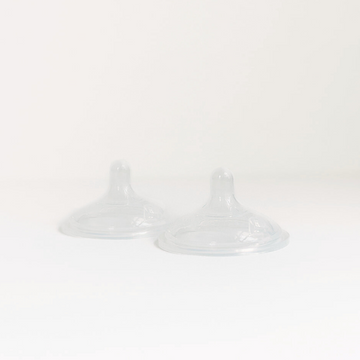
Mason Bottle Silicone Nipples 2 Pack Regular-Mouth B...
$12.99
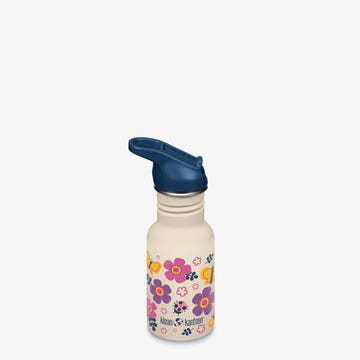
Klean Kanteen 12oz Kid's Classic Bottle Flip Seal Sp...
$17.95

Nanobébé Silicone Anti-Colic Baby Bottle Nipples Gen...
$5.99
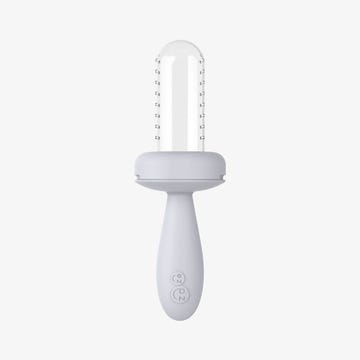
ezpz Baby-Led Gumline Feeder silicone pouch for baby...
$13.99
Taking Care of Yourself Through the Transition
We talk so much about the baby during weaning, but let's be real: this is a massive transition for you, too. It’s not just about ending nursing sessions; it’s a huge physical and emotional shift. Making sure you’re looking after yourself is just as important as managing your baby’s needs.
Your body has been a milk-making machine, and now you’re asking it to slow down. The key is to do it gently. Stopping abruptly is a recipe for painfully full breasts, clogged ducts, and even mastitis. We want to avoid that at all costs.
Managing Physical Comfort and Preventing Issues
As you start dropping feeds, you're bound to feel some fullness. The trick is to relieve just enough pressure to be comfortable, but not so much that you signal your body to make more milk. If you’re feeling really uncomfortable, try hand expressing or pumping for just a minute or two—seriously, just enough to take the edge off.
It’s a delicate dance. You want to tell your body, "Hey, we can ease up a bit," not "EMERGENCY! Make more milk!" This slow, gradual signal is the safest way to decrease your supply.
A few other things can really help you feel better:
- Cool Compresses: A cool pack or even chilled cabbage leaves tucked into your bra can work wonders for soothing inflammation.
- A Good Bra: Find a supportive bra that fits well but isn't too tight. Anything that constricts your breasts can lead to plugged ducts.
- Pain Relief: If you're really sore, it's perfectly fine to take an over-the-counter pain reliever like ibuprofen. It can help with both the pain and the swelling.
A Success Story When Weaning Seemed Unavoidable
Sometimes, the physical pain isn't from engorgement—it's from nipple damage. For so many moms, this can make them feel like they have to wean long before they're ready. That’s exactly what happened to a mom named Jessica. She was dealing with cracked, bleeding nipples, and every single latch was excruciating.
She was on the verge of giving up when a friend suggested Moogco Silver Nursing Cups. She was skeptical but willing to try anything. She started wearing the small, 925 sterling silver cups between feedings.
To her amazement, she felt a difference within just a few days. The natural antimicrobial and anti-inflammatory properties of the silver nursing cups helped her heal in a way no cream or balm had. The pain went away, her skin recovered, and she was able to keep breastfeeding. Because she found a tool that offered real relief, she got to decide when her journey ended, on her own terms.
Jessica's story is a powerful reminder that having the right support can change everything. You don't have to push through unbearable pain. If you want more tips on this, check out our complete guide to nipple care during breastfeeding.
Tending to Your Emotional Well-Being
Let's not forget the hormonal rollercoaster that comes with weaning. The shifts are very real, and it's completely normal to feel a whole mix of things—sadness, relief, guilt, freedom, anxiety. Your feelings are valid, so give yourself grace to feel them without judgment.
If you find yourself struggling with anxious thoughts, exploring strategies to cope with anxiety can offer some really helpful tools to find your calm.
Please, be kind to yourself. You've given your baby an incredible gift. This next step doesn't take away from that beautiful journey. Talk about it with your partner, a trusted friend, or other parents who just get it. Sometimes, just saying the words out loud makes all the difference.
Navigating the Emotional Side of Weaning
Let's be real: the end of your breastfeeding journey is so much more than just a change in diet. It’s a huge emotional shift for both you and your baby. It's completely normal to feel a whole mix of things—sadness, relief, pride, maybe even a little grief. You're closing a beautiful, intimate chapter, and it's okay for that to feel complicated.
Your little one is navigating big feelings, too. For them, nursing has always been about more than just food; it’s been their go-to source of comfort, security, and connection. As you start to wean, the most important thing you can do is shower them with reassurance, showing them in a million little ways that your love and closeness aren't going anywhere.

Creating New Ways to Connect
The secret to a smoother emotional transition is to proactively replace nursing sessions with other forms of connection. Think of it less as taking something away and more as introducing new, loving ways to bond. This helps the change feel like a gentle evolution of your relationship, not a loss.
Here are a few ideas that have worked for other families:
- Introduce a 'Snuggle Cup': When you would normally nurse, try offering a special cup of milk or water and snuggle up in your favorite chair for a dedicated cuddle session.
- More Story Time: Carve out extra time for reading together. The physical closeness of having your child on your lap while you read can beautifully mimic the intimacy of nursing.
- A Special Song: Create a new "our song" that you sing during times they might have previously asked to nurse, like before naps or after a tumble.
- Focused Playtime: Get down on the floor and give them your undivided attention with their favorite toys for a solid 10-15 minutes. No phones, no distractions—just you and them.
A gradual weaning process, filled with responsive comfort and extra cuddles, can reduce emotional distress by as much as 60%, helping to reinforce a secure and loving attachment.
Talking to Your Toddler About Weaning
If you’re weaning a toddler who can understand a bit more, you can use simple, loving language to explain what’s happening. Your calm, confident tone will be the most reassuring thing of all.
You could try a gentle script like:
- "Milk is for sleepy time now. Let's read a book and cuddle instead."
- "Mommy's milk is all gone for now. How about a yummy snack and a big hug?"
Stay consistent and loving. The goal is to acknowledge their feelings while gently holding the new boundary. For a deeper dive into the "why" behind this connection, understanding attachment theory can be incredibly insightful.
It's also worth remembering that feelings of guilt can sometimes creep in during this time. We have a whole guide on this topic that might help you feel more supported: https://www.moogcobaby.com/blogs/moogco-baby-journal/letting-go-of-guilt-about-not-breastfeeding-understanding-your-choices. Your journey is unique, and it deserves to be honored.
Got Questions About Weaning? We’ve Got Answers.
As you start thinking about how to wean your baby from breastfeeding, it's totally normal for a million questions to bubble up. Every family’s journey looks a little different, which means you'll have your own unique worries and roadblocks. To help you feel more confident, we've put together some straightforward, practical answers to the questions we hear most often from parents just like you.
How Do I Even Begin to Tackle Night Weaning?
Night weaning can feel like the final, most daunting hurdle. The first step is to make sure your baby isn’t actually hungry overnight. You can do this by gently boosting their daytime calories—maybe an extra snack or a slightly bigger dinner before you start the bedtime routine.
Once you’re sure they’re getting enough during the day, you can start to gradually shorten the nighttime feeds. If you usually nurse for 10 minutes, try cutting it back to seven, then five, and so on over a few nights until the feeding is gone completely. Another really effective trick is to have your partner handle the middle-of-the-night comforting. Since they aren't the source of milk, their presence can help break that nurse-to-sleep association. It might mean a few tough nights, but consistency is your best friend. Most little ones get the hang of it in about a week.
What if My Baby Absolutely Refuses a Bottle or Cup?
First off, take a deep breath. This is incredibly common, so please don't panic. A bit of trial and error is usually all it takes.
Experiment with different bottle nipples or sippy cup spouts; your baby might just have a strong preference for a certain shape or flow speed. It can also work wonders to have someone else, like your partner or a grandparent, offer the bottle when you're not in the room. Out of sight, out of mind (and smell!).
Timing is a big piece of the puzzle, too. Try offering the new cup when your baby is happy and relaxed, not when they’re already hangry and frustrated. And for babies over six months, you can often skip bottles altogether and go straight to practicing with a sippy or open cup.
How Can I Keep My Supply Up During Partial Weaning?
If you're dropping feeds to go back to work but still want to nurse when you're home, you'll need to pump for each missed session. This keeps the "demand" signal going, which tells your body to maintain your milk supply. The thing is, pumping can sometimes lead to nipple sensitivity, especially when you're also nursing directly.
This is exactly where Moogco Silver Nursing Cups can be a lifesaver. Wearing them between pumping and nursing sessions gives you soothing relief and helps prevent irritation, making it so much more comfortable to manage both. And don’t forget the basics: staying well-hydrated and nourished is also essential for keeping your supply strong.
A Mom's Success Story That Almost Ended Too Soon
For one mom, Sarah, the conversation around weaning started because of pain, not choice. Severe nipple soreness made her question if she could continue breastfeeding. She discovered Moogco Silver Nursing Cups and decided to try them. The natural, soothing properties of the silver helped her skin heal, allowing her to continue her breastfeeding journey on her own terms, free from pain. It's a powerful reminder that sometimes, the right support doesn't mean stopping—it means finding a way to keep going comfortably. Discover more about how silver nursing cups can help at our Moogco Baby store.
Is It Normal to Feel Really Sad About Weaning?
Yes, it is 100% normal and okay to feel sad. Weaning marks the end of a really special, intimate chapter in your relationship with your baby. On top of the emotional weight, there are real hormonal shifts happening in your body as your milk production slows down, which can intensify everything you're feeling.
You might feel grief, relief, anxiety, and freedom—sometimes all in the same afternoon. Let yourself feel all of it without judgment. Talk to someone you trust, whether it's your partner, a friend who's been there, or a support group. Most importantly, take a moment to celebrate the incredible thing you did by nourishing your baby for as long as you did. You're a wonderful parent, and this transition doesn't change that one bit.
At Moogco Baby, we get that every step of this parenting gig comes with questions. Whether you're navigating weaning, searching for the perfect swaddle, or looking for tools like our beloved Silver Nursing Cups to make feeding more comfortable, we're here for you with thoughtfully curated products and expert-backed guidance.
Related Guides You Might Love
- How to Change Diaper: how to change diaper in 5 Easy Steps for New Parents
- How to Change Diaper: how to change diaper in 5 Easy Steps for New Parents
- How to Change Diapers Like a Pro A Guide for New Parents
- How to Change Diapers Like a Pro A Guide for New Parents
- Diaper Dust Review: Does This Odor Eliminator Work?
- Diaper Dust Review: Does This Odor Eliminator Work?
- Your Guide to Breast Pump Insurance and Getting a Free Pump
- Your Essential Guide to Building a Baby First Aid Kit
- Your Guide to Soothing Relief with Moogco Silver Nursing Cups
- Your Guide to Soothing Relief with Moogco Silver Nursing Cups
Bring this guide home with $15 off.
Use code READER15 for $15 off →
Frequently Asked Questions
Can I wean during teething or when my baby is sick?
It's usually best to wait until your baby is feeling better before starting or continuing the weaning process. Teething and illness are already stressful for little ones, and nursing provides comfort and hydration during those tough times. If you've already started weaning, it's perfectly fine to pause and offer extra nursing sessions until they're back to their happy, healthy selves.
Will weaning affect my baby's immune system?
Breast milk does provide antibodies and immune support, but by the time most babies are ready to wean, they're also eating a variety of solid foods and their own immune systems are maturing. The transition is gradual, so their body has time to adjust. If you're weaning before six months, talk with your pediatrician about the best formula or feeding plan to support their health.
How do I handle family pressure to wean sooner or later than I want?
This is your journey, and you get to make the call. Politely but firmly set boundaries with well-meaning relatives by saying something like, "We're doing what works best for our family right now." Remember, you don't owe anyone a detailed explanation. Trust your instincts and lean on your partner or a supportive friend when the outside noise gets loud.
What should I do if I get engorged during weaning?
Engorgement is common, especially in the early stages of weaning. To ease discomfort, hand express or pump just enough milk to relieve the pressure, but not so much that you signal your body to keep making more. Cold compresses, a supportive bra, and over-the-counter pain relief can also help. If you notice a hard lump, redness, or fever, reach out to your doctor right away.
Can I still breastfeed if I'm pregnant with my next baby?
Yes, many moms continue nursing through pregnancy, a practice called tandem nursing. However, some women experience nipple sensitivity or a drop in milk supply due to hormonal changes. It's also important to check in with your healthcare provider to make sure it's safe for your specific situation. If you do decide to wean, pregnancy can be a natural time to make that transition.
How long does it take for my milk supply to completely dry up?
Every body is different, but most women notice their milk supply diminishes significantly within a few weeks of their last nursing session. For some, trace amounts of milk can remain for months or even longer. If you're still producing milk or experiencing discomfort weeks after weaning, it's a good idea to check in with your doctor to rule out any issues.
What if my toddler asks to nurse again after we've fully weaned?
This happens more often than you'd think, especially during times of stress, illness, or big changes. It's okay to gently remind them that "milky is all done" and offer comfort in other ways, like extra cuddles or a favorite book. Stay consistent and loving, and the requests will usually fade within a few days. If it becomes a persistent issue, it might be a sign they need extra reassurance in other areas.
Is it normal for my period to come back during weaning?
Absolutely. Breastfeeding can delay the return of your menstrual cycle, but as you drop feeds and your hormone levels shift, your period often makes a comeback. Some women get their period back during partial weaning, while others don't see it until they've fully stopped nursing. It's all part of your body recalibrating, and it's completely normal.
From Moogco Studio
Printable and personalized nursery essentials. Designed by moms for moms.


About the Editor
Eda Ulger is a co-founder of Moogco Baby, the editor of the Moogco Baby Journal, and a mom of two. She curates and edits our guides so every piece is honest, practical, and genuinely helpful for the early days of motherhood.
Shop This Story
Picks related to this guide, ready to ship from Moogco.

Pigeon PPSU Wide Neck Baby Bottle 2 Pack 5.4 oz Newborn
$34.99
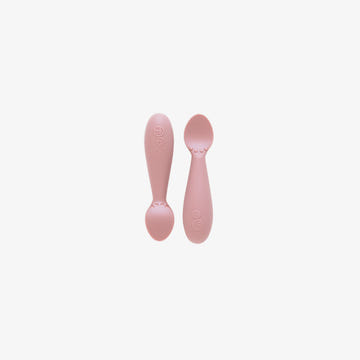
ezpz Baby-Led Tiny Spoons infant self-feeding spoons
$15.99

better baby care Better Baby Bottle Pair Plastic-free
$45.00
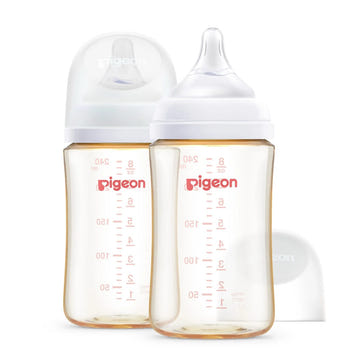
Pigeon PPSU Wide Neck Baby Bottles 2 Pack 8.1 oz 3+ ...
$35.99
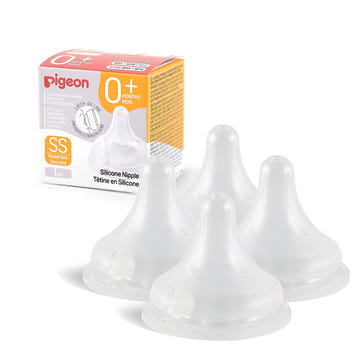
Pigeon Silicone Nipple SS 0+ Months Latch-On Line An...
$22.99

Mason Bottle Silicone Sleeve 2-Pack Fits 4 oz and 8 ...
$16.99
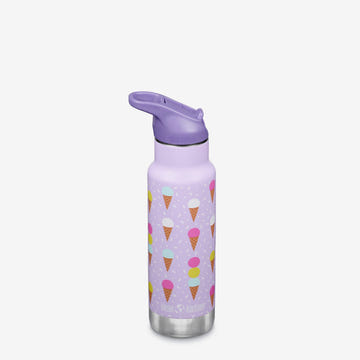
Klean Kanteen 12oz Kid's Classic Insulated Bottle Fl...
$25.95
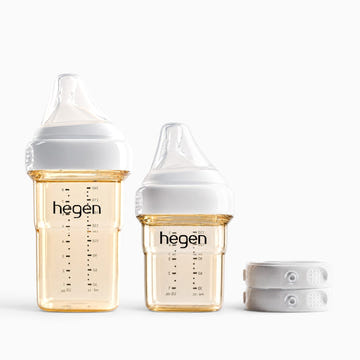
hegen PPSU Baby Bottle Starter Kit 150ml 240ml 0-6 m...
$59.99
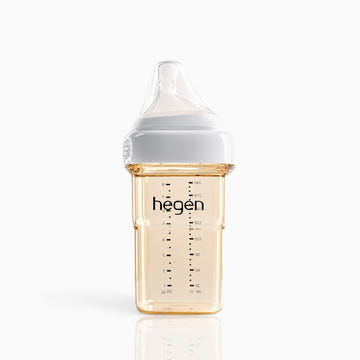
hegen PPSU Anti-Colic Baby Bottle 240ml White Medium...
$24.99
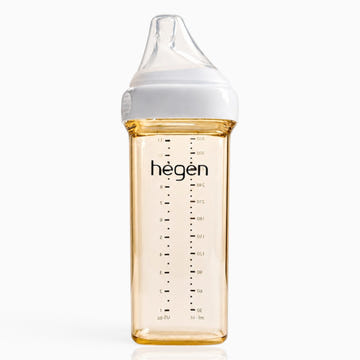
hegen PPSU Anti-Colic Baby Bottle 330ml 11oz White F...
$27.99