


When you're dealing with everything from a sudden fever to a tiny scrape, a well-stocked baby first aid kit is your go-to command center for handling minor health hiccups at home. Think of it as your personalized collection of baby-safe medical supplies and comfort items, all ready to go so you can act quickly and calmly when you need to.
Why Every Parent Needs a Baby First Aid Kit
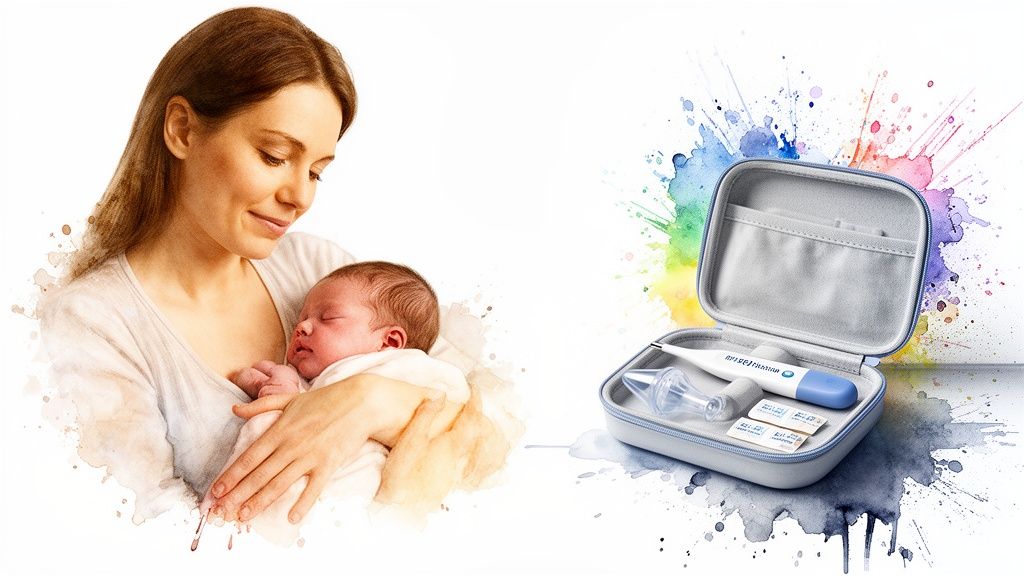

Looking down at your brand-new baby, it’s normal to feel a powerful mix of love and, let’s be honest, a little bit of panic. A dedicated baby first aid kit helps turn that worry into confidence, making you feel less like a nervous bystander and more like an empowered, prepared parent.
Free US shipping over $100
Real essentials, picked by real moms
Take 25% off at checkout, applied automatically when you shop through this link.
Shop with READER25 →Free US shipping over $100. Code applies automatically at checkout.
When you have the right supplies within arm's reach, you're not fumbling around during a stressful moment. A surprise fever, an odd-looking rash, or a little tumble becomes something you can handle. It’s not about borrowing trouble; it's about being ready to give your baby comfort and care the second they need it. The right response in those first few minutes can make all the difference.
More Than Just Bandages
A truly great first aid kit thinks about the unique needs of both you and your baby. Of course, it has essentials like a thermometer and antiseptic wipes. But it should also be about overall well-being. That's where things for parental comfort come in, because when you feel supported, you can be a better caregiver.
For new moms, breastfeeding can be a real challenge, and sore, cracked nipples can feel like their own first aid emergency. That’s why so many parents are now adding items for their own recovery to the kit.
One mom, Sarah, told us she was about to give up on breastfeeding because the pain was just too much. A friend suggested she try Moogco Silver Nursing Cups. She was skeptical but gave them a shot and felt relief almost right away. The pure silver has natural antimicrobial and healing properties that soothed her skin, helping her heal and get back to her breastfeeding journey.
This is a perfect example of how first aid is really about total family wellness. These unique silver nursing cups are a fantastic addition that supports the parent-baby bond, making them a key part of any holistic baby care setup.
Confidence in Critical Moments
In a lot of homes, a baby first aid kit is the one thing that stands between a minor scare and an unnecessary trip to the ER. It's a shocking statistic, but over 40–60% of parents admit they don't feel confident giving first aid to a young child, and even fewer have a fully stocked pediatric kit at the ready.
Having the right tools—like a baby-safe thermometer and saline drops—empowers you to act effectively in those crucial first 3–5 minutes after something happens, which can completely change the outcome. To get started on building that confidence, take a look at our guide on the baby first aid basics every parent should know.
Your Complete Baby First Aid Kit Checklist
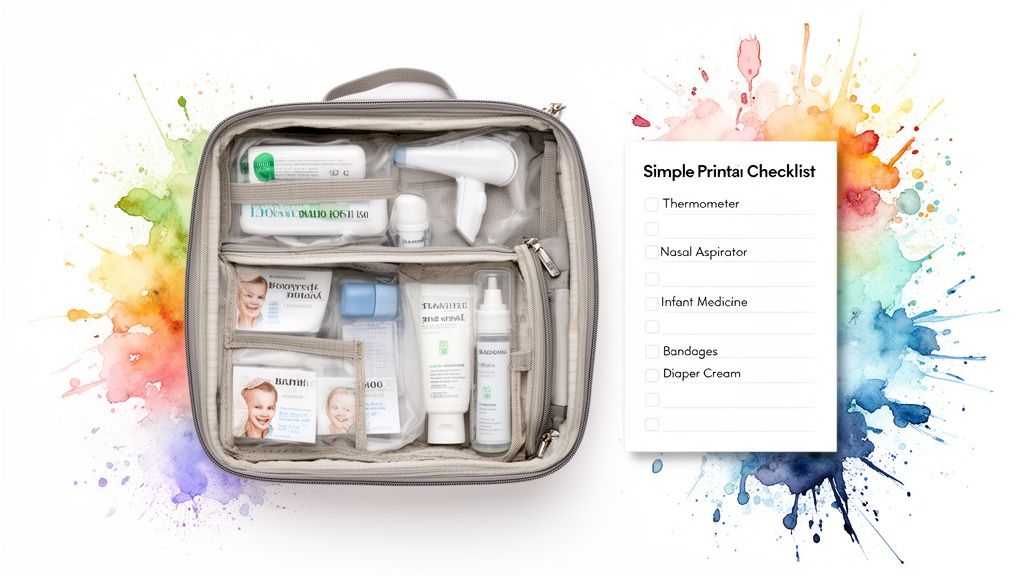
Alright, now that you know why a baby first aid kit is non-negotiable, let’s get to the fun part: building it. Think of this as your master shopping list, designed to completely take the guesswork out of being prepared. When you have a well-stocked, organized kit, you can act fast and stay calm, grabbing exactly what you need in seconds.
To make things easy, we’ve broken down the must-haves into four simple categories: Health & Wellness, Wound Care, Medication, and Skin Care. We’ll even point out what’s most crucial based on your baby’s age, because what a newborn needs is a world away from what a wobbly, curious toddler requires.
Parents today are more proactive than ever. In fact, the baby safety products market was valued at about USD 256.2 billion in 2024 and is expected to hit USD 446.24 billion by 2035. That’s because modern parents are investing in tools like thermometers and medicine syringes that empower them to respond confidently at home.
Below is a detailed list of what you'll want to have on hand. For a quick, at-a-glance version you can take to the store or save to your phone, check out our printable checklist table.
Printable Baby First Aid Kit Checklist by Age
This table breaks down everything you'll need, organized by category. We've also included columns to show what's essential as your baby grows from a newborn into an adventurous toddler.
| Item | Category | Newborn (0-6M) | Infant (6-12M) | Toddler (1+) |
|---|---|---|---|---|
| Digital Thermometer | Health & Wellness | ✅ | ✅ | ✅ |
| Nasal Aspirator | Health & Wellness | ✅ | ✅ | ✅ |
| Saline Nasal Spray/Drops | Health & Wellness | ✅ | ✅ | ✅ |
| Nail Clippers/File | Health & Wellness | ✅ | ✅ | ✅ |
| Infant-Sized Bandages | Wound Care | ✅ | ✅ | |
| Sterile Gauze & Medical Tape | Wound Care | ✅ | ✅ | ✅ |
| Antiseptic Wipes | Wound Care | ✅ | ✅ | ✅ |
| Antibiotic Ointment | Wound Care | ✅ | ✅ | ✅ |
| Tweezers | Wound Care | ✅ | ✅ | |
| Infant Acetaminophen | Medication | ✅ (over 2M) | ✅ | ✅ |
| Infant Ibuprofen | Medication | ✅ (over 6M) | ✅ | |
| Medicine Syringe/Dropper | Medication | ✅ | ✅ | ✅ |
| Electrolyte Solution | Medication | ✅ (with MD) | ✅ (with MD) | ✅ (with MD) |
| Diaper Rash Cream | Skin & Comfort | ✅ | ✅ | ✅ |
| Hydrocortisone Cream | Skin & Comfort | ✅ (with MD) | ✅ (with MD) | ✅ (with MD) |
| Petroleum Jelly | Skin & Comfort | ✅ | ✅ | ✅ |
| Gripe Water/Gas Drops | Skin & Comfort | ✅ (with MD) | ✅ (with MD) | |
| Moogco Silver Nursing Cups | Mom's Comfort | ✅ | ✅ | ✅ |
Having a checklist like this ensures you don’t miss a thing. As your child grows, you can simply revisit it and stock up on the next stage of essentials.
Health and Wellness Essentials
These are your front-line tools for diagnosis and comfort—the things you’ll reach for the moment your baby seems a little off.
- Digital Thermometer: For babies under three months, a rectal thermometer is the gold standard for accuracy. Once they're a bit older, you can switch to a forehead or ear thermometer for quick and easy readings.
- Nasal Aspirator: Newborns breathe almost exclusively through their noses. This means a stuffy nose isn't just a nuisance; it can actually interfere with their ability to eat and sleep. A simple bulb syringe or a more modern aspirator is an absolute must.
- Saline Nasal Spray/Drops: A few drops of saline are perfect for loosening up stubborn, thick mucus before you use the aspirator. It’s gentle, safe, and makes a huge difference.
- Nail Clippers or File: Those tiny fingernails are surprisingly sharp! Keeping them trimmed helps prevent your baby from accidentally scratching their face. Look for clippers with a safety guard or just use a soft emery board.
Wound Care Basics
From little paper-like cuts on their fingers to the inevitable scraped knees once they start moving, you’ll want a few things to clean and protect minor wounds.
- Infant-Sized Bandages: It's a good idea to have a variety of small adhesive bandages on hand. Trust me, fun character designs can be a surprisingly effective distraction for a fussy toddler.
- Sterile Gauze Pads and Medical Tape: For scrapes that are a bit too big for a regular bandage, gauze and gentle paper tape let you create a custom dressing.
- Antiseptic Wipes: Grab the alcohol-free kind. They do a great job cleaning the skin around a cut without the sting that causes tears.
- Antibiotic Ointment: After you've cleaned a scrape, a thin layer of this ointment will help prevent infection and encourage healing.
- Tweezers: You’ll be grateful you have these for safely removing any splinters. A pair with a fine, pointed tip will give you the best precision.
If you’re curious about what goes into a more comprehensive kit, you can always check out lists of general first aid kit supplies and adapt them for your little one.
Medications (with Your Doctor's Blessing!)
This part is crucial: Always, always consult your pediatrician before giving your baby any medication. Dosing is based on weight, not age, so getting professional guidance is non-negotiable.
- Infant Acetaminophen (like Tylenol): Usually approved for babies over two months old to help with fevers and pain.
- Infant Ibuprofen (like Motrin/Advil): Generally fine for babies over six months old. It’s also great for fever, pain, and reducing inflammation.
- Medicine Syringe or Dropper: This is the only way to measure and give liquid medicine accurately. Please don't use your kitchen spoons!
- Electrolyte Solution (like Pedialyte): It’s smart to have this on standby for rehydration if your baby has vomiting or diarrhea, but only use it if your doctor gives you the green light.
Skin Care and Comfort Items
A baby’s skin is incredibly delicate and can get irritated easily. These items will be your go-tos for soothing common skin issues and just providing a little extra comfort.
- Diaper Rash Cream: A good zinc-oxide-based cream is your best friend here. It creates a protective barrier that gives irritated skin a chance to heal.
- Hydrocortisone Cream (0.5% or 1%): Chat with your pediatrician about using this for minor irritations like mild eczema or itchy bug bites.
- Petroleum Jelly: This is the ultimate multi-tasker! Use it to protect chapped skin, as a lubricant for a rectal thermometer, or to create a moisture barrier.
- Gripe Water or Gas Drops: While every baby is different, many parents find these really helpful for relieving gas pains and general fussiness. Just run it by your doctor first.
"A well-stocked baby first aid kit isn't just about medicine; it's about preparation. Having comfort items for both baby and mom creates a circle of care that makes challenging moments feel more manageable."
Speaking of mom’s comfort, a true first aid plan covers everyone. If you're breastfeeding, soreness can be a real challenge. That's why adding Moogco Silver Nursing Cups to your kit is such a smart move. These silver nursing cups use the natural, antimicrobial power of silver to help heal cracked and sore nipples, so you can keep breastfeeding without the discomfort.
As you start gathering these supplies, feel free to browse our ultimate baby essentials checklist for a bigger-picture view of everything you might need for your new arrival.
Picks From This Story
Picks related to this guide, ready to ship from Moogco.

76.8 Inch Baby Bed Rail with Double Safety Child Lo...
$52.49
Little Martin's Portable Fetal Doppler USB Rechargea...
$69.99
Nanobébé Active Flexy Pacifier 4m+ 4-pack Pink Teal ...
$14.99

8 Sheep Organics Juniors Bedtime Lotion deep sea mag...
$23.00
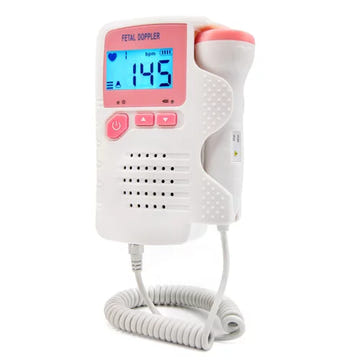
Little Martin's Drawer SpringBud FD-200B Fetal Doppl...
$52.99
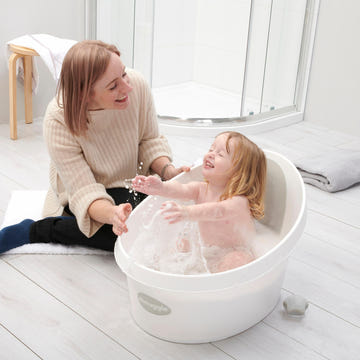
Shnuggle Toddler Bath Tub | Big Bath for bigger kids...
$76.95
How to Use Your Kit with Confidence
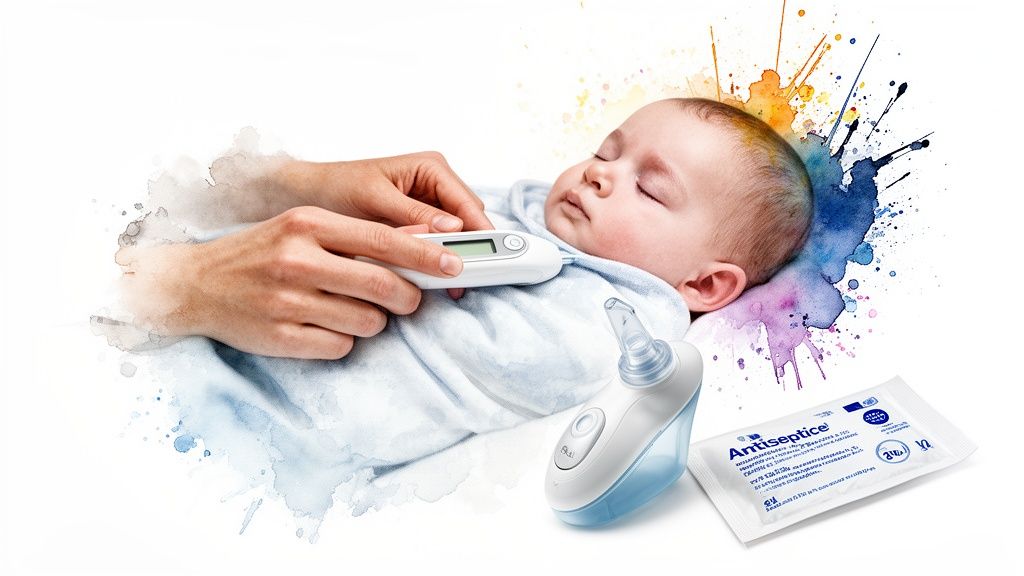
Having a well-stocked baby first aid kit is one thing, but feeling truly confident using everything inside when it matters most? That’s a whole different level of peace of mind. Let’s be real, the last thing you want is to be fumbling with a thermometer or a strange-looking bulb syringe in the middle of a stressful moment.
Think of this section as your hands-on training manual. We’re going to walk through the most common tools in your kit and break down how to use them, step by simple step. The goal is to get you so comfortable with these items that you can act quickly and calmly whenever your little one needs you.
Mastering the Rectal Thermometer
It might sound intimidating, but for babies under three months, taking a rectal temperature is the gold standard for accuracy. It's the best way to know for sure if they have a fever, and thankfully, the process is quick and easy once you know the drill.
- Prep Your Station: First things first, give that thermometer a good clean with soap and water or a swipe of rubbing alcohol. A little dab of petroleum jelly on the silver tip is the key to making insertion smooth and comfortable for your baby.
- Get Baby into Position: Lay your little one on their back and gently bring their legs up toward their chest, just like you would for a diaper change. This simple move helps relax all the right muscles.
- Gentle Does It: Turn on the thermometer and carefully insert the lubricated tip about half an inch into your baby’s rectum. The key is to be gentle and never force it. Most digital thermometers have a little ridge or colored tip to show you how far to go.
- Hold and Wait for the Beep: Keep a gentle but firm hold on the thermometer so it stays in place. When you hear the beep, you’re done! Carefully slide it out, give it a wipe, and check the reading.
Don’t forget to clean the thermometer thoroughly after each use. Keeping all your baby gear clean is a big deal, and we’ve got more tips in our guide on easy methods for sterilizing baby bottles and pacifiers.
Clearing a Stuffy Nose with a Nasal Aspirator
A stuffy baby is a miserable baby. Since they haven't mastered the art of blowing their nose, it's up to you to help clear things out so they can breathe, eat, and hopefully sleep a little more peacefully.
- Step 1: Loosen Things Up First: Before you even reach for the aspirator, put a drop or two of saline spray in each nostril. This little trick helps thin out stubborn mucus, making it way easier to suction out.
- Step 2: Squeeze and Insert: Squeeze all the air out of the bulb syringe to create a vacuum. While keeping it squeezed, gently place the tip just inside one of your baby’s nostrils.
- Step 3: Release and Remove: Slowly let go of the bulb. The suction will pull the mucus right out. Squeeze the gunk onto a tissue, wipe the tip, and you're ready for the other side if needed.
A clear nose can honestly be the difference between a rough, sleepless night and a peaceful one for the whole family. Getting the hang of this simple tool is a game-changer.
Administering Medicine Without the Mess
Trying to give liquid medicine to a wiggling baby can sometimes feel like a tiny wrestling match you’re destined to lose. But with a couple of smart tricks, you can get the medicine in without it ending up all over both of you.
The golden rule? Always use the oral syringe or dropper that came with the medicine to make sure you're giving the exact right dose.
- Aim for the Cheek Pocket: Don't just shoot the medicine straight to the back of their throat—that’s a one-way ticket to gagging and spitting. Instead, point the syringe toward the inside of their cheek.
- Slow and Steady: Push the plunger slowly, giving your baby a chance to swallow bit by bit. This helps prevent them from feeling overwhelmed and spitting it all back out.
- Keep Them Upright: Hold your baby in a semi-upright position while you're giving the medicine (and for a few minutes after) to help them swallow easily and safely.
Handling Minor Cuts and Scrapes
Once your baby starts moving, little bumps and scrapes are just part of the adventure. Knowing how to properly clean and cover them helps prevent infection and gets them back to exploring in no time.
- Stop the Bleeding: For minor scrapes, a little bit of gentle pressure with a clean cloth or a sterile gauze pad should do the trick.
- Clean It Out: Rinse the cut under cool running water to wash away any dirt. You can use a mild soap on the skin around the wound, but try to avoid getting it directly inside. Pat the area dry with a clean towel.
- Cover and Protect: A thin layer of antibiotic ointment can help, followed by a bandage that’s the right size. For bigger scrapes, a sterile gauze pad held on with medical tape works great. Just remember to change the dressing once a day or anytime it gets wet or dirty.
Sometimes, curious little explorers get things stuck in places they shouldn't—like a bead in the nose or a splinter in the finger. Being familiar with safe foreign body removal techniques can be a huge help for those unexpected moments.
First Aid for Mom and Baby Comfort
When you think about a baby first aid kit, your mind probably jumps straight to bandages, thermometers, and antiseptic wipes. And you're not wrong—those are the essentials for scrapes and fevers. But a truly great kit thinks bigger. It includes things for comfort, too, for both your baby and for you.
Think of these items as emotional first aid. They're the go-to tools for soothing tears, calming a fussy baby, and just as importantly, taking care of yourself during those demanding postpartum days.
It’s so easy to put your own needs last when a tiny human depends on you for everything, but your well-being matters just as much. A parent who feels supported is a better parent, plain and simple. This is especially true when you're navigating the beautiful but often bumpy road of breastfeeding, where your own comfort can feel like an emergency.
Supporting Mom Through Breastfeeding Challenges
For many new moms, breastfeeding is an incredible bonding experience, but let's be real—it can also be incredibly uncomfortable at first. Sore, cracked, or even bleeding nipples are way more common than people let on, and the pain can be so intense that it makes you question everything. This is where "first aid for mom" becomes a non-negotiable part of your baby care plan.
Take my friend, Clara. She was so excited to breastfeed her newborn son, but the pain from cracked nipples brought her to tears. She tried every cream and balm on the shelf with little relief. Feeling totally defeated and ready to give up, she mentioned it to a friend who suggested something completely different: Moogco Silver Nursing Cups.
She was skeptical, but honestly, she was also desperate. She decided to give them a shot.
"I was at my breaking point," Clara told me. "The pain was excruciating, and I felt like such a failure. Within just one day of using the silver nursing cups, I couldn't believe the difference. The constant rubbing was gone, and the pure silver felt like it was calming the irritation almost instantly."
A few days later, her skin was actually healing, and the pain was fading. The Moogco Silver Nursing Cups created this little protective shield that let her body recover naturally, without any messy creams. It was such a simple thing, but it didn't just save her nipples—it saved her breastfeeding journey. She was able to keep nursing her son, but this time with confidence and joy instead of dread.
Essential Comfort Items for Your Baby
Just like you need your own support tools, your baby has their own little discomforts that need soothing. Teething pain, gassy tummies, and general fussiness are pretty much a rite of passage for every infant. Tucking a few key comfort items into your baby first aid kit can be a total game-changer.
- Safe Teething Toys: Look for teethers made from soft silicone or natural rubber. Popping them in the fridge (not the freezer—they can get too hard and hurt little gums!) gives your baby a nice, cool surface to gnaw on for sweet relief.
- Gripe Water or Gas Drops: Lots of parents swear by these for taking the edge off gas and colic. As with anything you give your baby, it’s always a good idea to run it by your pediatrician first.
- A Familiar Swaddle or Lovey: Sometimes the best medicine is just a feeling of security. Having a soft, familiar blanket or toy on hand can work wonders to calm a baby who is upset or overstimulated, especially when you're not at home.
When you start to think of "first aid" as something that includes comfort and your own well-being, you create a much more complete and realistic circle of care. For more tips on getting through those early days, you can learn all about nipple care during breastfeeding in our comfort guide. It's another great resource to help you feel just as cared for as your little one.
Keeping Your First Aid Kit Ready for Action
Putting together your baby’s first aid kit feels like a major parenting win, but it’s not something you can just set and forget. A kit that's out-of-date or messy isn't much help when you're fumbling around in the dark with a crying baby. Keeping it ready is just as crucial as building it.
Think of it like the smoke detectors in your house; you check the batteries so you know they'll work when it matters most. Same idea here. A little bit of regular upkeep means your supplies are safe, effective, and right where you need them in a pinch.
Where and How to Store Your Kit
First things first, you need a smart spot to keep the main kit. The goal is somewhere you can get to in a hurry, but your little one absolutely can't. A high shelf in a hall closet or the kitchen pantry usually works perfectly. Try to avoid the bathroom—all that steam and humidity can ruin medications and make bandages lose their stick.
Lots of parents swear by the two-kit system, and for good reason:
- The Main Home Kit: This is your fully-stocked command center with everything you might need.
- The Go-Bag Kit: A smaller, more portable version that lives in your diaper bag or car for those inevitable playground scrapes and park mishaps.
Having both means you’re prepared whether you’re at home or out and about. It's no surprise that parents are looking for better, more organized ways to store these essentials. In fact, the global market for first aid kit packaging is projected to hit USD 371.02 million by 2034, mostly because parents want durable, child-safe containers. You can dig into more of the data behind this trend over at Stats Market Research.
The Six-Month Check-Up Habit
The key to keeping your kit in fighting shape is to build a simple habit. You don't need a complicated spreadsheet—just a reminder on your phone that pops up twice a year.
My best tip? Set a recurring calendar event for every six months. Call it "First Aid Kit Check" and you’ll save yourself the headache of discovering expired Tylenol at 3 a.m.
When that reminder dings, run through this quick three-step routine:
- Check Expiration Dates: Sift through everything with a date on it—medications, ointments, and even antiseptic wipes. If it’s expired, toss it and add a replacement to your shopping list.
- Restock Used Items: Did you go through all the infant fever reducer last month? Used up the last of the fun dinosaur bandages? Now’s the time to replenish your stock.
- Test Your Tools: Pop fresh batteries in your digital thermometer. You want to trust that reading when your baby feels warm.
More Related Picks
A few more favorites from the same collection.
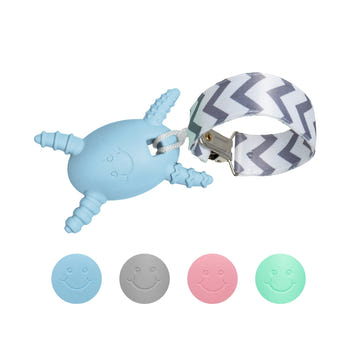
The Teething Egg The Molar Magician baby teether 4 t...
$19.95
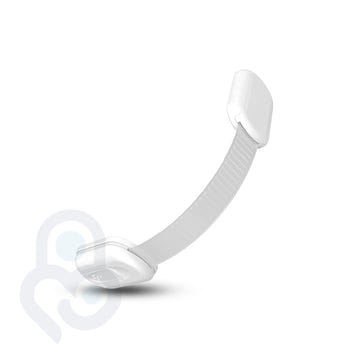
Baby Proof Me Adjustable Safety Strap Lock 3M Adhesi...
$9.95
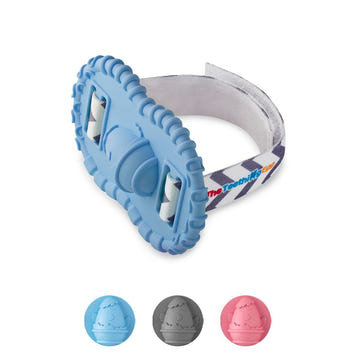
The Teething Egg Wristie Teether for 3-12 Months Adj...
$9.99
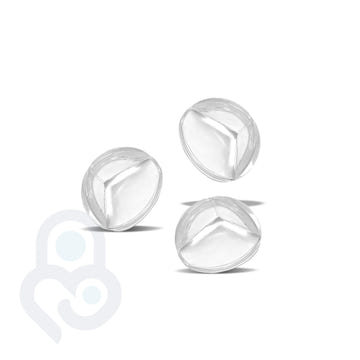
Baby Proof Me Clear Table & Counter Corner Protector...
$9.95
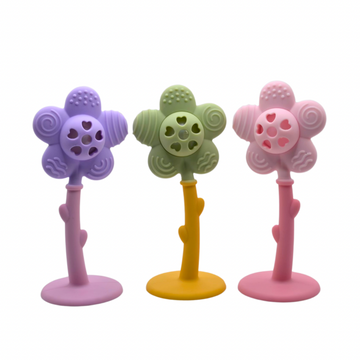
Golden Baby Rattle Teethers food grade silicone for ...
$7.99
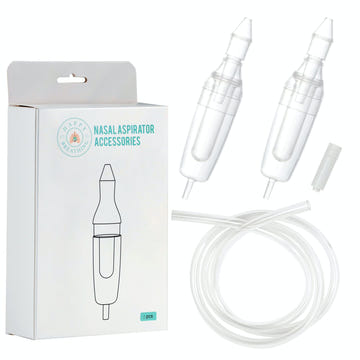
Happy Breathing Suction Replacement Accessories 2 Ti...
$14.99
Choking: What to Have, and What to Practice
Choking is the emergency parents fear most and prepare for least. The order matters more than any product: call 911, then back blows and abdominal thrusts, or back blows and chest thrusts for a baby under one. Take an infant and child CPR class if you have not yet, because the muscle memory is what you will actually reach for.
Alongside that, many families now keep a suction based airway device in the first aid drawer as a backup for the moment when the standard steps have not cleared the airway and help is still on the way. It is a supplement, not a replacement, and it only helps if you have opened the box and practiced with the mask beforehand. Worth knowing before you shop: these devices are not endorsed by the American Academy of Pediatrics, and the evidence behind them is thin, so treat one as a last resort you hope to never open, not as the reason to skip a CPR class.
How the devices differ
If you search this category you will meet the same names again and again. LifeVac and Dechoker are the two best known, and both are manual: you place the mask and pull the handle or plunger yourself, with the force coming from your own arm. That is workable if you have practiced, and harder than it sounds when your hands are shaking. The newer automatic devices, like the Exhaly kit below, replace the pull with a button, so the device generates the suction and you only have to hold the seal. The other thing to compare is masks: a kit with adult, pediatric and infant sizes covers everyone in the house, while a single fixed mask does not.
Whatever you choose, look for a device with a one way valve, masks you can clean and practice with, and a size that fits where you will actually keep it: the kitchen drawer, the car, the diaper bag.

One press creates the suction, and the kit includes adult, pediatric and infant masks, so one device covers the whole family. The masks clean and reuse, which means you can practice the motion tonight.
See This PickIn a choking emergency, call 911 first and follow standard first aid. No device replaces those steps or emergency medical care.
Knowing When to Call for Help
One of the steepest learning curves for any new parent is figuring out when a sniffle is just a sniffle and when it’s something more. While your baby first aid kit is your best friend for handling minor issues, knowing when to escalate things and call a professional is absolutely crucial.
Instead of getting caught in a spiral of worry, it helps to have a clear mental framework. We’ll break it down with a simple Green-Yellow-Red light system to help you assess any situation quickly and confidently.
The Green Light: You’ve Got This
Green light situations are the everyday bumps, scrapes, and stuffy noses of babyhood. These are exactly the moments your first aid kit was built for.
Think of those small tumbles that result in a little scrape, a low-grade fever in a baby over three months old who is otherwise happy and playing, or a stuffy nose you can easily clear with a bulb syringe. You can confidently manage these at home, providing immediate comfort and care without needing to race to the doctor.
The Yellow Light: Time to Call the Pediatrician
Yellow light scenarios are those "Hmm, I'm not so sure about this" moments. Your parent gut is a powerful tool—if you're feeling worried, a quick call to the pediatrician is always the right move. These situations aren’t typically life-threatening emergencies, but they do need a doctor's input.
You should definitely give them a ring for things like:
- A fever that won't quit. This includes any fever in a newborn (under 3 months) or a fever that hangs around for more than a few days in an older baby.
- A weird-looking rash. If it’s spreading quickly, looks like blisters, or shows up alongside a fever, it's time to call.
- Vomiting or diarrhea. Keep a close eye out for signs of dehydration, like fewer wet diapers than usual.
- Crying you can't solve. If your baby is completely inconsolable and nothing you do seems to help, there might be something else going on.
- Possible allergic reactions. This could be minor hives after trying a new food. For a deeper dive into what to look for, check out our guide on allergy medicine for infants.
Remember, your pediatrician's office has nurses on staff who are pros at helping you figure out what to do next.
The Red Light: This is a Real Emergency
Red light situations are true medical emergencies that require an immediate 911 call or a trip to the ER. Don't second-guess yourself here. Every second matters.
Call 911 or go to the emergency room immediately if your baby:
- Is struggling to breathe. Look for fast breathing, wheezing sounds, or the skin sucking in around their ribs with each breath.
- Is limp, unresponsive, or unusually drowsy. If you can't wake your baby easily, it's an emergency.
- Has a seizure. This often looks like their body stiffening and making jerking movements.
- Has a serious injury. This includes a deep cut that won't stop bleeding or any fall where you're worried about a head injury.
- Shows signs of a severe allergic reaction (anaphylaxis). Swelling of the lips or tongue, widespread hives, and difficulty breathing are all major red flags.
To make it even clearer, here’s a quick-reference table to help you decide on the best course of action for common baby health concerns.
When to Use Your Kit vs. Call a Doctor
| Symptom / Situation | Use First Aid Kit | Call Pediatrician | Call 911 / Go to ER |
|---|---|---|---|
| Minor scrape on knee | ✓ | ||
| Fever over 100.4°F in a 2-month-old | ✓ | Maybe, follow doctor's advice | |
| Spreading, blistery rash | ✓ | ||
| Wheezing or labored breathing | ✓ | ||
| Vomiting once after feeding | ✓ (monitor) | ||
| Multiple episodes of vomiting/diarrhea | ✓ | Maybe, if dehydrated | |
| Swallowed a small, non-toxic object | ✓ | ||
| Unresponsive or difficult to wake | ✓ |
This chart isn't exhaustive, but it gives you a solid starting point. When in doubt, always err on the side of caution and make the call.
When to Call Poison Control
One more critical number needs to be on your fridge and saved in your phone: the Poison Control hotline.
Poison Control: 1-800-222-1222
This is a free, 24/7 service with experts ready to help. Call them immediately if you even suspect your child has swallowed something they shouldn't have, whether it's medicine, a cleaning product, or a houseplant. They’ll tell you exactly what to do.
Speaking of being prepared, keeping your kit itself in top shape is just as important as knowing what's inside.
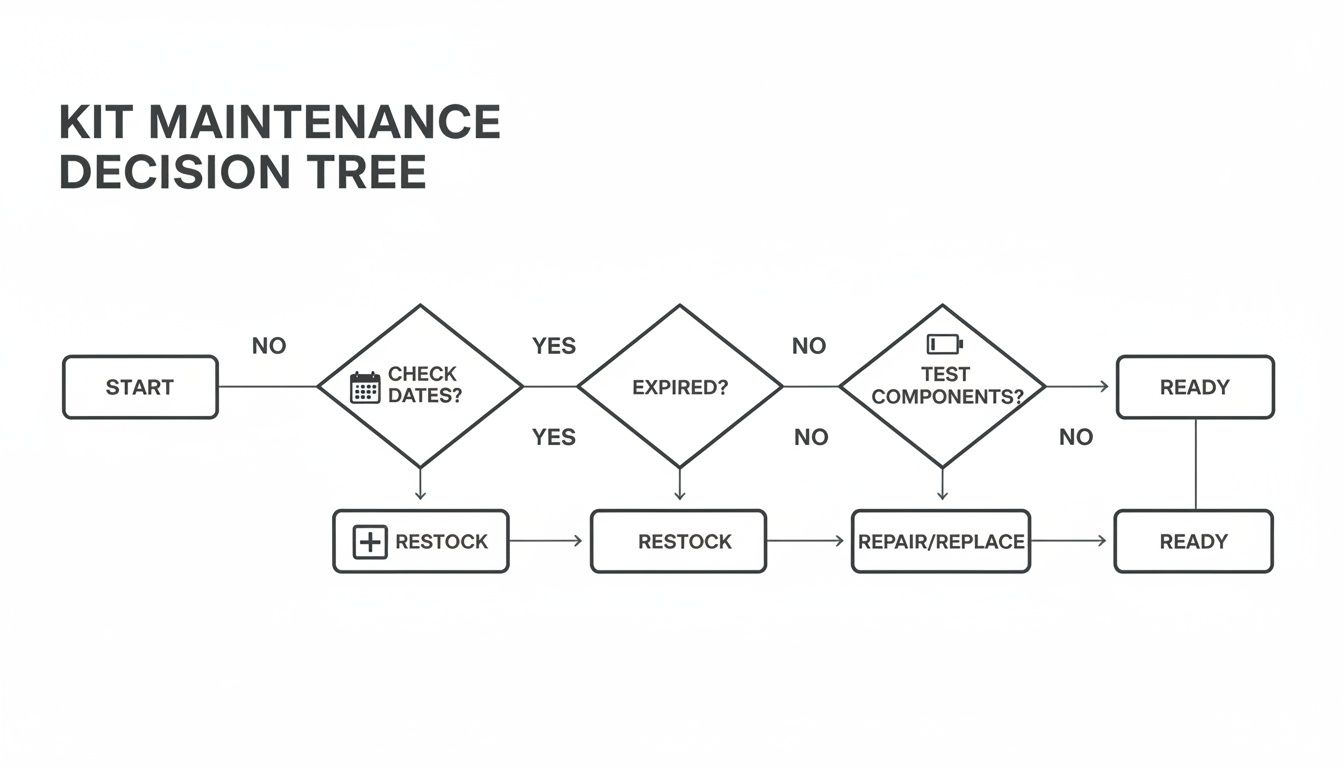
This simple flowchart is a great visual reminder to periodically check expiration dates, restock anything you've used, and test your battery-powered tools. A well-maintained kit is a reliable one.
Answering Your Top Baby First Aid Kit Questions
Putting together your baby first aid kit is a huge confidence booster, but it's totally normal to still have a few questions floating around. Let's tackle the most common ones so you can feel completely ready for anything.
Is it Okay to Just Buy a Pre-Made Kit?
Of course! Pre-made kits are a fantastic shortcut for busy parents. They do a great job of covering the absolute essentials, giving you a solid foundation right from the start.
But think of it like buying a new car—the base model is great, but the real magic is in the upgrades. You'll definitely want to personalize it. Add that specific diaper rash cream you swear by, your preferred brand of infant pain reliever, or any other comfort items unique to your little one. This turns a generic kit into your family’s go-to emergency hub.
How is a Baby First Aid Kit Different from a Regular One?
The biggest difference is that everything inside is designed specifically for a baby's tiny, delicate body. A baby first aid kit swaps out standard items for pint-sized, baby-safe versions.
You’ll find tools like a rectal thermometer (still the gold standard for infant temperature accuracy) and a nasal aspirator built to clear tiny, congested nostrils. The medications are different, too. Instead of adult pills, you'll have infant-specific liquid acetaminophen or ibuprofen, complete with special dosing syringes to ensure you give the exact, weight-based amount every time. Just as important is what's left out—no adult-strength medicines or choking hazards.
One new mom, Jess, shared a story that perfectly captures why a customized kit is so important. She was struggling with the pain of cracked nipples and was close to giving up on breastfeeding. Her standard kit had nothing for her, but a friend suggested adding Moogco Silver Nursing Cups to a "mom care" section.
Jess couldn't believe the difference. The natural healing properties of the silver nursing cups soothed her soreness within just a few days, and she was able to continue breastfeeding confidently. Her story is a powerful reminder that a great kit takes care of mom's comfort right alongside baby's needs.
Where’s the Best Place to Keep the First Aid Kit?
You need a spot that's quick and easy for any adult to find but completely impossible for a curious toddler to reach. Think high up and out of sight. A top shelf in a central hall closet or the kitchen pantry are both excellent choices.
Try to avoid the bathroom. The constant humidity from showers and baths can degrade medications and make adhesive bandages less sticky. And one last tip: create a mini-version of your main baby first aid kit to live permanently in your diaper bag. That way, you're never caught unprepared when you're out and about.
At Moogco Baby, we know that being prepared is the key to peace of mind. We curate thoughtful essentials for both mom and baby, including our celebrated Moogco Silver Nursing Cups designed to support you through your breastfeeding journey. Explore our collections to find everything you need to feel cared for and confident. Discover more at Moogco Baby.
Related Guides You Might Love
- A New Mom’s Guide to Breast Pumping Supplies
- Your Guide to Soothing Relief with Moogco Silver Nursing Cups
- Your Guide to Soothing Relief with Moogco Silver Nursing Cups
- A New Mom’s Guide to Breast Pumping Supplies
- How to Increase Milk Supply Fast A Practical Guide for Nursing Moms
- The Ultimate Guide to the Best Stain Remover for Baby Clothes
- The Ultimate Guide to the Best Stain Remover for Baby Clothes
- How to Increase Milk Supply Fast A Practical Guide for Nursing Moms
- The Essential Guide to the Best Breast Milk Storage
- Your Guide to Breast Pump Insurance and Getting a Free Pump
Bring this guide home with 25% off.
Use code READER25 for 25% off →
Frequently Asked Questions
How Often Should I Update or Replace Items in My Baby First Aid Kit?
Check your kit every six months for expired medications, ointments, and sterile supplies like gauze. Thermometer batteries should be tested regularly, and saline drops typically expire within 12 months of opening. As your baby grows, you'll also want to swap out age-specific items like switching from infant to toddler dosing for medications.
Can I Use Adult First Aid Supplies on My Baby in an Emergency?
Some items like gauze pads and antiseptic wipes are fine, but never use adult-strength medications or dosages on a baby without consulting your pediatrician. Adult bandages may be too large and pose choking hazards if they peel off. Always prioritize baby-specific, appropriately sized supplies for safety and effectiveness.
What Should I Do if My Baby Has a Fever and I Don't Have a Thermometer?
If your baby feels warm, is lethargic, or seems unwell, trust your instincts and call your pediatrician immediately, especially if they're under three months old. While you wait, keep them comfortable with light clothing and monitor for other symptoms. A thermometer is essential, so make it your first priority to add one to your kit.
Should I Include a First Aid Manual or Instructions in My Kit?
Absolutely! A quick-reference guide with pediatric CPR steps, choking response, and fever management is invaluable during a crisis when you can't think clearly. Laminated cards or a small booklet can be lifesavers. Many parents also keep emergency phone numbers taped inside the kit lid for instant access.
What Temperature Counts as a Fever in a Baby?
For babies under three months, a rectal temperature of 100.4°F or higher is considered a fever and requires immediate medical attention. For older babies, a fever is typically defined as 101°F or higher rectally. Always call your pediatrician if you're unsure or if your baby shows other concerning symptoms like difficulty breathing or extreme fussiness.
Can I Travel with My Baby First Aid Kit on a Plane?
Yes, but check TSA guidelines for liquids like saline spray and liquid medications, which must be in containers of 3.4 ounces or less unless medically necessary. Keep the kit in your carry-on so it's accessible during the flight. A travel-sized version with essentials like a thermometer, bandages, and any prescription meds is perfect for trips.
Do I Need Different First Aid Kits for Home and the Car?
Ideally, yes. Keep a full kit at home and a smaller, portable version in your car or diaper bag. Your car kit should include a thermometer, basic wound care, any regular medications, and a few comfort items. Having supplies in multiple locations means you're always prepared, whether you're at home or out and about.
What's the Best Way to Organize My Baby First Aid Kit So I Can Find Things Fast?
Use a clear container or a bag with labeled compartments so you can see everything at a glance. Group items by category using small pouches or ziplock bags, like one for medications, one for wound care, and one for wellness tools. Tape a checklist to the inside of the lid so you always know what's there and what needs restocking.
From Moogco Studio
Printable and personalized nursery essentials. Designed by moms for moms.


About the Editor
Eda Ulger is a co-founder of Moogco Baby, the editor of the Moogco Baby Journal, and a mom of two. She curates and edits our guides so every piece is honest, practical, and genuinely helpful for the early days of motherhood.
Shop This Story
Picks related to this guide, ready to ship from Moogco.
Garner's Garden Baby Hair Butter Unscented 100% All-...
$15.00
Garner's Garden Kids Natural Mouthwash Fluoride-Free...
$9.00
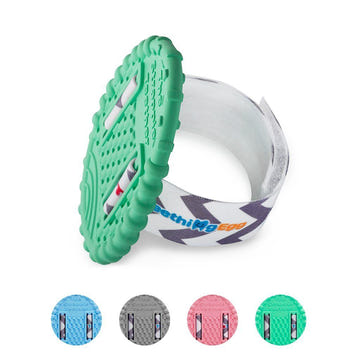
The Teething Egg Strappie Teether for Baby Carriers ...
$9.99
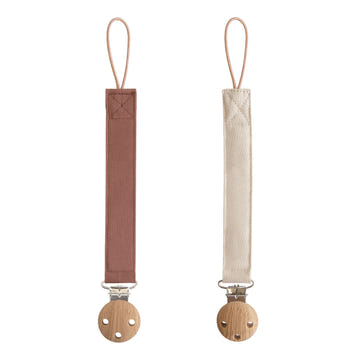
Mushie Linen Pacifier Clip 2-Pack linen clips faux w...
$15.99
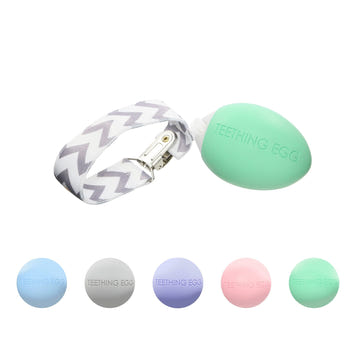
The Teething Egg®
$19.95
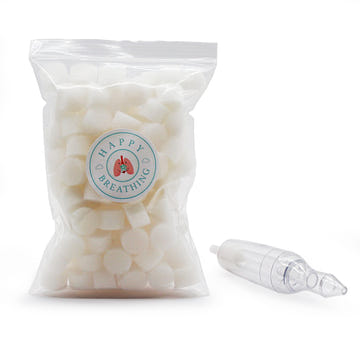
Happy Breathing Replacement Filters 100 Count Foam B...
$9.99
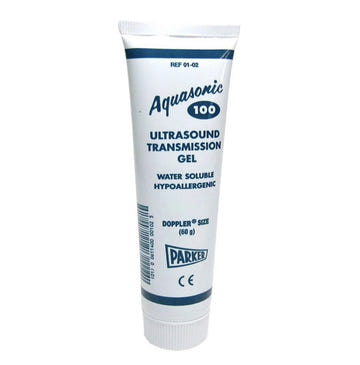
Aquasonic 100 Ultrasound Transmission Gel
$6.99
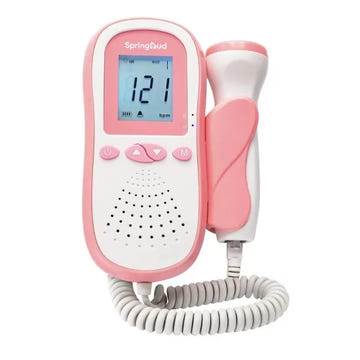
Little Martin's Drawer SpringBud FD-500B Fetal Doppl...
$59.99
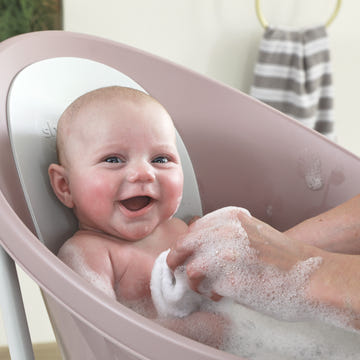
Shnuggle Baby Bath | Newborn baby bath Support with ...
$59.95
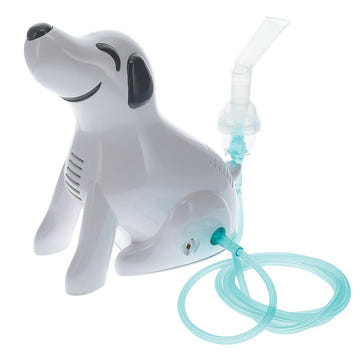
LL Medico BodyMed Pediatric Dog Compressor Nebulizer...
$29.99