


So, you’re diving into the world of pumping! It can feel like you’re suddenly trying to learn a new language made up of flanges, valves, and membranes. But don't worry, we're here to translate it all for you. Think of breast pumping supplies as your personal toolkit—all the essential gear you need to express, store, and feed your baby that precious liquid gold.
Your Essential Breast Pumping Supplies Checklist
Getting started with pumping is a big step, and having the right gear on hand from day one can make all the difference between a frustrating experience and a smooth one. This is about more than just a pump; it's about building your own little support system to make expressing milk as easy and comfortable as possible. Our goal is to help you feel confident, not overwhelmed.

And you're not alone in this! The demand for great breastfeeding supplies is huge. The market hit a whopping $2.8 billion globally and is expected to nearly double. That just goes to show how many moms are looking for reliable solutions to help them on their journey.
Top-rated pumps + accessories
Pumping made simpler
Take $15 off at checkout, applied automatically when you shop through this link.
Shop with BABY15 →Free US shipping over $100. Code applies automatically at checkout.
The Core Toolkit Every Pumping Mom Needs
Your breast pump might be the star of the show, but it has a whole cast of supporting characters that are just as important. Without all the right pieces working together in harmony, even the fanciest pump won't get the job done. Let's break down the absolute must-haves.
To get started, here's a quick look at the core items you'll want to have ready.
Essential Breast Pumping Supplies At-a-Glance
| Supply Item | What It Is | Why You Need It |
|---|---|---|
| Breast Pump | The device (electric, manual, or wearable) that creates suction. | This is the engine of your operation, responsible for expressing milk. |
| Flanges (Breast Shields) | The cone-shaped plastic parts that fit over your nipples. | Proper sizing is key for comfort and maximizing your milk output. |
| Valves & Membranes | Small, often silicone, pieces that regulate suction. | They are tiny but crucial! They create the vacuum needed to draw out milk. |
| Milk Collection Bottles | The bottles that screw onto your pump to catch the milk. | These are for immediate collection during your pumping session. |
| Milk Storage System | Specially designed bags or bottles for refrigeration/freezing. | Safely stores your milk for future feedings, protecting every drop. |
This table covers the basics, ensuring you have a functional setup right from the start.
Beyond the mechanical parts, your comfort is non-negotiable. So many moms, like Sarah from Austin, struggle with nipple soreness when they start pumping.
"I was ready to quit pumping," she told us. "The constant friction was just too painful. A friend recommended Moogco Silver Nursing Cups, and they were a game-changer. Wearing the silver nursing cups between sessions gave me the relief I needed to heal and keep going."
Her story is a perfect example of how one simple, supportive item can completely save a breastfeeding journey. For more ideas, check out our guide on other breastfeeding must-haves for a complete list.
And if you're helping a friend or family member build their toolkit, remember that practical items often make the best new mum gifts. Gifting something that genuinely helps a new mom feel more comfortable is one of the most thoughtful things you can do.
Finding the Right Breast Pump and Flanges
Choosing a breast pump is a lot like finding the perfect pair of running shoes—what works wonders for one person might be a terrible fit for another. The goal is to find a pump that truly matches your lifestyle, your body, and your specific needs. This decision is a cornerstone of building your breast pumping supplies, and just understanding your options is the first big step toward a comfortable and successful pumping journey.
The sheer variety of breast pumps on the market shows just how many mothers rely on this amazing tool. The global market was valued at over $1.64 billion and is only expected to grow, partly because more and more women are heading back into the workforce. This growth means there's a pump out there for everyone, which you can read more about in this Grand View Research analysis.
This handy little decision tree can help you figure out which supplies are essential for you.
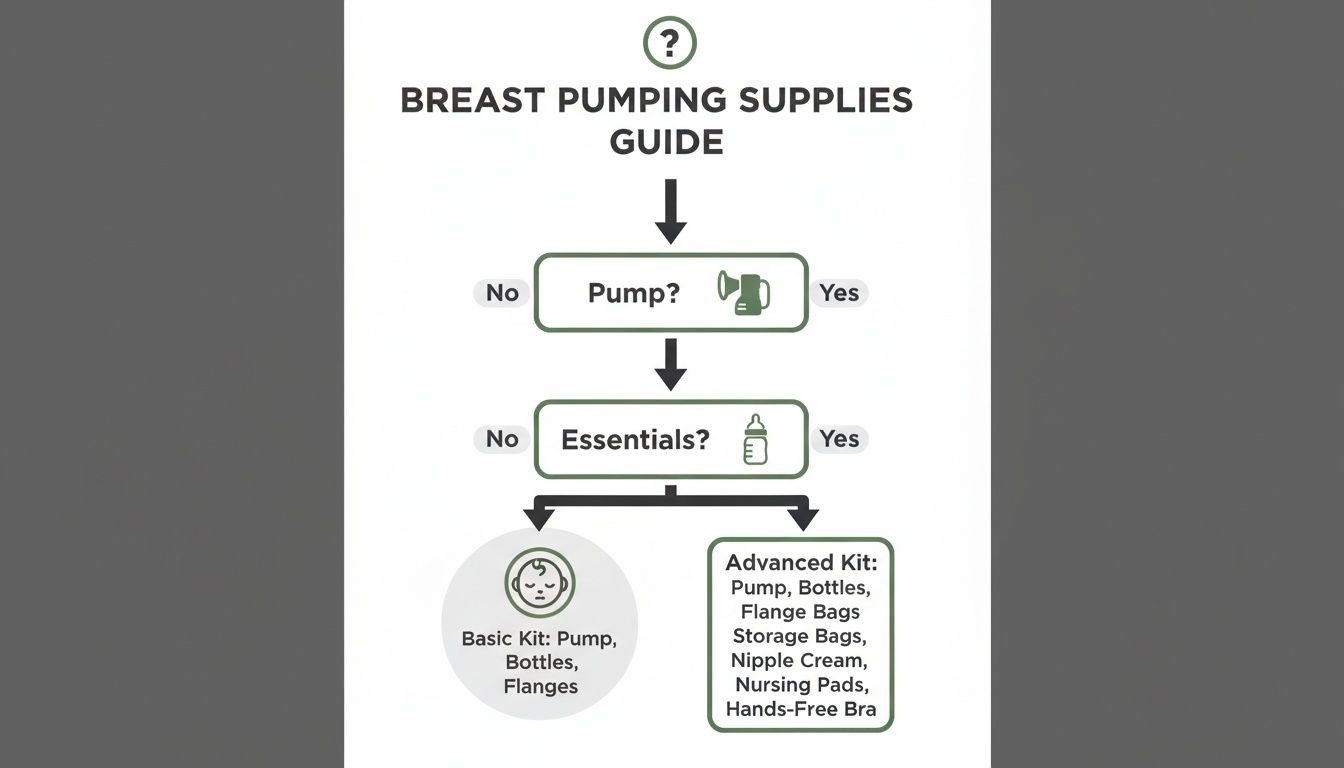
This visual guide breaks down the choices into simple, manageable steps, helping you put together your ideal pumping kit without feeling overwhelmed.
Comparing Your Breast Pump Options
Breast pumps generally fall into three main categories, each designed with different situations and moms in mind. To make it easier to see the differences at a glance, we've put together a simple comparison.
Breast Pump Type Comparison
| Pump Type | Best For | Pros | Cons |
|---|---|---|---|
| Double Electric | Moms pumping multiple times a day (e.g., returning to work), building supply. | Highly efficient, powerful suction, empties both breasts at once. | Less portable, requires a power source, can be loud. |
| Manual | Occasional pumping, travel, power outages, or as a backup. | Inexpensive, portable, quiet, no electricity needed. | Can be tiring on your hands, less efficient for frequent use. |
| Wearable | Multitasking moms, pumping on the go or at work, ultimate discretion. | Hands-free, discreet (fits in bra), quiet. | Can be expensive, may have less suction power than electrics, smaller milk capacity. |
Choosing the right type is so important. If you need a little more help weighing the pros and cons, our detailed guide can help you find the best breast pump for new moms based on your unique situation.
The Secret to Comfortable Pumping: Flange Sizing
Okay, let's talk about the single most important factor for comfortable and effective pumping: the flange fit. The flange, sometimes called a breast shield, is the plastic cone-shaped piece that fits over your nipple. Using the wrong size can cause pain, damage your nipples, and seriously reduce how much milk you get. It's a game-changer.
"I honestly thought the pain was just part of pumping. My nipples were cracked and bleeding, and I was so close to giving up. It wasn't until my lactation consultant realized my flanges were way too big. Once I got the right size and started using Moogco Silver Nursing Cups to heal between sessions, everything changed. The silver nursing cups were so soothing and helped me recover so I could actually keep going."
- Jessica, a mom of two
Jessica's story is incredibly common. So many moms don't realize that the "standard" flanges that come with their pump might not be the right fit for them at all.
How to Find Your Perfect Fit
Figuring out your flange size is surprisingly simple. All you need to do is measure the diameter of your nipple at the base, in millimeters (mm). Make sure you do this before you pump.
Then, just add 2-4 mm to that measurement. That’s your ideal flange size. For example, if your nipple measures 18 mm across, you’ll want to look for a 20 mm or 22 mm flange.
It's also crucial to recognize the signs of a bad fit:
- Too Small: Your nipple rubs uncomfortably against the sides of the flange tunnel. It feels like chafing, and it’s a definite red flag.
- Too Large: Way too much of your areola is being pulled into the tunnel along with your nipple. This can cause swelling and actually pinch off your milk ducts.
Taking a few minutes to find the right pump and properly sized flanges will completely transform your pumping experience. It’s the key to making every session as productive and, most importantly, as comfortable as possible.
Picks From This Story
Picks related to this guide, ready to ship from Moogco.
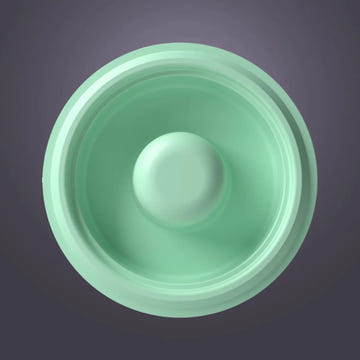
Healthy Horizons Elvie Stride Diaphragms 2 Pack
$21.99
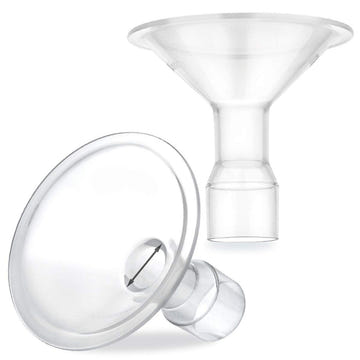
Bae & Bee Boutique Maymom Narrow Neck Flange compati...
$15.00
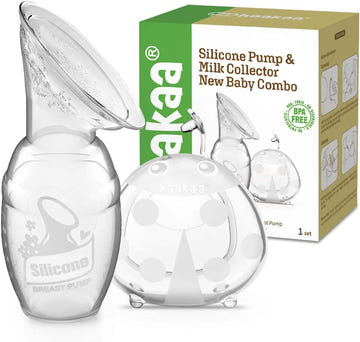
Haakaa Silicone Pump and Ladybug Milk Collector Comb...
$30.32
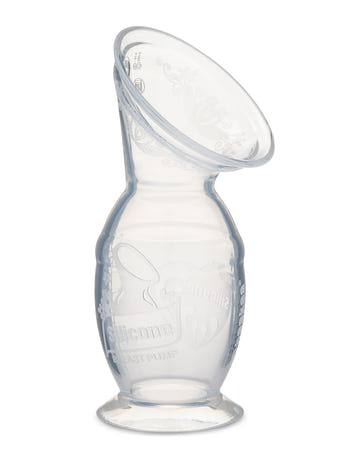
Haakaa Generation 2 Silicone Breast Pump 5 oz Suctio...
$20.99
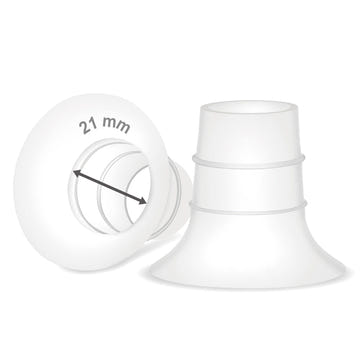
Bae & Bee Boutique Maymom Silicone Medela Flange Ins...
$6.00
Bae & Bee Boutique Silicone Flange Inserts 10-21mm
$16.00
Storing and Feeding Your Breast Milk
You did it! You’ve successfully pumped that liquid gold. Now, let’s talk about how to keep every precious drop safe so your baby gets all the good stuff. Properly handling and storing your milk is a huge part of the pumping game, and it makes sure all your hard work pays off.
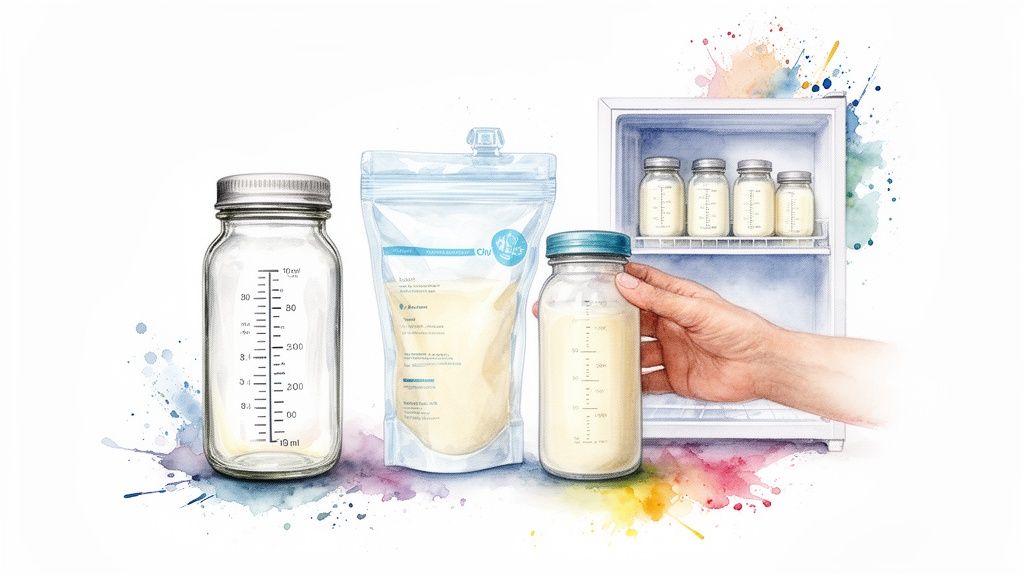
It might feel a bit like a science experiment at first, but I promise it becomes second nature. Just think of it like any other fresh food—a few simple rules about time and temperature are all you need to keep it perfect for your little one.
Safe Breast Milk Storage Guidelines
Freshly pumped milk is surprisingly resilient! Knowing how long it can last in different conditions will give you total peace of mind and help you build up a reliable stash for your baby.
Here’s a quick cheat sheet you can commit to memory:
- On the Counter: Freshly expressed milk is safe at room temperature (up to 77°F or 25°C) for up to 4 hours.
- In the Fridge: You can store fresh milk in the back of the refrigerator for up to 4 days. Just make sure it’s in the back where the temperature is most consistent.
- In the Freezer: For the long haul, you can freeze milk for up to 12 months. That said, it’s best to use it within 6 months to make sure it maintains its best quality.
These guidelines are your foundation. If you want to dive deeper, you can learn more about how to store breast milk in our complete guide, which covers everything from combining milk from different pump sessions to the best ways to thaw it.
Choosing Your Milk Storage Solution
When it comes to your breast pumping supplies, you’ve got two main choices for storage: single-use plastic bags or reusable bottles made of glass or BPA-free plastic. Honestly, there’s no wrong answer here; it just depends on your lifestyle and how much freezer space you have.
A word of advice from someone who’s been there: label everything! Always write the date on every single bag or bottle. In the fog of new parenthood, it's so easy to forget which milk is the freshest. The golden rule is first in, first out!
To make life easier, I’m a huge fan of dissolvable freezer labels. They stick perfectly when you need them to and then just wash away with zero scrubbing. No more sticky residue!
From Storage to Feeding Time
Alright, your baby’s hungry and it’s time to use some of that stored milk. How you warm it up is just as important as how you stored it. The goal is to be gentle to preserve all those amazing antibodies and nutrients you worked so hard to make.
Here are the key steps for a happy, safe feeding:
- Thaw the Right Way: If your milk is frozen, let it thaw overnight in the fridge. If you’re in a pinch, you can hold the bag or bottle under warm running water or place it in a bowl of warm water.
- Warm Gently: This is a big one: never microwave breast milk. It creates dangerous hot spots that can burn your baby’s mouth and, even worse, it destroys some of the milk’s vital nutrients. A bottle warmer or a simple bowl of warm water is the way to go.
- Do a Temp Check: Before you offer the bottle, give it a gentle swirl to mix in any fat that has separated. Then, test a few drops on the inside of your wrist. It should feel lukewarm, not hot.
Following this simple process ensures your baby gets all the incredible benefits of your milk. Getting the storage and feeding right is the final, crucial step in your pumping journey—turning all your effort into pure, healthy goodness for your little one.
Accessories for a More Comfortable Pumping Experience
The right accessories can completely transform your pumping routine, turning it from a chore into a much more manageable part of your day. While the pump and its parts are doing the heavy lifting, these game-changing items are all about supporting you. Think of them as the thoughtful additions to your breast pumping supplies that save you time, reduce frustration, and just make the whole experience smoother.
It’s a bit like upgrading your car. Sure, the engine gets you from point A to point B, but adding heated seats and a great sound system makes the drive infinitely better. That’s exactly what these accessories do for your pumping journey.
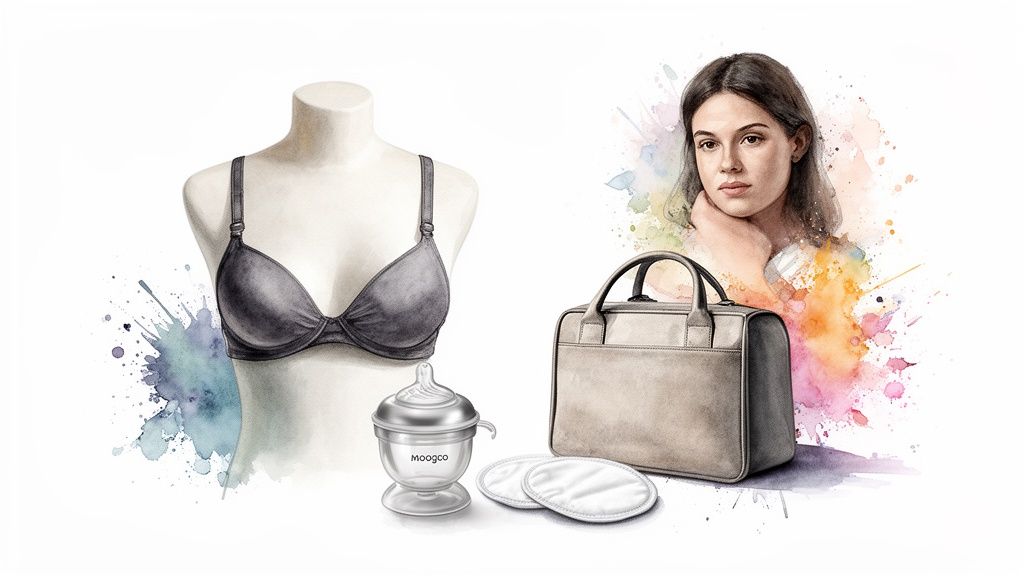 nursing pads, bag, and a serene woman.">
From getting your hands back to protecting your skin, these items solve the real-world challenges that come with pumping regularly. Let's dig into some of the must-have accessories that experienced moms absolutely swear by.
Game-Changers for Freedom and Comfort
Some pumping supplies have less to do with the mechanics of expressing milk and everything to do with your own well-being. These are the items designed to give you freedom, comfort, and peace of mind, making it so much easier to stick with your pumping goals long-term.
Here are a few things that consistently top the "can't-live-without" list:
- Hands-Free Pumping Bra: Honestly, this is non-negotiable if you pump more than occasionally. A good pumping bra holds the flanges securely in place, freeing up your hands to work, scroll through your phone, eat a snack, or just relax. It’s the key to multitasking and reclaiming your time.
- A Functional Pumping Bag: Don't even try to cram everything into a regular tote bag. A dedicated pumping bag has insulated compartments to keep your milk cold and specific pockets for your pump, parts, and all the little extras. It keeps you organized and ready to go, whether you're heading to the office or just another room in the house.
- On-the-Go Cleaning Wipes: When you can't get to a sink, pump and accessory wipes are an absolute lifesaver. They let you quickly clean your parts between sessions, so they're hygienic and ready for the next use—a must for work or travel.
- Soothing Nursing Pads: Leaks happen. It's just a reality of breastfeeding. Disposable or reusable nursing pads tuck right into your bra to soak up any drips, keeping your clothes dry and preventing skin irritation.
These pieces work together to build a support system that actually fits into your life, making the entire process feel less clinical and more like a natural part of your routine.
Nipple Care: The Secret to a Sustainable Journey
Of all the hurdles pumping moms face, nipple soreness is one of the biggest reasons they consider stopping. The constant friction and suction from pump flanges can lead to pain, cracking, and chafing, making you dread every single session. This is why dedicated nipple care is one of the most crucial breast pumping supplies you can have.
For years, the only answer was messy creams and balms that you had to remember to wipe off before feeding or pumping again. Thankfully, there’s a simpler, more natural way to find relief and help your body heal.
A Success Story with Silver:
"After just a week of pumping, my nipples were so sore and cracked that I cried every time I had to start a session. I was on the verge of giving up completely. My lactation consultant suggested I try Moogco Silver Nursing Cups. I was skeptical, but the relief was almost immediate. I just slipped the silver nursing cups into my bra between sessions. They didn't stick, they didn't require any creams, and they just... worked. They calmed the inflammation and allowed me to heal. Honestly, those little cups are the only reason I was able to keep breastfeeding."
- Emily, a mom from San Diego
Emily’s story gets right to the heart of it: when you find a solution that gives you comfort and lets your body heal, you're empowered to keep going. The natural properties of silver nursing cups create an ideal environment for recovery, making them an indispensable tool. Unlike creams, they harness silver’s natural antimicrobial and anti-inflammatory benefits to soothe and protect your most sensitive skin. They are a simple, effective way to ensure your comfort and make your pumping journey a sustainable, positive one. You can learn more about how Moogco Silver Nursing Cups can support you and provide that lasting relief.
How Moogco Silver Nursing Cups Saved My Pumping Journey
Let's be honest, all the guides and gear lists in the world don't mean much if you're in too much pain to pump. At the heart of it all are the real-life struggles and wins. This is one of those stories—about a mom named Sarah who was right on the verge of giving up.
Like so many of us, Sarah was all in on giving her baby breast milk. But just a few weeks into her journey, the reality of pumping hit hard. Her nipples were cracked, sore, and just unbelievably painful. She started to dread the sound of her pump turning on. The constant friction left her feeling completely defeated, and she was starting to think pumping just wasn't in the cards for her.
From Giving Up to Finding Relief
Right when Sarah was about to throw in the towel and pack her pump away, a friend told her about a surprisingly simple, natural fix she swore by: Moogco Silver Nursing Cups. Sarah was skeptical, but frankly, she was desperate enough to try anything. The difference, she told us, was almost immediate.
Instead of dealing with sticky creams that had to be wiped off before every single pumping session, Sarah just slipped the lightweight silver nursing cups into her bra. Right away, they formed a cool, protective shield over her nipples, stopping her clothes from causing any more irritation.
"I was honestly shocked at how quickly I felt better. The cooling sensation of the silver was instant relief, but the real magic was how they helped me heal. Within a couple of days, the cracks started to disappear, and the pain subsided. They didn't just treat the symptoms—they gave my body the space it needed to recover."
- Sarah, Mom and Moogco User
This was the turning point. It wasn't some high-tech gadget or a fancy new pump that saved her journey; it was one of the simplest breast pumping supplies out there.
Why Every Pumping Mom Needs These
Sarah's story gets to the core of what makes a pumping journey last: you have to be comfortable. If you're in constant pain, you just can't keep going. Moogco Silver Nursing Cups tackle that problem head-on.
Here’s a quick rundown of how they helped Sarah get back on track:
- Natural Healing: The cups are made from 925 sterling silver, which has natural properties that create the perfect environment to help soothe and repair sore, damaged skin.
- A Shield Against Friction: They act like a little suit of armor, protecting your sensitive nipples from rubbing against your pumping bra or nursing pads.
- Zero Mess, Zero Fuss: This is a huge one. Unlike lanolin or other balms, there's nothing to clean up. You just wear them. No need to wash them off before you pump or feed.
Her story is such a great reminder that the most powerful tools are often the simplest ones. By finding a way to get the physical pain under control, Sarah was able to get back to confidently providing for her baby, without dreading every session.
If any of this sounds painfully familiar, you can learn more about how these little lifesavers work in our deep dive on Moogco Silver Nursing Cups. They might just be what saves your journey, too.
More Related Picks
A few more favorites from the same collection.
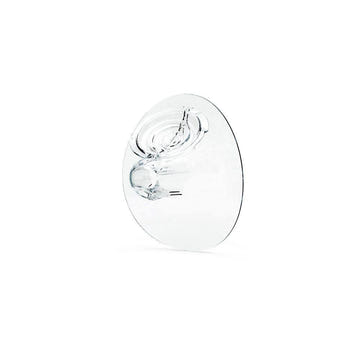
Healthy Horizons Elvie Pump Breast Shields 2 Pack 21...
$29.99
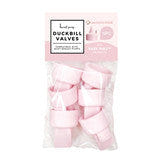
Bae & Bee Boutique Duckbill Valve Pink Replacement F...
$14.00
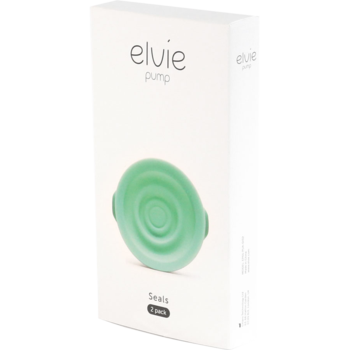
Healthy Horizons Elvie Pump Seals 2 Pack Spare Diaph...
$16.99
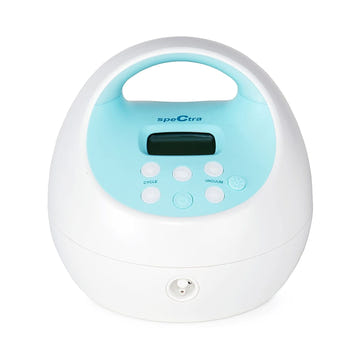
LL Medico Spectra S1 Plus Rechargeable Double Electr...
$216.00
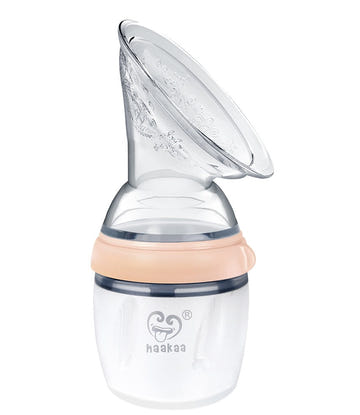
Haakaa Silicone Breast Pump Generation 3 160ml 250ml
$28.99
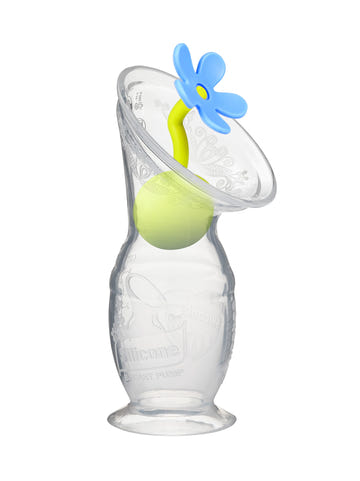
Haakaa Gen 2 Silicone Breast Pump 4 oz with Suction ...
$26.99
Cleaning and Maintaining Your Pumping Gear
Keeping your baby safe is everything, and that starts with squeaky-clean pump parts. It might sound like a lot of work, but getting into a simple, no-fuss cleaning routine is easier than you think. Good hygiene isn't just about protecting your little one from germs; it also keeps your pump working its best and helps it last longer.
Just think of it as a two-step dance: a quick wash after every single pumping session, followed by a deeper sanitizing clean at least once a day. This rhythm ensures every piece of your breast pumping supplies is safe and ready to go, giving you one less thing to worry about.
Your Daily Cleaning and Sanitizing Routine
After you pump, any part that touched your breast milk needs a good wash. This means the flanges, valves, membranes, and collection bottles all need attention.
A great tip is to use a dedicated wash basin just for your pump parts to avoid any yucky germs from the kitchen sink. Use hot, soapy water (a gentle, fragrance-free soap is best) and a small bottle brush to get into all those tiny nooks and crannies where milk can hide.
"I thought I had my cleaning routine down, but I was still struggling with sore nipples from what I assumed was pump friction. It turns out, even with perfect cleaning, my skin needed extra support to heal between sessions. Moogco Silver Nursing Cups were the missing piece. Wearing the silver nursing cups after cleaning my gear gave my skin a clean, protected space to recover, which was essential to keep me on my breastfeeding journey."
- Chloe, a new mom
Chloe's story is such a good reminder that it's all connected—clean gear and taking care of yourself go hand-in-hand. Even the cleanest pump can’t prevent all irritation, which is why supportive accessories like silver nursing cups can be a real game-changer. For a complete deep dive, check out our guide on how to clean your breast pump the right way.
Drying and Storing Your Pump Parts
Once everything’s washed, drying is just as important as cleaning. Whatever you do, don't grab a dish towel—it can just put bacteria right back onto your clean parts.
Instead, follow these simple steps for safe drying and storage:
- Air-Dry Thoroughly: Lay the freshly washed parts out on a clean paper towel or a special drying rack. Make sure air can circulate all around each piece.
- Avoid Assembling Wet Parts: Seriously, wait until every single component is bone dry before putting your pump back together. Any trapped moisture can become a perfect home for mold and bacteria.
- Store Safely: Once dry, pop the parts into a clean, covered container or a big, sealed food-safe bag. This keeps them protected from dust and anything else floating around until you need them again.
This little routine will become second nature in no time, protecting your baby’s health and keeping your gear in perfect shape.
Got Questions? We’ve Got Answers.
It's totally normal to feel like you have a million questions when you start pumping. Even when you think you have all the gear figured out, something new always pops up. This is where we tackle some of the most common questions we hear from moms just like you.
Think of this as a quick-reference guide for those moments of uncertainty. We're here to give you clear, straightforward answers to help you feel way more confident and prepared.
How Often Do I Really Need to Replace My Pump Parts?
This is a big one. Keeping your pump parts fresh is key to maintaining strong suction and keeping everything hygienic. It's a bit like tuning up your car—a little maintenance goes a long way for performance.
For moms who pump daily, here’s a good rule of thumb:
- Duckbill Valves: Swap these out every 1-2 months.
- Valve Membranes: These tiny pieces work hard, so replace them every 2-4 weeks.
- Backflow Protectors: Give these an update every 3-6 months.
- Tubing: You only need to replace tubing if you notice it’s gotten dirty or has moisture trapped inside.
Of course, always peek at your pump’s manual, as different brands can have slightly different timelines.
What’s the Deal with Silver Nursing Cups?
We love this question because the answer is so simple and so incredibly helpful. If you’re dealing with sore nipples from pumping—and let's be real, who isn't?—silver nursing cups are a game-changer. The friction from a flange can leave you feeling raw and irritated, making the thought of your next pump session dreadful.
"I was in so much pain from pumping that I was ready to quit breastfeeding altogether. A friend told me her secret was using silver nursing cups between every single session. I ordered a pair of Moogco Silver Nursing Cups that day, and they changed everything. The soothing relief allowed my skin to heal, and I was able to continue my journey. They're the one piece of advice I give every new mom."
- A Mom's Success Story
You just wear these little cups, like our Moogco Silver Nursing Cups, right inside your bra. The pure silver creates a natural environment that soothes and helps your skin heal. Trust us, they make the whole pumping journey so much more comfortable.
What Should I Pack in My Pumping Bag for Work?
Heading back to work can feel overwhelming, but a well-packed pumping bag can make a world of difference. Think of it as your portable pumping station.
Here’s a checklist to get you started:
- Your pump (of course!) and its power cord.
- A complete, clean set of pump parts.
- A cooler bag with an ice pack.
- Milk storage bags or a few bottles.
- A hands-free pumping bra is a must.
- Nursing pads to catch any unexpected leaks.
- Special pump cleaning wipes for quick cleanups.
- A wet/dry bag to toss your used parts into.
Having all your breast pumping supplies organized and ready to grab makes those pumping breaks at work smooth and stress-free.
At Moogco Baby, we know that having the right support can change everything. From healing essentials to practical gear, we’ve handpicked the very best to help you on your journey. Feel free to explore our collection of thoughtfully selected products designed for you and your baby right here: https://www.moogcobaby.com.
Related Guides You Might Love
- How to Increase Milk Supply Fast A Practical Guide for Nursing Moms
- Your Guide to Breast Pump Insurance and Getting a Free Pump
- Your Essential Guide to Building a Baby First Aid Kit
- A Mom's Guide to Willow Silver Nursing cups
- Your Guide to Soothing Relief with Moogco Silver Nursing Cups
- Your Guide to Soothing Relief with Moogco Silver Nursing Cups
- A Mom's Guide to Willow Silver Nursing cups
- Your Essential Guide to Building a Baby First Aid Kit
- Your Guide to Breast Pump Insurance and Getting a Free Pump
- How to Increase Milk Supply Fast A Practical Guide for Nursing Moms
Bring this guide home with $15 off.
Use code BABY15 for $15 off →
Frequently Asked Questions
How often should I replace my pump valves and membranes?
Those tiny valves and membranes work incredibly hard to create suction, so they wear out faster than you might think. Most experts recommend replacing them every 4 to 8 weeks, or sooner if you notice your suction getting weaker or if they look cracked or torn. Keep a few spare sets in your pumping bag so you're never caught off guard.
Can I use the same flanges for every pumping session, or do I need backups?
Having at least two sets of flanges is a lifesaver, especially if you're pumping several times a day. It gives you time to properly wash and sanitize one set while using the other. Plus, if one gets damaged or lost, you won't have to pause your pumping routine while waiting for a replacement.
Do I really need special milk storage bags, or can I use regular containers?
Special breast milk storage bags are designed specifically to protect your milk during freezing and thawing, and they're pre-sterilized for safety. Regular plastic bags can leak, tear, or contain chemicals that aren't safe for baby. Stick with bags or bottles made for breast milk to keep every drop safe and fresh.
How do I know if my pump is actually working properly?
A working pump should create steady, rhythmic suction without any strange noises or loss of pressure. If you notice decreased milk output, weaker suction, or hissing sounds, check your valves and membranes first as they're usually the culprits. Also make sure all connections are tight and that your flanges fit correctly.
Is it normal for pumping to hurt at first?
Some mild discomfort as you adjust is normal, but pumping should never be truly painful. If you're experiencing sharp pain, cracking, or bleeding, something is wrong, usually a flange sizing issue or the suction set too high. Don't push through pain thinking it's just part of the process. Adjust your setup and consider using soothing products like silver nursing cups between sessions to help your nipples heal.
Can I mix freshly pumped milk with refrigerated or frozen milk?
You can combine milk, but you need to chill the fresh milk in the fridge first for at least an hour before adding it to already-cold or frozen milk. Never add warm milk directly to frozen milk because it can partially thaw the frozen portion. Always label your storage containers with the date of the oldest milk in the batch.
What's the difference between collection bottles and storage bottles?
Collection bottles are what screw directly onto your pump to catch milk during your session. Storage bottles are designed specifically for keeping milk fresh in the fridge or freezer for longer periods. Some collection bottles can double as storage bottles, which is super convenient and means less transferring and fewer dishes to wash.
How many bottles and storage bags should I have on hand?
A good starting point is about 6 to 8 collection bottles so you always have clean ones ready, especially if you're pumping multiple times a day. For storage bags, grab a box of 50 to 100 to start, which will last you a few weeks depending on how much you're pumping and freezing. You can always stock up more as you settle into your routine.
From Moogco Studio
Printable and personalized nursery essentials. Designed by moms for moms.


About the Editor
Eda Ulger is a co-founder of Moogco Baby, the editor of the Moogco Baby Journal, and a mom of two. She curates and edits our guides so every piece is honest, practical, and genuinely helpful for the early days of motherhood.
Shop This Story
Picks related to this guide, ready to ship from Moogco.
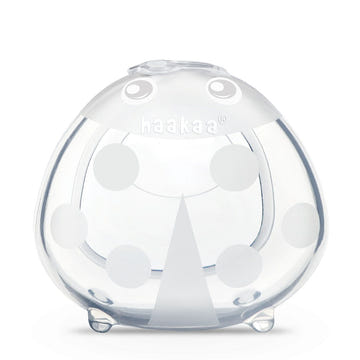
Haakaa Ladybug Silicone Milk Collector 2.5 oz 75 ml
$17.99
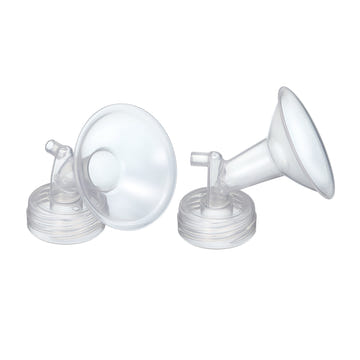
Cimilre Breast Shields set of two 21mm 24mm 28mm 32mm
$19.99
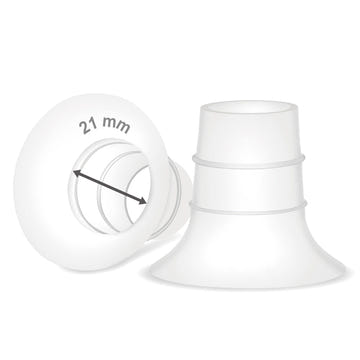
Bae & Bee Boutique Maymom Elvie Flange Inserts Semi-...
$6.00
Bae & Bee Boutique 4pc Maymom Silicone Membrane for ...
$10.00
Healthy Horizons Breastfeeding Centers Elvie Pump Sp...
$16.99
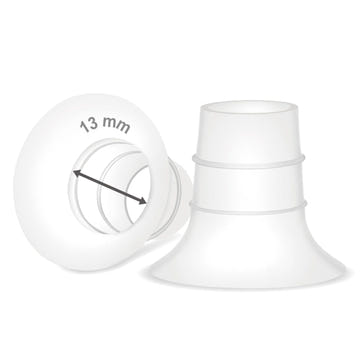
Healthy Horizons Maymom Flange Short Inserts 2 Pack ...
$14.99
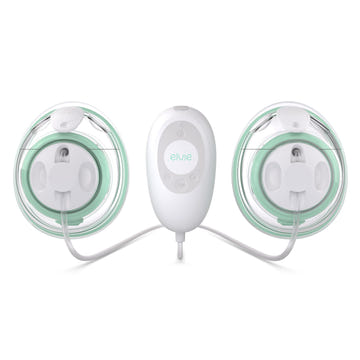
Healthy Horizons Elvie Stride wearable hands-free br...
$189.99
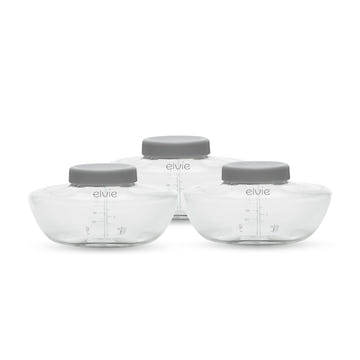
Healthy Horizons Elvie Pump Bottles 3 Pack 150 ml BP...
$34.99
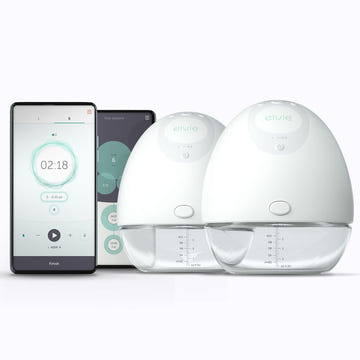
Healthy Horizons Elvie Double Electric Wearable Brea...
$549.99
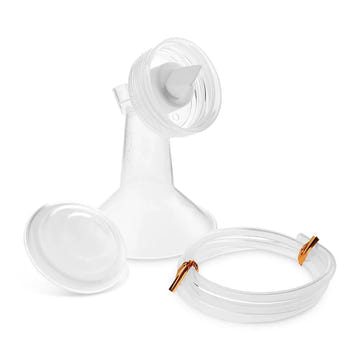
Spectra Wide Neck Breast Flange Kit
$15.99