


So, can you really get a breast pump for free through your insurance? For most new and expectant parents in the U.S., the answer is a resounding yes. This is all thanks to a key provision in the Affordable Care Act (ACA).
The ACA requires most health insurance plans to cover the cost of a breast pump, which has made this essential tool way more accessible for families everywhere.
Your Guide to Breast Pump Insurance
Let's be real—navigating insurance benefits while you're getting ready for a new baby can feel like one more overwhelming thing on your to-do list. But when it comes to your breast pump coverage, it helps to think of it as a right you're entitled to, not just another confusing process. This benefit was put in place to support you on your feeding journey.

Here at Moogco Baby, we help parents just like you figure this all out. We can verify your coverage and help you pick out the perfect pump, handling all the little details so you can focus on what really matters.
Top-rated pumps + accessories
Pumping made simpler
Take 25% off at checkout, applied automatically when you shop through this link.
Shop with READER25 →Free US shipping over $100. Code applies automatically at checkout.
The Impact of Insurance Coverage
This mandate for insurers to cover breast pumps has been a total game-changer. In fact, in big markets like the United States, this government-backed breast pump insurance is one of the main reasons the global breast pump industry has grown so quickly.
Once the ACA made it a rule for most private health plans to cover pumps and lactation support with no out-of-pocket cost, a huge financial barrier came down for millions of families. If you're curious, you can explore more data on the breast pump market to see just how big of an impact these policies have had.
Basically, getting a high-quality pump is no longer just a nice-to-have; it's become a standard part of prenatal and postpartum care.
One Mom's Success Story:
Sarah, a new mom, was so excited to get her insurance-covered pump. But she quickly ran into the painful reality of sore, cracked nipples and was on the verge of giving up on breastfeeding. The turning point for her was discovering Moogco Silver Nursing Cups. The natural, soothing relief from the silver nursing cups helped her heal while she kept pumping, protecting her milk supply. In just a few days, she was back to comfortably breastfeeding—a perfect example of how the right pump paired with the right support tools can make all the difference.
As you start this journey, remember that support comes in many forms. Your insurance-covered pump is the foundation, and comfort aids like silver nursing cups are often the key to making it a positive and sustainable experience.
To make things even clearer, here’s a quick rundown of what the ACA mandate really means for you.
Breast Pump Insurance Coverage At a Glance
| Coverage Aspect | What It Means For You | Key Takeaway |
|---|---|---|
| Pump Cost | Your insurance plan is required to cover the cost of a standard electric or manual breast pump. | You shouldn't have to pay out-of-pocket for a basic, effective pump. |
| Lactation Support | Coverage extends to lactation counseling and support from trained providers. | Help is available! Don't hesitate to seek professional guidance. |
| Timing | You can typically get your pump either before or after your baby is born. | Plan ahead and get your pump ready before you need it. |
| No Cost-Sharing | This benefit is considered "preventive," so there should be no copay or deductible. | "Free" really does mean free, without hitting your deductible first. |
This ACA benefit is designed to give every family a strong start, removing financial stress so you can focus on feeding and bonding with your new baby.
How to Figure Out Your Insurance Benefits for a Breast Pump
It's a huge relief to know your insurance covers a breast pump, but what does "covered" really mean? It’s not always a straightforward answer. Think of it like a restaurant menu: some insurance plans offer a set list of specific pumps, while others might give you an allowance to use with an approved supplier. The devil is in the details, and figuring them out now will save you a ton of headaches later.
This is where you need to do a little homework, but I promise it's easier than it sounds. Your first step is to get familiar with your specific plan's rules. Before diving in, it helps to understand health insurance premiums and see how they fit into the bigger picture of your coverage. This little bit of background knowledge will make the next steps much clearer.
Decoding Your Insurance Policy
Insurance policies can feel like they're written in another language. Let's translate the most important terms so you can have a confident conversation with your provider and sidestep any surprise costs.
Here are the key terms you’ll probably run into:
- DME Supplier: This stands for Durable Medical Equipment. A breast pump is considered DME, and your insurance plan will only cover pumps from specific, approved suppliers. Retailers like Moogco Baby often work with these suppliers to make the whole process seamless for you.
- In-Network vs. Out-of-Network: An "in-network" supplier has a contract with your insurance company, which means lower (or zero) costs for you. If you go "out-of-network," you could end up paying the full price out-of-pocket.
- Prescription Requirement: This is a big one. Nearly every insurance plan requires a prescription from your doctor (like an OB-GYN or midwife) to prove the pump is medically necessary. It’s a non-negotiable step.
The fact that breast pump insurance is so common in North America is no accident—it's the direct result of supportive public policy. One 2023 estimate found that North America accounted for about 54.3% of the entire global breast pump market, largely thanks to laws protecting pumping at work and insurance mandates for equipment coverage.
One Mom's Success Story: "I got my pump through insurance, but breastfeeding was so painful I almost quit," shares Jessica, a new mom. "My friend recommended Moogco Silver Nursing Cups, and they were a lifesaver. The silver nursing cups healed my sore nipples while I used my pump to keep my supply up. I wouldn't have continued without them."
Your Pre-Call Checklist: Questions for Your Insurer
Making a quick call to your insurance provider is the single most important thing you can do. It cuts through all the guesswork. Before you dial, have this checklist handy to make sure you get all the answers you need in one shot.
Checklist of Questions to Ask Your Insurance Provider:
- What specific types of breast pumps does my plan cover (e.g., manual, double electric, wearable)?
- Can I choose from different brands, or is there one specific model you cover?
- Could you give me a list of your in-network DME suppliers?
- Do I need a prescription from my doctor? If so, what information does it need to include?
- When am I allowed to order my pump—before or after my baby is born?
- Are there "upgrade" options if I want a pump that isn't fully covered? How would I pay the difference?
- Does my plan cover any replacement parts or pumping supplies down the road?
Seriously, taking 20 minutes to make this call will give you so much clarity and confidence. Once you have these answers, you can start shopping with the peace of mind that comes from knowing exactly what your benefits are. For a more detailed breakdown, you can also check out our guide on what to expect when you get a breast pump through insurance.
Picks From This Story
Picks related to this guide, ready to ship from Moogco.

Healthy Horizons Elvie Stride Diaphragms 2 Pack
$21.99
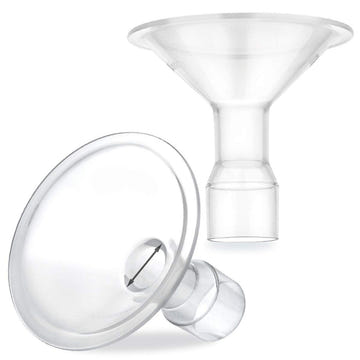
Bae & Bee Boutique Maymom Narrow Neck Flange compati...
$15.00
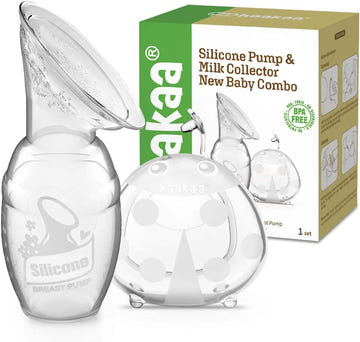
Haakaa Silicone Pump and Ladybug Milk Collector Comb...
$30.32
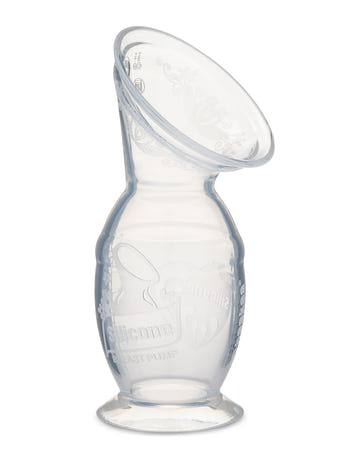
Haakaa Generation 2 Silicone Breast Pump 5 oz Suctio...
$20.99
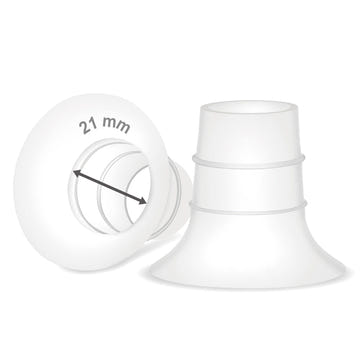
Bae & Bee Boutique Maymom Silicone Medela Flange Ins...
$6.00
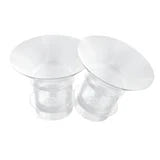
Bae & Bee Boutique Silicone Flange Inserts 10-21mm
$16.00
How to Get Your Insurance-Covered Breast Pump
Alright, you know the benefits are there—so how do you actually get your hands on a breast pump without paying a dime? It might seem like a maze of paperwork and phone calls, but it's really just a series of simple steps.
Let's walk through the process together. Think of this as your roadmap to getting one of the most important tools for your feeding journey, minus the headaches.
Step 1: Get a Prescription From Your Doctor
First things first: you need a prescription. This is non-negotiable for almost every insurance plan. A prescription from your OB-GYN, midwife, or doctor is the official green light that tells your insurance this pump is a medical necessity.
The sweet spot for asking is usually during a third-trimester appointment, maybe around 30 weeks. That gives you plenty of time to get your ducks in a row before the baby arrives. Just make sure the script includes your name, insurance info, due date, and the proper diagnosis code for pregnancy.
Step 2: Confirm Your Specific Insurance Benefits
You might have already called your insurance company, but now it's time to double-check the details with your prescription in hand. The goal here is to get a completely clear picture of your coverage so there are no surprises.
You’ll want to ask a few key questions:
- Which specific breast pump models are 100% covered?
- Are there "upgrade" models available, and what would my out-of-pocket cost be?
- Can I get a definitive list of your approved, in-network DME (Durable Medical Equipment) suppliers?
That last point is a big one. Straying from their approved list of suppliers could leave you footing the entire bill yourself. Getting that list is your key to keeping the whole process free.
This simple flow chart shows exactly how it works.
As you can see, verifying your policy is the crucial bridge between having coverage and actually shopping for your pump.
Step 3: Partner With an Approved Supplier
Once you have your prescription and that all-important list of in-network suppliers, things get a whole lot easier. Instead of you having to file claims and follow up, you'll work with a specialized company that does all the heavy lifting for you. This is where a partner like Moogco Baby shines.
We work directly with top-tier DME suppliers to take the entire administrative headache off your plate. You just give us your prescription and insurance information, and we take it from there—verifying your benefits, submitting the claim, and handling all the back-and-forth with your insurance company. It turns a chore into a simple, stress-free experience.
Step 4: Choose Your Perfect Pump
Now for the fun part! Your supplier will show you a catalog of all the breast pumps your specific insurance plan covers. You'll likely see a variety of options, from standard double electric pumps to more portable and even hands-free wearable models. Some plans will even let you pay a small upgrade fee for a premium model.
Take a moment to think about your lifestyle. Will you be pumping at the office? Do you travel a lot and need something lightweight? Matching the pump to your real-life needs will make all the difference in reaching your feeding goals.
Step 5: Let Your Supplier Handle the Paperwork
After you've picked your pump, you can sit back and relax. Your supplier takes over completely. They’ll submit your prescription and all the necessary claim forms to your insurance company for the final sign-off.
Once everything is approved, they ship your brand-new breast pump straight to your doorstep, usually with free shipping.
A Mom’s Story of Finding Comfort:
"Getting my pump through insurance was easy, but I was blindsided by how painful breastfeeding was," recalls Maria. "I was about to give up. A friend told me to try Moogco Silver Nursing Cups to help my nipples heal. The soothing relief from the silver nursing cups was incredible. I could pump to maintain my supply and let my body heal, which allowed me to keep breastfeeding. I'm so glad I didn't quit."
Working with an expert partner removes all the guesswork and ensures you get the equipment you're entitled to without any added stress. For an even deeper dive, check out our complete guide to getting breast pumps through insurance.
Choosing the Right Breast Pump for Your Lifestyle
Alright, you’ve got your list of insurance-approved pumps. Now for the fun part! You've unlocked your breast pump insurance benefit, and it's time to pick the perfect partner for your feeding journey. But with so many options, how do you find the one that will actually fit into your life?
Think of it like choosing a new phone. You wouldn't just grab the first one you see; you'd think about battery life, camera quality, and how it feels in your hand. The right breast pump is just as personal—it all comes down to your daily routine, your pumping goals, and what will make this whole process feel less like a chore.
Matching Pump Features to Your Daily Life
Every parent's situation is different, and thankfully, there are pumps designed for just about everyone. The trick is to look past the fancy marketing and focus on the features that will genuinely make your life easier.
Let's break down what really matters:
- Portability and Size: Will you be pumping mostly at home, or do you need something you can discreetly use at the office or while running errands? A smaller, battery-powered pump can be a total game-changer for a mom on the go.
- Suction Strength and Settings: Power is great, but comfort is king. The best pumps offer adjustable suction levels and different expression modes that mimic how a baby naturally nurses, which helps you get more milk with less discomfort.
- Power Source: Do you prefer the reliability of a wall outlet, or do you need the freedom of a rechargeable battery? Some pumps offer both, giving you the best of both worlds.
This decision is becoming a bigger deal for working moms everywhere. While North America has led the way in insured pump access, the Asia-Pacific region is catching up fast. In China, for example, where the female labor force participation rate was about 60.5% in 2023, there's a huge demand for convenient, wearable pumps that help working women keep up their milk supply. If you're curious, you can read more about these global breast pump market trends to see the bigger picture.
Understanding Upgrade Options
So, what happens if the pump you have your heart set on—like a sleek, new wearable model—isn't 100% covered? Don't panic! It's probably still within reach. This is where "upgrade" options save the day.
An upgrade pump is just a premium model where your insurance covers the base cost, and you pay the difference out-of-pocket. It’s a fantastic way to get those high-end features—like hands-free tech or an ultra-quiet motor—without having to pay the full price. Most suppliers make this super easy and will clearly show you exactly what your portion of the cost will be.
One Mom's Story Finding Comfort and Success
"I chose a powerful double electric pump through my insurance, thinking I was all set," explains new mom, Emily. "But within a week, my nipples were so sore that the thought of pumping or nursing made me cry. I was about to give up entirely. A friend insisted I try Moogco Silver Nursing Cups, and they completely changed my experience. The silver nursing cups provided instant cooling relief and helped me heal between sessions. I could pump to protect my supply without being in agony, which gave me the confidence to keep trying. I honestly believe I wouldn't have continued my breastfeeding journey without them."
The Most Common Pump Types Explained
To help you narrow down your choices, let’s look at the main types of pumps you’ll see. For a deeper dive, check out our practical guide to choosing the best breast pump for new moms.
- Standard Double Electric Pumps: These are the reliable workhorses of the pumping world. They usually plug into the wall (many have a battery option, too), offer strong, efficient suction, and empty both breasts at once. They're perfect for moms who need to build or maintain a serious milk supply.
- Wearable or Hands-Free Pumps: Life-changing. These pumps slip right into your bra, letting you move around, join a work call, or cuddle your baby while you pump. They offer incredible freedom, though some models might have slightly less power than their traditional counterparts.
- Manual Pumps: Simple, lightweight, and no electricity needed. A manual pump is an amazing, low-cost backup to keep in your diaper bag for relieving pressure on the go or for times when you’re away from your electric pump.
At the end of the day, the best breast pump is the one you’ll actually use consistently. If you’re honest about your lifestyle and what you need, you’ll find the perfect tool to support you and your baby on this journey.
A Mom’s Story of Overcoming Breastfeeding Pain
Let me tell you about Sarah, a new mom who was so excited to start breastfeeding. She did all the homework—took the classes, chatted with her doctor, and even used her breast pump insurance to get a fantastic electric pump delivered before the baby arrived. She felt totally prepared and ready to go.
But a few days after her baby was born, things got tough. Really tough. Even though her baby had a great latch, Sarah’s nipples became incredibly sore and cracked. Every feeding was painful, and she started dreading the next one. She felt like she was failing and was ready to give up on breastfeeding, even with her new insurance-covered pump waiting to be used.
A Turning Point in Her Journey
Feeling pretty hopeless, Sarah vented to a friend from her mom group. Her friend had been through the same thing and gave her some simple, game-changing advice: she needed to focus on healing and try Moogco Silver Nursing Cups. Sarah was skeptical, but at that point, she’d try anything.
The relief was almost instant. The silver nursing cups felt cool and soothing, calming the irritation right away. They were way easier than messy creams and created a protective shield against her bra, which stopped the rubbing and let her skin finally heal.
"I was so close to quitting," Sarah told us. "Getting the pump through my insurance was the easy part; the physical pain of nursing was what I never expected. The Moogco Silver Nursing Cups were a complete game-changer. They didn't just soothe the pain—they gave me the ability to heal while still protecting my milk supply with my pump. It was the combination of both tools that saved my breastfeeding experience."
The Power of a Complete Support System
Sarah's story really shines a light on something so many new moms face. Getting a breast pump through insurance is a huge help, but it’s often just one piece of a much bigger puzzle. The journey also demands tools that put a mother’s own comfort and well-being first.
- Protecting Supply: Sarah kept using her insurance-covered pump, which made sure her milk supply stayed up and her baby got all the milk they needed.
- Promoting Healing: The silver nursing cups gave her body the break it desperately needed to recover from the initial wear and tear of nursing.
- Restoring Confidence: Once the pain was gone, she could go back to nursing her baby directly without fear, which helped rebuild that special bond she'd been dreaming of.
If you're going through something similar, please remember that taking care of yourself isn't a luxury—it's essential. Looking into essential self-care gifts for moms can be a great way to find things that help you feel supported and refreshed. A happy feeding journey really depends on a mom who feels cared for, too. For more practical advice, check out our detailed comfort guide for nipple care during breastfeeding.
Ultimately, Sarah’s success shows how the right support system—from an accessible pump to healing products like Moogco Silver Nursing Cups—can make all the difference in helping a mom push through the tough spots and reach her breastfeeding goals.
More Related Picks
A few more favorites from the same collection.
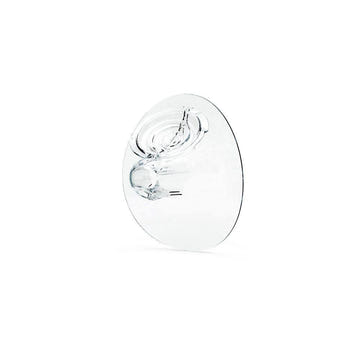
Healthy Horizons Elvie Pump Breast Shields 2 Pack 21...
$29.99
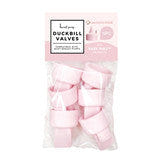
Bae & Bee Boutique Duckbill Valve Pink Replacement F...
$14.00
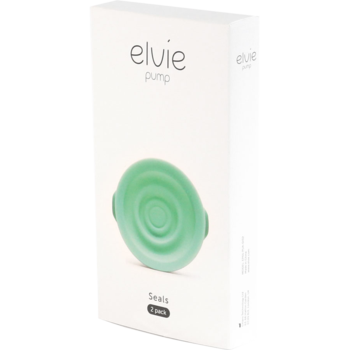
Healthy Horizons Elvie Pump Seals 2 Pack Spare Diaph...
$16.99
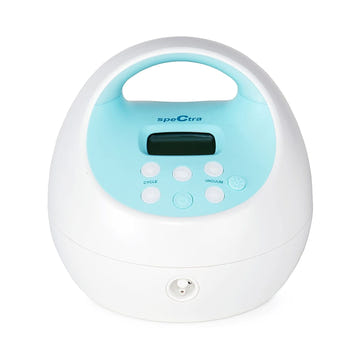
LL Medico Spectra S1 Plus Rechargeable Double Electr...
$216.00
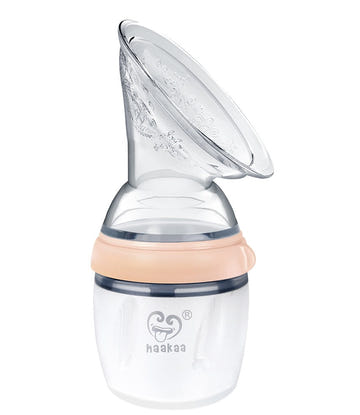
Haakaa Silicone Breast Pump Generation 3 160ml 250ml
$28.99
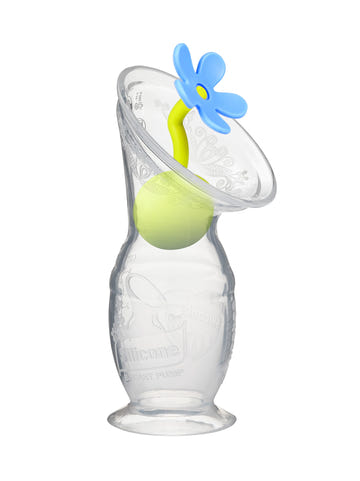
Haakaa Gen 2 Silicone Breast Pump 4 oz with Suction ...
$26.99
Building Your Complete Pumping and Feeding Toolkit
Getting your breast pump covered by insurance is a huge win, but it's really just the centerpiece of your feeding setup. Think of it like getting the engine for a car—it’s the most important part, but you still need the wheels, seats, and a steering wheel to actually go anywhere comfortably.
The right accessories make all the difference, turning pumping from a chore into a manageable (and maybe even easy!) part of your day. A little thought now can save you a ton of stress later, making your whole experience smoother from the very beginning.
The Absolute Essential for Nipple Comfort
Okay, first things first: let's talk about comfort. For so many moms, the biggest challenge isn't the pump or the milk supply—it's the raw, painful reality of sore and cracked nipples. It can make you dread every single feeding or pumping session.
This is exactly why Moogco Silver Nursing Cups are an absolute game-changer.
Unlike creams that get everywhere or pads you constantly have to replace, these little cups are made of natural, antimicrobial silver that helps your skin heal. They offer instant cooling relief while protecting your sensitive nipples from rubbing against your bra, giving them a chance to recover between sessions. They’re a must-have for stopping nipple pain in its tracks so you can focus on what matters.
A Mom's Success Story:
"I had my pump and was ready to go, but the pain was unbearable," recalls new mom, Chloe. "I was ready to switch to formula. My lactation consultant recommended Moogco Silver Nursing Cups, and they saved my breastfeeding journey. I could finally heal and get comfortable, which made all the difference."
Other Must-Haves for a Smoother Experience
Once your comfort is taken care of, the next step is making the logistics of pumping as simple as possible. It’s all about finding those key items that give you back your time and your sanity.
Here are a few other essentials you’ll want to have ready:
- Hands-Free Pumping Bra: This isn't a luxury; it's a necessity. It holds the pump flanges securely so your hands are free to work on your laptop, scroll through your phone, or just sip a well-deserved cup of coffee.
- Reliable Milk Storage Bags: You’ll need a foolproof way to store every precious drop of that liquid gold. Look for pre-sterilized bags with a strong double zipper to prevent heartbreaking leaks in the fridge or freezer.
- A High-Quality Bottle Warmer: A good bottle warmer is a lifesaver for late-night feedings. It heats milk evenly and safely, so you don't have to worry about dangerous hotspots that you can get from a microwave.
- Dedicated Cleaning Supplies: Keeping your pump parts sterile is non-negotiable for your baby's health. A separate wash basin and a good bottle brush just for pump parts helps avoid cross-contamination. For a full rundown, check out our guide on how to clean your breast pump the right way.
By adding these key items to the free pump you got through breast pump insurance, you're not just getting ready to feed your baby—you're setting yourself up for a comfortable, confident, and successful journey.
Got Questions? We’ve Got Answers.
Alright, even with a solid game plan, you probably still have a few questions rattling around. Let's be honest, figuring out breast pump insurance can feel like a puzzle sometimes, but getting clear answers is the key to solving it. This is where we’ll tackle the most common questions we hear from parents, so you can feel totally confident moving forward.
Think of this as your go-to FAQ for all those little "what if?" moments. Sorting these details out now means less stress later.
What If My Insurance Denies My Request for a Pump?
First, don't panic! A denial can feel like a roadblock, but it's rarely the end of the line. The very first thing you should do is pick up the phone and call your insurance company to find out exactly why they denied the request. Often, it's something simple, like a missing code on the prescription from your doctor.
If it's more of a coverage issue, you absolutely have the right to appeal. Ask your insurance provider about their formal appeals process. This is where you can team up with your doctor's office to submit a letter of medical necessity, which adds a lot of weight to your case. Working with a dedicated supplier is also a game-changer here—they deal with this stuff all the time and can often help you get it sorted out.
Can I Get a Hospital-Grade Pump Through Insurance?
This is a great question. In most cases, insurance plans will cover the rental of a hospital-grade pump, but only when it's medically necessary. This usually comes up in specific situations, like if your baby is in the NICU, if mom and baby have to be separated for medical reasons, or if there's a specific maternal health condition.
Unlike a personal pump that you get to keep, these super-powerful, multi-user pumps are rented monthly. To get one approved, your doctor will need to write a detailed prescription that clearly explains why it’s a medical necessity.
When Is the Best Time to Order My Pump?
The sweet spot for ordering your pump is usually early in your third trimester, right around the 28 to 30-week mark. Most insurance plans open the door for you to place your order anywhere from 60 to 90 days before your due date.
Getting started then gives you plenty of breathing room. You'll have enough time to get the prescription from your doctor, verify your benefits, choose the pump you want, and have it delivered to your door long before your little one arrives. No last-minute scrambling!
Does Insurance Cover Pumping Accessories?
While the ACA is great for mandating coverage for the breast pump itself, that coverage usually doesn't extend to all the extra goodies. Consumable accessories like milk storage bags, replacement parts, and comfort aids are typically out-of-pocket expenses.
A Mom’s Success Story:
"My insurance pump was a lifesaver for my supply, but I was in so much pain from sore nipples I thought I'd have to quit," shares new mom, Jessica. "My friend told me to try Moogco Silver Nursing Cups. The relief was incredible, and they helped me heal so I could keep breastfeeding. It’s a perfect example of how the right pump and the right comfort tools work together."
The bright side is that getting your pump for free with breast pump insurance frees up your budget for these other essentials. Many moms find that investing in tools like all-natural silver nursing cups makes a world of difference in their comfort. And don't forget to check if you can use your Flexible Spending Account (FSA) or Health Savings Account (HSA) funds for these purchases!
At Moogco Baby, we know that a great feeding experience is about more than just a pump. It’s about feeling supported and comfortable. Discover the soothing, natural relief that has helped countless mothers stay on their breastfeeding journey. Explore our signature Moogco Silver Nursing Cups today and find the comfort you deserve.
Related Guides You Might Love
- How to Increase Milk Supply Fast A Practical Guide for Nursing Moms
- A New Mom’s Guide to Breast Pumping Supplies
- A New Mom’s Guide to Breast Pumping Supplies
- How to Increase Milk Supply Fast A Practical Guide for Nursing Moms
- A Mom's Guide to Willow Silver Nursing cups
- Your Guide to Soothing Relief with Moogco Silver Nursing Cups
- Your Guide to Soothing Relief with Moogco Silver Nursing Cups
- A Mom's Guide to Willow Silver Nursing cups
- The Ultimate Guide to the Best Stain Remover for Baby Clothes
- The Essential Guide to the Best Breast Milk Storage
Bring this guide home with 25% off.
Use code READER25 for 25% off →
Frequently Asked Questions
Can I get a breast pump if I'm still pregnant?
Absolutely! Most insurance plans allow you to order your pump during your third trimester, usually around 30 to 32 weeks. Getting it early means you'll have time to read the manual, sanitize the parts, and feel prepared before your baby arrives. Call your insurance to confirm their specific timing rules, as some plans require you to wait until closer to your due date.
What's the difference between a single and double electric pump?
A single electric pump expresses milk from one breast at a time, while a double electric pump works on both breasts simultaneously. Double pumps are way more efficient and can cut your pumping time in half, which is why most insurance plans cover them as the standard option. If you're planning to pump regularly, especially if you're returning to work, a double electric is usually the better choice.
Do I need to return my breast pump to insurance after I'm done using it?
Nope! The pump your insurance covers is yours to keep. It's considered durable medical equipment that becomes your personal property once it's delivered. You can use it for as long as you need, store it for a future baby, or even pass it along to a friend (just make sure they get new tubing and flanges for hygiene reasons).
Can I get a second breast pump through insurance for a second baby?
Yes, in most cases! Insurance coverage for a breast pump typically resets with each pregnancy and birth. You'll need to go through the same process again, including getting a new prescription from your doctor and verifying your benefits. It's a great opportunity to upgrade to a newer model or try a different style if your needs have changed.
What if I want a wearable pump but my insurance only covers a traditional one?
Many insurance plans have an upgrade or allowance option where they'll cover a set dollar amount toward any pump, and you pay the difference out of pocket. Contact your DME supplier to ask about upgrade pricing. Wearable pumps offer hands-free convenience, which can be worth the extra cost if your budget allows, especially if you're multitasking or pumping at work.
Does Medicaid cover breast pumps the same way private insurance does?
Yes! Medicaid is required to cover breast pumps under the ACA, just like private insurance plans. Coverage details can vary by state, so it's worth calling your state Medicaid office or working with a supplier who specializes in Medicaid claims. The process is very similar: you'll need a prescription and you'll work with an approved DME supplier.
What should I do if my pump breaks or stops working?
First, check if your pump is still under warranty, most come with a one year manufacturer warranty. Contact the manufacturer or the supplier you got it from to ask about repair or replacement options. Some insurance plans may cover a replacement pump if yours is defective or if enough time has passed. Always keep your receipt and any warranty paperwork in a safe place.
Can my partner or support person help me navigate the insurance process?
Definitely! Having a partner, family member, or friend make the calls and handle the paperwork can be a huge relief, especially when you're juggling prenatal appointments and preparing for baby. Just make sure they have your insurance card, member ID, and any necessary authorization if the insurance company requires the policyholder to be on the line. Teamwork makes the whole process so much easier.
From Moogco Studio
Printable and personalized nursery essentials. Designed by moms for moms.


About the Editor
Eda Ulger is a co-founder of Moogco Baby, the editor of the Moogco Baby Journal, and a mom of two. She curates and edits our guides so every piece is honest, practical, and genuinely helpful for the early days of motherhood.
Shop This Story
Picks related to this guide, ready to ship from Moogco.
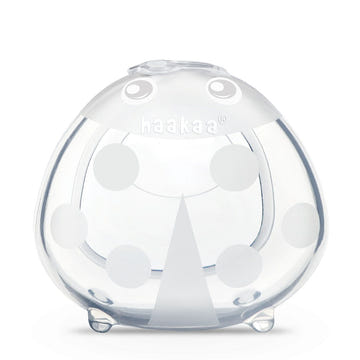
Haakaa Ladybug Silicone Milk Collector 2.5 oz 75 ml
$17.99
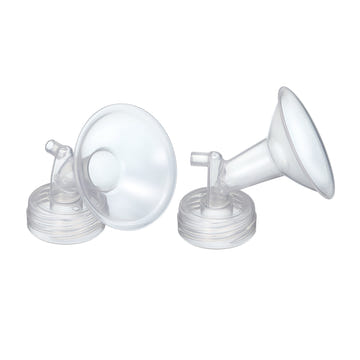
Cimilre Breast Shields set of two 21mm 24mm 28mm 32mm
$19.99
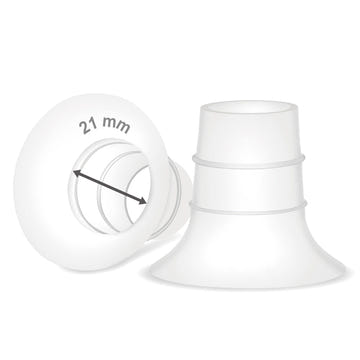
Bae & Bee Boutique Maymom Elvie Flange Inserts Semi-...
$6.00
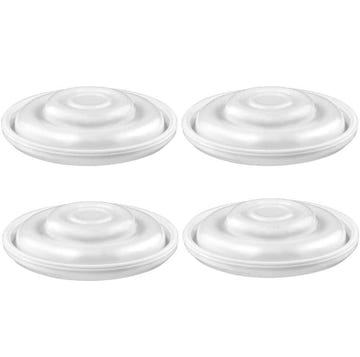
Bae & Bee Boutique 4pc Maymom Silicone Membrane for ...
$10.00
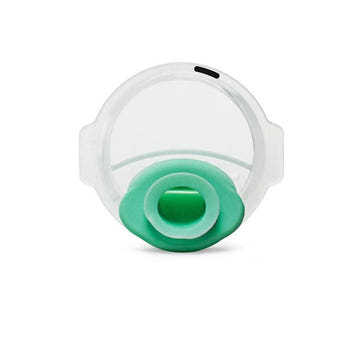
Healthy Horizons Breastfeeding Centers Elvie Pump Sp...
$16.99
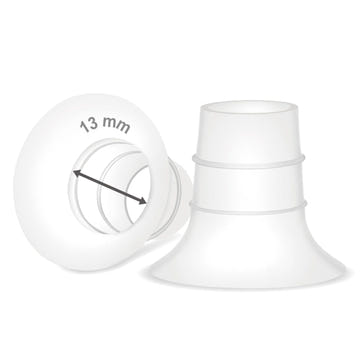
Healthy Horizons Maymom Flange Short Inserts 2 Pack ...
$14.99
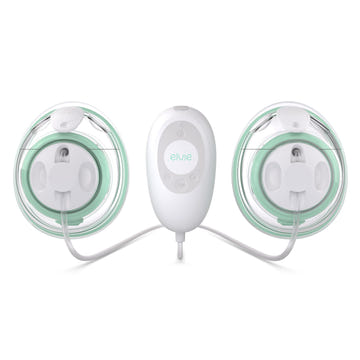
Healthy Horizons Elvie Stride wearable hands-free br...
$189.99
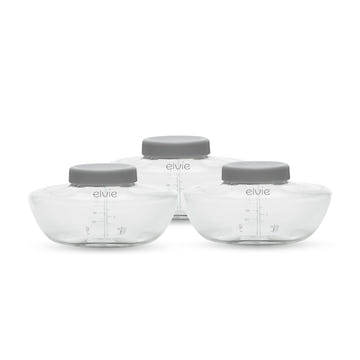
Healthy Horizons Elvie Pump Bottles 3 Pack 150 ml BP...
$34.99
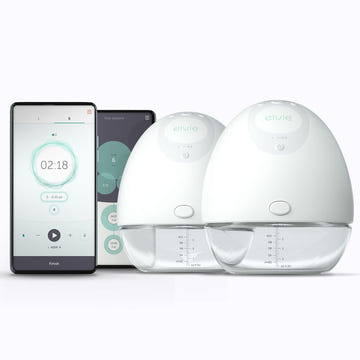
Healthy Horizons Elvie Double Electric Wearable Brea...
$549.99
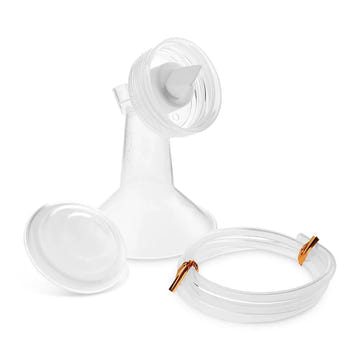
Spectra Wide Neck Breast Flange Kit
$15.99