


Quick answer
The fastest way to increase milk supply is to remove more milk, more often. Add 2 to 3 extra nursing or pumping sessions a day, include one session between 1 and 5 a.m. when prolactin peaks, and empty both breasts fully. Most moms notice a difference within 3 to 5 days.
If you're worried about a low milk supply, you are not alone. It's one of the most common concerns I hear from new moms. The good news is that the most powerful way to increase your milk supply fast is by sending a clear signal to your body: more milk is needed! By increasing the demand through more frequent and effective milk removal, you're telling your body to ramp up production, and you can often see results in just a few days.
Watch our video guide
Understanding the Why Behind a Low Milk Supply
Before we jump into the "how-to," let's take a quick look at the "why." Understanding the simple, brilliant system your body uses to make milk can shift your mindset from one of stress to one of empowerment. You'll realize you can work with your body, not against it.

The Power of Supply and Demand
The entire world of milk production runs on one basic economic principle: supply and demand. Think of it as a constant conversation between your baby and your breasts. When your baby nurses more often (or you mimic that demand with a pump), your body gets the message loud and clear and boosts production to match.
Curated by moms, vetted by lactation pros
Everything for the breastfeeding journey
Take $15 off at checkout, applied automatically when you shop through this link.
Shop with READER15 →Free US shipping over $100. Code applies automatically at checkout.
This feedback loop is your superpower. It means the solution is beautifully straightforward, nursing or pumping more often and more effectively is the most evidence-backed way to make more milk. You can dive deeper into the amazing science of it all in our guide on how mothers produce milk.
At its core, every time your breasts are emptied, it’s an order for more milk. Frequent orders keep the kitchen busy; infrequent orders signal it’s time to slow down production.
Seeing it this way helps you reframe a temporary dip. It’s not a production failure; it's usually just a communication issue. You just need to send the right signals to get things flowing again.
Common Triggers for a Temporary Dip
Sometimes, a dip in supply isn't a long-term crisis but a short-term reaction to something specific. Pinpointing the trigger helps you take targeted action instead of feeling overwhelmed by trying a million different things at once.
Here are some of the most common culprits I see in my practice:
- Baby's Growth Spurts: It can feel like you're suddenly not making enough when your baby is constantly at the breast. But this "cluster feeding" is brilliant! Your baby is strategically nursing more often to naturally increase your supply and meet their growing needs. They're just placing a bigger order.
- Latching Difficulties: A shallow or painful latch is a double whammy. It's uncomfortable for you, and it means your baby can't drain the breast effectively. This leaves milk behind, which tells your body that less milk is needed for the next "shift."
- Stress and Exhaustion: Your body's "rest and digest" system is deeply connected to lactation. Sky-high stress levels and serious sleep deprivation can interfere with the key hormones responsible for making and releasing your milk.
- Changes in Routine: Life happens! Returning to work, your baby suddenly sleeping a longer stretch at night, or even introducing a pacifier too often can reduce how frequently your breasts are stimulated, signaling your body to dial back production.
Once you have a better idea of what might be going on, you're ready to take a few immediate, powerful steps to turn things around.
To make it even easier, here's a quick checklist of the most effective, immediate actions you can take. Think of this as your "first-response" plan to send that "make more milk" signal right away.
Quick Action Checklist for Boosting Milk Supply
| Action | Why It Works | Frequency and Goal |
|---|---|---|
| Nurse or Pump More Often | Directly stimulates the supply-and-demand feedback loop. | Aim for 8-12+ times in 24 hours, or every 2-3 hours. |
| Power Pumping | Mimics a baby's cluster feeding during a growth spurt. | Do this once a day for 3-5 days. |
| Skin-to-Skin Contact | Boosts oxytocin, the hormone that helps with milk "let-down." | Aim for at least 15-20 minutes, several times a day. |
| Breast Compression | Helps fully empty the breast, ensuring baby gets the rich hindmilk. | Gently squeeze during feedings when sucking slows. |
Following these first steps can often create a noticeable difference within a few days. The key is consistency, you're re-establishing that communication with your body.
Fast-Acting Techniques to Boost Supply in 24 to 72 Hours
When you’re worried about your milk supply, waiting around just isn't an option. You need strategies that work now. The fastest way to see a real increase is to focus on one core principle: removing milk from your breasts frequently and effectively. Doing this sends a direct, powerful signal to your body to ramp up production, often within just 24 to 72 hours.
It all comes down to a simple feedback loop. Think of it as supply and demand.
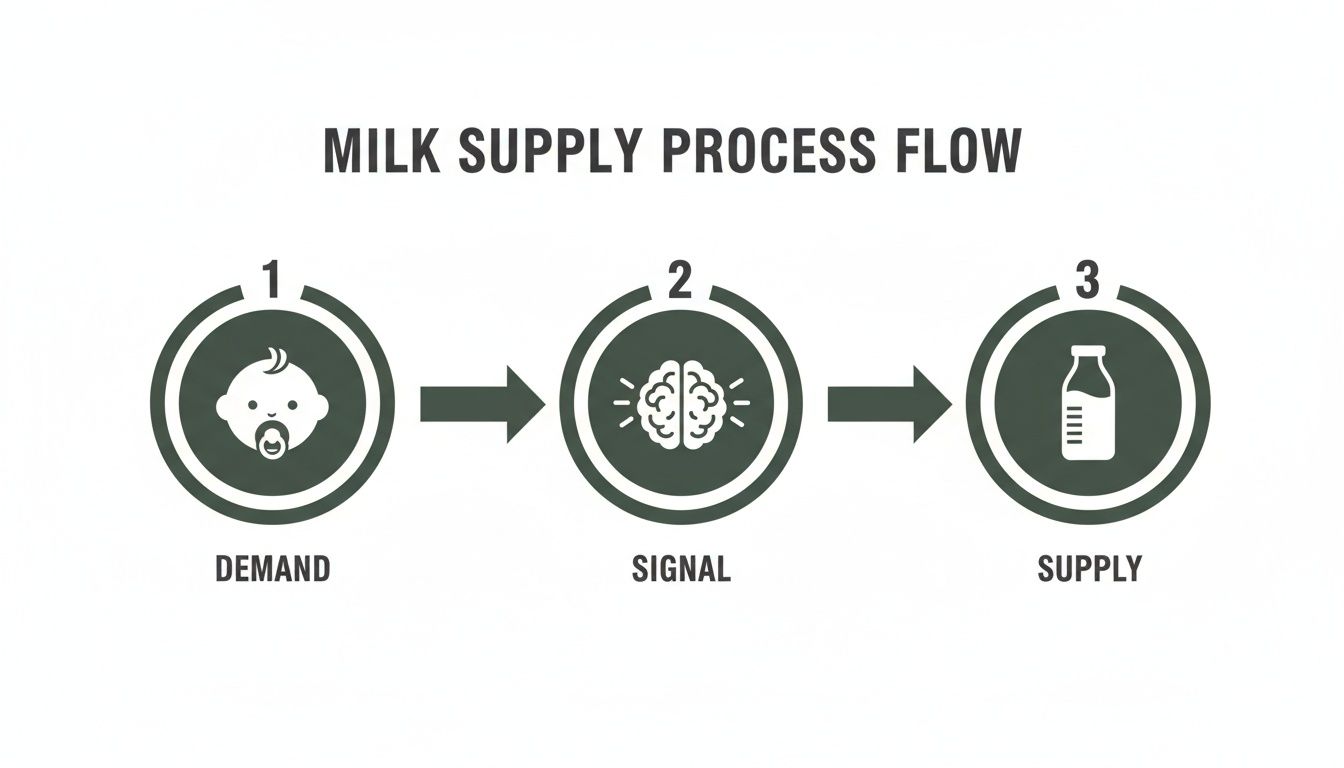
Your baby's demand (nursing) signals your brain to produce hormones, which then tells your breasts to make more milk. Every technique that follows is designed to amplify this natural cycle, telling your body it's time to get busy.
Embrace On-Demand Nursing and Cluster Feeding
Honestly, your baby is your best milk-booster. The most effective thing you can do right now is to nurse on demand. That means putting your baby to the breast whenever they show hunger cues, rather than watching the clock. For a few days, just forget the schedule.
Offer the breast often, even if your baby doesn't seem desperately hungry. This is often called "cluster feeding," and it's your baby's built-in way of placing a bigger milk order for the days ahead. Aim for at least 8-12 nursing sessions in a 24-hour period.
Harness the Power of Pumping
If you can't be with your baby or just want to add extra stimulation, power pumping is a game-changer. This technique brilliantly mimics a baby's natural cluster feeding pattern to send a super-charged "make more milk!" message to your body.
Here’s a simple, one-hour power pumping schedule you can try once a day for 3-5 days:
- Pump for 20 minutes, then rest for 10 minutes.
- Pump for 10 minutes, then rest for 10 minutes.
- Pump for 10 minutes, and you're done for the session.
Don't get discouraged if you only see a few drops toward the end. The goal isn't the amount of milk in the bottle during the session; it’s the powerful stimulation that tells your body to produce more for later.
Maximize Every Feed with Simple Tricks
Making each nursing or pumping session as efficient as possible is key. Two simple but incredibly effective methods are breast compressions and ensuring a deep, comfortable latch. A good latch means your baby can drain the breast well, which is the strongest signal for your body to refill.
Breast compressions are just gentle squeezes you apply while your baby is nursing. When you notice their sucking slow down, gently cup your breast and squeeze. This pushes more milk out, keeps them actively drinking longer, and helps fully empty the breast. For more hands-on guidance, check out these helpful breast massage techniques for clogged ducts and milk flow.
A Mom’s Story: Overcoming Pain to Keep Breastfeeding
For one mom, Jessica, the challenge wasn't just supply, it was pain. Cracked, sore nipples made her dread every feeding, and she started cutting sessions short. This reluctance to nurse was sending her body the wrong signal, and her supply dipped. A friend suggested she try Moogco Silver Nursing Cups, and it was a turning point. The natural healing properties of the pure silver soothed her skin, allowing her to heal between feedings. With the pain gone, Jessica could finally achieve a deep, comfortable latch. She started nursing more often and for longer, and within days, her supply rebounded. These simple, elegant cups didn't just save her nipples; they saved her breastfeeding journey. You can explore the benefits of these remarkable silver nursing cups on our site.
The Magic of Skin-to-Skin Contact
Never underestimate the power of simple closeness. Holding your baby skin-to-skin, your bare chest against their bare chest, triggers a rush of oxytocin in your body. This lovely hormone is essential for your milk let-down reflex, helping the milk flow more freely.
Try to find at least 15-20 minutes for skin-to-skin contact a few times a day. You can do it while relaxing in a chair, lying in bed, or even wearing your baby in a wrap. It's a calming, bonding experience for both of you that has the beautiful side effect of boosting your supply.
These immediate actions all work together to create a powerful feedback loop. By increasing demand and making each feeding more effective, you are giving your body the clear instructions it needs to get your milk supply back on track. To complement these methods, researching products like the Boost Breast Milk Enhancer supplement can offer another layer of support. Consistency is your best friend here, stick with these techniques for a few days, and you're very likely to see a positive change.
Picks From This Story
Picks related to this guide, ready to ship from Moogco.

Healthy Horizons Elvie Stride Diaphragms 2 Pack
$21.99
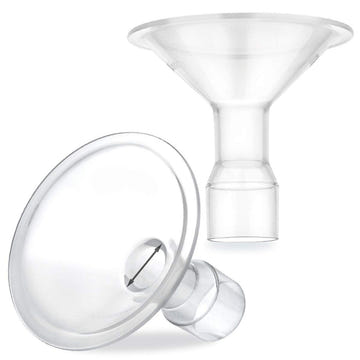
Bae & Bee Boutique Maymom Narrow Neck Flange compati...
$15.00
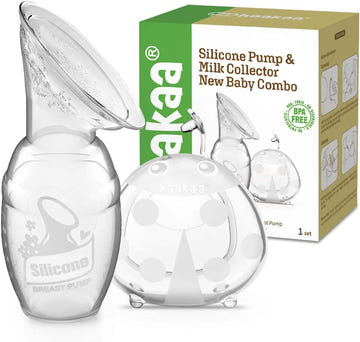
Haakaa Silicone Pump and Ladybug Milk Collector Comb...
$30.32
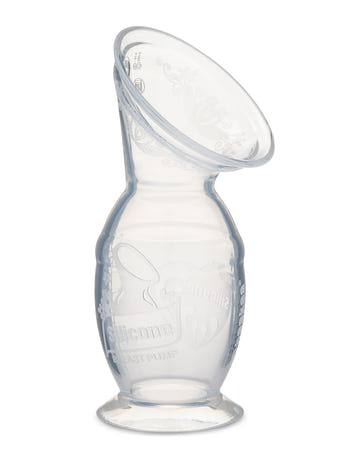
Haakaa Generation 2 Silicone Breast Pump 5 oz Suctio...
$20.99
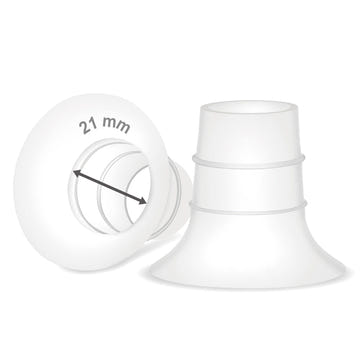
Bae & Bee Boutique Maymom Silicone Medela Flange Ins...
$6.00
Bae & Bee Boutique Silicone Flange Inserts 10-21mm
$16.00
Nourishing Yourself to Better Nourish Your Baby
While frequent nursing and pumping are the direct signals your body needs to make more milk, your own nutrition and hydration are the fuel for that production line. Think of it this way: your body is working overtime on a very important manufacturing job. Giving it the right resources isn't just self-care, it's a crucial piece of the milk supply puzzle.

It’s so easy to get pulled into the world of "magic" lactation cookies or special teas promising a quick fix. But honestly? The reality is much simpler and way less stressful. Staying on top of your water intake and eating regular, nourishing meals will do far more for your supply than chasing after a miracle food.
Hydration: Your Unsung Hero
Let's start with the easiest win of all: water. Since breast milk is about 88% water, it makes sense that your body needs a lot of it to keep production flowing. If you're dehydrated, your supply can definitely take a hit.
This isn’t about chugging gallons until you feel sick. It's about staying consistently hydrated throughout the day. My best tip is to keep a big water bottle within arm's reach everywhere, next to your favorite nursing chair, on the kitchen counter, and in the diaper bag. Just drink when you're thirsty. If your urine is a pale, straw-like color, you're doing great.
Fueling Your Body with Good Food
When you've got a newborn, gourmet meals are usually off the table. The goal here is to focus on nutrient-dense foods that are easy to grab and eat, sometimes with only one free hand! Your body is burning an extra 300 to 500 calories a day just to make milk, so skipping meals is not a great idea.
Try to think of your food as the building blocks for your energy and your baby's growth. Focusing on these groups can really help:
- Complex Carbs: These give you that slow-burn, lasting energy. Think whole-grain toast, brown rice, and especially oatmeal, it's a classic for a reason and so many moms (myself included) swear by it.
- Lean Proteins: So important for your postpartum recovery and for milk production itself. Eggs, Greek yogurt, lentils, and chicken are all fantastic, easy options.
- Healthy Fats: Don't forget these! Avocados, nuts, seeds, and a drizzle of olive oil are wonderful for your health and your baby's brain development.
Want to explore this more? We have a whole guide dedicated to boosting milk supply with the power of nutrition.
A Word on Galactagogues
You've probably stumbled across the term galactagogues, these are foods, herbs, or even medications that are believed to increase milk supply. Things like fenugreek, brewer's yeast, and fennel have been used for generations. While many moms find them helpful, it’s important to see them as a supporting cast, not the main star.
Think of galactagogues as the backup singers. They can amplify the effects of frequent milk removal, but they rarely work well all on their own.
If you're curious to try them, start small and simple. A warm bowl of oatmeal for breakfast or adding some flaxseed to your morning smoothie is a gentle, nutritious way to test the waters.
At the end of the day, remember that the most effective ways to increase milk supply fast are putting baby to the breast often and making sure the breast is emptied well. Supporting that hard work with good food and plenty of water just makes sure your body has everything it needs to rise to the occasion. It's about creating a system that takes care of you, too.
Making Your Breast Pump a Powerful Ally
For so many of us, the breast pump can feel like a necessary evil. But what if you could turn it from a clunky machine into a true partner on your breastfeeding journey? It's more than just a tool for when you're away from your baby; it's a way to give your body the right signals to ramp up milk production when you need it most.
Making the pump work for you, not against you, is a game-changer.
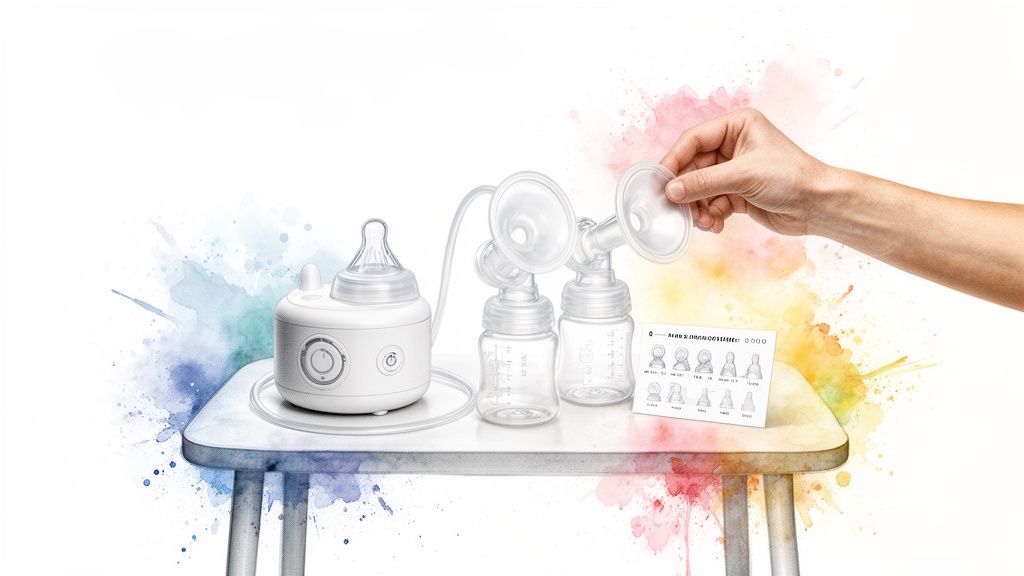
This becomes especially clear when you’re heading back to work. It’s a huge transition, and often, it's the biggest hurdle for maintaining milk supply. In fact, survey data shows that a whopping 66 percent of mothers point to returning to work as the main reason they start pumping. It's no surprise that national breastfeeding rates often take a nosedive right around this time. For more on this, you can check out the full breastfeeding survey findings.
The Critical Importance of Flange Fit
Before you do anything else, let’s talk flanges. Getting the right fit for your breast shields (the cone-shaped parts) is single-handedly the most important thing you can do for pumping success. A bad fit isn't just uncomfortable, it can actually sabotage your supply by not emptying your breasts properly.
Think of it like trying to run a marathon in shoes that are two sizes too small. You’re not going to get very far, and it’s going to hurt.
- Too Small: If the flange is too tight, it’ll pinch and rub your nipple, which is not only painful but can cause damage.
- Too Large: When a flange is too big, it pulls too much of your areola into the tunnel, which can compress milk ducts and block the flow of milk.
Your nipple should be able to move freely inside the tunnel without pulling in much of the surrounding areola. If you’re not sure, most pump brands have sizing guides on their websites, or you can ask a lactation consultant to measure you for a perfect fit. It's worth the effort!
Creating a Pumping Schedule That Works
When you’re trying to boost your supply, your pumping schedule needs to mimic how often a hungry baby would nurse. That means pumping every 2-3 hours during the day, especially during those long stretches when you're separated.
Consistency is everything. Some pumping sessions will yield a lot of milk, and others... not so much. Don't get discouraged. Stick to the schedule, because every single session sends a "make more milk!" message to your body. A great tip is to try and pump around the same times your baby would normally be eating.
A common mistake is waiting until your breasts feel really full to pump. The goal isn't just to collect milk; it's to empty the breast frequently. An empty breast is an order for more milk.
Tips for a Faster and More Productive Let-Down
Let's be honest, it's a lot easier to get a let-down (the reflex that releases your milk) with a warm, cuddly baby in your arms than with a cold, plastic pump. But you can definitely trick your body into it!
Try a few of these simple hacks:
- Look at photos or videos of your baby. Seeing their sweet face can trigger the same oxytocin rush as holding them.
- Keep an item of their clothing nearby. The scent of your baby is incredibly powerful.
- Apply a warm compress to your breasts for a few minutes before you start pumping.
- Gently massage your breasts right before and even during your session to get things flowing.
Of course, the pump itself matters, too. There are so many options out there, from hospital-grade electrics to manual ones. It's worth exploring the best silicone breast pumps to see if a different style might better suit your needs.
A Mom's Success Story Overcoming Pumping Pain
For one mom, Chloe, pumping was pure dread. The standard plastic flanges left her nipples sore and cracked, and the pain made it almost impossible to relax enough for a let-down. Her supply was starting to dip, and she was terrified her breastfeeding journey was about to end.
On a friend's recommendation, she tried using Moogco Silver Nursing Cups between her pumping sessions.
The pure silver cups offered instant, cooling relief. By taking the edge off the pain, Chloe was finally able to relax while she pumped. She started combining the relief from the silver nursing cups with gentle breast massage and looking at pictures of her baby. Soon, her let-down was happening faster than ever. That simple change unlocked comfortable, effective pumping, helping her rebuild her supply and keep providing milk long after she went back to work.
If you're just starting to build your pumping toolkit, our guide on essential breast pumping supplies can help you find everything you need. Remember, your pump is so much more than a machine, it's a vital part of your support system.
How One Mom Overcame Pain to Save Her Milk Supply
Sometimes, the biggest roadblock to a healthy milk supply has nothing to do with your body's ability to produce and everything to do with a physical issue that makes nursing a nightmare.
This was the tough reality for Sarah, a first-time mom who was deeply committed to breastfeeding. But just a few days after bringing her baby home, that commitment was tested by excruciating pain.
Her nipples were cracked and sore, making every latch feel like fire. She found herself gritting her teeth, just counting the seconds until she could unlatch. The constant pain created a devastating cycle: she began cutting feeds short and hesitating to put her baby to the breast, which told her body to slow down milk production. Her supply dipped, and her confidence went right along with it.
Finding a Lifeline
Just as she was about to give up and switch to formula for good, a friend who'd been there herself suggested something simple: Moogco Silver Nursing Cups. Sarah was doubtful. How could two little silver nursing cups solve such a massive problem? But she was at her wits' end and willing to try anything.
The relief came faster than she ever expected. The 999 fine silver has natural healing properties that started soothing her raw skin between feedings. More importantly, the cups acted as a protective shield, preventing her bra from rubbing against the irritated area. Finally, her body had a chance to heal without messy creams.
“The moment I stopped being in constant pain was the moment everything changed. The dread disappeared, and I could finally relax and focus on my baby, not on how much it was going to hurt.” - Sarah, Moogco Mom
From Comfort to Confidence
Once the pain was managed, Sarah could finally focus on getting a deep, comfortable latch. Nursing went from being a dreaded chore to the beautiful bonding experience she had always imagined. She stopped watching the clock and started watching her baby, nursing frequently and effectively whenever he showed hunger cues.
Within a week of using the Moogco Silver Nursing Cups, her nipples had healed, and her milk supply had bounced back in a big way. The frequent, full feedings sent the right message to her body, kicking the supply-and-demand cycle back into high gear.
Sarah’s story is such a powerful reminder that if you're wondering how to increase milk supply fast, the first step is often solving an underlying comfort issue. By addressing her physical pain with a supportive tool like Moogco Silver Nursing Cups, she not only saved her breastfeeding journey but rebuilt her confidence as a new mom.
If this sounds familiar, our complete guide on nipple care during breastfeeding is packed with more tips to help you find relief.
More Related Picks
A few more favorites from the same collection.
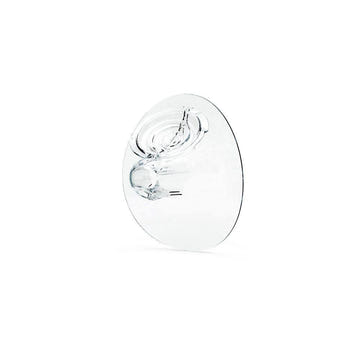
Healthy Horizons Elvie Pump Breast Shields 2 Pack 21...
$29.99
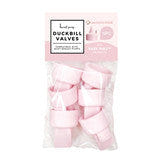
Bae & Bee Boutique Duckbill Valve Pink Replacement F...
$14.00
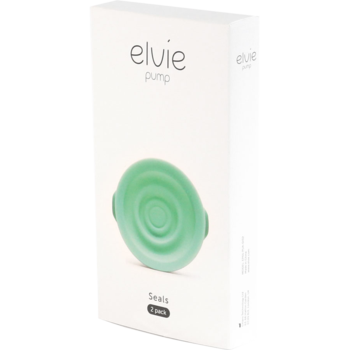
Healthy Horizons Elvie Pump Seals 2 Pack Spare Diaph...
$16.99
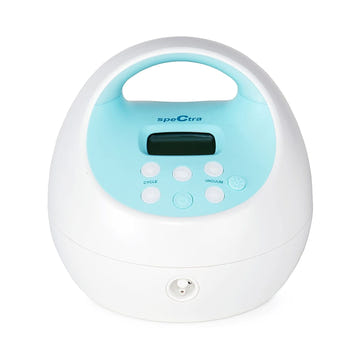
LL Medico Spectra S1 Plus Rechargeable Double Electr...
$216.00
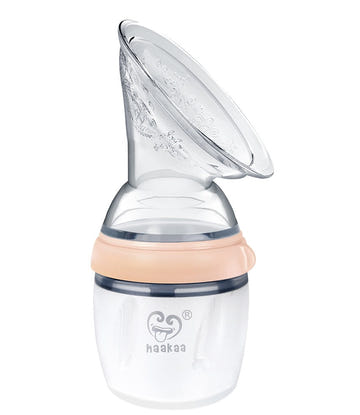
Haakaa Silicone Breast Pump Generation 3 160ml 250ml
$28.99
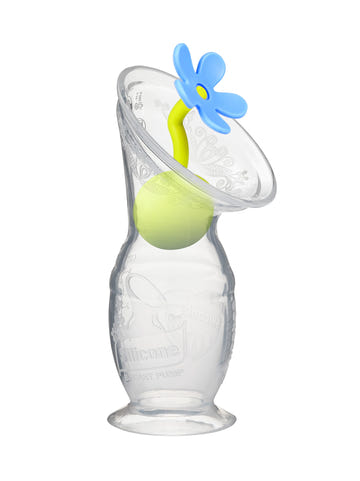
Haakaa Gen 2 Silicone Breast Pump 4 oz with Suction ...
$26.99
Knowing When to Call a Lactation Professional
All the strategies in this guide are fantastic tools for your breastfeeding toolkit. But sometimes, even when you're doing everything "right," something still feels off. That's when it's time to bring in an expert.
Reaching out for professional help isn't a sign of failure, it's a sign of a smart, proactive mom who's taking charge of her and her baby's health.
It's amazing to think that globally, moms produce an estimated 35.6 billion liters of breast milk every year! Yet, so many of us run into roadblocks. The World Health Organization recommends exclusive breastfeeding for six months, but fewer than half of babies actually reach that goal. This just shows how common it is to need a little extra support. If you're curious about the bigger picture, you can explore the full public health research on this.
Red Flags That Signal It's Time for Help
If you’ve been diligently trying these tips for a week and still feel stuck, that’s your cue. Please don’t struggle alone.
It's time to call in the pros if you're seeing any of these signs:
- Your baby isn't gaining weight. This is the big one. If your baby isn't back to their birth weight by two weeks, or if their weight gain has stalled, it's crucial to see your pediatrician and a lactation consultant right away.
- Nursing hurts. Let me say it again: breastfeeding should not be painful. If you're wincing through every feed or dealing with cracked nipples despite trying to fix the latch, an expert can spot what's really going on. It could be anything from a tongue-tie to a less-than-optimal nursing position.
- Not enough wet or dirty diapers. What goes in must come out! A well-fed baby has a predictable diaper output. If you notice a sudden drop, it’s a strong indicator that they may not be getting enough milk.
- Your supply just won't budge. You've been power pumping, nursing on demand, and doing all the things, but your milk output is stubbornly low. A consultant can help you dig deeper into potential issues, like hormonal imbalances or physiological factors.
Finding the Right Support for You
So, who do you call? An International Board Certified Lactation Consultant (IBCLC) is the gold standard in lactation care. These professionals have undergone rigorous clinical training and can diagnose and help you manage even the most complex breastfeeding challenges.
Your breastfeeding journey is uniquely yours, and you deserve a plan that reflects that. A lactation professional won't just give you generic advice; they'll provide solutions tailored specifically to you and your baby, helping you move past the frustration and feel confident again.
You can also find incredible encouragement in local breastfeeding support groups. These are often led by trained peer counselors and are filled with other moms who are in the thick of it, just like you. Sometimes, just being in a room with people who get it is the most powerful support of all.
Remember, reaching out is a huge step toward reaching your goals. You've got this.
Answering Your Top Milk Supply Questions
When you're worried about your milk supply, a million questions can race through your mind. It's completely normal. Let's walk through some of the most common concerns I hear from moms and get you some clear, practical answers.
"How Long Will This Actually Take?"
This is always the first question, and for good reason! When you're working hard to boost your supply, you want to see results.
Most moms start to notice a real difference within 3 to 7 days of being consistent with new strategies. The magic word here is consistency. Your body needs to get the message over and over again that demand has gone up. Trying power pumping once is a great start, but doing it for at least three days in a row is what really signals your body to ramp up production.
"Is Stress and No Sleep Really Hurting My Supply?"
Yes, it absolutely can. Think of it this way: when you're stressed, your body releases cortisol, the "fight or flight" hormone. That hormone can get in the way of the ones you need for making milk (prolactin) and letting it down (oxytocin).
Of course, telling a new mom to "just relax" is easier said than done. Instead, focus on small, manageable moments of calm.
- Take a few deep, slow breaths before you start to nurse or pump.
- Put on a favorite playlist or a calming podcast during feeds.
- Let a warm shower run over your back and shoulders for a few minutes.
And please, grab sleep whenever you can. Those 20-minute naps when the baby is down? They truly count and can make a huge difference.
A mom I worked with, Anna, was struggling with a dip in supply after a stressful week. She started wearing Moogco Silver Nursing Cups for comfort, which took one major stressor, nipple pain, off her plate. That small bit of relief helped her relax during feedings, and her supply quickly recovered.
"If I Drink a Ton of Water, Will I Make More Milk?"
It's a logical thought, but unfortunately, it doesn't quite work that way. While breast milk is about 88% water, forcing yourself to drink gallons won't automatically lead to more milk.
The best advice is simple: drink to thirst. Keep a water bottle with you at all times and sip on it throughout the day. Getting dehydrated will definitely cause your supply to dip, but overhydrating won't give you a surplus. Your body is smart, it just needs you to stay well-hydrated for its normal functions, which includes making milk.
"Do I Have to Give My Baby Formula?"
Not always. In fact, supplementing with formula can sometimes work against your goal by signaling to your body that less milk is needed. It interrupts that crucial supply-and-demand feedback loop.
Before you consider supplementing, really commit to the strategies in this guide for a few days. If your baby is gaining weight appropriately and has plenty of wet and dirty diapers, you're likely making just what they need.
However, your baby's health is the number one priority. If you have any concerns at all about their weight or well-being, please talk to your pediatrician and a lactation consultant. Together, you can come up with a feeding plan that keeps your baby fed and healthy while protecting your long-term supply.
At Moogco Baby, we get it. We know the passion and the pressure that come with breastfeeding. Our mission is to support you with high-quality products that bring comfort and confidence to your journey. See how our signature Moogco Silver Nursing Cups can offer natural, soothing relief and help you meet your personal breastfeeding goals.
Bring this guide home with $15 off.
Use code READER15 for $15 off →
Featured pick from Moogco
The Original Silver Nursing Cups with Silicone Pads
$62.90 $74.90
Shop this pick → Frequently Asked Questions
Can stress really affect my milk supply that much?
Yes, high stress levels can interfere with oxytocin, the hormone responsible for milk let-down. While stress won't stop milk production entirely, it can make it harder for milk to flow and may temporarily reduce your overall output. Taking even a few minutes for deep breathing, skin-to-skin contact, or asking for help can make a real difference in getting your milk flowing freely again.
Is it normal for my supply to drop when my baby starts sleeping longer?
Absolutely, and it's actually quite common. When your baby suddenly drops a night feeding or sleeps a longer stretch, your body gets fewer "milk orders" and may dial back production temporarily. If you want to maintain your supply, consider adding a quick pump session when you'd normally nurse, or just nurse more frequently during the day to make up for it.
Should I pump after every nursing session?
Not necessarily for everyone. If you're trying to build supply quickly, adding a pump session after one or two daily feedings can help send extra stimulation signals. However, pumping after every single feed can be exhausting and isn't always needed. Focus on nursing on demand first, then add targeted pumping sessions like power pumping to boost your supply efficiently.
How do I know if my baby is getting enough milk?
The best signs are plenty of wet diapers (at least 6 heavy ones in 24 hours after the first week), steady weight gain, and a baby who seems content after most feedings. Your baby should also have regular bowel movements in the early weeks. If you're ever concerned, a quick weight check with your pediatrician or lactation consultant can give you peace of mind.
Will eating oatmeal or drinking lactation tea really help?
While certain foods like oatmeal, fenugreek, and fennel are traditionally believed to support milk supply, the research is mixed. The most reliable method is still frequent milk removal through nursing or pumping. That said, if a warm lactation tea helps you relax and remember to hydrate, it can be a comforting part of your routine. Just don't rely on it as your only strategy.
Can I increase my supply if I'm exclusively pumping?
Yes, absolutely! The same supply and demand principles apply whether you're nursing or pumping. Aim for at least 8 to 12 pump sessions in 24 hours, and consider adding a power pumping session once a day. Make sure your pump flanges fit well and your pump is working efficiently, as this makes a huge difference in how much milk you can remove and how your body responds.
What if I've tried everything and my supply is still low?
First, know that a truly insufficient milk supply is rare, but it can happen due to medical reasons like hormonal imbalances, retained placenta, or breast surgery. If you've been nursing or pumping frequently for several days with no improvement, it's time to reach out to a lactation consultant or your healthcare provider. They can help identify any underlying issues and create a personalized plan, which may include supplements, medications, or combination feeding if needed.
Does using a pacifier hurt my milk supply?
It can if it replaces too many nursing sessions, especially in the early weeks when you're still establishing your supply. Pacifiers aren't inherently bad, but every time your baby soothes with a pacifier instead of the breast, that's one less signal to your body to make milk. Once your supply is well established (usually around 4 to 6 weeks), occasional pacifier use is generally fine and won't cause problems.
From Moogco Studio
Printable and personalized nursery essentials. Designed by moms for moms.


About the Editor
Eda Ulger is a co-founder of Moogco Baby, the editor of the Moogco Baby Journal, and a mom of two. She curates and edits our guides so every piece is honest, practical, and genuinely helpful for the early days of motherhood.
Shop This Story
Picks related to this guide, ready to ship from Moogco.
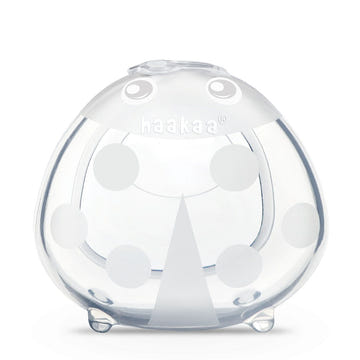
Haakaa Ladybug Silicone Milk Collector 2.5 oz 75 ml
$17.99
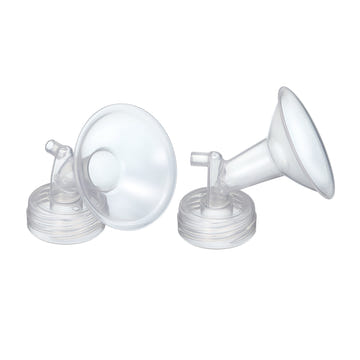
Cimilre Breast Shields set of two 21mm 24mm 28mm 32mm
$19.99
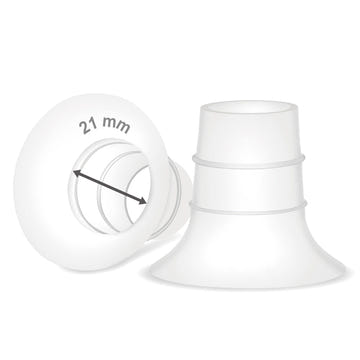
Bae & Bee Boutique Maymom Elvie Flange Inserts Semi-...
$6.00
Bae & Bee Boutique 4pc Maymom Silicone Membrane for ...
$10.00
Healthy Horizons Breastfeeding Centers Elvie Pump Sp...
$16.99
Healthy Horizons Maymom Flange Short Inserts 2 Pack ...
$14.99
Healthy Horizons Elvie Stride wearable hands-free br...
$189.99
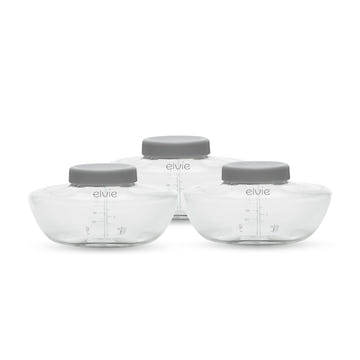
Healthy Horizons Elvie Pump Bottles 3 Pack 150 ml BP...
$34.99

Healthy Horizons Elvie Double Electric Wearable Brea...
$549.99
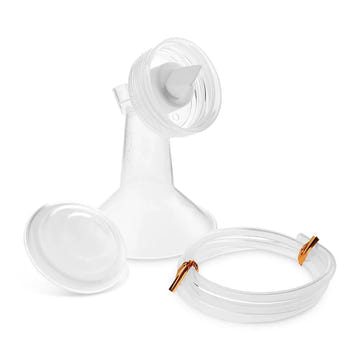
Spectra Wide Neck Breast Flange Kit
$15.99