


The ability of a mother to produce milk is a remarkable aspect of human biology, ensuring that newborns receive the essential nutrients they need for growth and development. Understanding how this process works can help new mothers feel more confident and prepared for breastfeeding. In this blog post, we’ll delve into the science of lactation, the stages of breast milk production, and how tools like Moogco silver nursing cups can support you on your breastfeeding journey.
The Science of Lactation
Hormonal Changes During Pregnancy: Milk production begins during pregnancy, as the body prepares for the baby’s arrival. Hormones such as estrogen and progesterone play a crucial role in developing the milk-producing glands and ducts within the breasts.
Prolactin and Oxytocin: After birth, two primary hormones, prolactin and oxytocin, drive milk production and ejection. Prolactin is responsible for stimulating the alveoli, the small milk-producing sacs in the breasts, to produce milk. Oxytocin triggers the “let-down” reflex, causing the muscles around the alveoli to contract and release milk through the ducts to the nipple.
The Stages of Milk Production
Colostrum: In the first few days after birth, your breasts produce colostrum, a thick, yellowish fluid rich in antibodies and nutrients. Colostrum is highly beneficial for your newborn, providing immune protection and aiding in the development of the digestive system.
Transitional Milk: After 2-4 days, colostrum gradually transitions to mature milk. This phase is known as the transitional milk stage, where the milk becomes more abundant and changes in composition to meet your baby’s growing needs.
Mature Milk: By about two weeks postpartum, your breasts produce mature milk, which has a perfect balance of fat, sugar, water, and protein. Mature milk is divided into foremilk and hindmilk. Foremilk is the milk released at the beginning of a feeding session, which is thinner and more watery, while hindmilk, released later, is richer in fat and calories.
Factors Influencing Milk Production
Frequent Feeding: The principle of supply and demand governs milk production. The more frequently your baby nurses, the more milk your body will produce. Regular breastfeeding sessions stimulate the release of prolactin, promoting continuous milk production.
Proper Latch: A proper latch ensures effective milk transfer and stimulates the breast to produce more milk. Make sure your baby’s mouth covers a large part of the areola, not just the nipple, to facilitate efficient breastfeeding.
Hydration and Nutrition: Staying hydrated and maintaining a balanced diet are essential for optimal milk production. Drink plenty of water and consume nutrient-rich foods to support your body’s ability to produce milk.
Rest and Stress Management: Adequate rest and stress management play a significant role in milk production. High levels of stress can interfere with the release of prolactin and oxytocin, potentially affecting milk supply. Practice relaxation techniques and ensure you get enough sleep to support your breastfeeding journey.
Challenges and Solutions
Engorgement: Engorgement occurs when the breasts become overly full of milk, causing discomfort and swelling. Frequent feeding and expressing milk can help relieve engorgement and maintain milk flow.
Low Milk Supply: If you’re concerned about low milk supply, consult a lactation consultant for personalized advice. They can help identify any underlying issues and suggest strategies to increase milk production, such as more frequent feedings or pumping.
Sore or Cracked Nipples: Breastfeeding can sometimes lead to sore or cracked nipples, making it challenging to continue nursing. Moogco silver nursing cups provide natural antibacterial protection, promoting healing and preventing infections. Their smooth surface reduces friction and irritation, ensuring a more comfortable breastfeeding experience.
Moogco Silver Nursing Cups: Enhancing Your Breastfeeding Experience
Moogco silver nursing cups are an excellent tool for supporting breastfeeding mothers. These cups provide natural antibacterial protection, promoting healing and preventing infections. The smooth surface reduces friction and irritation, allowing you to focus on nourishing your baby comfortably.
Conclusion
The process of milk production is a complex and fascinating aspect of motherhood. Understanding how your body produces milk and the factors that influence this process can help you feel more confident and empowered in your breastfeeding journey. By recognizing the stages of milk production and utilizing tools like Moogco silver nursing cups, you can ensure a comfortable and successful breastfeeding experience. Embrace the miracle of lactation, knowing you are providing your baby with the best possible start in life.
Bring this guide home with $15 off.
Use code BABY15 for $15 off →
Frequently Asked Questions
How long does it take for mature milk to come in after birth?
Mature milk typically comes in around two weeks postpartum, though the transition from colostrum begins within 2-4 days after delivery. During this time, your milk will gradually increase in volume and change in composition to meet your baby's evolving nutritional needs. The exact timing can vary slightly from mother to mother, so don't worry if your experience differs slightly.

What is the difference between foremilk and hindmilk?
Foremilk is the milk released at the beginning of a feeding session and tends to be thinner and more watery, providing hydration and quick energy. Hindmilk comes later in the feeding and is richer in fat and calories, helping your baby feel full and gain weight. Both are important parts of a complete feeding, so it's beneficial to let your baby finish one breast before switching to ensure they get both types.
Curated by moms, vetted by lactation pros
Picks From This Story
Picks related to this guide, ready to ship from Moogco.

momjug breastfeeding water bottle 50oz double-wall s...
$49.99
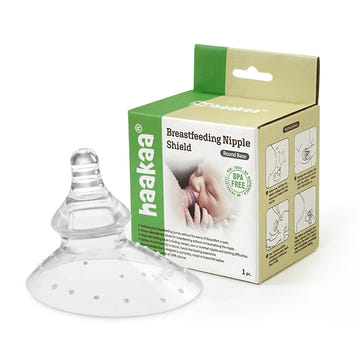
Haakaa Silicone Breastfeeding Nipple Shield Round Sh...
$19.05
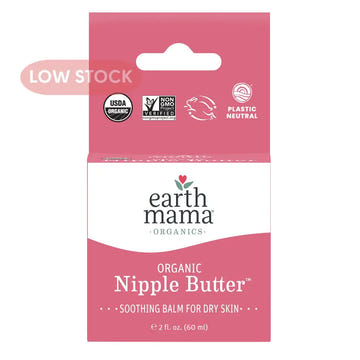
Organic Nipple Butter™ - Double-Sided for Kids
$14.99
Bae & Bee Boutique LactTube 5FR Pediatric Feeding Tu...
$3.00
Bae & Bee Boutique Cherry Shaped Nipple Shield 21mm ...
$14.00

Holistic Lactation Advanced Lactation Formula 30 Ser...
$34.99
Everything for the breastfeeding journey
Take $15 off at checkout, applied automatically when you shop through this link.
Shop with BABY15 →Free US shipping over $100. Code applies automatically at checkout.
Can stress really affect my milk supply?
Yes, high stress levels can interfere with the release of prolactin and oxytocin, the key hormones responsible for milk production and let-down. When you're stressed or anxious, your body may have difficulty releasing milk even if it's being produced. Practicing relaxation techniques, getting adequate rest, and seeking support can help maintain a healthy milk supply.
Why is colostrum so important for my newborn?
Colostrum is the first milk your body produces and is packed with antibodies, immune factors, and concentrated nutrition that your newborn needs in the first few days of life. It helps protect your baby from infections, supports the development of their digestive system, and provides a strong foundation for their immune health. Even though the quantity is small, colostrum is incredibly powerful and perfectly designed for your newborn.
How does frequent feeding increase milk production?
Milk production works on a supply and demand basis, meaning the more your baby nurses, the more milk your body produces. Each time your baby empties the breast, it signals your body to make more milk by releasing prolactin. Frequent feeding sessions, especially in the early weeks, help establish and maintain a strong milk supply.
More Related Picks
A few more favorites from the same collection.
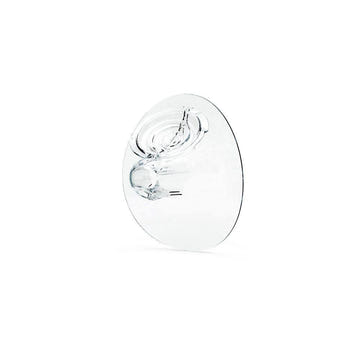
Healthy Horizons Elvie Pump Breast Shields 2 Pack 21...
$29.99
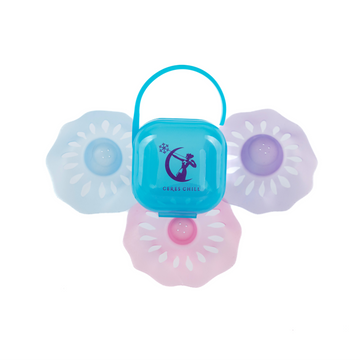
Ceres Chill Shield Maiden Nipple Shields 2pc or 3pc ...
$14.50

Mila's Keeper Silicone Breast Milk Bottle 6 oz Stand...
$36.00
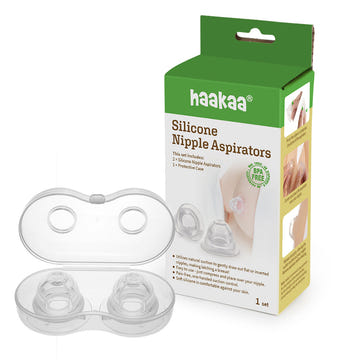
Haakaa Silicone Inverted Nipple Aspirators 2 pk
$17.99
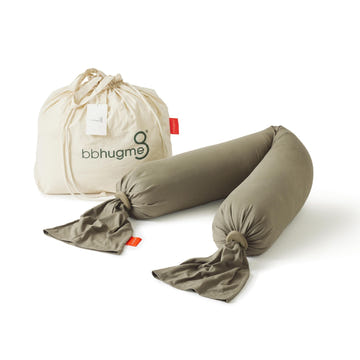
bbhugme Pregnancy Pillow Dusty Olive Adjustable Firm...
$219.00
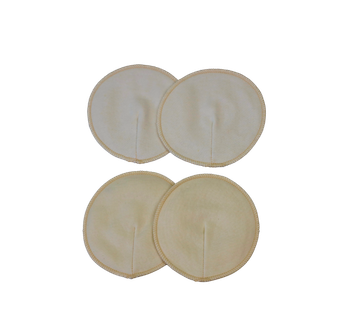
Babee Greens Contoured Nursing Pads 1 Pair Organic C...
$7.25
What should I eat and drink to support milk production?
Staying well-hydrated and eating a balanced diet rich in whole grains, lean proteins, fruits, vegetables, and healthy fats supports optimal milk production. Aim to drink plenty of water throughout the day, especially before and after nursing sessions. While no single food magically boosts supply, nourishing your body helps ensure you have the energy and nutrients needed to produce milk consistently.
How do I know if my baby is getting a proper latch?
A proper latch involves your baby's mouth covering a large portion of the areola, not just the nipple, with their lips flanged outward. You should hear rhythmic swallowing and feel a tugging sensation rather than sharp pain. If breastfeeding is consistently painful or your baby seems frustrated, it may indicate a latch issue, and consulting a lactation consultant can help you make adjustments.
Can Moogco silver nursing cups help with cracked nipples?
Yes, Moogco silver nursing cups provide natural antibacterial protection that promotes healing and helps prevent infections in sore or cracked nipples. Their smooth surface reduces friction and irritation between feedings, creating an optimal environment for your skin to repair itself. Many mothers find that using silver nursing cups makes breastfeeding more comfortable and helps them continue their nursing journey with less discomfort.
From Moogco Studio
Printable and personalized nursery essentials. Designed by moms for moms.


About the Editor
Eda Ulger is a co-founder of Moogco Baby, the editor of the Moogco Baby Journal, and a mom of two. She curates and edits our guides so every piece is honest, practical, and genuinely helpful for the early days of motherhood.
Shop This Story
Picks related to this guide, ready to ship from Moogco.
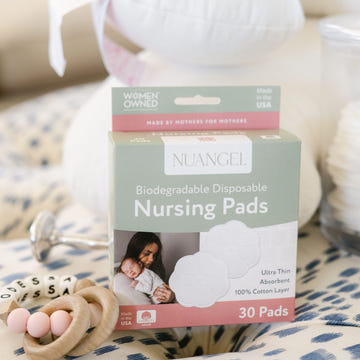
NuAngel Plant-based Disposable Nursing Pads individu...
$9.99
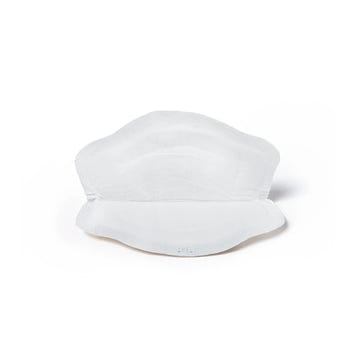
Zomee Breast Pumps Nursing Pads 100 or 200 count
$2.99
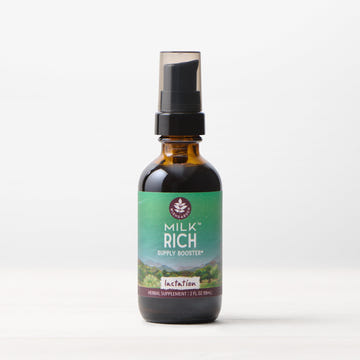
WishGarden Herbs Milk Rich Supply Booster pump top b...
$21.59

Wendy Anne Lounger Slip Cover Organic Cotton Waterpr...
$49.00
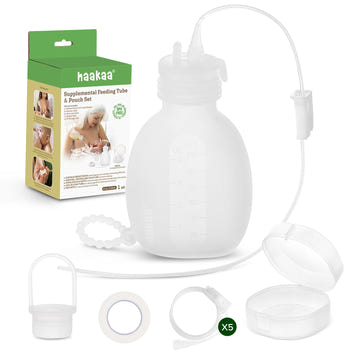
Haakaa Supplemental Feeding Tube and Pouch Set Size ...
$33.99
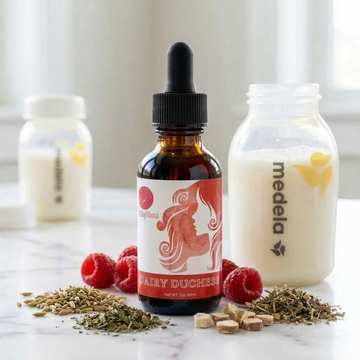
Milky Mama Dairy Duchess Raspberry Breastfeeding Sup...
$27.00
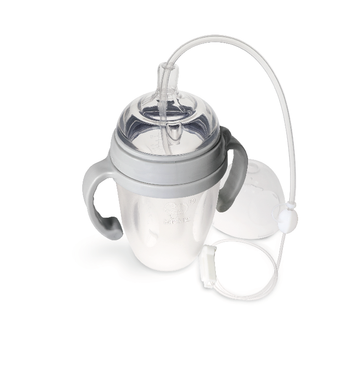
Haakaa Supplemental Feeding Combo 250ml Bottle with ...
$32.99
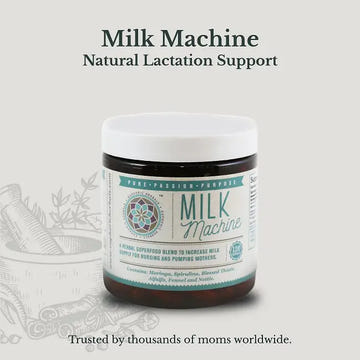
Euphoric Herbals Milk Machine lactation supplement 2...
$19.99
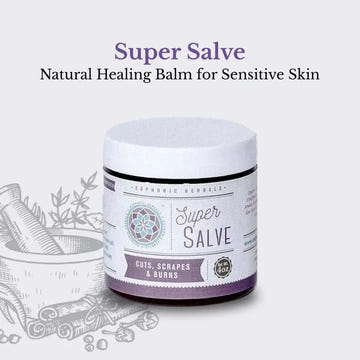
Euphoric Herbals Super Salve Nursing Salve no essent...
$10.00
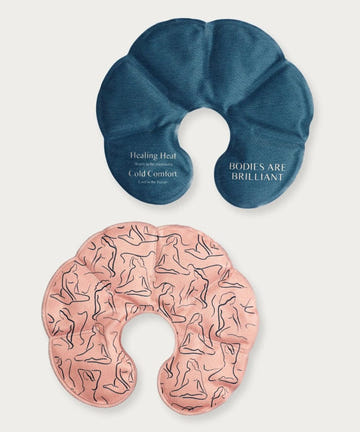
Nyssa Breast Ice and Heat Therapy Packs 8-inch Full-...
$20.00