


While many new mothers worry about not producing enough milk, some mothers find themselves in the opposite situation, producing too much milk. Having an oversupply may sound like a blessing, but it can bring its own set of challenges for both mother and baby. Managing an oversupply can help create a more comfortable breastfeeding experience for everyone involved.
What Causes an Oversupply of Milk?
An oversupply occurs when a mother produces more milk than her baby needs. This can happen for several reasons:
- Frequent Pumping: Pumping too often or for long durations, especially in the early days, can signal your body to produce more milk than your baby consumes.
- Strong Letdown Reflex: Some mothers have a very forceful letdown reflex, which can stimulate milk production beyond the baby’s needs.
- Hormonal Factors: In some cases, a mother’s hormones naturally drive higher milk production.
- Increased Nursing or Pumping: If a baby is nursing frequently for comfort or if a mother pumps often, the body may respond by creating more milk.
Signs You Have an Oversupply
Oversupply is not always obvious, but there are several signs that indicate you might be producing too much milk:
- Baby Gagging or Coughing: If your baby struggles to keep up with the flow of milk, especially during letdown, they may gag or cough frequently during feedings.
- Frequent Feeding or Fussiness: Babies dealing with oversupply may seem to feed more often, but only for short periods. They may also exhibit fussiness or colic-like symptoms due to swallowing too much air.
- Engorgement: Frequent engorgement or fullness, even after feeding or pumping, can be a sign that you're producing more milk than needed.
- Fast Weight Gain in Baby: Some babies gain weight very quickly when their mothers have an oversupply.
- Leaking Milk Constantly: If you find that you’re frequently leaking milk, it may be a sign that your body is producing more than what your baby consumes.
Challenges of Oversupply
While having an abundant supply of milk might sound ideal, it can create some difficulties for both the mother and baby:
- Uncomfortable Feedings for Baby: Babies may struggle with the fast flow of milk, causing them to pull off the breast frequently, leading to frustration during feedings.
- Increased Gassiness in Baby: Babies with mothers who have an oversupply may swallow too much air due to the fast milk flow, leading to gassiness and discomfort.
- Sore or Engorged Breasts: Oversupply can cause painful engorgement and even increase the risk of plugged ducts or mastitis.
- Overactive Letdown: An overactive letdown can cause milk to spray forcefully, making it difficult for the baby to latch and feed comfortably.
Managing an Oversupply of Milk
The good news is that there are several strategies to help manage an oversupply and make breastfeeding more comfortable for both you and your baby.
Block Feeding
Block feeding is a method in which you offer only one breast for a certain period (typically 3-4 hours) before switching to the other breast. This technique helps regulate milk production by signaling to the body that it does not need to produce as much milk. The unused breast may feel full, but it’s important to avoid pumping, as this will stimulate more production.
Nurse in a Reclined Position
A reclined or laid-back breastfeeding position allows gravity to slow the flow of milk, giving your baby more control over the pace of feeding. This can help prevent choking, gagging, or coughing due to a fast letdown.
Avoid Excessive Pumping
If you’re dealing with oversupply, try to limit pumping sessions to only when necessary (e.g., if you're separated from your baby or if you need relief from engorgement). Excessive pumping can worsen the oversupply and keep the cycle going.
Hand Express Small Amounts
If your breasts are painfully engorged or too full for your baby to latch comfortably, hand express just enough milk to soften the breast and help your baby latch more easily. Be careful not to express too much, as this can stimulate further production.
Cold Compresses
Using cold compresses on your breasts after feeding can reduce swelling and slow down milk production. Applying a cold compress for about 10-15 minutes can provide relief from engorgement and help manage an oversupply.
Seek Professional Guidance
If you're struggling with oversupply, consider seeking help from a lactation consultant. They can help you navigate your milk supply issues and develop a plan to balance production while ensuring your baby is getting what they need.
The Role of Moogco Silver Nursing Cups in Managing Oversupply
One of the challenges of oversupply is the discomfort it can bring, including engorgement, sore nipples, and even the risk of clogged ducts. Moogco Silver Nursing Cups can help provide relief by protecting sensitive skin and promoting natural healing. These antimicrobial cups are designed to soothe sore nipples and prevent irritation, giving nursing mothers an added layer of comfort during their breastfeeding journey.
Picks From This Story
Picks related to this guide, ready to ship from Moogco.
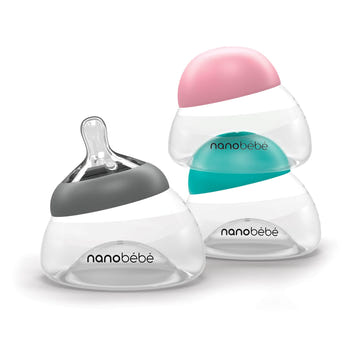
Nanobébé Breastmilk Baby Bottle 5 oz Pack Options Pi...
$16.99
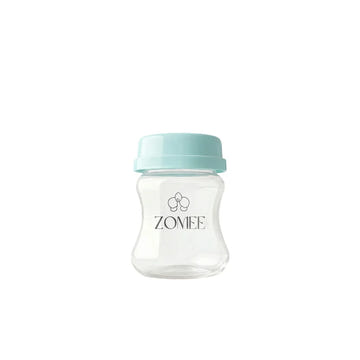
Zomee Breast Pumps Breast Milk Storage Bottles BPA-free
$3.99
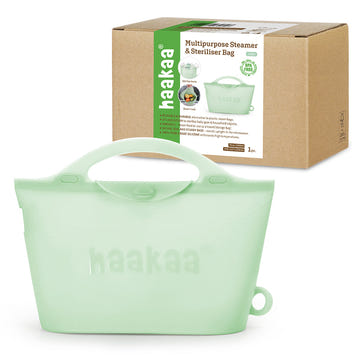
Haakaa Multipurpose Steamer & Sterilizer Bag 3 sizes...
$14.99

Mila's Keeper Silicone Breast Milk Bottle 6 oz Stand...
$36.00
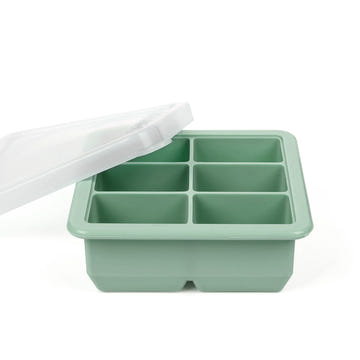
Haakaa Baby Freezer Tray Silicone 4 6 9 Compartment ...
$17.43
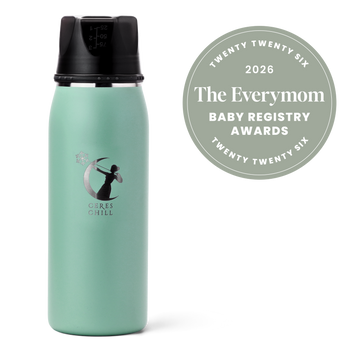
Ceres Chill OG+ Chiller Warmer 28oz Breastmilk Chiller
$68.98
Conclusion
Oversupply can present its own set of challenges, but with the right strategies, it’s entirely manageable. Block feeding, nursing in a reclined position, and avoiding excessive pumping are just a few ways to regulate your milk production. Additionally, Moogco Silver Nursing Cups can provide much-needed comfort for breastfeeding mothers dealing with oversupply and related discomforts. By understanding your body’s unique milk production patterns and adjusting your approach, you can continue to provide the best nourishment for your baby while maintaining your own comfort and well-being.
Bring this guide home with 25% off.
Use code READER25 for 25% off →
Featured pick from Moogco
MOOGCO Silver Nursing Cups 999k Silver - BPA-Free for Babies & Toddlers
$46.90 $52.90
Shop this pick → Frequently Asked Questions
How long does it take to reduce an oversupply of milk?
It typically takes about 5 to 7 days of consistent block feeding and limited pumping to see a reduction in oversupply. Every mother's body responds differently, so some may notice changes sooner while others may need a bit more time. Be patient with the process and avoid making too many changes at once, as this can confuse your body's milk production signals.

Can oversupply cause my baby to refuse the breast?
Yes, some babies may refuse the breast or become fussy during feedings when dealing with a fast milk flow from oversupply. The forceful letdown can be overwhelming, causing them to pull away, choke, or seem frustrated. Nursing in a reclined position and allowing your baby to control the pace can help make feedings more comfortable and reduce breast refusal.
Free US shipping over $100
Real essentials, picked by real moms
Take 25% off at checkout, applied automatically when you shop through this link.
Shop with READER25 →Free US shipping over $100. Code applies automatically at checkout.
Will my oversupply affect the quality of my breast milk?
Oversupply itself does not affect the nutritional quality of your breast milk. However, babies may get more foremilk (the thinner, lactose-rich milk that comes first) and less hindmilk (the fattier milk that comes later) if they're overwhelmed by the fast flow and don't feed long enough. Block feeding can help ensure your baby gets a better balance of foremilk and hindmilk.
More Related Picks
A few more favorites from the same collection.
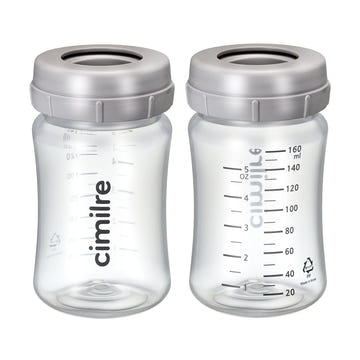
Cimilre Breast Pumps Storage Bottle Set 5 oz 2-Pack
$11.99
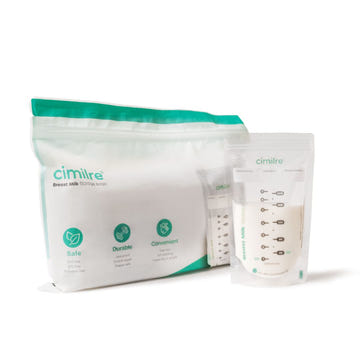
Cimilre Breast Pumps Breast Milk Storage Bags 7oz Pa...
$16.99
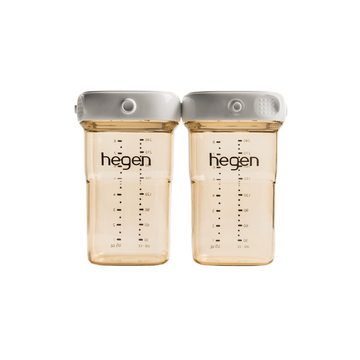
hegen PPSU Breast Milk Storage Containers 240ml 2-Pack
$30.99
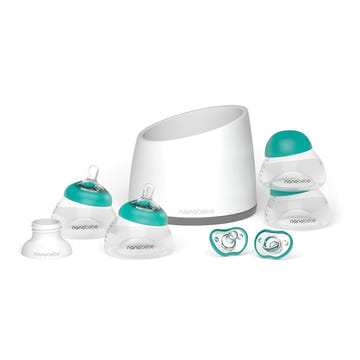
Nanobébé Breastmilk Bottle Starter Set 5 oz 4-pack w...
$39.99
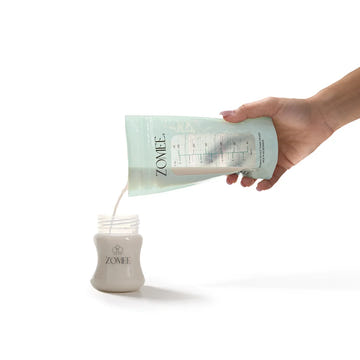
Zomee Breast Pumps Milk Storage Bags 8oz Double-Zip ...
$8.99
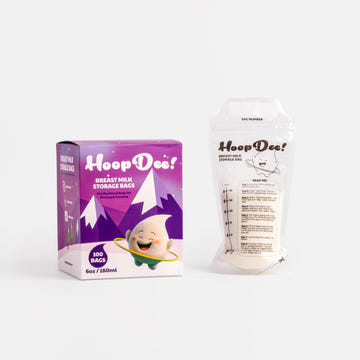
HoopDee Breast Milk Storage Freezer Bags 6oz (180ml)...
$14.99
Is it safe to use cabbage leaves to reduce milk supply?
Cabbage leaves are a traditional remedy that some mothers use to help reduce milk supply and relieve engorgement. Place cold cabbage leaves inside your bra for about 20 minutes, but use this method cautiously and only when needed, as it can decrease supply quickly. Always consult with a lactation consultant before trying remedies to reduce your milk production.
Can oversupply lead to mastitis?
Yes, oversupply increases the risk of mastitis because frequent engorgement and incomplete breast emptying can lead to plugged ducts, which may become infected. It's important to manage oversupply carefully and address any signs of plugged ducts early by gently massaging the area and ensuring proper milk removal. If you develop fever, redness, or severe pain, contact your healthcare provider right away.
Should I pump to relieve engorgement if I have oversupply?
It's best to avoid pumping whenever possible if you have oversupply, as pumping signals your body to make more milk. If you're painfully engorged, hand express just enough milk to soften the breast and provide relief, but don't fully empty the breast. This approach helps you find comfort without encouraging additional milk production.
Why does my baby seem gassy if I have too much milk?
Babies often become gassy when dealing with oversupply because the fast milk flow causes them to swallow more air during feedings. Additionally, if your baby fills up quickly on foremilk and doesn't get enough hindmilk, the high lactose content can lead to gassiness and fussiness. Block feeding and paced feeding positions can help reduce these symptoms.
Can I donate my extra breast milk if I have an oversupply?
Absolutely, donating extra breast milk is a wonderful way to help babies in need while managing your oversupply. Many milk banks accept donations from healthy mothers who have been screened. Just be mindful that regular pumping for donation may maintain your high supply, so work with a lactation consultant to find a balance that works for both you and your baby.
From Moogco Studio
Printable and personalized nursery essentials. Designed by moms for moms.


About the Editor
Eda Ulger is the editor at Moogco Baby and a mom of two. She curates and edits our guides so every piece is honest, practical, and genuinely helpful for the early days of motherhood.
Stock up on breastfeeding essentials with 15% off.
Use code MILK15 for 15% off →Free US shipping on orders over $100.
Shop This Story
Picks related to this guide, ready to ship from Moogco.
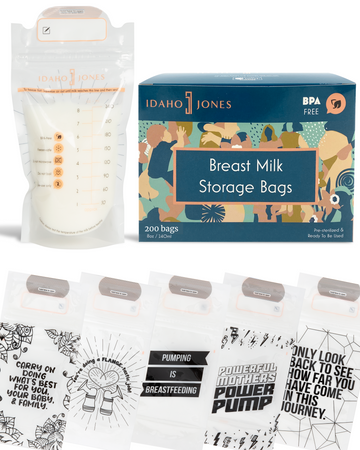
Milk Storage Bags - Breast Milk Pouches
$15.99
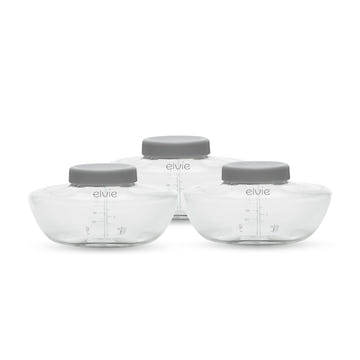
Healthy Horizons Elvie Pump Bottles 3 Pack 150 ml BP...
$34.99
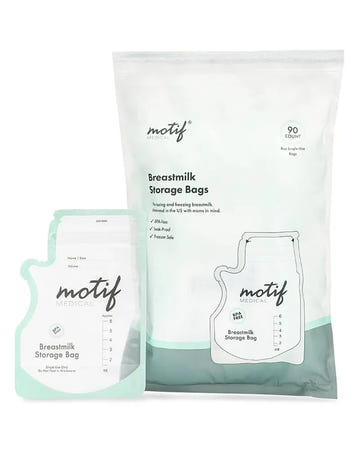
LL Medico Motif Milk Storage Bags 6 oz Self-Standing...
$8.99
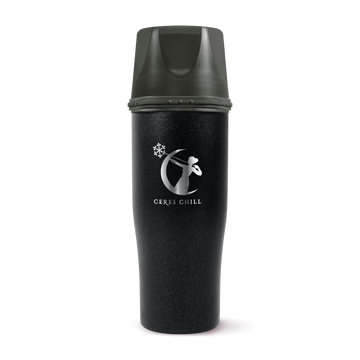
Ceres Chill Demigoddess Mini Chiller Warmer 12oz 16-...
$49.68
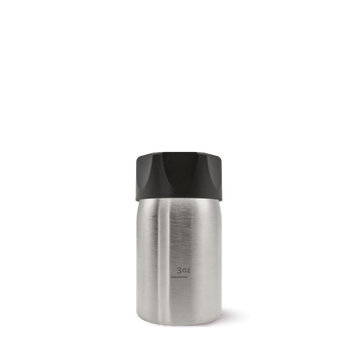
Ceres Chill 6oz Inner Chamber Daycare-Friendly Baby ...
$10.95
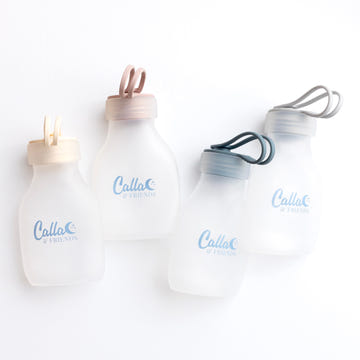
Calla and Friends Nourishing Nibbler Reusable Milk &...
$40.00
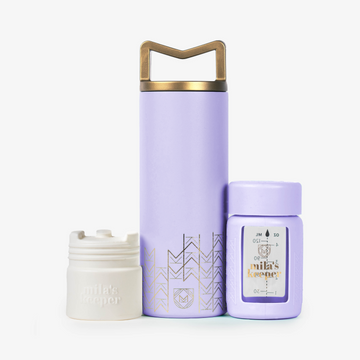
Mila's Keeper MilKeeper Starter Set Lavender Fields ...
$67.00

Mila's Keeper MilKeeper Starter Set Starry Night 5oz...
$67.00
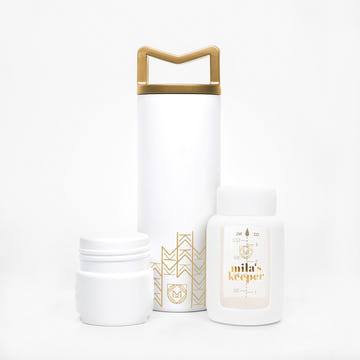
Mila's Keeper MilKeeper Starter Set Aspen White 3-in...
$67.00

Mila's Keeper Glass Breast Milk Storage Bottles Set ...
$42.00