


Quick answer
Around 3 to 4 months, supply switches from hormone-driven to demand-driven, so breasts feel softer and pump output often dips even when milk is fine. Check diapers and weight gain before panicking. If supply truly dropped, the usual causes are returning periods, hormonal birth control, longer night sleep, missed pump sessions, or certain cold medicines, and adding milk removals rebuilds it within about a week.
It usually happens somewhere between week 10 and month 4. Your breasts stop feeling full. The leaking stops. The pump that used to fill a bottle brings back half. And at 2 a.m. you're googling "milk supply suddenly gone," convinced your body quit on you.
Take a breath, mama. In most cases your supply didn't drop. It regulated. And in the cases where it really did dip, the causes are specific and fixable. Let's sort out which one you're dealing with.
Regulation: the "drop" that isn't one
For the first couple of months, milk production runs on postpartum hormones and typically overshoots what your baby needs. Around 3 months, the system hands control over to supply and demand: your body now makes almost exactly what your baby takes, just in time.
The side effects of that handover feel alarming: softer breasts between feeds, no more engorgement, less leaking, shorter and more efficient feeds, and a smaller pump output. None of those are supply problems. They're signs of a calibrated system. The full mechanics are in how mothers produce milk if you want the science.
Before changing anything, check the only numbers that matter: 6 or more wet diapers a day and steady weight gain. If those hold, your supply is fine, whatever the pump says. When in doubt, run through the real signs of low milk supply.
Picks From This Story
Picks related to this guide, ready to ship from Moogco.

Healthy Horizons Elvie Stride Diaphragms 2 Pack
$21.99
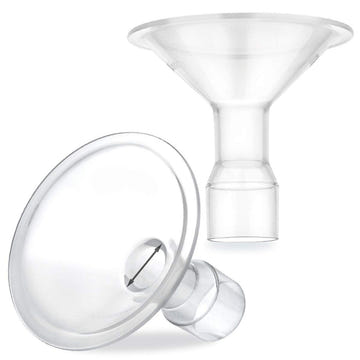
Bae & Bee Boutique Maymom Narrow Neck Flange compati...
$15.00

Haakaa Silicone Pump and Ladybug Milk Collector Comb...
$30.32
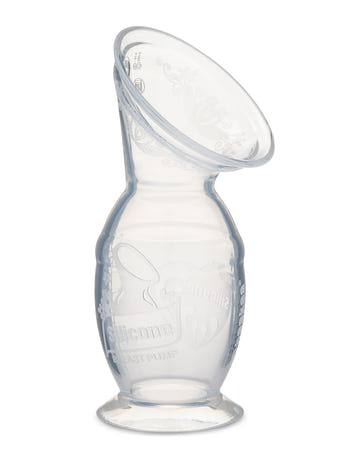
Haakaa Generation 2 Silicone Breast Pump 5 oz Suctio...
$20.99
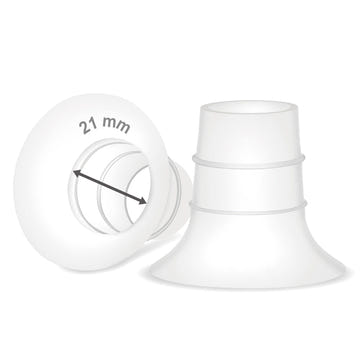
Bae & Bee Boutique Maymom Silicone Medela Flange Ins...
$6.00
Bae & Bee Boutique Silicone Flange Inserts 10-21mm
$16.00
Real cause 1: hormones shifting
If your period is returning, the days around ovulation and menstruation commonly cause a temporary dip, often with a day or two of tender nipples. Supply usually rebounds within a few days of your period ending. Some moms find a calcium and magnesium supplement helps smooth the dip; ask your provider.
Hormonal birth control matters too. Estrogen-containing pills are well known for lowering supply, and even progestin-only methods affect some moms, especially when started before 6 weeks. If your dip started within weeks of new birth control, that's a conversation worth having with your OB.
Real cause 2: longer nights and a busier baby
Around this same age, two happy milestones quietly cut demand. Baby starts sleeping longer stretches, which removes a night feed or two. And baby becomes hilariously distractible, popping off the breast every time the dog walks by, which shortens daytime feeds.
Less milk removed means less milk made. If nights got longer, consider one pump session before your own bedtime to replace the lost demand. For distracted feeding, try a dark, boring room for a few daytime feeds. It works better than it has any right to.
More Related Picks
A few more favorites from the same collection.
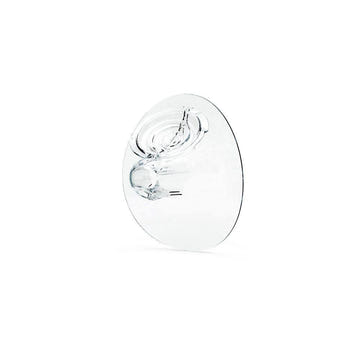
Healthy Horizons Elvie Pump Breast Shields 2 Pack 21...
$29.99
Bae & Bee Boutique Duckbill Valve Pink Replacement F...
$14.00
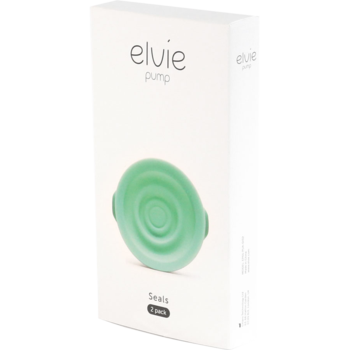
Healthy Horizons Elvie Pump Seals 2 Pack Spare Diaph...
$16.99
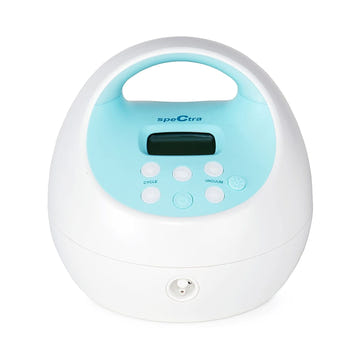
LL Medico Spectra S1 Plus Rechargeable Double Electr...
$216.00
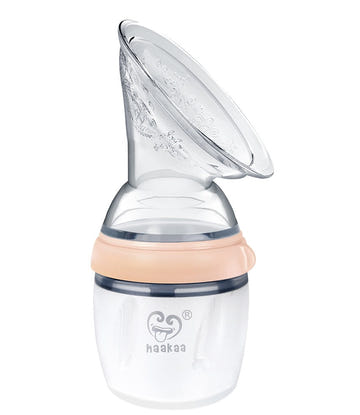
Haakaa Silicone Breast Pump Generation 3 160ml 250ml
$28.99
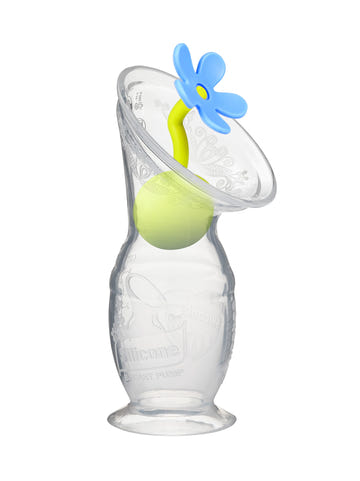
Haakaa Gen 2 Silicone Breast Pump 4 oz with Suction ...
$26.99
Real cause 3: back to work and quiet session slippage
Returning to work often lands in exactly this window, and pump sessions at work have a way of shrinking: a meeting runs over, one session gets skipped, then skipping becomes the norm. Each missed session is a direct "make less" instruction.
The fix is boring consistency: every 3 hours at work, 15 to 20 minutes, protected on your calendar like a meeting. Our full guide to increasing milk supply when pumping covers flange fit, worn pump parts, and hands-on pumping, which together fix most workplace output problems.
Stock up on breastfeeding essentials with 15% off.
Use code MILK15 for 15% off →Free US shipping on orders over $100.
Real cause 4: medications and dehydration
Cold and allergy season catches a lot of moms here. Pseudoephedrine (the common decongestant) can drop milk supply noticeably with even a dose or two, and some antihistamines dry up more than your nose. Sage and peppermint in large amounts do the same. If your dip coincides with a cold remedy, you likely found your culprit.
And the unglamorous basics still count: fever, a stomach bug, crash dieting, or simply forgetting to eat and drink while chasing a 4-month-old all lower supply temporarily. Milk is made from calories and water you actually consume.

The 7-day rebuild plan
If diapers or weight gain say the drop is real, here's the week that brings most moms back:
- Days 1 to 7: add 2 to 3 milk removals a day. Nurse more often, or add pump sessions after feeds. Frequency beats duration.
- Add one daily power pumping session. One hour: pump 20, rest 10, pump 10, rest 10, pump 10.
- Bring back one night removal. Prolactin is highest overnight, so one feed or pump between 1 and 5 a.m. pays double.
- Do a gear check. Flange size, duckbill valves, membranes. Worn parts fake a supply drop convincingly.
- Feed the factory. Eat enough, drink to thirst, and lean on skin-to-skin time, which measurably supports the hormones behind letdown.
- Audit the culprit list. New birth control, decongestants, period timing, longer nights. Remove or work around what you find.
Most moms see output recover within 5 to 7 days. If two weeks of consistent effort changes nothing, book an IBCLC visit. Persistent unexplained drops occasionally trace to thyroid shifts or other medical causes worth checking properly. For the bigger toolkit, our guide on increasing milk supply fast goes deeper on every lever here.
Find a lactation consultant near you
An IBCLC (International Board Certified Lactation Consultant) is the specialist for exactly this kind of problem. Many do home visits or video calls, and many accept insurance. These are good places to start:
- USLCA Find an IBCLC: a US directory you can search by zip code, including virtual visits.
- ILCA lactation consultant map: the international association's directory.
- IBCLC public registry: check that a consultant's certification is current.
- La Leche League USA: free local and online support from trained volunteer leaders.
- WIC breastfeeding support: free peer counselors, and often IBCLCs, if you qualify.
Practices we work with
- Mooch Lactation Co: Austin, TX
Most US health plans must cover breastfeeding support and counseling. See what Healthcare.gov says, then call your plan and ask which lactation consultants are in network.
Frequently asked questions
Is it normal for milk supply to drop at 3 months?
What most moms notice at 3 months is regulation, not a drop: breasts soften, leaking stops, and pump output dips while the baby still gets plenty. Check wet diapers (6 or more a day) and weight gain. If those are normal, your supply is normal.
Why did my pump output suddenly decrease at 4 months?
The most common causes are supply regulation, worn pump parts, a returning period, new hormonal birth control, longer baby sleep stretches, missed sessions after returning to work, or a decongestant. Work through that list before assuming your supply is failing.
Can I get my milk supply back after it drops?
Almost always, yes. Add 2 to 3 daily milk removals, include one power pumping session, restore one overnight feed or pump, and fix any culprit like medication or worn pump parts. Most moms rebuild within a week or two.
Does a period returning permanently lower milk supply?
No. The dip around ovulation and your period is temporary, usually a few days. Supply typically returns to normal after your period ends, and the dips often get smaller over subsequent cycles.
Will my supply drop if my baby sleeps through the night?
It can decrease overall production because a night feed disappeared. If your baby is gaining well, that is fine, supply matched the new demand. If you pump for bottles or want a buffer, add one pump session before your own bedtime.
When should I see a lactation consultant about a supply drop?
If your baby has fewer than 6 wet diapers a day, weight gain stalls, or two weeks of added milk removal brings no improvement, see an IBCLC. Bring your feeding log, medication list, and pump so they can check fit and technique in one visit.
This article is for general information only and is not medical advice. Always talk to your pediatrician, OB, or an IBCLC lactation consultant about your specific situation.
About the Editor
Eda Ulger is a co-founder of Moogco Baby, the editor of the Moogco Baby Journal, and a mom of two. She curates and edits our guides so every piece is honest, practical, and genuinely helpful for the early days of motherhood.
Shop This Story
Picks related to this guide, ready to ship from Moogco.

Haakaa Ladybug Silicone Milk Collector 2.5 oz 75 ml
$17.99
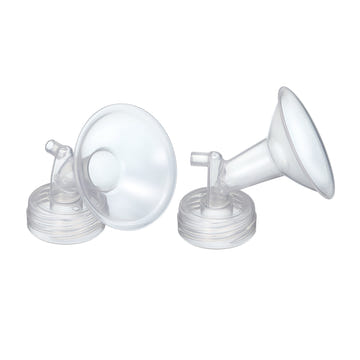
Cimilre Breast Shields set of two 21mm 24mm 28mm 32mm
$19.99
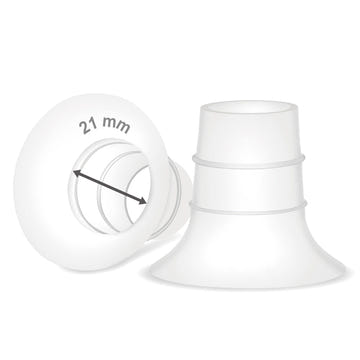
Bae & Bee Boutique Maymom Elvie Flange Inserts Semi-...
$6.00
Bae & Bee Boutique 4pc Maymom Silicone Membrane for ...
$10.00
Healthy Horizons Breastfeeding Centers Elvie Pump Sp...
$16.99
Healthy Horizons Maymom Flange Short Inserts 2 Pack ...
$14.99
Healthy Horizons Elvie Stride wearable hands-free br...
$189.99
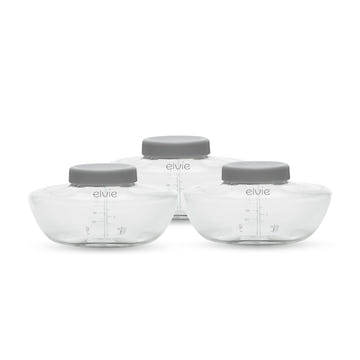
Healthy Horizons Elvie Pump Bottles 3 Pack 150 ml BP...
$34.99

Healthy Horizons Elvie Double Electric Wearable Brea...
$549.99
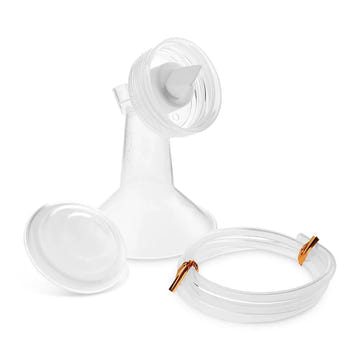
Spectra Wide Neck Breast Flange Kit
$15.99