


Quick answer
To increase milk supply when pumping, pump at least 8 times in 24 hours (about 120 total minutes) if you're exclusively pumping, use a correctly sized flange, do hands-on pumping with breast massage, replace duckbills and membranes monthly, and add one daily power pumping session. Output usually responds within a week.
Pumping moms work harder for every ounce, and get the least credit. Whether you're exclusively pumping, building a back-to-work stash, or trying to keep supply up across a 9-to-5, the frustrating truth is that a pump is not as good at asking for milk as a baby is. You have to make up the difference with technique.
The good news: pump output responds to a handful of specific, fixable levers. Here they are, in order of impact.
Lever 1: frequency and the 120-minute rule
Supply follows demand, full stop. If you're exclusively pumping for a baby under 3 months, aim for 8 or more sessions in 24 hours, totaling at least 120 minutes of pump time. That's roughly every 2.5 to 3 hours during the day with no stretch longer than 5 hours at night.
If you're combining nursing and pumping, protect the pump sessions that replace missed feeds. Every skipped session tells your body demand dropped, and your body listens fast. Our week-by-week supply guide explains how quickly that calibration happens in the early months.
Long sessions can't rescue low frequency. Two 40-minute marathons will always lose to eight 15-minute sessions, because it's the number of times milk is removed that drives the hormone signal, not the total.
Lever 2: flange fit (the fix nobody checks)
A wrong-size flange quietly costs moms ounces every single day. Too big, and the areola gets pulled into the tunnel, blocking milk flow. Too small, and the nipple drags painfully against the sides. Both reduce output and cause damage over time.
Measure your nipple diameter (just the nipple, not the areola) after a pumping session and add 2 to 4 millimeters. Most moms need a smaller flange than the standard sizes that come in the box. If pumping hurts, your flange is the first suspect.
Picks From This Story
Picks related to this guide, ready to ship from Moogco.

Healthy Horizons Elvie Stride Diaphragms 2 Pack
$21.99
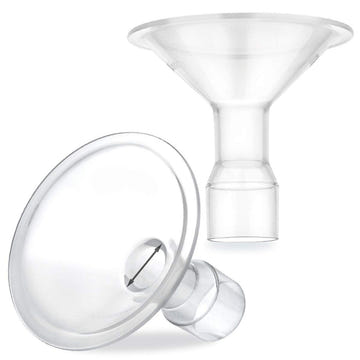
Bae & Bee Boutique Maymom Narrow Neck Flange compati...
$15.00
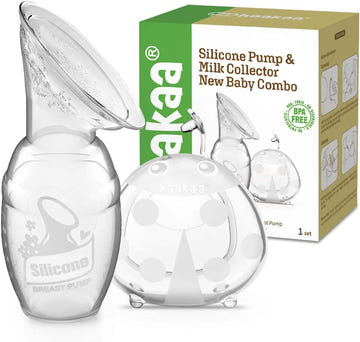
Haakaa Silicone Pump and Ladybug Milk Collector Comb...
$30.32
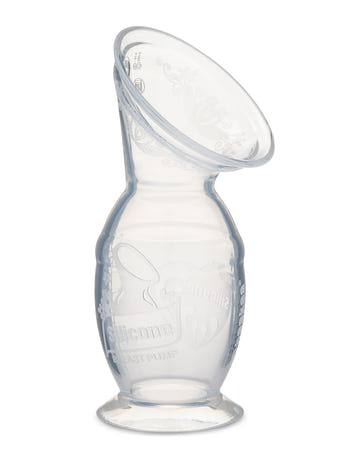
Haakaa Generation 2 Silicone Breast Pump 5 oz Suctio...
$20.99
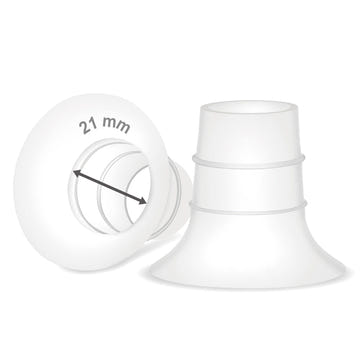
Bae & Bee Boutique Maymom Silicone Medela Flange Ins...
$6.00
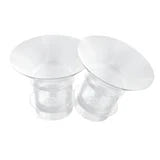
Bae & Bee Boutique Silicone Flange Inserts 10-21mm
$16.00
Lever 3: hands-on pumping
Researchers at Stanford found that moms who combined pumping with breast massage and compression expressed noticeably more milk than moms who just sat back. Pumps pull. Hands push. You want both.
- Massage both breasts for a minute or two before you start.
- While pumping, compress and release the breast, working around the outside toward the nipple.
- When flow slows, pause the pump, massage again, then finish with a few minutes of hand expression.
It feels like a lot at first. After a few days it's automatic, and it routinely adds real volume to every session.
Stock up on breastfeeding essentials with 15% off.
Use code MILK15 for 15% off →Free US shipping on orders over $100.
Lever 4: fresh pump parts and the right settings
Duckbill valves and membranes lose suction as they stretch. If you pump daily, replace duckbills about every 4 to 6 weeks and check tubing and diaphragms monthly. A pump that feels weaker than it used to usually just needs $10 of parts.
On settings: start with fast, light suction to trigger letdown, then switch to slower, deeper cycles once milk flows. Use the highest vacuum that is fully comfortable, not the highest the pump offers. Pain shuts down letdown, which shuts down output.
Protect your skin while you ramp up
More sessions mean more wear on your nipples, and cracked skin can force you to cut back right when consistency matters most. Between sessions, our 999 fine silver nursing cups protect healing skin with silver's natural antimicrobial properties, no creams to wipe off before the next pump. Over 200,000 cups are already in the hands of breastfeeding moms.

More Related Picks
A few more favorites from the same collection.
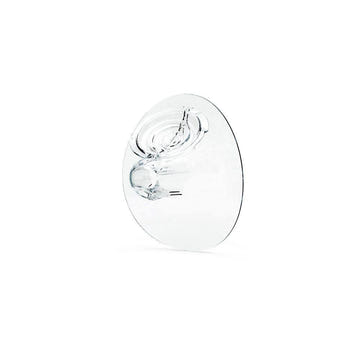
Healthy Horizons Elvie Pump Breast Shields 2 Pack 21...
$29.99
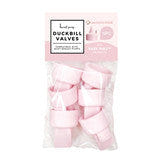
Bae & Bee Boutique Duckbill Valve Pink Replacement F...
$14.00
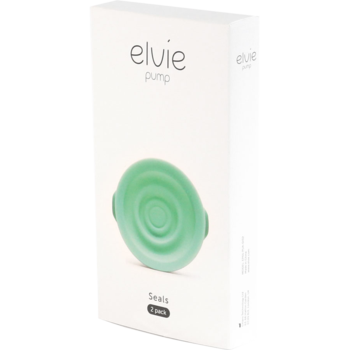
Healthy Horizons Elvie Pump Seals 2 Pack Spare Diaph...
$16.99
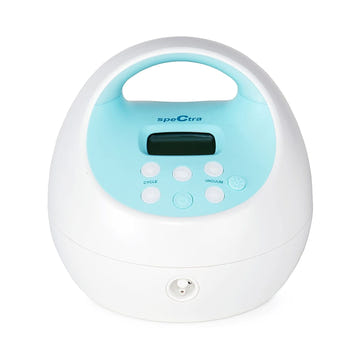
LL Medico Spectra S1 Plus Rechargeable Double Electr...
$216.00
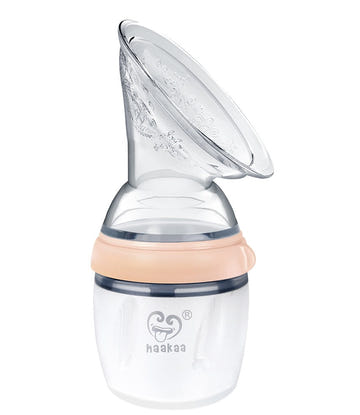
Haakaa Silicone Breast Pump Generation 3 160ml 250ml
$28.99
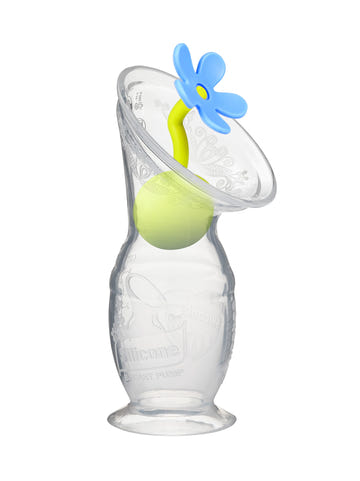
Haakaa Gen 2 Silicone Breast Pump 4 oz with Suction ...
$26.99
A realistic back-to-work pumping schedule
For a typical 8-hour workday away from a baby who nurses at home:
- Nurse right before you leave. It buys you a comfortable first stretch.
- Pump every 3 hours at work. For most schedules that's mid-morning, lunch, and mid-afternoon, 15 to 20 minutes each.
- Nurse as soon as you're reunited. Baby finishes the job better than the pump.
- Keep one night or early-morning session while your body adjusts, since dropping it is the most common cause of the classic back-to-work supply slide.
If output starts slipping anyway, add one daily power pumping session for a week before you change anything else. And check why supply drops around 3 to 4 months, because the timing of returning to work often overlaps with natural supply regulation and gets blamed for it.
What normal pump output actually looks like
A nursing mom pumping between feeds typically gets 0.5 to 2 ounces total per session. An exclusive pumper making a full milk supply averages 24 to 30 ounces per day across all sessions. Both of those numbers are smaller than what social media suggests, and both feed babies just fine.
Judge your supply by your baby: steady weight gain and 6 or more wet diapers a day. If those are off, or you want a sanity check first, start with the real signs of low milk supply.
Frequently asked questions
How can I increase my milk supply when pumping fast?
Add sessions before you add minutes. Move to 8 or more pumps per 24 hours, add one daily power pumping session, use hands-on pumping with compression, and verify your flange size. Most moms see output rise within 4 to 7 days.
How many times a day should I pump to increase supply?
Exclusive pumpers should aim for 8 or more sessions in 24 hours (about 120 total minutes) with no night gap longer than 5 hours. If you also nurse, pump for every feed you miss.
Why is my pump output dropping even though I pump the same amount?
The usual suspects are worn duckbill valves or membranes, a period returning, longer night gaps, stress, or dropped sessions that felt minor. Replace pump parts first, since it is the cheapest fix and the most commonly missed.
Is it normal to pump only 2 ounces?
Yes. For a mom who also nurses, 0.5 to 2 ounces total per session between feeds is textbook normal. The pump-output photos you see online usually come from moms with oversupply.
Do wearable pumps lower your supply?
Wearables tend to have gentler suction and a less precise fit, so some moms slowly lose supply using them exclusively. They are great for flexibility; pairing them with a stronger double electric pump for some sessions protects output.
How long should each pumping session last?
Fifteen to twenty minutes is the sweet spot for most moms, or a few minutes past the last drops of milk. Marathon sessions add little volume and a lot of soreness.
This article is for general information only and is not medical advice. Always talk to your pediatrician, OB, or an IBCLC lactation consultant about your specific situation.
About the Editor
Eda Ulger is a co-founder of Moogco Baby, the editor of the Moogco Baby Journal, and a mom of two. She curates and edits our guides so every piece is honest, practical, and genuinely helpful for the early days of motherhood.
Shop This Story
Picks related to this guide, ready to ship from Moogco.
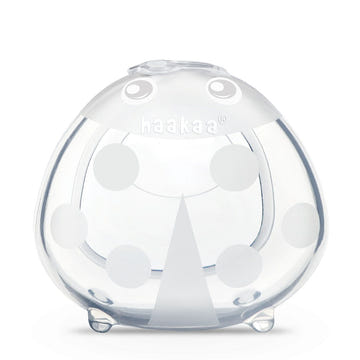
Haakaa Ladybug Silicone Milk Collector 2.5 oz 75 ml
$17.99
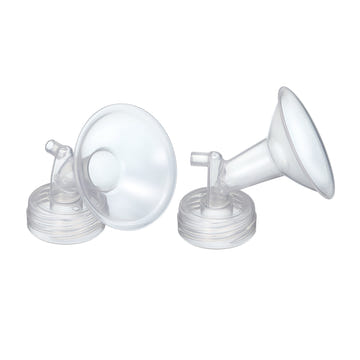
Cimilre Breast Shields set of two 21mm 24mm 28mm 32mm
$19.99
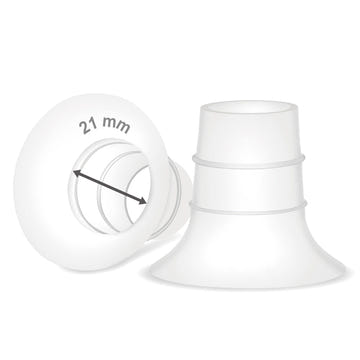
Bae & Bee Boutique Maymom Elvie Flange Inserts Semi-...
$6.00
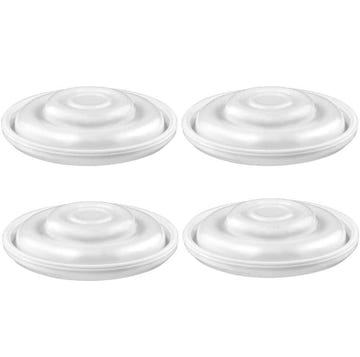
Bae & Bee Boutique 4pc Maymom Silicone Membrane for ...
$10.00
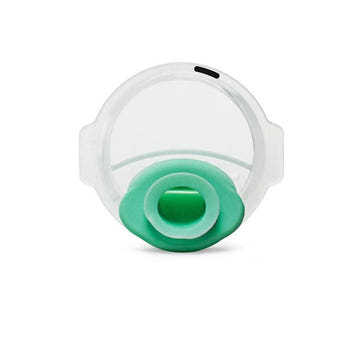
Healthy Horizons Breastfeeding Centers Elvie Pump Sp...
$16.99
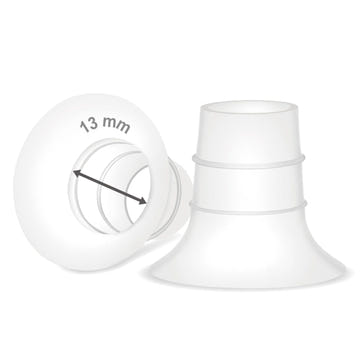
Healthy Horizons Maymom Flange Short Inserts 2 Pack ...
$14.99
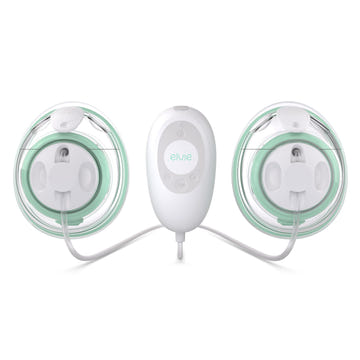
Healthy Horizons Elvie Stride wearable hands-free br...
$189.99
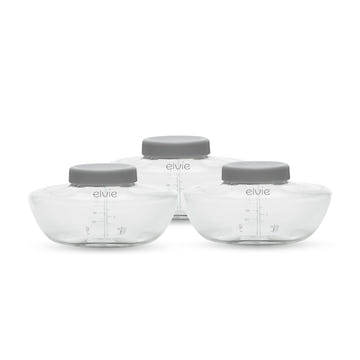
Healthy Horizons Elvie Pump Bottles 3 Pack 150 ml BP...
$34.99
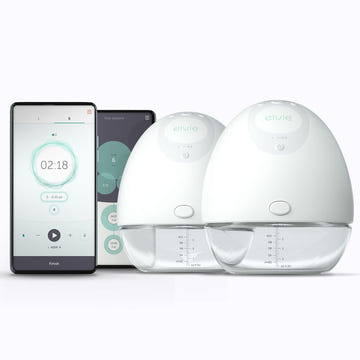
Healthy Horizons Elvie Double Electric Wearable Brea...
$549.99
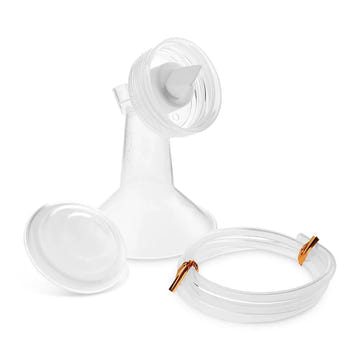
Spectra Wide Neck Breast Flange Kit
$15.99