


Quick answer
Power pumping mimics a baby's cluster feeding to signal your body to make more milk. The classic schedule is one hour, once a day: pump 20 minutes, rest 10, pump 10, rest 10, pump 10. Keep your regular feeds and pumps in place, and most moms see an increase within 3 to 7 days.
If you've ever watched your baby cluster feed through a growth spurt, you've seen the most powerful supply booster in existence. Baby nurses, dozes, nurses again, and a day or two later your body is making noticeably more milk. Power pumping is simply that same trick, done with a pump on your schedule.
We're moms too, and we know the 10 p.m. panic of a shrinking freezer stash. So this guide skips the fluff and gives you the exact schedule, the best time of day to do it, and the honest timeline for results. If you want the bigger picture first, start with our guide on how to increase milk supply fast and come back here for the pumping piece.
What power pumping actually does
Milk production runs on demand. Every time milk leaves your breasts, your body gets the message "make more." When milk sits, the message flips to "slow down." That feedback loop is explained beautifully in how mothers produce milk, but the short version is: frequent, repeated emptying is the signal that raises supply.
Power pumping concentrates that signal. Instead of one steady 20-minute session, you pump in short bursts with rests in between, the way a cluster-feeding baby eats. The repeated start-stop pattern triggers more letdowns and tells your body that demand just jumped.
It's not magic, and it's not instant. It's a volume knob you turn by repeating the session daily for about a week.
The classic one-hour schedule
Set yourself up somewhere comfortable with water, snacks, and something to watch. Then follow this pattern with a double electric pump:
- Pump 20 minutes
- Rest 10 minutes
- Pump 10 minutes
- Rest 10 minutes
- Pump 10 minutes
That's one hour total, once a day, on top of your normal feeding and pumping routine. Don't drop a regular session to make room for it. The whole point is adding demand, not shuffling it around.
Keep going for 3 to 7 days. Some moms need up to two weeks, especially if supply dipped over a longer stretch.
Picks From This Story
Picks related to this guide, ready to ship from Moogco.

Healthy Horizons Elvie Stride Diaphragms 2 Pack
$21.99
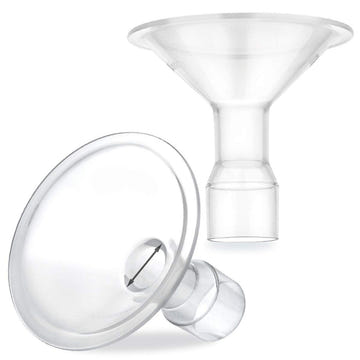
Bae & Bee Boutique Maymom Narrow Neck Flange compati...
$15.00
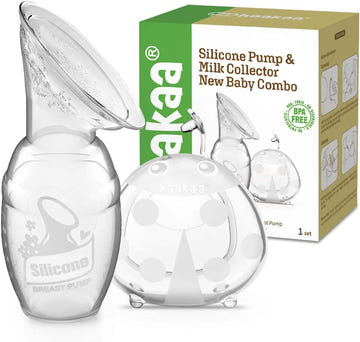
Haakaa Silicone Pump and Ladybug Milk Collector Comb...
$30.32
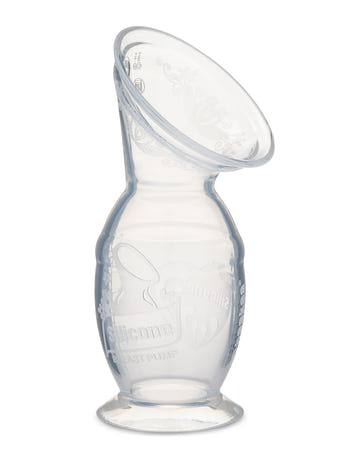
Haakaa Generation 2 Silicone Breast Pump 5 oz Suctio...
$20.99
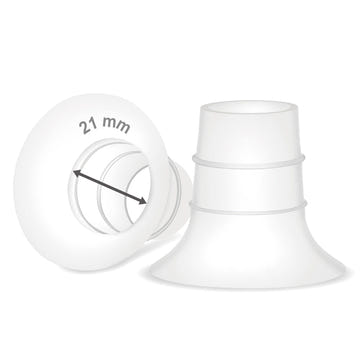
Bae & Bee Boutique Maymom Silicone Medela Flange Ins...
$6.00
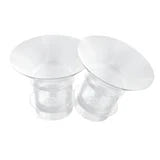
Bae & Bee Boutique Silicone Flange Inserts 10-21mm
$16.00
When to power pump (timing matters)
Prolactin, the milk-making hormone, runs highest between about 1 and 5 a.m. We're not going to pretend most moms will set an alarm for a 2 a.m. power hour. The realistic sweet spots:
- Early morning, right after the first feed. Supply is naturally highest and prolactin is still elevated.
- During baby's longest nap. You get the full hour without interruptions.
- After baby goes down for the night. Works well if your evenings are calmer.
Pick one slot you can actually repeat every day. Consistency beats perfect timing, every time.
Stock up on breastfeeding essentials with 15% off.
Use code MILK15 for 15% off →Free US shipping on orders over $100.
Don't judge the session by the bottle
Here's the part nobody tells you: the milk you collect during a power pumping session is often unimpressive. That's fine. You're not doing this for tonight's bottle. You're doing it for the supply bump that shows up several days later.
Track your total daily output (or diaper counts and weight checks if you're nursing) rather than staring at each session. If you're not sure whether supply is genuinely low in the first place, read the real signs of low milk supply before you commit to a week of power hours. Many moms who think they have low supply actually don't.
Who power pumping helps most
- Moms returning to work who want a stronger stash before day one back.
- Exclusive pumpers whose output has plateaued. Pair this with our full guide on increasing milk supply when pumping.
- Moms rebuilding after a dip from illness, a period returning, or a stretch of missed sessions.
- Moms of babies who suddenly eat more and need supply to catch up.
One honest caution: if you already leak constantly, feel painfully full between feeds, or your baby chokes at letdown, you may be dealing with oversupply. Power pumping will make that worse, not better. Skip it.
More Related Picks
A few more favorites from the same collection.
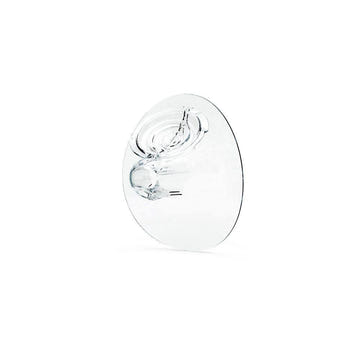
Healthy Horizons Elvie Pump Breast Shields 2 Pack 21...
$29.99
Bae & Bee Boutique Duckbill Valve Pink Replacement F...
$14.00
Healthy Horizons Elvie Pump Seals 2 Pack Spare Diaph...
$16.99
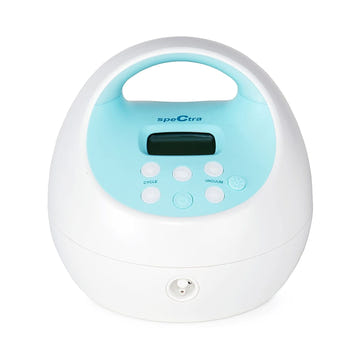
LL Medico Spectra S1 Plus Rechargeable Double Electr...
$216.00
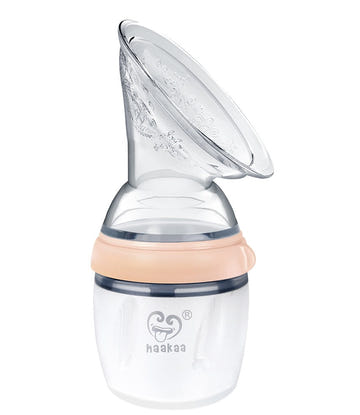
Haakaa Silicone Breast Pump Generation 3 160ml 250ml
$28.99
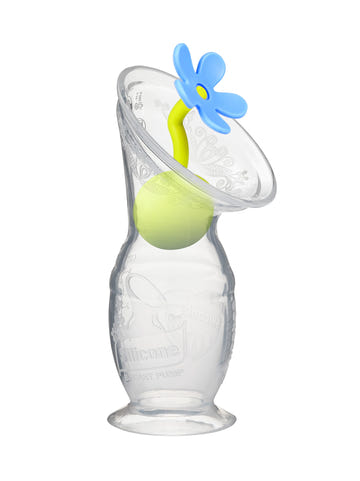
Haakaa Gen 2 Silicone Breast Pump 4 oz with Suction ...
$26.99
Keep your nipples happy through the extra pumping
More pump time means more friction, and sore nipples can end a supply plan faster than anything else. Three things protect you:
- Check your flange size. A wrong-size flange is the number one cause of pumping pain. Your nipple should move freely in the tunnel without dragging the areola in.
- Use low, comfortable suction. Higher vacuum does not mean more milk. Effective letdowns do.
- Protect your skin between sessions. Our 999 fine silver nursing cups sit over the nipple between feeds and pumps, and silver's natural antimicrobial properties help soothe and protect sore skin without creams that need wiping off. Over 200,000 cups are already in the hands of breastfeeding moms.

Common power pumping mistakes
- Replacing feeds instead of adding. Baby at the breast is still your best pump.
- Quitting after two days. The supply response typically lags 3 to 7 days.
- Power pumping around the clock. One session a day is the plan. More invites oversupply and exhaustion.
- Running on fumes. Milk needs raw material. Eat enough, drink to thirst, and see our guide to foods that support milk supply.
- Comparing your output to social media. Normal pump output is 0.5 to 2 ounces per breast per session for many moms. Freezer-drawer photos online are the exception, not the standard.
Frequently asked questions
How many days does power pumping take to work?
Most moms notice an increase within 3 to 7 days of one daily power pumping session. Give it up to two weeks before deciding it is not working, and keep all your regular feeds and pumps in place during that time.
How often should I power pump?
Once a day is enough for most moms. Twice a day for a few days is reasonable if you are rebuilding after a bigger dip, but more than that risks oversupply, clogged ducts, and burnout.
Can I power pump with a single pump or a wearable?
Yes. With a single pump, switch sides each interval: pump right 10, left 10, rest 10, and repeat for an hour. Wearables work too, though their suction is often gentler, so results can be slower.
Should I power pump at night?
Only if it does not cost you sleep you need. Prolactin is highest overnight, so a session before bed or during an early morning wake-up helps, but a consistent daily session at any hour beats an exhausting 2 a.m. plan.
Will power pumping cause oversupply?
It can if you overdo it. Stick to one session a day, stop once you reach the supply you need, and skip power pumping entirely if you already show signs of oversupply like constant leaking or a forceful letdown.
How much milk should I get from a power pumping session?
Often not much, and that is normal. The session builds tomorrow's supply signal. Judge success by your total daily output and your baby's diapers and weight gain over the following week.
This article is for general information only and is not medical advice. Always talk to your pediatrician, OB, or an IBCLC lactation consultant about your specific situation.
About the Editor
Eda Ulger is a co-founder of Moogco Baby, the editor of the Moogco Baby Journal, and a mom of two. She curates and edits our guides so every piece is honest, practical, and genuinely helpful for the early days of motherhood.
Shop This Story
Picks related to this guide, ready to ship from Moogco.
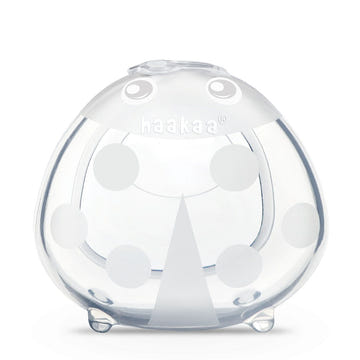
Haakaa Ladybug Silicone Milk Collector 2.5 oz 75 ml
$17.99
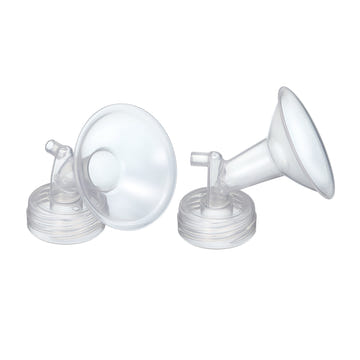
Cimilre Breast Shields set of two 21mm 24mm 28mm 32mm
$19.99
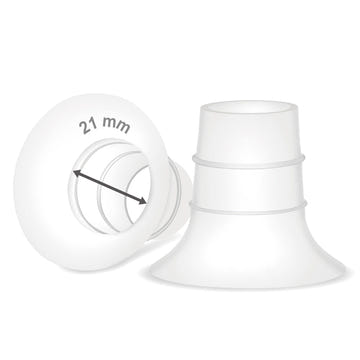
Bae & Bee Boutique Maymom Elvie Flange Inserts Semi-...
$6.00
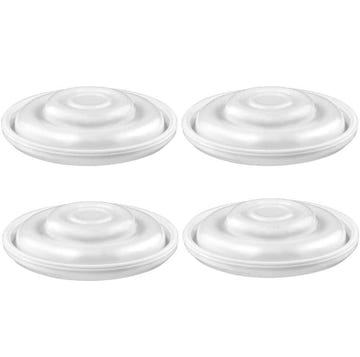
Bae & Bee Boutique 4pc Maymom Silicone Membrane for ...
$10.00
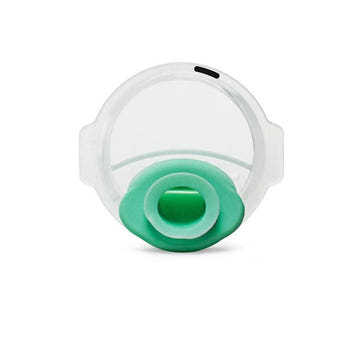
Healthy Horizons Breastfeeding Centers Elvie Pump Sp...
$16.99
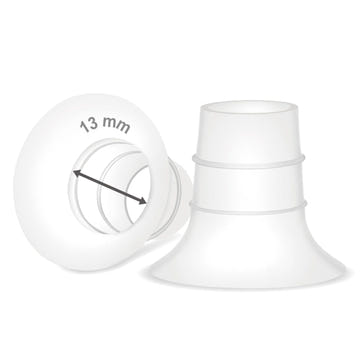
Healthy Horizons Maymom Flange Short Inserts 2 Pack ...
$14.99
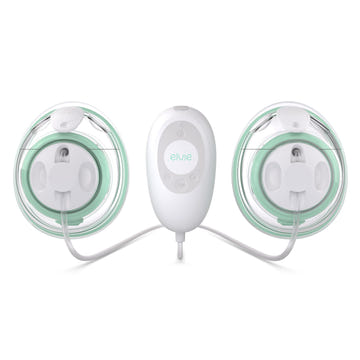
Healthy Horizons Elvie Stride wearable hands-free br...
$189.99
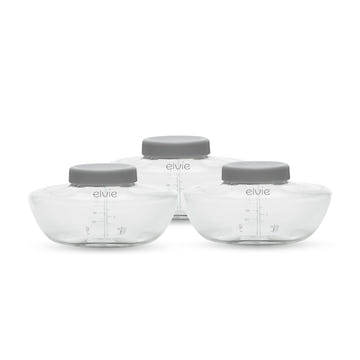
Healthy Horizons Elvie Pump Bottles 3 Pack 150 ml BP...
$34.99
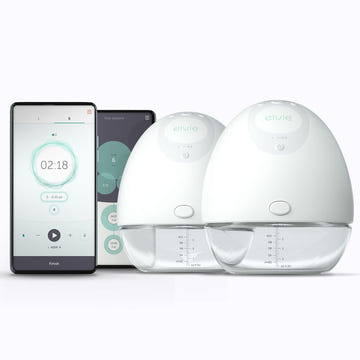
Healthy Horizons Elvie Double Electric Wearable Brea...
$549.99
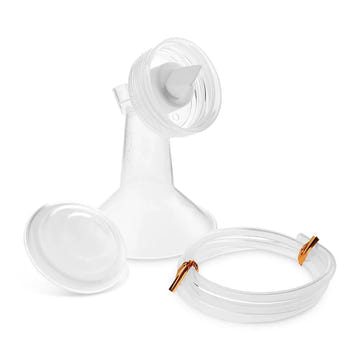
Spectra Wide Neck Breast Flange Kit
$15.99