


Quick answer
No supplement, tea, or cookie can out-perform frequent milk removal. That said, moringa and goat's rue have the most promising evidence among herbal galactagogues, fenugreek is hit-or-miss and can backfire, and lactation cookies mostly help by adding calories. Fix feeding frequency first, then treat supplements as a possible extra boost.
Walk down any baby aisle or scroll any mom group and you'll find the same promise on repeat: this tea, this cookie, this capsule will refill your supply. Some of it helps a little. A lot of it is expensive oatmeal. And a few popular options can actually lower your supply.
We sell breastfeeding essentials, so let's be upfront: we don't sell supplements, and we're not going to pretend they're magic. Here's the honest rundown of what the evidence says, so you can spend your money (and your hope) wisely.
The rule that beats every supplement
Milk supply is driven by milk removal. Frequent, effective emptying of the breast is the signal that makes more milk, and no herb can override that signal. Every lactation consultant will tell you the same thing: a supplement can only support a supply plan, never replace one.
So before you buy anything, make sure the basics are working: 8 to 12 milk removals a day, a good latch or a well-fitted flange, and no long gaps. Our guides on increasing supply fast and power pumping cover exactly how. If supply still lags after a week of consistent removal, that's when the options below are worth a conversation with your doctor or IBCLC.
Picks From This Story
Picks related to this guide, ready to ship from Moogco.
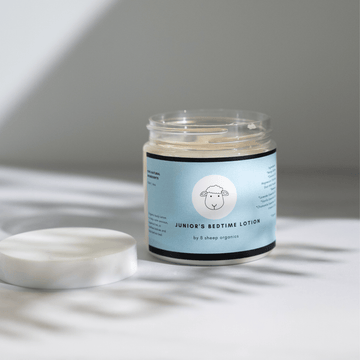
8 Sheep Organics Juniors Bedtime Lotion deep sea mag...
$23.00
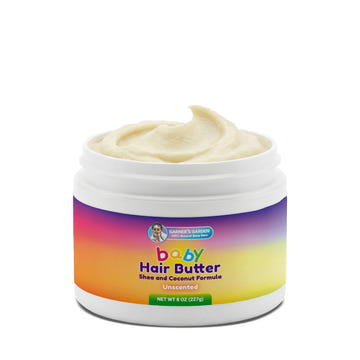
Garner's Garden Baby Hair Butter Unscented 100% All-...
$15.00
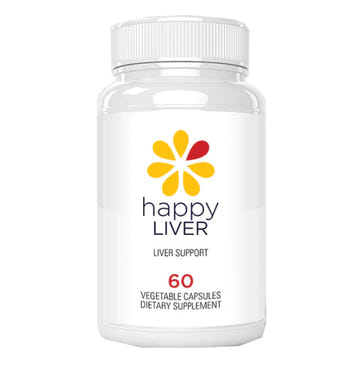
Happy Liver
$29.95
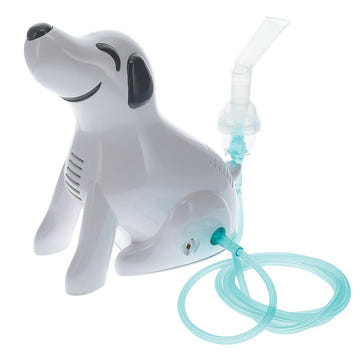
LL Medico BodyMed Pediatric Dog Compressor Nebulizer...
$29.99
Health Ranger Store Nascent Iodine 1 fl oz 2% Cap Lo...
$41.95
Health Ranger Store Clean Chlorella 200mg Tablets 2....
$15.95
Fenugreek: the famous one, with a catch
Fenugreek is the most common ingredient in lactation teas and capsules, and the research on it is genuinely mixed. Some small studies show a modest boost. Others show nothing. And an important minority of moms report their supply actually dropped on fenugreek.
It also has real cautions: it can lower blood sugar, it may interact with thyroid medication, and it's in the same plant family as peanuts and chickpeas, so allergies happen. If you try it and your baby gets gassy or your supply dips, stop. A maple-syrup smell in your sweat and urine is a known (harmless) side effect and a sign the dose is active.
Moringa and goat's rue: the quieter contenders
Moringa (malunggay) has been used for generations in the Philippines and has a handful of small clinical trials behind it, several showing increased pump output in the early postpartum weeks. Of all the herbal options, it currently has the most encouraging evidence-to-risk ratio.
Goat's rue has a long traditional track record and is thought to support mammary tissue development, which is why IBCLCs sometimes suggest it for moms with insufficient glandular tissue or supply that never fully established. Evidence is still thin, but it's one of the few herbs aimed at that specific situation. Both belong in the "reasonable to discuss with your provider" column, not the miracle column.
More Related Picks
A few more favorites from the same collection.
Health Ranger Store Groovy Bee Collagen Peptides Hyd...
$28.95
8 Sheep Organics Organic Sleepy Body Lotion for Preg...
$29.00
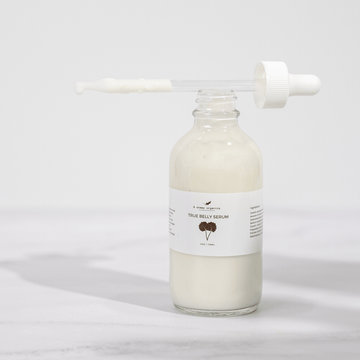
True Belly Serum
$47.00
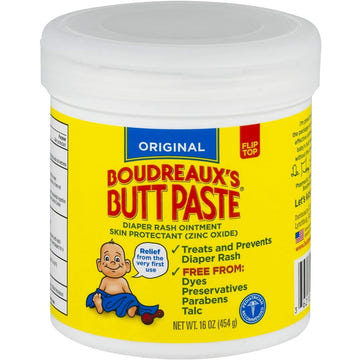
LL Medico Boudreaux's Butt Paste Rash Cream Original...
$12.99
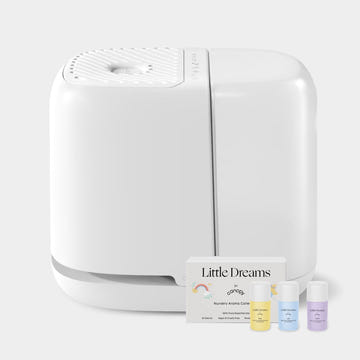
Canopy Nursery Humidifier 2.0 mold-inhibiting dishwa...
$159.00
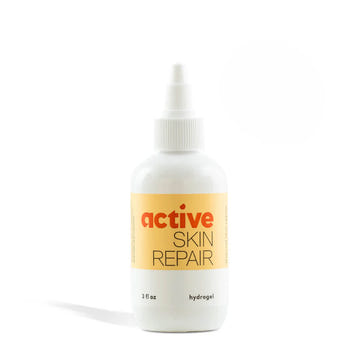
Repair Hydrogel
$34.97
Lactation cookies, teas, and drink mixes
Here's the secret about lactation cookies: the active ingredients are usually oats, brewer's yeast, and flaxseed, none of which has strong clinical evidence for supply. What cookies reliably deliver is calories, and underfed moms genuinely do make less milk. If a cookie helps you eat enough during a chaotic newborn day, it's doing something useful. You can also bake the same thing at home for a fraction of the price.
Lactation teas have a different problem: dose. The amount of herb in a tea bag is usually far below what studies used. The warm ritual and the extra fluids are lovely, and hydration does matter, but the tea itself is mostly a very pleasant placebo.
For what to actually eat, our guide to foods that support milk supply covers the whole-food version of this conversation.
Stock up on breastfeeding essentials with 15% off.
Use code MILK15 for 15% off →Free US shipping on orders over $100.
What to skip or treat with caution
- "Proprietary blends" that hide doses. If a label won't say how much fenugreek is inside, you can't evaluate it or troubleshoot side effects.
- Anything promising overnight results. Even prescription galactagogues take days, and supply physiology simply does not work overnight.
- Sage, peppermint, and pseudoephedrine. These go the other direction and can lower supply. Watch cold medicines especially.
- Starting three things at once. If something works or backfires, you want to know which one did it. Add one product at a time for at least 4 to 5 days.
How to run a fair supplement trial
- Fix milk removal first and keep it constant during the trial.
- Add one supplement at a time, at the studied dose, with your provider's OK.
- Track total daily output or diapers and weight, not single sessions.
- Give it 5 to 7 days, then decide: keep, or drop and try the next lever.
- If nothing moves after solid removal plus a fair trial, see an IBCLC. Persistent low supply sometimes has a medical cause (thyroid, retained placenta, anemia) worth ruling out. Start with the real signs of low supply to make sure there's a problem at all.
Frequently asked questions
Do lactation cookies actually increase milk supply?
There is no strong clinical evidence that oats, brewer's yeast, or flaxseed raise supply directly. Cookies help mostly by adding calories, and eating enough genuinely matters for milk production. Enjoy them as fuel, not as medicine.
What is the most effective supplement for milk supply?
Among herbs, moringa currently has the most encouraging small-trial evidence, and goat's rue is the one IBCLCs most often discuss for supply that never fully established. Neither replaces frequent milk removal, and both deserve a quick OK from your provider first.
Can fenugreek decrease milk supply?
Yes, for a minority of moms it does. If your supply dips, your baby gets unusually gassy, or you feel unwell after starting fenugreek, stop taking it and reassess after a few days.
How long does it take for lactation supplements to work?
When a supplement helps at all, moms usually notice within 3 to 7 days. Run one product at a time for at least 5 days with steady feeding and pumping before judging it.
Is drinking more water the real secret to supply?
Dehydration can hurt supply, but extra water beyond thirst does not raise it. Drink to thirst, keep a water bottle where you nurse, and put your effort into milk removal frequency instead.
Are lactation supplements safe while breastfeeding?
Most are generally regarded as safe, but herbs are still active compounds: fenugreek affects blood sugar and thyroid medication, and blends often hide doses. Check with your doctor, midwife, or IBCLC before starting anything, especially if you take medication.
This article is for general information only and is not medical advice. Always talk to your pediatrician, OB, or an IBCLC lactation consultant about your specific situation.
About the Editor
Eda Ulger is a co-founder of Moogco Baby, the editor of the Moogco Baby Journal, and a mom of two. She curates and edits our guides so every piece is honest, practical, and genuinely helpful for the early days of motherhood.
Shop This Story
Picks related to this guide, ready to ship from Moogco.
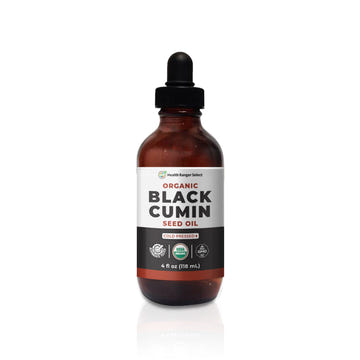
Health Ranger Store Organic Black Cumin Seed Oil 4oz...
$27.95
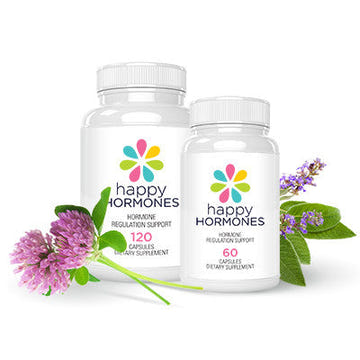
Happy Hormones
$29.95
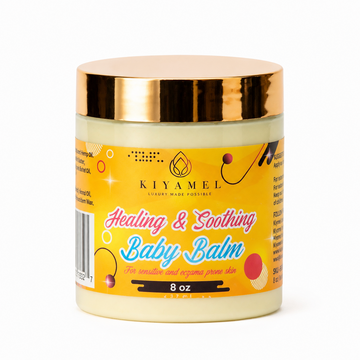
Kiyamel Baby Balm Natural Diaper Rash Cream 8 oz
$49.99
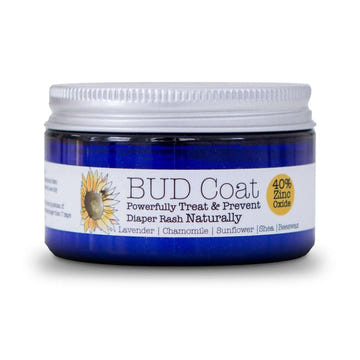
Lavender Life Company BUD Coat 40% Zinc Oxide Diaper...
$16.50
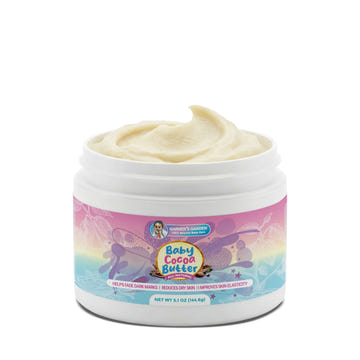
Garner's Garden Baby Cocoa Butter whipped moisturizi...
$10.00
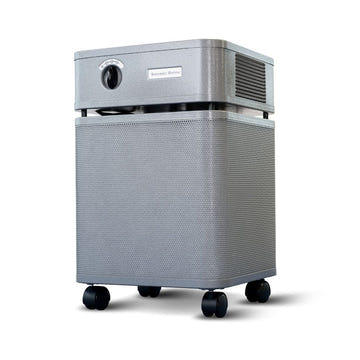
Austin Air Immunity Machine
$1,145.00
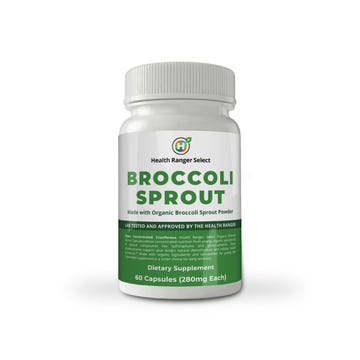
Health Ranger Store Broccoli Sprout Capsules 60 Orga...
$26.95
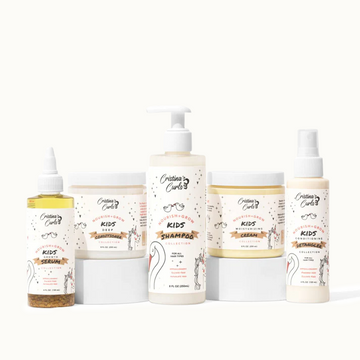
Nourish + Grow Essentials Set
$120.00
Health Ranger Store Electrolyte Drops 2 fl oz travel...
$12.95
Austin Air Healthmate
$845.00