


Breastfeeding is a natural and beautiful way to nourish your baby, but it can also be a demanding process that requires the right fuel to keep your body and milk supply strong. While every mother’s body responds differently to various foods, certain nutrients and ingredients are known to support and even boost milk production. This blog post explores the role of diet in breastfeeding and highlights specific foods that can help enhance your milk supply.
Understanding the Importance of a Balanced Diet
Nourishing Your Body: The food you eat while breastfeeding directly impacts both your health and your baby’s growth. A balanced diet ensures that you’re getting the necessary nutrients to keep up with the demands of producing milk. Your body needs extra calories and nutrients to maintain a healthy milk supply, so it’s essential to focus on eating a variety of whole foods.
Hydration Matters: Staying well-hydrated is crucial for maintaining an adequate milk supply. Breast milk is composed primarily of water, so drinking plenty of fluids is essential. While water should be your primary source of hydration, herbal teas and fresh juices can also contribute to your fluid intake. Keep a water bottle handy and make it a habit to drink whenever you feel thirsty.
Foods That Boost Milk Supply
Oats: Oats are one of the most popular foods for boosting milk supply, and for good reason. They are rich in iron, which is essential for preventing anemia, a condition that can lead to a low milk supply. Oats also contain fiber and are easy to incorporate into your diet. Enjoy a bowl of oatmeal for breakfast, add oats to smoothies, or bake them into lactation cookies.
Fenugreek: Fenugreek seeds have been used for centuries as a natural remedy to increase milk production. They contain phytoestrogens, which are believed to stimulate the milk glands. You can find fenugreek in the form of seeds, capsules, or as an ingredient in lactation teas. However, it’s important to consult with a healthcare provider before adding fenugreek to your diet, as it may not be suitable for everyone.
Fennel: Fennel is another herb known for its milk-boosting properties. It contains phytoestrogens and has a slightly sweet, licorice-like flavor. You can add fennel to your meals, drink it as tea, or even chew on the seeds. Incorporating fennel into your diet can not only help increase milk supply but also aid digestion for both you and your baby.
Leafy Greens: Leafy greens like spinach, kale, and Swiss chard are packed with essential nutrients like calcium, iron, and folate, which are vital for both your health and milk production. These greens also contain phytoestrogens that can support lactation. Add them to salads, smoothies, or sauté them as a side dish to ensure you’re getting a good dose of these beneficial nutrients.
Garlic: Garlic is known for its strong flavor, but it’s also recognized for its ability to boost milk supply. Some studies suggest that babies may nurse longer when mothers consume garlic, which can naturally increase milk production. You can incorporate garlic into your cooking, but be mindful of the amount, as too much might alter the taste of your milk.
Nuts and Seeds: Almonds, walnuts, flaxseeds, and chia seeds are excellent sources of healthy fats, protein, and omega-3 fatty acids, all of which are essential for maintaining a strong milk supply. These nutrients also contribute to the quality of your breast milk. Snack on a handful of nuts, add seeds to your yogurt or smoothies, or use nut butters as a spread to enjoy their benefits.
Whole Grains: Whole grains like brown rice, barley, and quinoa are not only filling but also provide essential nutrients that support lactation. They are rich in complex carbohydrates, which give you the energy needed to keep up with the demands of breastfeeding. Incorporate whole grains into your meals by swapping out refined grains for their whole-grain counterparts.
Foods to Avoid
Caffeine: While moderate caffeine consumption is generally considered safe during breastfeeding, excessive amounts can affect your baby’s sleep and make them irritable. It’s best to limit your intake of coffee, tea, and other caffeinated beverages to avoid any potential issues.
Alcohol: Drinking alcohol while breastfeeding can impact milk production and your baby’s development. If you choose to drink, it’s important to wait at least 2 hours per drink before breastfeeding to allow the alcohol to clear from your system.
Certain Herbs: Some herbs, such as peppermint, sage, and parsley, are known to reduce milk supply. While these herbs are fine in small amounts, consuming them in large quantities may interfere with lactation.
The Role of Moogco Silver Nursing Cups in a Healthy Breastfeeding Journey
In addition to maintaining a nutritious diet, taking care of your breasts is crucial for a successful breastfeeding experience. Moogco Silver Nursing Cups offer a natural and effective way to protect and heal your nipples, especially during the early stages of breastfeeding when soreness and cracking are common.
Natural Healing Properties: The silver in Moogco nursing cups promotes healing and prevents infections, ensuring that your nipples remain healthy and pain-free. This allows you to continue breastfeeding comfortably, which is essential for maintaining a consistent milk supply.
Eco-Friendly and Durable: Moogco Silver Nursing Cups are reusable and eco-friendly, making them a sustainable choice for nursing mothers who are conscious of their environmental impact. Their durability means you can use them throughout your entire breastfeeding journey.
Conclusion
Your diet plays a significant role in your breastfeeding experience, influencing not only your health but also the quality and quantity of your milk supply. By incorporating foods like oats, fenugreek, leafy greens, and nuts into your meals, you can naturally boost your milk production. At the same time, staying hydrated and avoiding foods that may reduce milk supply are key to a successful breastfeeding journey. Pairing these dietary practices with the use of Moogco Silver Nursing Cups can help ensure that you and your baby have a healthy and comfortable breastfeeding experience.


Featured pick from Moogco
Picks From This Story
Picks related to this guide, ready to ship from Moogco.

The Original Silver Nursing Cups with Silicone Pads
$62.90
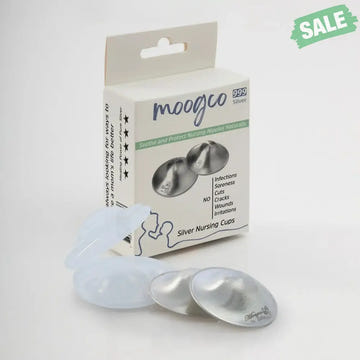
MOOGCO Silver Nursing Cups 999k Silver
$49.90

momjug breastfeeding water bottle 50oz double-wall s...
$49.99
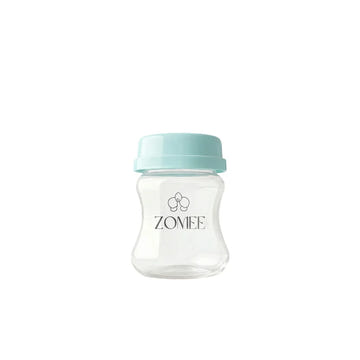
Zomee Breast Pumps Breast Milk Storage Bottles BPA-free
$3.99
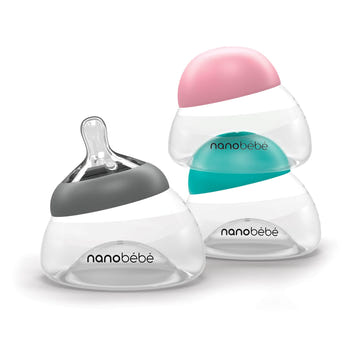
Nanobébé Breastmilk Baby Bottle 5 oz Pack Options Pi...
$16.99
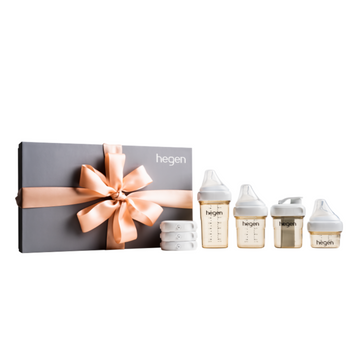
hegen PPSU Essentials Kit 60ml 150ml 240ml baby bottles
$99.99
Advanced Lactation Formula
$34.99
Shop this pick → Curated by moms, vetted by lactation pros
Everything for the breastfeeding journey
Take 25% off at checkout, applied automatically when you shop through this link.
Shop with MAMA25 →Free US shipping over $100. Code applies automatically at checkout.
Bring this guide home with 25% off.
Use code MAMA25 for 25% off →Frequently Asked Questions
How many extra calories do I need while breastfeeding?
Most breastfeeding mothers need an additional 300 to 500 calories per day to support milk production and maintain their own energy levels. The exact amount varies based on your activity level, metabolism, and whether you're exclusively breastfeeding. Focus on nutrient-dense foods rather than empty calories to ensure you and your baby get the vitamins and minerals you both need.
Can I eat spicy foods while breastfeeding?
Yes, you can absolutely enjoy spicy foods while breastfeeding. Most babies are not bothered by spicy flavors in breast milk, and exposure to different tastes may even help your baby become more adventurous with foods later. If you notice your baby seems fussy or uncomfortable after you eat particularly spicy meals, you can reduce the heat level and monitor their response.
How much water should I drink each day while nursing?
Aim to drink about 12 to 16 cups of water daily while breastfeeding, though your exact needs depend on your activity level and climate. A good rule of thumb is to drink a glass of water each time you nurse and keep water nearby throughout the day. Listen to your body and drink whenever you feel thirsty, as thirst is a reliable indicator that you need more fluids.
Will eating oatmeal really increase my milk supply?
Oatmeal is widely believed to support milk supply due to its high iron content and ability to help with let-down, though scientific evidence is limited. Many nursing mothers report positive results after adding oats to their diet, and since oatmeal is nutritious and safe, it's worth trying if you're concerned about supply. Pair oatmeal with other galactagogues like flaxseed and stay well-hydrated for best results.
More Related Picks
A few more favorites from the same collection.

Healthy Horizons Elvie Stride Diaphragms 2 Pack
$21.99
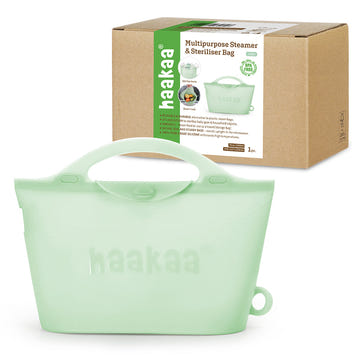
Haakaa Multipurpose Steamer & Sterilizer Bag 3 sizes...
$14.99
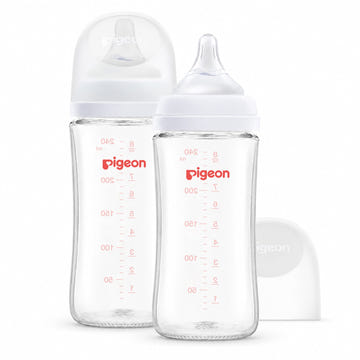
Pigeon Glass Wide Neck Baby Bottle 2-Pack 8.1 oz 3+ ...
$35.99
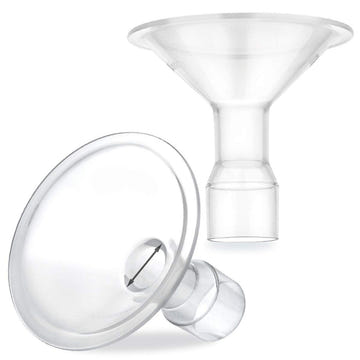
Bae & Bee Boutique Maymom Narrow Neck Flange compati...
$15.00
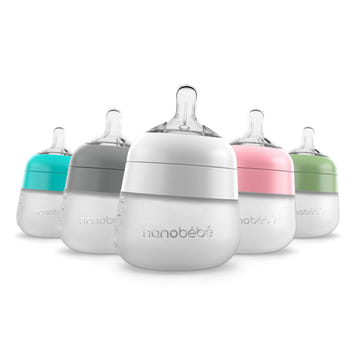
Nanobébé Flexy Silicone Baby Bottle 5oz
$16.99
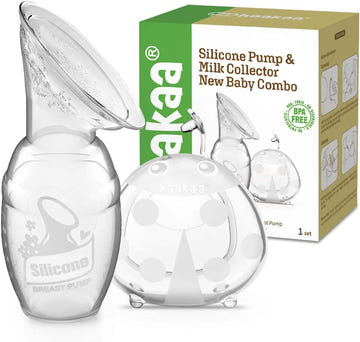
Haakaa Silicone Pump and Ladybug Milk Collector Comb...
$30.32
Are there any fruits that help boost milk production?
Papaya, particularly green or unripe papaya, is traditionally used in many cultures to increase milk supply and is rich in vitamins and enzymes. Apricots and dates are also believed to support lactation while providing natural energy and important nutrients. Include a variety of fresh fruits in your diet for overall health benefits that support your breastfeeding journey.
Can drinking lactation teas really make a difference?
Lactation teas containing herbs like fenugreek, fennel, and blessed thistle may help some mothers boost their milk supply, though results vary from person to person. These teas also contribute to your daily fluid intake, which is essential for milk production. Always consult with your healthcare provider before starting herbal supplements, especially if you have allergies or medical conditions.
Should I take a vitamin supplement while breastfeeding?
Many healthcare providers recommend continuing your prenatal vitamin or switching to a postnatal supplement while breastfeeding to ensure you're getting adequate nutrients. Key nutrients like vitamin D, omega-3 fatty acids, and iodine are particularly important during lactation. A balanced diet combined with a quality supplement helps support both your health and the nutritional quality of your breast milk.
How soon after eating does food affect my breast milk?
Foods you eat can begin to affect the flavor and composition of your breast milk within 1 to 2 hours, with peak changes occurring around 2 to 6 hours after eating. This timeline varies depending on the specific food and your individual metabolism. If you suspect a food is bothering your baby, try eliminating it for a few days and then reintroducing it to confirm the connection.
From Moogco Studio
Printable and personalized nursery essentials. Designed by moms for moms.


About the Editor
Eda Ulger is the editor at Moogco Baby and a mom of two. She curates and edits our guides so every piece is honest, practical, and genuinely helpful for the early days of motherhood.
Stock up on breastfeeding essentials with 15% off.
Use code MILK15 for 15% off →Free US shipping on orders over $100.
Shop This Story
Picks related to this guide, ready to ship from Moogco.
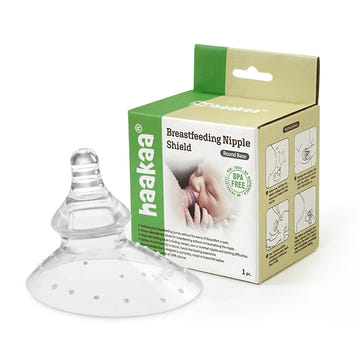
Haakaa Silicone Breastfeeding Nipple Shield Round Sh...
$19.05
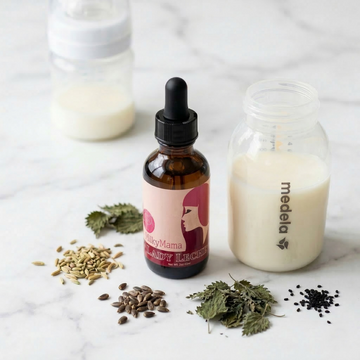
Milky Mama Lady Leche Lactation Liquid Grape Flavor ...
$27.00
Bae & Bee Boutique LactTube 5FR Pediatric Feeding Tu...
$3.00
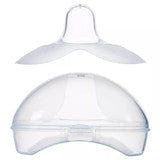
Bae & Bee Boutique Cherry Shaped Nipple Shield 21mm ...
$14.00

Nanobébé Silicone Anti-Colic Baby Bottle Nipples Gen...
$5.99
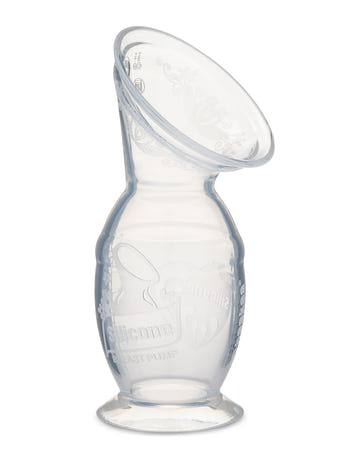
Haakaa Generation 2 Silicone Breast Pump 5 oz Suctio...
$20.99
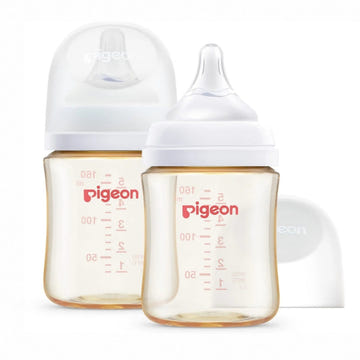
Pigeon PPSU Wide Neck Baby Bottle 2 Pack 5.4 oz Newborn
$34.99
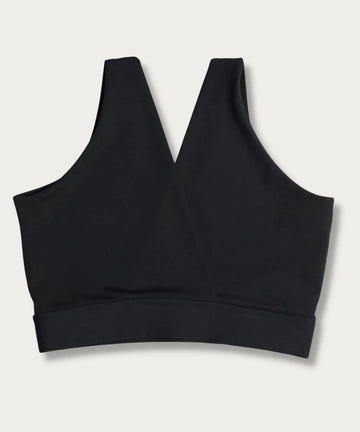
Nyssa FourthWear Postpartum Bralette Nursing and Pum...
$39.00
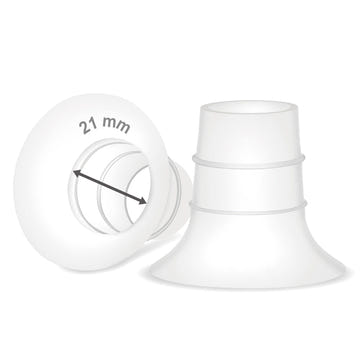
Bae & Bee Boutique Maymom Silicone Medela Flange Ins...
$6.00
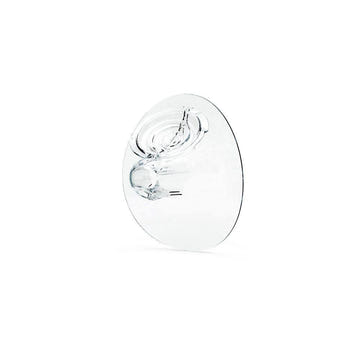
Healthy Horizons Elvie Pump Breast Shields 2 Pack 21...
$29.99