


Sleep is essential for a baby’s development, affecting everything from brain growth to emotional regulation. However, many parents struggle with understanding their baby’s sleep needs and how to create a consistent routine. This guide, backed by sleep experts and pediatricians, will help you navigate your baby’s sleep patterns and establish healthy habits.
Understanding Baby Sleep Cycles
Babies experience different sleep patterns compared to adults. Their sleep cycles are shorter, and they spend more time in active sleep (REM), which is crucial for brain development.

✔️ Newborns (0-3 months): Sleep 14-17 hours per day in short bursts, waking frequently for feedings. ✔️ Infants (4-6 months): Begin sleeping longer at night with 3-4 daytime naps. ✔️ Older Babies (6-12 months): Sleep 11-14 hours total, with 2-3 naps per day.
Safe sleep, sweeter nights
Better baby sleep starts here
Take 20% off at checkout, applied automatically when you shop through this link.
Shop with MOM20 →Free US shipping over $100. Code applies automatically at checkout.
Dr. Emily Sanchez, Pediatric Sleep Specialist: “Sleep is a learned behavior. While some babies naturally sleep longer stretches, others need gentle guidance to develop consistent sleep patterns.”
Picks From This Story
Picks related to this guide, ready to ship from Moogco.

Swaddelini Grey Swaddle Sleep Sack 3D Knit Seamless ...
$54.95

Swaddelini Lavender Swaddle Sleep Sack 3D knit light...
$54.95

Swaddelini Pink Swaddle Sleep Sack 3D Knit Seamless
$54.95

Swaddelini Blue Swaddle Sleep Sack 3D Knit Seamless
$54.95

Swaddelini Orange Swaddle Sleep Sack 3D Knit Seamless
$54.95
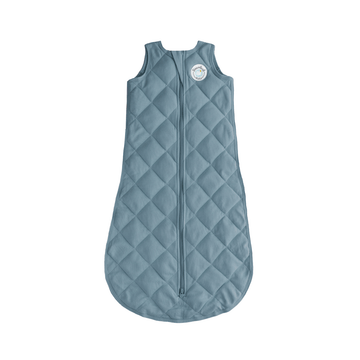
Dreamland Baby Dream Weighted Sleep Sack 1.0 TOG 68-...
$109.00
How to Establish a Healthy Sleep Routine
1. Create a Consistent Bedtime Routine
A predictable nighttime routine helps signal to your baby that it’s time to sleep. ✅ Give a warm bath. ✅ Read a short bedtime story. ✅ Dim the lights and play soft music. ✅ Offer a final feeding to ensure a full stomach.
2. Follow Age-Appropriate Wake Windows
Keeping your baby awake too long can lead to overtiredness, making it harder for them to fall asleep. Here are general wake windows based on age:
✔️ 0-3 months: 45-90 minutes
✔️ 4-6 months: 1.5-2.5 hours
✔️ 7-9 months: 2-3.5 hours
✔️ 10-12 months: 3-4 hours
💡 Tip: Watch for sleep cues like rubbing eyes, yawning, and fussiness, and put your baby down before they become overtired.
3. Encourage Self-Soothing
Teaching your baby to fall asleep independently reduces frequent night wakings. Place them in their crib drowsy but awake and allow them time to settle.
Dr. Rachel Kim, Pediatric Neurologist: “Encouraging self-soothing doesn’t mean letting a baby cry excessively. Gentle sleep training methods can help babies learn to fall asleep on their own.”
4. Optimize the Sleep Environment
✔️ Use blackout curtains to keep the room dark. ✔️ Play white noise to create a calming atmosphere. ✔️ Keep the room at a comfortable 68-72°F.
💡 Try This: A sleep sack can provide a cozy, safe sleep environment while preventing sudden movements that may wake your baby.
Common Sleep Challenges & Solutions
🔹 Frequent Night Wakings – Ensure your baby isn’t overtired and follow a consistent bedtime routine. 🔹 Short Naps – Try adjusting wake windows to ensure your baby is ready for sleep. 🔹 Sleep Regression – Growth spurts and developmental milestones can disrupt sleep. Stick to your routine, and it will pass.
More Related Picks
A few more favorites from the same collection.

8 Sheep Organics Juniors Bedtime Lotion deep sea mag...
$23.00

Sell My Stuff Elephant Plush Baby Sleep Pillow 30 35...
$40.00

Xander Bunny — Lavender Stuffed Bunny | Weighted Cal...
$45.00
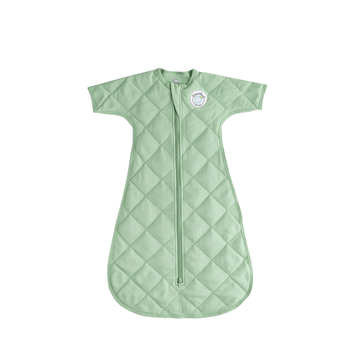
Dreamland Baby Dream Weighted Transition Swaddle arm...
$109.00

Little Martin's Drawer 100% Organic Cotton Sleep Sac...
$38.00

Full-Size Montessori Floor Bed Strong Slatted Frame
$259.99
The Role of Moogco Silver Nursing Cups
For breastfeeding mothers, nighttime nursing can sometimes lead to sore nipples. Moogco Silver Nursing Cups provide natural antibacterial relief, helping to maintain breastfeeding comfort during sleep regressions.
📌 Get yours today: Moogco Silver Nursing Cups on Amazon.
Final Thoughts: Be Patient and Flexible
Every baby is different, and sleep habits take time to develop. Stay consistent, be patient, and remember that setbacks are normal. With the right routine, your little one (and you!) will enjoy better sleep.
🛒 Find all your baby essentials at Moogco Baby.
Bring this guide home with 20% off.
Use code MOM20 for 20% off →
Frequently Asked Questions
What is the 4-month sleep regression and how long does it last?
The 4-month sleep regression occurs when babies transition from newborn sleep patterns to more adult-like cycles, often leading to increased night wakings and shorter naps. This phase typically lasts 2-6 weeks and is actually a sign of healthy brain development. Maintaining your consistent bedtime routine and age-appropriate wake windows will help your baby adjust more smoothly during this challenging period.
Should I wake my baby to feed during the day?
For newborns under 2 weeks or babies who haven't regained their birth weight, yes, you should wake them every 2-3 hours during the day to ensure adequate feeding. Once your baby is gaining weight well and your pediatrician gives the okay, you can allow longer stretches during nighttime sleep. Daytime feedings on a regular schedule actually help encourage longer night sleep as your baby grows.
Is it normal for my baby to fight sleep even when tired?
Yes, many babies resist sleep due to overtiredness, overstimulation, or simply wanting to stay engaged with their surroundings. Watching for early sleep cues like eye rubbing or yawning and acting quickly is key. Creating a calm environment and starting your wind-down routine at the first signs of tiredness can prevent that overtired state where falling asleep becomes much harder.
Can teething disrupt my baby's established sleep routine?
Absolutely, teething discomfort can temporarily disrupt even the best sleeper's routine with more frequent night wakings and shorter naps. The good news is this is usually short-lived and resolves once the tooth breaks through. Continue your normal bedtime routine and offer comfort as needed, but try to avoid creating new sleep associations that will be hard to break later.
How dark should my baby's room be for naps versus nighttime?
For nighttime sleep, aim for near-total darkness using blackout curtains to support melatonin production and longer sleep stretches. Daytime naps can be in a slightly lighter environment to help your baby learn the difference between day and night, though many babies nap better in darkness too. Experiment to see what works best for your little one, as every baby is different.
What temperature is too cold for a baby's sleep environment?
Below 65°F is generally considered too cold for safe infant sleep, as babies can have difficulty regulating their body temperature. The ideal range is 68-72°F to reduce SIDS risk while keeping baby comfortable. Dress your baby in one more layer than you would wear, and use a sleep sack instead of blankets for warmth and safety.
When can I expect my baby to drop from three naps to two?
Most babies naturally transition from three naps to two between 6-9 months of age, often around 7-8 months. Signs your baby is ready include fighting the third nap, taking very short cat naps, or having trouble falling asleep at bedtime. When this happens, gradually extend wake windows and shift to two longer, more restorative naps during the day.
Does room-sharing affect how long my baby sleeps at night?
Room-sharing is recommended for at least the first 6 months for SIDS prevention, and many families continue longer. While some parents worry about disturbing each other, most babies sleep just as well room-sharing when good sleep habits are established. Using white noise can help buffer small sounds, and having baby close by often means quicker, quieter night feedings that allow everyone to fall back asleep faster.
From Moogco Studio
Printable and personalized nursery essentials. Designed by moms for moms.


About the Editor
Eda Ulger is the editor at Moogco Baby and a mom of two. She curates and edits our guides so every piece is honest, practical, and genuinely helpful for the early days of motherhood.
Shop This Story
Picks related to this guide, ready to ship from Moogco.
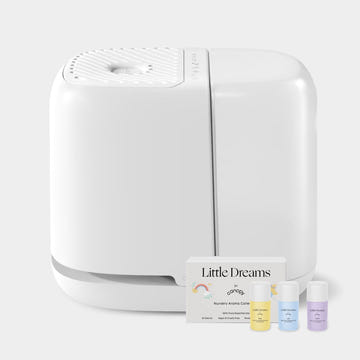
Canopy Nursery Humidifier 2.0 mold-inhibiting dishwa...
$159.00

Burt's Bees Baby Beekeeper Wearable Blanket
$24.95

100% Organic Cotton 1.0 Tog Sleeping Bag with Legs S...
$30.00
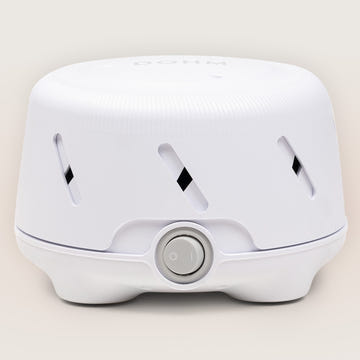
Dohm Uno
$36.99
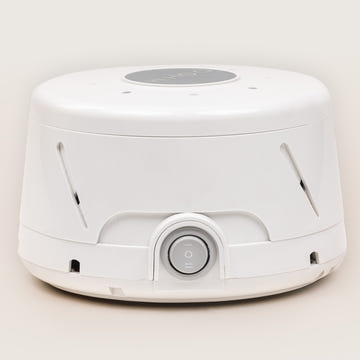
Dohm Classic
$49.99

Healthy Horizons Miracle Blanket one-size swaddle 10...
$32.95

Twin Montessori-Inspired Floor Bed with Guardrails
$199.99

WildBird Dove CloudBlend Sleep Sack TOG 1 Blue grey
$44.00

Hubble Connected Hubble Dream+ Comfort Cloud Sleep S...
$124.99

Bamboo is Better Sleep Mask Cooling Bamboo Light-Blo...
$19.00