


Building your baby registry feels overwhelming, 200+ products, endless reviews, and everyone has an opinion. This is the only checklist you need. We've organized 150+ items by category, told you exactly how many of each to get, what everything costs, and which "must-haves" are actually a waste of money.
Having a baby is one of life's most exciting moments, and one of its most expensive. The average American family spends $13,000 to $16,000 in their baby's first year alone. That's a used car. A semester of college. A really nice vacation you'll never take again (kidding.. sort of).
The good news? A well-planned registry can save you $3,000 to $5,000 through gifts, completion discounts, and, most importantly, not buying things you don't need.
The problem with most baby registry checklists? They're either too short (leaving you scrambling at 3 AM for things you forgot) or they're sponsored product dumps designed to sell you stuff you'll never use.
This guide is different. We've analyzed what thousands of parents actually use versus what collects dust. Every item includes:
- How many you actually need (not how many brands want you to buy)
- Real price ranges, budget, mid-range, and premium options
- Must-have vs. nice-to-have vs. skip ratings
- Seasonal adjustments for winter vs. summer babies
- Links to our detailed guides for categories where you need more info
Whether you're a first-time parent building from scratch, a second-time parent wondering what to restock, or expecting twins, this checklist has you covered.
Bookmark this page. You'll come back to it.
📋 Download the Printable Checklist
Take this 4-page checklist to the store or share it with family. All 150+ items with quantities.
⬇ Download Free PDF ChecklistTable of Contents
- When to Start: Week-by-Week Registry Timeline
- Sleep & Nursery Essentials
- Diapering Station Setup
- Feeding Essentials
- Baby Clothing & Layette
- Bath, Grooming & Hygiene
- Health, Safety & First Aid
- Travel & On-the-Go Gear
- Play, Development & Toys
- Smart Nursery Technology 2026
- Postpartum Recovery for Mom
- Eco-Friendly & Non-Toxic Options
- Registry by Lifestyle
- Total Cost Breakdown
- Where to Register: Platform Comparison
- What NOT to Buy: The Overhyped Products List
- The Complete Quantity Guide
- Frequently Asked Questions
1. When to Start: Your Week-by-Week Registry Timeline
Timing matters more than most people think. Start too early and you'll make impulse decisions. Start too late and you'll miss completion discounts and shower deadlines.

Here's the exact timeline we recommend:
Curated by real moms, not marketers
Build a registry that actually works
Take $15 off at checkout, applied automatically when you shop through this link.
Shop with BABY15 →Free US shipping over $100. Code applies automatically at checkout.
First Trimester (Weeks 4-13): Research Phase
| Week | What to Do |
|---|---|
| Week 8-10 | Start a "brain dump" list, write down everything you think you might need |
| Week 10-12 | Ask parent friends what they actually used vs. what collected dust |
| Week 12-13 | Research registry platforms (see our Platform Comparison below) |
Don't buy anything yet. Seriously. You'll change your mind on half of it. This is pure research mode.
Second Trimester (Weeks 14-27): Build Phase
| Week | What to Do |
|---|---|
| Week 14-16 | Create your registry on 1-2 platforms |
| Week 16-18 | Add the big-ticket items first (crib, car seat, stroller), these take the most research |
| Week 18-20 | Add feeding supplies, diapering, and clothing |
| Week 20-22 | If you know the sex, refine clothing and nursery decor choices |
| Week 22-24 | Add bath, health, and travel items |
| Week 24-26 | Final review, remove duplicates, check quantities |
| Week 26-27 | Share your registry with family and friends before your baby shower |
Pro tip: Most baby showers happen between weeks 28-34. Share your registry at least 2-4 weeks before the shower date so guests have time to shop.
Third Trimester (Weeks 28-40): Complete & Prepare
| Week | What to Do |
|---|---|
| Week 28-30 | After the shower, check what's been purchased. Use completion discounts on remaining essentials |
| Week 30-32 | Wash all clothing, sheets, and blankets in baby-safe detergent |
| Week 32-34 | Set up the nursery, crib, changing station, feeding area |
| Week 34-36 | Pack your hospital bag (see our postpartum section) |
| Week 36-37 | Install the car seat (many fire stations do free checks!) |
| Week 37-38 | Stock up on household essentials, freezer meals, paper towels, snacks |
| Week 38-40 | Final check, batteries in monitors, diapers stocked, pediatrician chosen |
The Completion Discount Strategy
Most registry platforms offer a 10-15% completion discount on remaining items after a certain date (usually 60 days before your due date). This is free money. Here's how to maximize it:
- Add EVERYTHING to your registry, even things you plan to buy yourself
- Wait for the completion discount to activate
- Buy remaining essentials at 10-15% off
- Some platforms (Amazon, Babylist) let you use the discount multiple times
2. Sleep & Nursery Essentials
Sleep is the #1 topic new parents stress about, and for good reason. Your baby will sleep 14-17 hours per day for the first few months. Getting the sleep setup right isn't just about comfort, it's about safety.
Safe Sleep Fundamentals (AAP 2024 Guidelines)
Before we list products, know these non-negotiable rules from the American Academy of Pediatrics:
- Bare crib only, no bumpers, no pillows, no blankets, no stuffed animals
- Firm, flat surface, no inclined sleepers, no rockers for unsupervised sleep
- Baby sleeps on their back, every sleep, every time, until they roll independently
- Room-sharing (not bed-sharing) for at least the first 6 months
- Use a wearable blanket (sleep sack) instead of loose blankets
Any product that contradicts these guidelines should not be on your registry, regardless of how many Instagram influencers recommend it.
Sleep Essentials Checklist
| Item | Need | Qty | Budget | Mid | Premium | Rating |
|---|---|---|---|---|---|---|
| Crib (full-size, converts to toddler bed) | Must-have | 1 | $150 | $300 | $600+ | Must-Have |
| Crib mattress (firm, GREENGUARD certified) | Must-have | 1 | $50 | $100 | $250 | Must-Have |
| Fitted crib sheets | Must-have | 3-4 | $8/ea | $15/ea | $25/ea | Must-Have |
| Bassinet or bedside sleeper | Recommended | 1 | $50 | $100 | $250 | Nice-to-Have |
| Sleep sacks / wearable blankets | Must-have | 4-6 | $15/ea | $25/ea | $40/ea | Must-Have |
| Swaddles (for newborns 0-3 months) | Must-have | 3-4 | $10/ea | $20/ea | $35/ea | Must-Have |
| Sound machine / white noise | Recommended | 1-2 | $20 | $40 | $80 | Must-Have |
| Blackout curtains | Recommended | 1 set | $25 | $50 | $100 | Must-Have |
| Baby monitor | Must-have | 1 | $30 | $80 | $300+ | Must-Have |
| Night light (warm/red tone) | Nice-to-have | 1 | $10 | $20 | $40 | Nice-to-Have |
| Waterproof mattress protector | Must-have | 2 | $10/ea | $18/ea | $30/ea | Must-Have |
| Crib mobile | Nice-to-have | 1 | $20 | $40 | $80 | Skip |
Deep Dive: Sleep Sacks & Swaddles by Season
This is where most registry guides fall short. The season your baby is born in changes which sleep sacks you need.
Sleep sacks are rated by TOG, a measurement of thermal resistance. Here's what you need based on your baby's birth month:
| Room Temp | TOG Rating | When to Use |
|---|---|---|
| 75°F+ (24°C+) | 0.5 TOG | Summer, warm rooms |
| 69-74°F (20-23°C) | 1.0 TOG | Spring/fall, AC rooms |
| 64-68°F (17-20°C) | 1.5-2.0 TOG | Cool rooms |
| Below 64°F (17°C) | 2.5-3.5 TOG | Winter, cold rooms |
For a summer baby (May-August): Start with 0.5-1.0 TOG, add a 2.5 TOG for when temperatures drop in fall.
For a winter baby (November-February): Start with 2.5 TOG, add a 1.0 TOG for when it warms up in spring.
We've written a complete TOG rating guide that breaks this down in detail, including what to dress your baby in underneath each TOG level.
Shop sleep sacks and swaddles: moogcobaby.com/collections/swaddles-baby-blankets
What About a Bassinet?
A bassinet is technically a "nice-to-have" since your baby can sleep in a full crib from day one. But here's why most parents love having one:
- Fits right next to your bed (easier for nighttime feeds)
- Smaller space helps newborns feel secure
- Portable, move it room to room during the day
- Most babies outgrow it by 4-6 months, then transition to the crib
If budget is tight, skip the bassinet and use the crib from the start with a good baby monitor.
Sleep Category Total Cost Estimate
| Budget Level | Estimated Cost |
|---|---|
| Budget | $350 - $450 |
| Mid-Range | $600 - $800 |
| Premium | $1,200 - $1,800 |
Related guides:
- Baby Sleep Schedule by Age: 0-12 Months
- Sleep Training: 4 Proven Methods That Work
- Sleep Regression Guide: 4, 8, 12, 18 Months
3. Diapering Station Setup
You will change approximately 2,500 to 3,000 diapers in your baby's first year. Let that sink in. That's about 8-10 diapers per day for newborns, gradually decreasing to 6-8 per day by 12 months.
Your diaper station needs to be efficient, well-stocked, and within arm's reach, because you'll never put the baby down to go grab something.
Diapering Essentials Checklist
| Item | Need | Qty | Budget | Mid | Premium | Rating |
|---|---|---|---|---|---|---|
| Diapers (newborn size) | Must-have | 200-300 | $0.15/ea | $0.25/ea | $0.40/ea | Must-Have |
| Diapers (size 1) | Must-have | 300-400 | $0.15/ea | $0.25/ea | $0.40/ea | Must-Have |
| Diapers (size 2) | Must-have | 300-400 | $0.18/ea | $0.28/ea | $0.45/ea | Must-Have |
| Baby wipes (unscented) | Must-have | 1,500+ | $0.02/ea | $0.03/ea | $0.05/ea | Must-Have |
| Changing pad (contoured) | Must-have | 1 | $15 | $30 | $50 | Must-Have |
| Changing pad covers | Must-have | 3-4 | $8/ea | $15/ea | $25/ea | Must-Have |
| Diaper cream / barrier paste | Must-have | 2-3 tubes | $5/ea | $10/ea | $15/ea | Must-Have |
| Diaper pail | Nice-to-have | 1 | $25 | $50 | $80 | Nice-to-Have |
| Diaper pail refill bags | Nice-to-have | 3-pack | $15 | $25 | $35 | Nice-to-Have |
| Portable changing pad | Nice-to-have | 1 | $10 | $20 | $35 | Nice-to-Have |
| Diaper caddy/organizer | Nice-to-have | 1 | $15 | $25 | $40 | Nice-to-Have |
The Diaper Size Strategy
Do NOT stock up on one size. Babies grow at wildly different rates. Here's a smart approach:
- Newborn (NB): Buy 2-3 packs (about 200-300 diapers). Some large babies skip this size entirely.
- Size 1 (8-14 lbs): Buy 3-4 packs. This is the "safe" size to stock up on.
- Size 2 (12-18 lbs): Buy 2-3 packs. Most babies are in this size for 2-3 months.
- Size 3+: Wait and buy as needed. Don't stockpile.
Registry strategy: Ask for diapers in different sizes. Most guests love buying diapers because they're practical and affordable.
Disposable vs. Cloth vs. Hybrid
| Type | First-Year Cost | Effort | Environmental Impact |
|---|---|---|---|
| Disposable | $800-$1,200 | Lowest | Highest (3,000+ diapers in landfill) |
| Cloth | $300-$600 upfront | Highest (laundry every 2-3 days) | Lowest |
| Hybrid (cloth + disposable overnight/travel) | $500-$800 | Medium | Medium |
| Eco-disposable (Dyper, Coterie, Kudos) | $1,000-$1,500 | Low | Medium-Low |
For eco-conscious parents, see our Eco-Friendly Registry Options section.
Diapering Category Total Cost Estimate (First Year)
| Budget Level | Estimated Cost |
|---|---|
| Budget (disposable) | $600 - $800 |
| Mid-Range (premium disposable) | $900 - $1,200 |
| Premium (eco-disposable or cloth) | $800 - $1,500 |
4. Feeding Essentials
Whether you breastfeed, formula feed, or combo feed, you'll need specific gear. And here's the thing nobody tells you: you probably won't know which method you'll use until after the baby arrives. Register for both and return what you don't need.
Breastfeeding Essentials
| Item | Need | Qty | Budget | Mid | Premium | Rating |
|---|---|---|---|---|---|---|
| Breast pump (electric, double) | Must-have | 1 | FREE via insurance | $150 | $500 | Must-Have |
| Breast pump bags/bottles | Must-have | 20-50 | $0.25/ea | $0.40/ea | $0.60/ea | Must-Have |
| Nursing bras | Must-have | 3-4 | $15/ea | $30/ea | $60/ea | Must-Have |
| Nursing pads (disposable or reusable) | Must-have | Lots | $0.10/ea | $15/set reusable | $25/set reusable | Must-Have |
| Nipple cream / healing balm | Recommended | 1-2 | $8 | $14 | $20 | Nice-to-Have |
| Silver nursing cups | Recommended | 1 pair | , | $35 | $55 | Must-Have |
| Nursing pillow | Recommended | 1 | $25 | $40 | $70 | Must-Have |
| Milk storage bags | Must-have | 100+ | $0.15/ea | $0.25/ea | $0.40/ea | Must-Have |
| Haakaa / silicone collector | Recommended | 1-2 | $10 | $15 | $25 | Must-Have |
| Breast milk cooler bag | Nice-to-have | 1 | $15 | $25 | $40 | Nice-to-Have |
| Lactation supplements/tea | Nice-to-have | , | $10 | $20 | $35 | Nice-to-Have |
Why Silver Nursing Cups Belong on Every Registry
Here's something most registry guides completely miss: in the first weeks. It's the #1 reason mothers stop breastfeeding.
Traditional advice? Slather on lanolin cream. But lanolin is a common allergen, traps bacteria against damaged skin, and needs to be wiped off before feeding.
Silver nursing cups are a chemical-free alternative that's been used since ancient Rome. Pure silver is naturally antimicrobial, it kills bacteria on contact while promoting tissue healing. You simply place them over your nipples between feeds. No creams, no chemicals, nothing to wipe off.
They're a one-time purchase (unlike creams you keep rebuying) and they work for the entire breastfeeding journey.
Shop silver nursing cups: moogcobaby.com/collections/silver-nursing-cups
We've written detailed guides on this topic:
- 5 Natural Ways to Soothe Postpartum Breast Pain
- How to Increase Breast Milk Supply: Week-by-Week Guide
Free Breast Pump Through Insurance
Under the Affordable Care Act, most insurance plans cover a breast pump at no cost. Here's how to get yours:
- Call your insurance company or check their website for covered brands
- You can usually order 30 days before your due date
- Companies like Aeroflow and 1 Natural Way handle the paperwork for you
- Don't buy one until you've checked your coverage!
Bottle Feeding Essentials
| Item | Need | Qty | Budget | Mid | Premium | Rating |
|---|---|---|---|---|---|---|
| Bottles (slow-flow for newborns) | Must-have | 8-12 | $3/ea | $8/ea | $15/ea | Must-Have |
| Extra nipples (various flows) | Must-have | 4-8 | $3/pack | $6/pack | $10/pack | Must-Have |
| Bottle brush | Must-have | 1-2 | $4 | $8 | $12 | Must-Have |
| Bottle drying rack | Nice-to-have | 1 | $8 | $15 | $30 | Nice-to-Have |
| Formula dispenser (for travel) | Nice-to-have | 1 | $5 | $10 | $20 | Nice-to-Have |
| Bottle sterilizer | Nice-to-have | 1 | $20 | $40 | $80 | Nice-to-Have |
| Bottle warmer | Skip for most | 1 | $20 | $35 | $60 | Skip |
Bottle tip: Buy 2-3 different brands in small quantities first. Babies are picky, your baby might reject the $15/bottle premium brand and love the $3 basic one. Don't stockpile until you know which one works.
Solid Food Prep (6+ Months)
| Item | Need | Qty | Budget | Mid | Premium | Rating |
|---|---|---|---|---|---|---|
| High chair | Must-have | 1 | $40 | $100 | $300+ | Must-Have |
| Silicone bibs | Must-have | 3-4 | $5/ea | $10/ea | $18/ea | Must-Have |
| Suction plates/bowls | Must-have | 2-3 | $8/ea | $15/ea | $25/ea | Must-Have |
| Baby spoons (soft tip) | Must-have | 4-6 | $3/pack | $8/pack | $15/pack | Must-Have |
| Sippy cups / straw cups | Must-have | 2-3 | $5/ea | $10/ea | $18/ea | Must-Have |
| Food storage containers | Nice-to-have | 1 set | $10 | $20 | $35 | Nice-to-Have |
| Baby food maker | Skip | 1 | $40 | $80 | $150 | Skip |
Why we say skip the baby food maker: A regular blender or food processor does the same job. You don't need a dedicated $80-$150 appliance that you'll use for 6 months.
Feeding Category Total Cost Estimate (First Year)
| Feeding Method | Budget | Mid-Range | Premium |
|---|---|---|---|
| Breastfeeding | $200 - $350 | $400 - $600 | $700 - $1,000 |
| Formula feeding | $1,200 - $1,800 | $1,800 - $2,400 | $2,400 - $3,000+ |
| Combo feeding | $800 - $1,200 | $1,200 - $1,800 | $1,800 - $2,500 |
Formula costs include approximately $100-$250/month for formula itself.
5. Baby Clothing & Layette
New parents almost always over-buy clothes. Babies grow insanely fast, your newborn might wear that adorable outfit exactly once before outgrowing it. Here's what you actually need.
Clothing Essentials by Size
| Item | Newborn (0-3M) | 3-6M | 6-9M | 9-12M |
|---|---|---|---|---|
| Bodysuits/onesies | 6-8 | 6-8 | 5-6 | 5-6 |
| Sleepers/footie pajamas | 4-6 | 4-6 | 3-4 | 3-4 |
| Pants/leggings | 3-4 | 4-5 | 4-5 | 4-5 |
| Outfits (for going out) | 2-3 | 3-4 | 3-4 | 3-4 |
| Socks | 4-6 pairs | 4-6 pairs | 4-6 pairs | 4-6 pairs |
| Hats | 2-3 | 1-2 | 1-2 | 1-2 |
| Mittens (scratch) | 2-3 pairs | , | , | , |
| Sweater/jacket | 1-2 | 1-2 | 1-2 | 1-2 |
Seasonal Adjustments
Summer Baby (May - August Birth)
- More: Short-sleeve onesies, muslin swaddles (breathable), sun hats, swim diapers
- Less: Footie pajamas, heavy swaddles, winter jackets
- Add: Baby sunscreen (6+ months), lightweight car seat cover for sun
- Sleep sacks: Start with 0.5-1.0 TOG
Winter Baby (November - February Birth)
- More: Footie pajamas, fleece bunting/snowsuit, warm hats, long-sleeve onesies
- Less: Short-sleeve items, sun hats
- Add: Car seat bunting (never a puffy coat in the car seat!), humidifier
- Sleep sacks: Start with 2.5 TOG, see our TOG guide
Spring/Fall Baby (March-April, September-October)
- Mix: Equal short and long sleeve, layerable pieces
- Add: Light jacket, rain cover for stroller
- Sleep sacks: Start with 1.0-1.5 TOG, have both lighter and heavier options
Clothing Pro Tips
- Skip newborn size for large babies, If your ultrasound shows a big baby (8+ lbs), start with 0-3 month clothes
- Zippers > Snaps, At 3 AM, you don't want to align 12 snaps. Trust us.
- Don't remove tags until you use it, babies grow unpredictably, you may need to exchange sizes
- Buy secondhand, Babies wear clothes for 6-12 weeks per size. Consignment shops and Facebook Marketplace are goldmines.
- Skip baby shoes, Babies don't walk. Socks with grips are all they need until 10-12 months.
Clothing Category Total Cost Estimate (First Year)
| Budget Level | Estimated Cost |
|---|---|
| Budget (secondhand + basics) | $150 - $300 |
| Mid-Range (mix new + secondhand) | $400 - $700 |
| Premium (all new, brand names) | $800 - $1,500+ |
6. Bath, Grooming & Hygiene
Newborns only need baths 2-3 times per week (daily baths dry out their skin). But when bath time comes, you want to be prepared.
Bath Essentials Checklist
| Item | Need | Qty | Budget | Mid | Premium | Rating |
|---|---|---|---|---|---|---|
| Baby bathtub | Must-have | 1 | $15 | $25 | $50 | Must-Have |
| Hooded baby towels | Must-have | 2-3 | $8/ea | $15/ea | $25/ea | Must-Have |
| Baby washcloths | Must-have | 6-8 | $1/ea | $3/ea | $6/ea | Must-Have |
| Baby body wash/shampoo (tear-free) | Must-have | 1-2 | $5 | $10 | $18 | Must-Have |
| Baby lotion/moisturizer | Must-have | 1-2 | $5 | $10 | $18 | Must-Have |
| Baby nail clippers or file | Must-have | 1 | $5 | $10 | $18 | Must-Have |
| Soft baby hairbrush | Nice-to-have | 1 | $4 | $8 | $15 | Nice-to-Have |
| Baby-safe laundry detergent | Must-have | 1 | $8 | $14 | $20 | Must-Have |
| Nasal aspirator (NoseFrida or bulb) | Must-have | 1 | $4 | $15 | $25 | Must-Have |
| Baby oil (for cradle cap) | Nice-to-have | 1 | $5 | $10 | $18 | Nice-to-Have |
Bath Pro Tips
- Temperature check: Use your elbow or a bath thermometer. Water should be 98-100°F (37-38°C).
- Never leave baby unattended in water, not even for a second. If the phone rings, take the baby with you.
- Fragrance-free everything for the first 6 months. Baby skin is incredibly sensitive.
- Skip the baby bathrobe, hooded towels do the same job and are more practical.
Bath Category Total Cost Estimate
| Budget Level | Estimated Cost |
|---|---|
| Budget | $60 - $100 |
| Mid-Range | $120 - $200 |
| Premium | $200 - $350 |
7. Health, Safety & First Aid
You'll need these items before you think you need them. Build your baby medicine cabinet before the baby arrives, you don't want to run to the pharmacy at 2 AM with a feverish infant.
Medicine Cabinet Must-Haves
| Item | Need | Qty | Budget | Mid | Premium | Rating |
|---|---|---|---|---|---|---|
| Digital rectal thermometer | Must-have | 1 | $8 | $15 | $30 | Must-Have |
| Infant Tylenol (acetaminophen) | Must-have | 1 | $6 | $10 | , | Must-Have |
| Infant Motrin (ibuprofen, 6mo+) | Must-have | 1 | $6 | $10 | , | Must-Have |
| Gas drops (simethicone) | Must-have | 1 | $5 | $10 | , | Must-Have |
| Gripe water | Nice-to-have | 1 | $5 | $10 | , | Nice-to-Have |
| Saline nose drops | Must-have | 1-2 | $4 | $8 | , | Must-Have |
| Diaper rash cream (zinc oxide) | Must-have | 1-2 | $5 | $10 | $18 | Must-Have |
| Vitamin D drops (breastfed babies) | Must-have | 1 | $8 | $12 | , | Must-Have |
| Humidifier (cool mist) | Recommended | 1 | $25 | $40 | $80 | Must-Have |
| Bulb syringe / NoseFrida | Must-have | 1 | $4 | $15 | , | Must-Have |
| First aid kit (baby specific) | Must-have | 1 | $15 | $25 | $40 | Must-Have |
| Sunscreen (mineral, 6mo+) | Must-have | 1 | $8 | $14 | $22 | Must-Have |
Baby-Proofing (Start at 4-6 Months)
You don't need to baby-proof before the baby arrives, but add these to your registry for when your baby starts rolling and crawling:
| Item | Need | Qty | Budget | Mid | Premium | Rating |
|---|---|---|---|---|---|---|
| Outlet covers | Must-have | 20-30 | $0.50/ea | $1/ea | $3/ea | Must-Have |
| Cabinet locks | Must-have | 10-15 | $1/ea | $3/ea | $5/ea | Must-Have |
| Corner protectors | Must-have | 8-12 | $0.50/ea | $1/ea | $3/ea | Must-Have |
| Baby gates | Must-have | 2-4 | $20/ea | $40/ea | $80/ea | Must-Have |
| Toilet lock | Must-have | 1-2 | $5 | $10 | $15 | Must-Have |
| Furniture anchors | Must-have | 4-8 | $3/set | $8/set | , | Must-Have |
| Door knob covers | Nice-to-have | 4-6 | $2/ea | $4/ea | , | Nice-to-Have |
| Stove knob covers | Must-have | 4-6 | $2/ea | $5/ea | , | Must-Have |
Health & Safety Category Total Cost Estimate
| Budget Level | Estimated Cost |
|---|---|
| Budget | $150 - $250 |
| Mid-Range | $300 - $450 |
| Premium | $450 - $650 |
Picks From This Story
Picks related to this guide, ready to ship from Moogco.
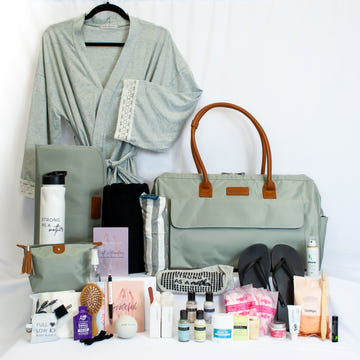
Baby Boldly Fully Prepared Birth Bag carry-on weekender
$289.00
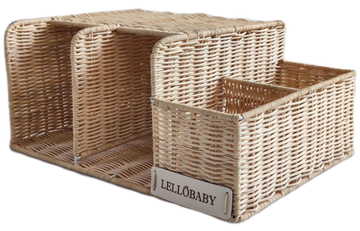
LELLOBABY Deluxe Rattan Diaper Caddy Handmade 14.25x...
$99.00
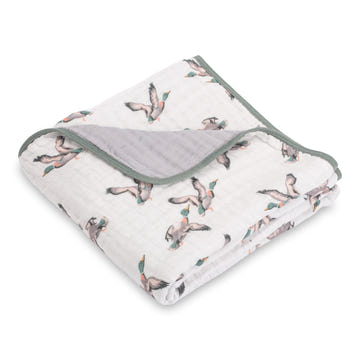
LollyBanks Quacking Up Quilt 47 x 47 inch mallard du...
$29.99
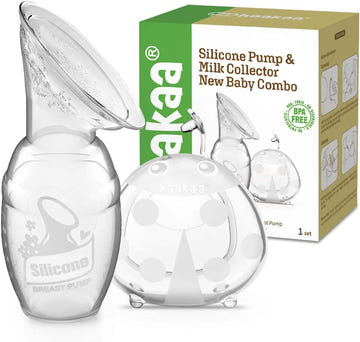
Haakaa Silicone Pump and Ladybug Milk Collector Comb...
$30.32
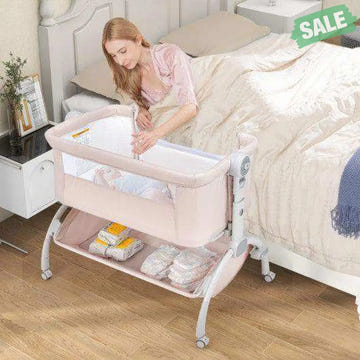
3-in-1 Baby Bassinet with Double-Lock Design and Adj...
$121.79
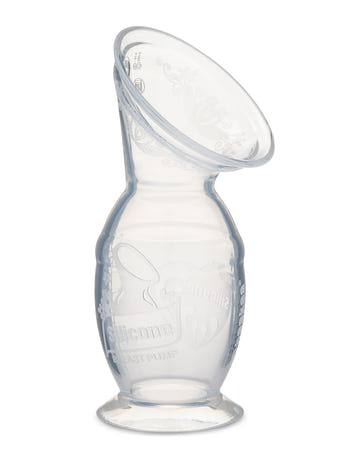
Haakaa Generation 2 Silicone Breast Pump 5 oz Suctio...
$20.99
8. Travel & On-the-Go Gear
The car seat is the one item you absolutely cannot compromise on. It's also legally required to leave the hospital. Everything else in this category ranges from "really helpful" to "nice-to-have."
Travel Essentials Checklist
| Item | Need | Qty | Budget | Mid | Premium | Rating |
|---|---|---|---|---|---|---|
| Infant car seat (rear-facing) | Must-have | 1 | $80 | $180 | $350+ | Must-Have |
| Car seat base (extra for 2nd car) | Nice-to-have | 1 | $50 | $80 | , | Nice-to-Have |
| Stroller | Must-have | 1 | $100 | $300 | $800+ | Must-Have |
| Baby carrier / wrap | Recommended | 1 | $25 | $70 | $180 | Must-Have |
| Diaper bag / backpack | Must-have | 1 | $25 | $60 | $150+ | Must-Have |
| Car seat mirror | Nice-to-have | 1 | $8 | $15 | $25 | Nice-to-Have |
| Stroller rain cover | Nice-to-have | 1 | $10 | $20 | $30 | Nice-to-Have |
| Car window shades | Nice-to-have | 2 | $5/ea | $10/ea | $20/ea | Nice-to-Have |
| Portable sound machine | Nice-to-have | 1 | $15 | $25 | $40 | Nice-to-Have |
| Travel crib / pack-n-play | Nice-to-have | 1 | $40 | $80 | $200 | Nice-to-Have |
Car Seat Safety Non-Negotiables
- Always buy new, Never use a secondhand car seat unless you know its full history. Car seats expire (check the label) and must be replaced after any crash.
- Rear-facing as long as possible, The AAP recommends rear-facing until at least age 2, or until your child outgrows the rear-facing height/weight limit.
- No puffy coats in the car seat, Puffy jackets create space between the child and the harness. Use a car seat cover or blanket over the buckled harness instead.
- Get the installation checked, Many fire stations and police departments offer free car seat inspections. Use them.
Stroller Buying Guide
| Type | Best For | Price Range | Pros | Cons |
|---|---|---|---|---|
| Travel system (car seat + stroller combo) | First-time parents | $150-$500 | Convenient, car seat snaps in | Heavy, bulky |
| Full-size stroller | Daily use, all terrain | $200-$800+ | Smooth ride, storage | Heavy, hard to travel with |
| Lightweight/umbrella stroller | Travel, quick errands | $30-$200 | Compact, lightweight | Less padding, fewer features |
| Jogging stroller | Active parents | $200-$600 | Great for running, big wheels | Large, heavy |
| Double stroller | Twins or close-in-age siblings | $200-$800 | Two kids, one stroller | Very heavy, wide |
Travel Category Total Cost Estimate
| Budget Level | Estimated Cost |
|---|---|
| Budget | $300 - $500 |
| Mid-Range | $700 - $1,200 |
| Premium | $1,500 - $2,500+ |
9. Play, Development & Toys
Babies don't need much in the way of toys for the first few months, your face is their favorite thing to look at. But as they grow, the right toys make a real difference in development.
Toys & Development by Age
| Age | What They Need | Top Items |
|---|---|---|
| 0-3 months | High contrast, simple sounds | Black & white cards, rattle, play gym |
| 3-6 months | Reach, grab, mouth everything | Teethers, soft books, activity mat |
| 6-9 months | Sitting, exploring, cause-effect | Stacking cups, balls, board books |
| 9-12 months | Crawling, pulling up, problem-solving | Push toys, shape sorters, climbing toys |
Play Essentials Checklist
| Item | Need | Qty | Budget | Mid | Premium | Rating |
|---|---|---|---|---|---|---|
| Play gym / activity mat | Must-have | 1 | $25 | $50 | $150 | Must-Have |
| High contrast cards (0-3M) | Must-have | 1 set | $8 | $15 | , | Must-Have |
| Teethers (silicone, varied textures) | Must-have | 3-4 | $5/ea | $10/ea | $18/ea | Must-Have |
| Rattles | Must-have | 2-3 | $5/ea | $10/ea | , | Must-Have |
| Soft/board books | Must-have | 5-10 | $4/ea | $8/ea | $15/ea | Must-Have |
| Stacking/nesting cups | Must-have | 1 set | $5 | $10 | $20 | Must-Have |
| Bouncer / swing | Nice-to-have | 1 | $30 | $80 | $200+ | Nice-to-Have |
| Climbing structure / Pikler triangle | Nice-to-have | 1 | $89 | $250 | $1,449 | Nice-to-Have |
Indoor Climbing: The Investment That Lasts Years
Here's something most registry guides don't mention: climbing is a developmental need, not bad behavior. Children between ages 1-6 are hardwired to climb. It builds core strength, gross motor skills, balance, coordination, and confidence.
Instead of fighting the couch-climbing phase, give them something designed for it.
Indoor climbing structures range from simple Pikler triangles ($89) to full sensory playgrounds ($1,449). They're a one-time investment that provides 3-7 years of daily physical activity and independent play.
- Starter sets (6 months - 3 years): Goodevas Pikler Triangle sets from $89-$249
- Full climbing sets (1-6 years): Goodevas Apollo or Avenlur Bush from $319-$459
- Premium playgrounds (1-8+ years): Avenlur Sweetgum sensory playsets from $799-$1,449
We've written comprehensive guides on this:
Shop climbing toys: moogcobaby.com/collections/avenlur | moogcobaby.com/collections/goodevas
Play Category Total Cost Estimate
| Budget Level | Estimated Cost |
|---|---|
| Budget | $100 - $200 |
| Mid-Range | $250 - $500 |
| Premium (with climbing structure) | $500 - $2,000+ |
10. Smart Nursery Technology 2026
Technology has transformed baby care. Some of it is genuinely life-changing. Some of it is expensive gimmickry. Here's what's actually worth the money.
Worth It
| Item | What It Does | Price | Verdict |
|---|---|---|---|
| Video baby monitor (Wi-Fi) | See and hear baby from anywhere, night vision, two-way talk | $80-$200 | Must-Have |
| Smart sound machine | White noise, app control, travel-friendly | $30-$80 | Must-Have |
| Smart thermostat (if you don't have one) | Keeps nursery at ideal 68-72°F | $100-$250 | Worth It |
Nice-to-Have (If Budget Allows)
| Item | What It Does | Price | Verdict |
|---|---|---|---|
| Wearable baby monitor (Owlet, Nanit) | Tracks heart rate, oxygen, sleep patterns via sock/camera | $200-$400 | Nice for peace of mind |
| Smart bassinet (SNOO) | Auto-rocks, responds to crying, white noise built in | $1,695 (or $160/mo rental) | Luxury, consider renting |
| Hatch Rest+ sound machine | Sound machine + night light + OK-to-wake + app control | $70 | Worth It if you want all-in-one |
Skip
| Item | Why to Skip |
|---|---|
| Baby food maker with app | A regular blender works fine |
| Smart bottle warmer | Warm water in a cup does the same thing |
| Wi-Fi enabled diaper pail | Yes, this exists. No, you don't need it. |
| Smart changing pad (that tracks weight) | Your pediatrician weighs your baby regularly |
The SNOO Question
The SNOO smart bassinet ($1,695) is the most polarizing baby product on the market. It automatically rocks your baby and plays white noise in response to crying. Some parents swear it saved their sanity. Others say their baby hated it.
Our recommendation: If you're interested, rent it ($160/month for ~5 months = $800 vs. $1,695 to buy). SNOO has an official rental program. That way you're not stuck with an expensive bassinet if your baby doesn't take to it.
Tech Category Total Cost Estimate
| Budget Level | Estimated Cost |
|---|---|
| Budget (basic monitor + sound machine) | $60 - $120 |
| Mid-Range (video monitor + smart sound) | $150 - $300 |
| Premium (SNOO + Owlet + smart everything) | $500 - $2,000+ |
11. Postpartum Recovery for Mom
This is the section most registry guides either skip entirely or cover in two sentences. That's a mistake. You are literally recovering from a major physical event. Your body needs specific supplies, and you need them ready BEFORE the baby arrives because you will not feel like shopping afterwards.
Physical Recovery Essentials
| Item | Need | Qty | Budget | Mid | Premium | Rating |
|---|---|---|---|---|---|---|
| Peri bottle (angled) | Must-have | 1-2 | $5 | $12 | $20 | Must-Have |
| Dermoplast spray (blue can - cooling) | Must-have | 1-2 | $8 | , | , | Must-Have |
| Witch hazel pads (Tucks) | Must-have | 2-3 boxes | $5/box | , | , | Must-Have |
| Sitz bath | Recommended | 1 | $10 | $15 | $25 | Must-Have |
| Postpartum underwear (disposable or high-waist) | Must-have | 10-12 | $1/ea disposable | $8/ea reusable | $15/ea premium | Must-Have |
| Maxi pads (overnight, heavy flow) | Must-have | 2-3 packs | $8/pack | , | , | Must-Have |
| Stool softeners | Must-have | 1 bottle | $8 | , | , | Must-Have |
| Belly wrap / postpartum band | Nice-to-have | 1 | $15 | $30 | $60 | Nice-to-Have |
| Ice packs (perineal) | Must-have | 1 pack | $10 | $15 | $20 | Must-Have |
| Comfortable nursing pajamas | Nice-to-have | 2-3 | $20/ea | $35/ea | $60/ea | Nice-to-Have |
| Nursing-friendly robe | Nice-to-have | 1 | $20 | $40 | $70 | Nice-to-Have |
C-Section Recovery Additions
If you're having a planned C-section (or want to be prepared just in case):
| Item | Need | Qty | Budget | Mid | Premium | Rating |
|---|---|---|---|---|---|---|
| High-waist underwear (above incision) | Must-have | 5-6 | $5/ea | $12/ea | $20/ea | Must-Have |
| Silicone scar sheets | Recommended | 1 box | $15 | $25 | $40 | Must-Have |
| Abdominal binder | Recommended | 1 | $15 | $30 | $50 | Nice-to-Have |
| Gentle body wash (fragrance-free) | Must-have | 1 | $8 | $14 | , | Must-Have |
| Grabber tool / long-handled reacher | Nice-to-have | 1 | $8 | $15 | , | Nice-to-Have |
Breastfeeding Support for Mom
| Item | Need | Rating |
|---|---|---|
| Silver nursing cups | Recommended | Must-Have |
| Nipple cream (if not using silver cups) | Recommended | Nice-to-Have |
| Nursing pads | Must-have | Must-Have |
| Hot/cold breast therapy packs | Recommended | Must-Have |
| Lecithin supplements (blocked duct prevention) | Nice-to-have | Nice-to-Have |
Mental Wellness
This doesn't get talked about enough. 1 in 5 new mothers experiences postpartum depression or anxiety. It's not a character flaw, it's a medical condition. Prepare in advance:
- Save your OB/midwife's after-hours number in your phone
- Research postpartum therapists in your area before the baby arrives
- Download a mood tracking app, Postpartum Support International recommends tracking your mood daily
- Line up help, Partner, family, postpartum doula, meal train
- Know the signs: Persistent sadness, difficulty bonding, intrusive thoughts, extreme anxiety, inability to sleep even when baby sleeps
Postpartum Support International Helpline: 1-800-944-4773 (call or text)
Postpartum Category Total Cost Estimate
| Budget Level | Estimated Cost |
|---|---|
| Budget | $80 - $150 |
| Mid-Range | $200 - $400 |
| Premium | $400 - $700 |
12. Eco-Friendly & Non-Toxic Registry Options
Sustainability is no longer a niche, it's a priority for a growing number of parents. If you want to reduce your baby's exposure to harmful chemicals and minimize environmental impact, here's your guide.
Understanding Labels & Certifications
| Certification | What It Means |
|---|---|
| GOTS (Global Organic Textile Standard) | Organic fibers, no toxic dyes, fair labor practices |
| OEKO-TEX Standard 100 | Tested for harmful substances, safe for babies |
| GREENGUARD Gold | Low chemical emissions (important for mattresses, furniture) |
| USDA Organic | Organic materials (for food, cotton) |
| BPA-free | No bisphenol-A (for bottles, pacifiers, storage) |
| Phthalate-free | No endocrine-disrupting plasticizers |
Eco Swaps for Every Category
| Standard Item | Eco-Friendly Alternative | Price Difference |
|---|---|---|
| Regular disposable diapers | Eco diapers (Dyper, Coterie, Kudos) | +$0.15-0.25/diaper |
| Regular wipes | Water wipes or reusable cloth wipes | Similar or less |
| Standard crib mattress | GREENGUARD Gold certified organic mattress | +$50-$150 |
| Regular cotton sheets | GOTS certified organic cotton sheets | +$5-$15 |
| Plastic bottles | Glass bottles with silicone sleeve | +$5-$8/bottle |
| Synthetic sleepwear | Organic cotton / bamboo sleepwear | +$10-$20 |
| Chemical nipple cream | Silver nursing cups (zero chemicals, lasts forever) | Similar |
| Standard body wash | Fragrance-free, plant-based baby wash | Similar |
| Plastic toys | Wooden, organic cotton, or silicone toys | +$5-$15 |
The "Non-Toxic" Reality Check
Not everything marketed as "natural" or "organic" is actually better or safer. Here's what actually matters:
Worth paying extra for organic/non-toxic:
- Mattress (baby sleeps 14-17 hours on it, off-gassing matters)
- Sleepwear and sheets (direct skin contact for hours)
- Bottles and pacifiers (BPA-free is standard now, but check for phthalates)
- Skin care products (fragrance-free, simple ingredients)
Not worth the premium:
- Organic diapers (the absorbent core is the same technology)
- Organic baby clothes for daytime (exposure time is minimal vs. sleepwear)
- "Natural" diaper rash cream (zinc oxide works regardless of the brand's marketing)
13. Registry Strategies by Lifestyle
One size does not fit all. Here's how to customize your registry based on your situation.
The Minimalist Registry (35-40 Items)
For parents who want only the essentials, less stuff, less clutter, less stress.
Sleep: Crib + mattress + 3 sheets + 3 sleep sacks + sound machine
Diaper: Diapers (subscribe & save) + wipes + changing pad + 2 covers + cream
Feeding: Breast pump (free via insurance) + 6 bottles + nursing pillow + silver nursing cups + 3 bibs + high chair
Clothing: 6 bodysuits + 4 sleepers + 4 pants + socks (per size, 0-3M and 3-6M only)
Bath: Baby tub + 2 towels + wash + lotion + nail clippers
Health: Thermometer + Tylenol + gas drops + humidifier + NoseFrida
Travel: Car seat + stroller + carrier + diaper bag
Play: Play gym + 3 teethers + 5 board books
Total estimated cost: $1,500 - $2,500
The Complete First-Time Parent Registry (120+ Items)
The full experience, everything listed in this guide, prioritized by "must-have" and "nice-to-have."
Total estimated cost: $3,500 - $6,000 (before gifts)
The Second Baby Registry
You already have most of the gear. Here's what to check and what to add:
Recheck / Replace:
- Car seat (check expiration date!)
- Crib mattress (should be replaced for each baby per AAP guidelines)
- Bottles and nipples (silicone degrades, replace if older than 2 years)
- Breast pump parts (valves, membranes, flanges wear out)
Buy New:
- Diapers and wipes (obviously)
- New sleep sacks and swaddles (proper TOG for the new baby's season)
- Newborn clothes (your first baby's clothes may be worn out or wrong season)
- Fresh postpartum supplies for mom
Don't Need Again:
- Baby tub, towels, washcloths (reuse)
- Play gym, toys, books (reuse)
- Most health/safety items (check expiration dates on medicine)
The Twins Registry
Everything is doubled, except the things that aren't.
Need 2x:
- Car seats (2)
- Cribs or bassinets (2)
- Crib mattresses (2)
- Sets of crib sheets (2x3 = 6)
- Sleep sacks/swaddles (2x4 = 8)
- Bottles (double your count)
- Clothing (full wardrobe x2)
- Diapers (DOUBLE, ~5,000-6,000 in the first year)
Need 1x:
- Stroller (get a double stroller)
- Baby tub (bathe one at a time)
- Play gym (they can share)
- Sound machine
- Baby monitor (get one with two cameras)
- Breast pump
- Diaper bag (get a big one)
- High chair (eventually need 2, but not until 6+ months)
Total estimated cost for twins: $6,000 - $10,000 (before gifts)
14. Total Cost Breakdown: What a Baby Really Costs
Here's what no one tells you until it's too late, a category-by-category breakdown of first-year costs. These numbers include ongoing costs (diapers, formula, etc.), not just initial purchases.
First-Year Cost Summary
| Category | Budget | Mid-Range | Premium |
|---|---|---|---|
| Sleep & Nursery | $350 | $700 | $1,500 |
| Diapering (full year) | $700 | $1,000 | $1,400 |
| Feeding (full year) | $300 (BF) / $1,500 (FF) | $500 / $2,000 | $800 / $3,000 |
| Clothing | $200 | $500 | $1,000 |
| Bath & Hygiene | $70 | $150 | $300 |
| Health & Safety | $200 | $400 | $600 |
| Travel & Gear | $350 | $900 | $2,000 |
| Play & Development | $100 | $350 | $1,500 |
| Technology | $80 | $200 | $1,500 |
| Postpartum (Mom) | $100 | $300 | $600 |
| TOTAL (Breastfeeding) | $2,150 | $4,000 | $9,400 |
| TOTAL (Formula Feeding) | $3,350 | $5,500 | $11,900 |
How to Save Thousands
- Get your breast pump through insurance, saves $150-$500
- Use registry completion discounts, saves $200-$500
- Buy secondhand (clothing, toys, books), saves $300-$800
- Skip the SNOO, rent it or use a regular bassinet, saves $1,500+
- Don't stockpile diapers in one size, saves $50-$100 in wasted diapers
- Accept hand-me-downs, saves hundreds
- Subscribe & save on diapers and wipes, saves 5-15% monthly
- Buy off-season, winter gear in summer, summer gear in winter, saves 30-50%
15. Where to Register: Platform Comparison
The best strategy? Register on 2 platforms, one for the selection and one for the discount. Here's how they compare:
| Feature | Amazon | Babylist | Target | Buy Buy Baby / BuyBuyBaby.com |
|---|---|---|---|---|
| Selection | Largest | Universal (any store) | Large | Baby-focused |
| Completion Discount | 15% (Prime) / 10% | 15% | 15% | 20% |
| Discount Timing | 60 days before due date | 45 days before | 8 weeks before | Varies |
| Welcome Box | Free (with Prime) | Free | Free ($100 value) | Free |
| Returns | 90 days, easy | Varies by store | 1 year on registry items | 90 days |
| Universal Registry | No | Yes | No | No |
| Price Match | No | No | Yes (select retailers) | No |
| Group Gifting | No | Yes | No | No |
| Best For | Biggest selection, Prime members | Adding from ANY store | Best welcome box, long returns | Biggest completion discount |
Our Recommendation
Primary registry: Babylist, because you can add items from ANY website (including moogcobaby.com). This gives guests the most flexibility.
Secondary registry: Amazon, for the massive selection and 15% Prime completion discount.
If you want the best welcome box: Target, their registry welcome bag includes quality samples worth ~$100.
Pro Tip: The Multi-Registry Strategy
- Create a Babylist registry as your "universal" list (share this one with guests)
- Add items from Amazon, Target, and any specialty stores (like moogcobaby.com for climbing toys and sleep sacks)
- After your shower, use each platform's completion discount separately on remaining items
- You effectively get multiple discounts on different items
16. What NOT to Buy: The Overhyped Products List
Some products are marketed aggressively to new parents but rarely get used. Here's what to skip, and what to use instead.
Definite Skips
| Product | Why to Skip | Better Alternative |
|---|---|---|
| Wipe warmer | Dries out wipes, unnecessary. Babies don't care about warm wipes. | Room temperature wipes work fine |
| Baby shoes (0-6 months) | Babies don't walk. Shoes restrict natural foot development. | Socks with grips |
| Crib bumpers | Banned by the AAP, suffocation risk. Illegal to sell in many states. | Mesh bumpers if you want something (but not necessary) |
| Baby food maker | A regular blender does the exact same thing | Blender you already own + ice cube trays for freezing |
| Bottle warmer | Slow, takes up counter space | Cup of warm water (works in 2 minutes) |
| Newborn baby bathrobe | Used for 30 seconds after a bath | Hooded towel |
| Diaper stacker | Decorative diaper holder that's impractical | Shelf or basket on changing table |
| Shopping cart cover | Bulky to carry, hard to use | Wipe down the cart handle |
| Baby detergent | Regular free & clear detergent is fine for babies | Any fragrance-free detergent (Tide Free & Gentle, All Free Clear) |
| Dedicated nursery hamper | You have a laundry hamper already | Your existing hamper |
| Peepee teepees | Novelty that doesn't work well | Lay a washcloth over during diaper changes |
Probably Skip (Unless Your Specific Situation Requires It)
| Product | Who Might Need It | Skip If.. |
|---|---|---|
| Changing table (standalone furniture) | Nobody, really | You have a dresser, just put a changing pad on top |
| Glider/rocker | Parents who plan to nurse in the nursery extensively | You have a comfortable chair or couch |
| Nursing cover | Very modest in public | You can use a muslin blanket |
| Baby swing (full-size) | Fussy babies who love motion | Your baby prefers being held (most do) |
| Bottle sterilizer | Preemie parents, immunocompromised babies | Your dishwasher has a sanitize cycle |
Products That Sound Useless but Are Actually Great
Just so we're balanced, here are some items that get unfairly dismissed:
| Product | Why It's Worth It |
|---|---|
| Haakaa (silicone milk collector) | Catches letdown from the other side while nursing. Saves ounces of milk daily. $12-15. |
| White noise machine | Game-changer for sleep. Not a luxury, a necessity. |
| NoseFrida (nasal aspirator) | Disgusting concept, amazing results. Way better than bulb syringes. |
| Diaper caddy | Sounds unnecessary but having supplies organized and portable = less running around |
| Burp cloths (the big muslin ones) | Multi-purpose: burp cloth, changing pad, sun shade, blanket, nursing cover |
More Related Picks
A few more favorites from the same collection.
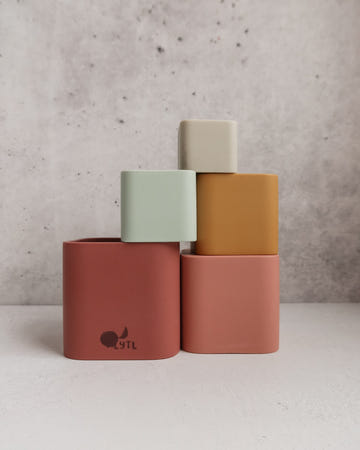
LYTL Silicone Stacking Cups Set of 5 Soft Toy Cups
$22.00
Original Topponcino
$69.99
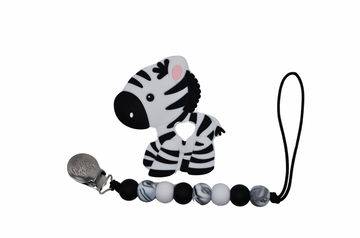
Golden Baby Zebra Teether Set Silicone Pacifier Clip...
$14.99
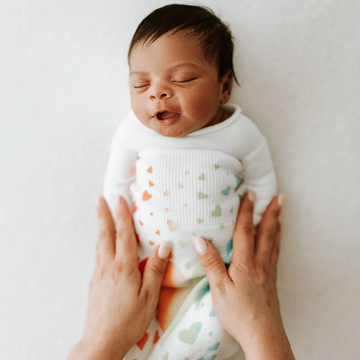
Swaddelini Rainbow Swaddle Sleep Sack Limited Editio...
$69.95
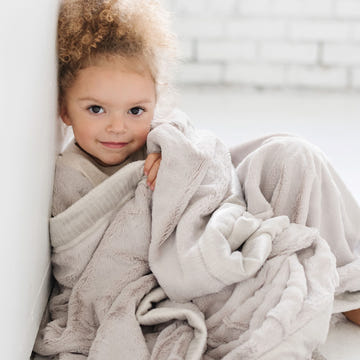
Saranoni Lush Toddler Blanket 40 x 60 soft microfiber
$85.00
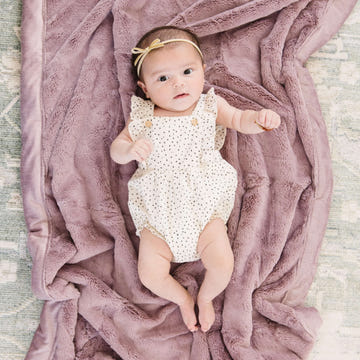
Saranoni Lush Receiving Blanket 30 x 40 buttery soft...
$55.00
17. The Complete Quantity Guide
"How many do I actually need?" is the most common registry question. Here's your definitive answer.
Definitive Quantity Guide
| Item | Quantity | Why This Number |
|---|---|---|
| Diapers (NB) | 200-300 | 8-10/day for ~4 weeks |
| Diapers (Size 1) | 300-400 | 8-10/day for 6-8 weeks |
| Diapers (Size 2) | 300-400 | 6-8/day for 8-12 weeks |
| Wipes | 1,500+ (first 3 months) | You will use way more than you think |
| Bodysuits/onesies per size | 6-8 | Daily outfit + blowout backup |
| Sleepers per size | 4-6 | Nightly use + spit-up changes |
| Swaddles | 3-4 | In rotation for washing |
| Sleep sacks | 4-6 (across TOG ratings) | In rotation + different temps |
| Crib sheets | 3-4 | Nighttime blow-out + wash rotation |
| Burp cloths | 8-12 | You'll go through 4-6/day minimum |
| Bibs | 4-6 drool bibs, 3-4 feeding bibs | Drool starts ~3 months |
| Bottles | 8-12 (start with 4oz, move to 8oz) | In rotation for cleaning |
| Bottle nipples | 4-8 per flow speed | Replace every 2-3 months |
| Breast pump parts (extra) | 1 extra set | So you can pump while cleaning |
| Milk storage bags | 100+ | One per pumping session |
| Nursing pads | 60+ disposable or 8-10 reusable | Change every few hours |
| Pacifiers | 4-6 | They disappear constantly |
| Washcloths | 6-8 | Bath + face wiping + cleanup |
| Hooded towels | 2-3 | Wash rotation |
| Muslin blankets | 4-6 | Multi-purpose, always needed |
| Socks | 6 pairs per size | They vanish into the baby sock abyss |
| Receiving blankets | 4-6 | Swaddling, covering, laying down |
| Mattress protectors | 2 | Layer them: protector, sheet, protector, sheet (for fast midnight changes) |
The Double Sheet Trick
This is a life-saver at 3 AM:
Layer your crib like this (bottom to top):
- Mattress protector
- Fitted sheet
- Mattress protector
- Fitted sheet
When baby has a middle-of-the-night blowout, just peel off the top sheet and protector, there's a clean set underneath. No fumbling with sheets in the dark.
18. Frequently Asked Questions
When should I start my baby registry?
Start researching at the end of your first trimester (12-13 weeks). Create the actual registry at 14-16 weeks. Share it with family at 26-27 weeks, before your baby shower. See our complete timeline above.
How many items should be on my registry?
A complete registry typically has 100-150 items for first-time parents. This includes small items (diaper cream, nail clippers) and big items (crib, stroller). Don't be shy about adding things, a comprehensive registry helps guests at every budget.
What if I don't know the baby's sex?
Register for gender-neutral colors (white, gray, green, yellow) in clothing. Everything else (gear, feeding, sleep) is not sex-specific. If you find out the sex later, you can always update.
Can I put expensive items on my registry?
Absolutely. Many platforms offer "group gifting" where multiple guests chip in on expensive items. Put that $400 stroller and $300 car seat on there, your parents, in-laws, and aunties may want to contribute to a big-ticket item rather than buying 10 small things.
How much of my registry will actually get purchased?
On average, guests purchase about 40-60% of a baby registry. That's why the completion discount is so important, use it to buy the remaining essentials at a discount.
Should I register at one store or multiple?
Two platforms is ideal. One universal registry (Babylist) plus one major retailer (Amazon or Target). See our platform comparison for details.
What about secondhand items? What's safe to buy used?
Safe to buy secondhand:
- Clothing (wash in hot water first)
- Books and toys (clean thoroughly)
- Swings, bouncers (check recall lists)
- Nursing pillow, Boppy
- Play gyms
Never buy secondhand:
- Car seats (you don't know crash/expiration history)
- Crib mattresses (AAP recommends new for each baby)
- Breast pump (unless it's a "closed system" pump, hygiene concerns)
- Cribs (older cribs may not meet current safety standards, check recall database at cpsc.gov)
Do I need a nursery?
No. Many families don't have a dedicated nursery, and that's completely fine. Baby will sleep in your room for at least the first 6 months (per AAP recommendation). You need a safe sleep space, a diaper changing area, and a feeding spot, these can all be in your bedroom or living room.
How do I handle duplicate gifts?
Most registries track what's been purchased. If you get duplicates, return one (keep the receipt or gift receipt). Most stores have generous return policies for registry items, Target gives you a full year.
What's the most common registry regret?
- Not enough diapers in the right sizes (too many newborn, not enough Size 1-2)
- Too many clothes in one size (especially newborn, they outgrow it in weeks)
- Skipping postpartum supplies for mom (you will need them)
- Buying a crib bedding set (you can only use the fitted sheet, everything else is a suffocation risk)
- Not using the completion discount (free money left on the table)
When should I stop adding to my registry?
Share your registry by week 27-28 (before the shower), but you can keep adding items after the shower. Use it as a personal shopping list with the completion discount until the baby is 6-12 months old (depending on the platform's discount window).
Do I need everything on this list?
No! This is a comprehensive reference, not a mandatory shopping list. Every family is different. A breastfeeding mom doesn't need formula supplies. A summer baby doesn't need a snowsuit. An apartment family might skip the dedicated nursery furniture. Use this guide to build YOUR list, not copy ours.
What's the single most important piece of advice for building a registry?
Ask parents with babies under 1 year old what they actually use. Not what they registered for. Not what they bought. What they use daily. That list is surprisingly short, and it's the core of what you actually need.
The Bottom Line
Building a baby registry doesn't have to be overwhelming. Here's the short version:
The absolute essentials (if you buy nothing else):
- A safe place to sleep (crib + firm mattress + fitted sheets + sleep sacks)
- A way to feed (breast pump or bottles + formula)
- Diapers, wipes, and a changing pad
- A car seat (you literally can't leave the hospital without one)
- A few outfits (bodysuits, sleepers, socks)
- Postpartum supplies for mom
Everything else improves your experience but isn't strictly necessary. Start with the essentials, add based on your budget and lifestyle, and remember: the best baby product is the one that works for YOUR family.
You've got this.
All products mentioned in this guide, from sleep sacks and silver nursing cups to climbing toys and swaddles, are available at moogcobaby.com with free shipping on orders over $100.
Shop Sleep Sacks & Swaddles | Shop Silver Nursing Cups | Shop Climbing Toys | Shop All Products
Drop BABY in the comments for $10 off orders over $100!
BONUS: The Hospital Bag Checklist
Don't forget to pack your hospital bag by week 35-36. Here's what experienced parents actually recommend:
For Mom (Labor & Delivery)
| Item | Why You Need It |
|---|---|
| Photo ID and insurance card | Registration at the hospital |
| Birth plan (printed copies) | For your medical team to reference |
| Comfortable robe (nursing-friendly) | You'll wear this more than a hospital gown |
| Non-skid socks or slippers | Hospital floors are cold and slippery |
| Hair ties and headband | You don't want hair in your face during labor |
| Lip balm | Hospitals are incredibly dry |
| Phone charger (long cord!) | Your phone is your lifeline, 10ft cord recommended |
| Pillow from home | Hospital pillows are flat and uncomfortable |
| Toiletries (travel size) | Toothbrush, toothpaste, deodorant, face wash, dry shampoo |
| Comfortable going-home outfit | Maternity clothes, you'll still look 5-6 months pregnant |
| Nursing bra | Start wearing from day 1 if breastfeeding |
| Silver nursing cups | Start using immediately, prevents nipple damage from the start |
| Snacks | Labor is a marathon. Pack protein bars, trail mix, crackers, coconut water |
| Entertainment | Tablet, book, headphones, early labor can be long and boring |
For Baby
| Item | Why You Need It |
|---|---|
| Going-home outfit (NB or 0-3M) | Pack both sizes, you don't know how big baby will be |
| Swaddle blanket | For warmth and comfort |
| Infant car seat (installed in car) | They won't let you leave without one |
| Socks or booties | Newborn feet get cold easily |
| Hat | Optional but cute for photos |
| Pacifier (if you plan to use one) | Some hospitals provide them, some don't |
For Partner/Support Person
| Item | Why You Need It |
|---|---|
| Change of clothes (2 sets) | You might be there 1-4 days |
| Phone charger | For photos, calls, and staying awake |
| Snacks and water bottle | Hospital cafeterias close early |
| Cash (small bills) | Vending machines, parking |
| Pillow and blanket | Hospital "beds" for partners are terrible |
| Camera | If you want better-than-phone photos |
What the Hospital Usually Provides (Don't Pack)
- Diapers and wipes (for your stay)
- Baby blankets and hats
- Postpartum pads and mesh underwear
- Peri bottle (but bring your own angled one, much better)
- Breast pump accessories for in-hospital use
- Baby formula (if needed)
- Medications
Pro tip: Take everything they offer you at the hospital. Those mesh underwear, extra diapers, nose bulbs, and formula samples? Take them all. You've paid for them in your hospital bill.
BONUS: Nursery Setup Guide, Room by Room
You don't need a Pinterest-perfect nursery. But you do need a functional space. Here's how to set up each zone:
Zone 1: Sleep Area
The crib setup (bare is beautiful):
- Crib on a flat wall, away from windows (cord strangulation risk), away from heaters
- Firm mattress that fits snugly (no gaps larger than two fingers between mattress and crib side)
- Fitted sheet, that's it. Nothing else in the crib. No bumpers, no blankets, no stuffed animals.
- Sound machine nearby (not inside the crib)
- Blackout curtains on windows
Lighting:
- Main light: regular room light for daytime
- Night light: warm/red tone (not blue or white, these suppress melatonin)
- Never use bright lights during nighttime feeds/changes
Zone 2: Diaper Changing Area
The efficient changing station:
- Changing pad on top of a dresser (skip the dedicated changing table, waste of money and space)
- Everything within arm's reach: diapers, wipes, cream, spare outfit
- Diaper pail next to the station
- Never leave baby unattended on the changing pad, not even for one second
The "grab and go" setup:
Put a diaper caddy with 10-15 diapers, travel pack of wipes, spare onesie, and diaper cream in the living room too. You'll change most daytime diapers downstairs, having supplies in two locations saves countless trips.
Zone 3: Feeding Area
For breastfeeding:
- Comfortable chair or spot on the couch with good back support
- Nursing pillow
- Side table for water, phone, snacks, burp cloth
- Nursing pad/silver cup storage nearby
- Night feeding kit: dim lamp, water bottle, snacks pre-staged for midnight feeds
For bottle feeding:
- Bottle prep station in the kitchen: bottle drying rack, formula, measuring scoop, filtered water
- Bottle warmer (cup of warm water works too)
- Pre-measure nighttime bottles before bed
Zone 4: Storage & Organization
What you need accessible (not in the closet):
- Current-size clothes (rotate as baby grows)
- Diaper supplies
- Bath supplies
- Daily-use feeding supplies
What can go in storage:
- Next-size-up clothes (organize by size in labeled bins)
- Seasonal items
- Backup supplies (extra diapers, wipes stockpile)
- Toys for later ages
Nursery Safety Checklist
☐ Furniture anchored to walls (dressers, bookshelves)
☐ No cords within reach of the crib (blinds, monitors, lamps)
☐ Smoke detector and carbon monoxide detector in or near the nursery
☐ Room temperature stays 68-72°F (20-22°C)
☐ Crib meets current safety standards (check cpsc.gov for recalls)
☐ No direct sunlight on the crib
☐ Humidifier has clean filter (change monthly)
☐ All small objects out of reach (coins, batteries, small toys from older siblings)
BONUS: Month-by-Month, What You'll Actually Use When
Not everything on your registry gets used at once. Here's when items become relevant:
Month 1 (Newborn Survival Mode)
In constant use: Diapers (10+/day), wipes, swaddles, onesies, bassinet/crib, breast pump or formula, burp cloths, sound machine
In daily use: Nursing pillow, silver nursing cups, changing pad, sleep sacks
Used occasionally: Baby tub (sponge baths only until cord falls off), thermometer, car seat
Month 2-3 (Finding Your Rhythm)
New additions: Play gym (baby starts batting at toys), more varied sleep sacks as weather changes, pacifier (if baby takes one)
Increased use: Bottles (if combo feeding), stroller (you'll start venturing out more)
Storage candidate: Newborn clothes (already outgrown!)
Month 4-5 (The Fun Begins)
New additions: Teethers (early teething starts), drool bibs, jumper/bouncer, board books
Changes: Transition from swaddle to sleep sack (when baby starts rolling), may need size-up on everything
Sleep note: The 4-month sleep regression hits here. Read our survival guide.
Month 6-7 (Solid Food Time!)
New additions: High chair, silicone bibs, suction plates, baby spoons, sippy cups, food storage containers
New challenges: Baby-proofing becomes urgent as baby starts crawling/rolling everywhere
Feeding milestone: Starting solids! Begin with single-ingredient purees or baby-led weaning
Month 8-9 (Mobile Baby)
New additions: Baby gates (ESSENTIAL once crawling), cabinet locks, outlet covers, corner protectors
Increased use: Stacking toys, board books, push toys
Safety note: If you haven't baby-proofed yet, do it NOW. Crawling babies are fast and fearless.
Month 10-12 (Almost Toddler)
New additions: Walking toys/push walkers, sippy cups/straw cups (weaning from bottles), bigger car seat (if outgrowing infant seat)
Consider adding: Indoor climbing structure (can start as early as 10-12 months with a low Pikler triangle)
Milestone: First birthday! You made it through the first year.
BONUS: Registry Etiquette FAQ
Is it rude to have an expensive registry?
Not at all. A well-stocked registry with items at various price points helps guests at every budget. Some want to buy the $300 car seat (especially grandparents). Others want to spend $15 on onesies. Include both.
Should I register for gift cards?
Yes! Most platforms allow you to add gift cards to your registry. It's not tacky, it's practical. Parents always have unexpected needs that come up.
Can I share my registry on social media?
For a baby shower, the host traditionally shares the registry info. But for a general "we're having a baby" announcement, it's perfectly acceptable to mention where you're registered, especially on platforms like Instagram or a personal blog.
What if someone buys off-registry?
Say thank you. Keep the gift receipt. Return or exchange if needed. Never make a guest feel bad for their choice, they meant well.
How do I handle "advice" gifts?
You'll receive unsolicited products from well-meaning family members who insist "this worked for MY baby." Accept graciously. Try it if you want. Return it if you don't. Their feelings aren't more important than your parenting choices.
When should I send thank you notes?
Within 2-3 weeks of receiving the gift, ideally. For shower gifts, aim for 2 weeks after the shower. For post-birth gifts, give yourself grace, within a month is fine. A text or email is perfectly acceptable in 2026.
Final Checklist: The 25 Items You Need Before Baby Arrives
If you're feeling overwhelmed by this guide, here's the absolute minimum you need ready before your due date:
- Car seat (installed and inspected)
- Safe sleep surface (crib or bassinet + firm mattress)
- 3-4 fitted crib sheets
- 4-6 sleep sacks / swaddles
- 200+ newborn diapers
- 1,000+ wipes
- Changing pad + 2 covers
- Diaper cream
- Breast pump (or formula + bottles)
- Silver nursing cups (if breastfeeding)
- Nursing pillow
- 8-10 bodysuits (NB + 0-3M)
- 4-6 sleepers
- Socks + hats
- Baby body wash + lotion
- Baby towels + washcloths
- Thermometer
- Infant Tylenol + gas drops
- Nasal aspirator
- Sound machine
- Baby monitor
- Burp cloths (8-12)
- Stroller
- Diaper bag
- Postpartum supplies for mom
Everything else can wait. Seriously. You can order anything on Amazon and have it delivered in 1-2 days. Don't stress about having everything perfect before the baby arrives.
This guide is updated regularly. Last update: February 2026. Prices are approximate and may vary by retailer and region.
📊 Baby Registry Infographic, Save & Share!
Pin it, share it, or print it. Everything you need at a glance.

Shop Baby Registry Essentials at MoogCo Baby
Free shipping on orders over $100
This guide is updated regularly. Last update: February 2026.
Updated: Baby Must Haves for 2026
Welcome to our completely updated guide for baby must haves 2026! As we've moved into the new year, there are some exciting updates to classic baby essentials, plus a few new innovations that have genuinely made parenting easier. I've been through the newborn stage twice now, and trust me to having the right essentials makes all the difference. Let's dive into what you actually need (and what you don't) for your little one this year.
Sleep Essentials
Sleep is everything when you have a newborn, so these baby essentials 2026 are non-negotiable. Start with a safe crib that meets current safety standards to look for models with adjustable mattress heights. A bedside bassinet is pure gold for those first few months, making night feeds so much easier.
For swaddles, the 2026 versions have gotten incredibly smart. Look for ones with easy-change bottom openings for middle-of-the-night diaper changes. Sleep sacks are essential once your baby starts rolling to they're safer than loose blankets and help maintain that cozy feeling.
Don't skip the white noise machine. The newer models have timer functions and gradually decreasing volume, which helps establish better sleep patterns. Your future self will thank you!
Feeding Must Haves
Whether you're breastfeeding, bottle feeding, or both, these baby must haves 2026 will set you up for success. If you're breastfeeding, invest in a quality breast pump to the portable, hands-free models have become incredibly efficient this year. A supportive nursing pillow is essential for comfortable feeds and helps prevent back strain.
For bottles, look for anti-colic designs with natural-shaped nipples. You don't need a million bottles to start with 4-6 and see how it goes. A sturdy high chair becomes crucial around 4-6 months, and bibs are your best defense against the inevitable mess. Pro tip: silicone bibs with pockets are game-changers!
Diapering Essentials
Let's be real to you'll be changing a lot of diapers! Stock up on newborn and size 1 diapers, but don't go overboard with newborn sizes since babies grow fast. Gentle, fragrance-free wipes are essential, and having a portable changing pad makes diaper changes possible anywhere.
A well-organized diaper caddy keeps everything within reach during those frequent changes. Trust me, you don't want to be searching for wipes with a squirmy baby!
Gear & On-the-Go
Your car seat is the most important safety purchase you'll make to choose one that's been crash-tested and fits your vehicle properly. Many parents love convertible seats that grow with your child, though infant seats with bases can be more convenient for frequent in-and-out trips.
For strollers, consider your lifestyle. City parents might prefer compact, maneuverable models, while suburban families often love larger strollers with ample storage. A good baby carrier is invaluable for hands-free bonding and getting things done around the house.
Health & Safety
These baby essentials 2026 give you peace of mind. A reliable baby monitor to whether audio-only or video to helps you keep tabs on your sleeping baby. The newer smart monitors can track breathing patterns, though a basic audio monitor works perfectly fine too.
Keep a digital thermometer, baby nail clippers, and a basic first aid kit on hand. Some parents also invest in a fetal doppler for early pregnancy, though always consult with your healthcare provider about proper use.
Nursery Essentials
A comfortable rocker or glider is worth its weight in gold during those long feeding sessions. You'll spend countless hours in it! A dresser doubles as storage and a changing station with the right changing pad on top.
A gentle nightlight helps with nighttime feeds and diaper changes without fully waking baby. A humidifier can help with congestion and dry air, especially during winter months.
Bath Time
A baby bathtub with good support makes bath time safer and easier. Hooded towels keep baby warm after baths, and gentle, tear-free wash protects delicate skin. Start with fragrance-free products to you can always switch later if baby's skin tolerates them well.
Play & Development
A colorful play mat encourages tummy time and sensory development. A bouncer can be a lifesaver when you need your hands free. Soft teethers become important around 3-4 months, and it's never too early to start reading together to board books are perfect for little hands.
What You Actually DON'T Need
Here's some honest talk about baby must haves 2026: you don't need a wipe warmer, expensive crib bedding sets (they're not safe anyway), or shoes for a non-walking baby. Skip the elaborate diaper disposal systems to regular trash bags work fine. And that expensive baby food maker? A regular blender or fork does the job just as well.
Focus on the essentials first, then add items as you discover what works for your family. Every baby is different, and what works for one might not work for another!
Fetal Doppler: Your Complete Guide to At-Home Baby Heartbeat Monitors
A fetal doppler is a handheld ultrasound device that uses sound waves to detect and amplify your baby's heartbeat during pregnancy. These at-home doppler devices work by sending high-frequency sound waves through your belly, which bounce back when they hit your baby's moving heart, creating the familiar whooshing sound you hear during prenatal appointments.
Many expecting parents find comfort in being able to listen to their baby's heartbeat between doctor visits. While a fetal doppler can provide reassurance and help you bond with your little one, it's important to understand both the benefits and limitations of these baby heartbeat monitor devices.
When Can You Start Using a Fetal Doppler?
Most healthcare providers recommend waiting until at least 12 weeks of pregnancy before attempting to use an at-home doppler. Here's a general timeline of what to expect:
- 8-10 weeks: Too early for home use - baby's heartbeat is detectable only by medical-grade equipment
- 10-12 weeks: Some women may detect a heartbeat, but it's still quite difficult
- 12-14 weeks: Most fetal doppler devices become effective, though finding the heartbeat may take patience
- 16+ weeks: Heartbeat becomes easier to locate as baby grows larger
- Second trimester: Optimal time for consistent fetal heart rate detection
How to Use a Fetal Doppler at Home
Follow these step-by-step instructions for the best results with your baby heartbeat monitor:
- Step 1: Use a full bladder - this helps push your uterus up and forward
- Step 2: Lie flat on your back in a comfortable, quiet space
- Step 3: Apply ultrasound gel generously to your lower abdomen
- Step 4: Turn on your fetal doppler and start at your pubic bone
- Step 5: Move the probe slowly in small circular motions
- Step 6: Listen for a fast "galloping" sound - that's your baby's heartbeat
- Step 7: Be patient - it may take 10-15 minutes to locate the heartbeat
- Step 8: Remember that your heartbeat will sound much slower in comparison
Key Features to Look for When Buying a Fetal Doppler
When choosing an at-home doppler, consider these important features:
Probe Frequency: Most devices offer either 2MHz or 3MHz probes. A 3MHz probe provides better sensitivity for early pregnancy (12-16 weeks), while 2MHz works well throughout pregnancy and is often more comfortable for extended use.
Display Options: Look for a clear LCD display that shows the fetal heart rate numerically. Some models also include volume controls and headphone jacks for private listening.
Battery Life: Choose a fetal doppler with long battery life or rechargeable options. Some models use standard AA batteries, while others come with built-in rechargeable batteries.
Gel Compatibility: Ensure your device works with standard ultrasound gel or includes its own gel supply.
Safety Considerations and FDA Guidance
The FDA has expressed concerns about at-home fetal doppler devices, primarily because they can provide false reassurance or cause unnecessary anxiety. While these devices use the same ultrasound technology as medical equipment, they operate at lower power levels and may not always detect problems.
Important safety reminders: Never use a fetal doppler as a substitute for regular prenatal care, and always contact your healthcare provider if you notice changes in your baby's movement patterns or have any concerns. The FDA recommends that fetal heart rate monitoring should only be performed by trained healthcare professionals.
Fetal Doppler FAQ
Is it safe to use a fetal doppler at home?
When used occasionally and according to manufacturer instructions, home fetal doppler devices are generally considered safe. However, prolonged or frequent use isn't recommended, and these devices should never replace professional medical monitoring.
How early can you hear baby's heartbeat with a doppler?
Most at-home doppler devices can detect a baby's heartbeat starting around 12 weeks of pregnancy, though some women may need to wait until 14-16 weeks for consistent detection.
What's a normal fetal heart rate?
A normal fetal heart rate typically ranges from 110-160 beats per minute, though it can vary based on your baby's activity level and gestational age. Always discuss any concerns about your baby's heart rate with your healthcare provider.
Can a fetal doppler replace prenatal visits?
Absolutely not. A fetal doppler is simply a tool for bonding and occasional reassurance between appointments. Regular prenatal care with a qualified healthcare provider is essential for monitoring your baby's overall health and development.
Why can't I find the heartbeat?
Several factors can make it difficult to locate your baby's heartbeat, including early gestational age, baby's position, placenta location, or maternal weight. Don't panic if you can't find it - this doesn't necessarily indicate a problem.
How often should I use a fetal doppler?
Limit use to a few times per week for short sessions (5-10 minutes maximum). Excessive use isn't recommended and may cause unnecessary stress if you have difficulty locating the heartbeat.
What's the difference between 2MHz and 3MHz probes?
A 3MHz probe offers higher sensitivity and works better in early pregnancy, while a 2MHz probe penetrates deeper and is more suitable for later pregnancy or women with higher BMI.
Do doctors recommend at-home fetal dopplers?
Medical opinions vary. Some healthcare providers support their use for bonding and reassurance, while others worry they may cause anxiety or provide false security. Discuss with your doctor whether a fetal doppler is right for you.
What gel can I use with a fetal doppler?
Use only ultrasound gel specifically designed for doppler devices. Regular lotions or oils won't provide proper conduction and may damage your device.
Fetal doppler vs baby heartbeat app - what's the difference?
Smartphone apps claiming to detect baby heartbeats are not reliable and shouldn't be used. A proper fetal doppler uses ultrasound technology, while apps typically rely on phone microphones, which cannot accurately detect fetal heart sounds through the abdomen.
Bring this guide home with $15 off.
Use code BABY15 for $15 off →
Featured pick from Moogco
Boppy Style Nursing Pillow Cover - Gentle Formula for Babies for Mom & Baby
$42.00
Shop this pick → Frequently Asked Questions
When should I start my baby registry?
Start researching at the end of your first trimester (12-13 weeks). Create the actual registry at 14-16 weeks. Share it with family at 26-27 weeks, before your baby shower.
How many items should be on my baby registry?
A complete registry typically has 100-150 items for first-time parents. This includes small items like diaper cream and big items like cribs and strollers. A comprehensive registry helps guests at every budget.
What is the most important baby registry item?
A safe sleep setup (crib with firm mattress and fitted sheets) and an infant car seat are the two most critical items. You cannot leave the hospital without a car seat, and safe sleep is the foundation of newborn care.
What should I NOT put on my baby registry?
Skip wipe warmers, baby shoes (under 6 months), crib bumpers (banned by AAP), dedicated baby food makers (use a regular blender), bottle warmers (a cup of warm water works), and standalone changing tables (use a changing pad on a dresser instead).
How many diapers do I need for my baby registry?
For the first 3 months: 200-300 Newborn size, 300-400 Size 1, and 300-400 Size 2. That is about 800-1,100 diapers. Do not stockpile one size as babies grow at different rates.
Should I register at one store or multiple?
Two platforms is ideal. Use Babylist as your universal registry (guests can buy from any store) and Amazon for the 15% Prime completion discount. Target offers the best welcome box. Using multiple registries lets you maximize completion discounts on different items.
What are silver nursing cups and should I add them to my registry?
Silver nursing cups are a chemical-free alternative to nipple cream. Pure silver is naturally antimicrobial and promotes tissue healing. Silver cups are a one-time purchase that works for the entire breastfeeding journey, unlike creams you keep rebuying.
What secondhand baby items are safe to buy?
Safe to buy secondhand: clothing, books, toys, swings, bouncers, nursing pillows, and play gyms. Never buy secondhand: car seats (unknown crash history), crib mattresses (AAP recommends new for each baby), breast pumps (unless closed system), and older cribs that may not meet current safety standards.
What is the completion discount strategy for baby registries?
Most registry platforms offer 10-15% completion discounts on remaining items. Amazon offers 15% for Prime members, Target 15%, Babylist 15%, and Buy Buy Baby 20%. Add everything to your registry (even items you plan to buy yourself), wait for the discount to activate (usually 60 days before due date), and buy remaining essentials at a discount.
From Moogco Studio
Printable and personalized nursery essentials. Designed by moms for moms.


A registry covers the baby well and the mother barely at all. If you are shopping for her rather than for the nursery, we kept a separate list of gifts for new moms that are not for the baby.
About the Editor
Eda Ulger is a co-founder of Moogco Baby, the editor of the Moogco Baby Journal, and a mom of two. She curates and edits our guides so every piece is honest, practical, and genuinely helpful for the early days of motherhood.
Shop This Story
Picks related to this guide, ready to ship from Moogco.
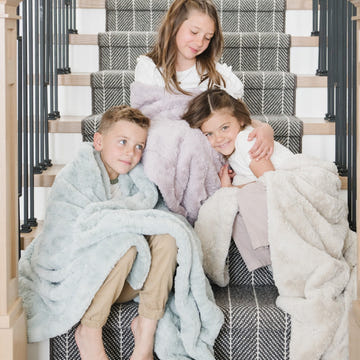
Saranoni Dream Toddler Blanket 40 x 60 Toddler Size
$85.00
Mushie Stretchy MINI Crib Sheet Organic Cotton Pre-w...
$21.00
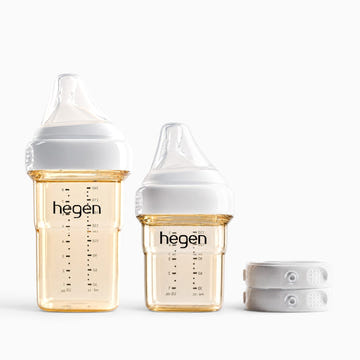
hegen PPSU Baby Bottle Starter Kit 150ml 240ml 0-6 m...
$59.99
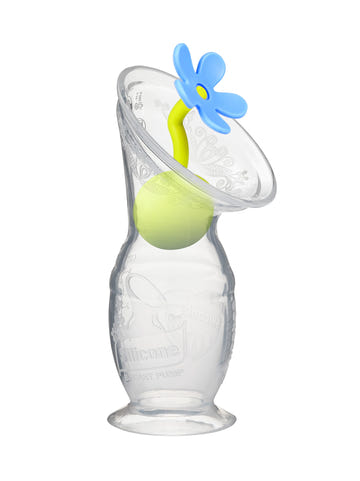
Haakaa Gen 2 Silicone Breast Pump 4 oz with Suction ...
$26.99
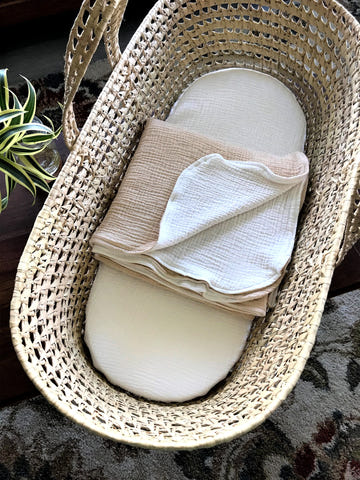
Wendy Anne Moses Basket with Organic Cotton Double G...
$299.00
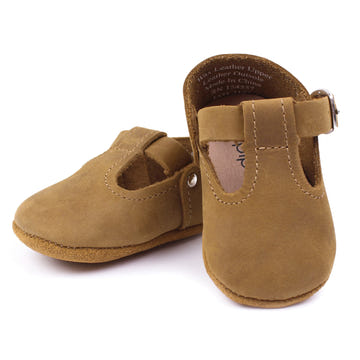
Piper finn Brown T-Strap Mary Jane Soft Sole
$21.99
Krysaliis Sterling Silver Baby Cup - Bulge Victorian
$450.00
Classic Sterling Silver Baby Spoon & Fork set by Kry...
$280.00
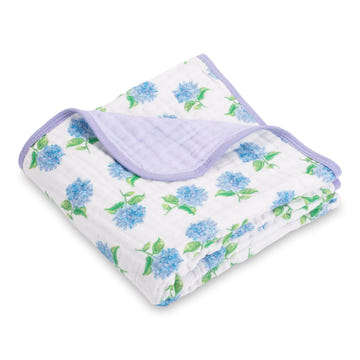
You Had Me At Hydrangea Quilt
$29.99
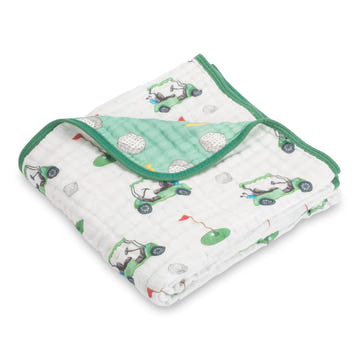
LollyBanks Golf A Round Quilt 47 x 47 inch Organic M...
$29.99