



Just when you thought your toddler was sleeping through the night—bam! They start waking up again, refusing naps, or battling bedtime. This is called a sleep regression, and while it’s frustrating, it’s also normal. Understanding the causes and strategies can help you ride out this phase with more rest and less stress.
Dr. Jenna Thompson, Pediatric Sleep Specialist: “Sleep regressions are signs of growth. They usually align with major developmental leaps that temporarily disrupt sleep patterns.”
What Is Toddler Sleep Regression?
✔️ A period when a toddler who previously slept well starts having sleep problems
✔️ Common ages: 18 months and 2 years
✔️ Can last 2 to 6 weeks

What Causes Sleep Regression?
1. Developmental Milestones
✔️ Learning to talk, walk, or assert independence can lead to restless sleep
Safe sleep, sweeter nights
Better baby sleep starts here
Take 20% off at checkout, applied automatically when you shop through this link.
Shop with MOM20 →Free US shipping over $100. Code applies automatically at checkout.
2. Separation Anxiety
✔️ Around 18–24 months, toddlers may resist being alone at night
3. Changes in Routine
✔️ Starting daycare, travel, illness, or teething can all disrupt sleep
4. Nap Transitions
✔️ Moving from two naps to one or resisting naps altogether
Picks From This Story
Picks related to this guide, ready to ship from Moogco.

Swaddelini Grey Swaddle Sleep Sack 3D Knit Seamless ...
$54.95

Swaddelini Lavender Swaddle Sleep Sack 3D knit light...
$54.95

Swaddelini Pink Swaddle Sleep Sack 3D Knit Seamless
$54.95

Swaddelini Blue Swaddle Sleep Sack 3D Knit Seamless
$54.95

Swaddelini Orange Swaddle Sleep Sack 3D Knit Seamless
$54.95

Dreamland Baby Dream Weighted Sleep Sack 1.0 TOG 68-...
$109.00
Signs of Sleep Regression
✔️ Increased night wakings
✔️ Trouble falling asleep at bedtime
✔️ Shorter or skipped naps
✔️ Early morning wake-ups
How to Handle Toddler Sleep Regression
1. Stay Consistent
✔️ Stick to the same bedtime and nap routine
✔️ Use calming rituals like a warm bath, quiet book, or lullaby
2. Offer Reassurance, Not Reinforcement
✔️ Comfort them briefly if they wake up, but avoid creating new habits like co-sleeping (unless that’s your preference)
✔️ Be gentle but firm
3. Keep Daytime Active
✔️ Make sure your toddler is getting enough stimulation and physical activity during the day
✔️ Avoid overstimulation close to bedtime
4. Limit Screen Time
✔️ No screens 1–2 hours before bedtime to protect melatonin levels
Dr. Elise Grant, Family Sleep Consultant: “During regressions, toddlers crave connection and reassurance. A steady, loving presence helps ease them back into restful sleep.”
When to Seek Help
✔️ If sleep issues persist longer than 6 weeks
✔️ If your toddler shows signs of anxiety or extreme overtiredness
✔️ Talk to your pediatrician or a certified sleep consultant
More Related Picks
A few more favorites from the same collection.

8 Sheep Organics Juniors Bedtime Lotion deep sea mag...
$23.00

Sell My Stuff Elephant Plush Baby Sleep Pillow 30 35...
$40.00

Xander Bunny — Lavender Stuffed Bunny | Weighted Cal...
$45.00
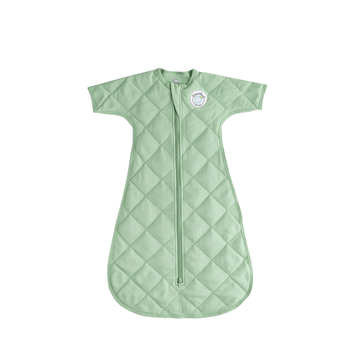
Dreamland Baby Dream Weighted Transition Swaddle arm...
$109.00

Little Martin's Drawer 100% Organic Cotton Sleep Sac...
$38.00

Full-Size Montessori Floor Bed Strong Slatted Frame
$259.99
The Role of Moogco Silver Nursing Cups
If nighttime nursing is part of your toddler’s routine, sore nipples can make sleep regressions harder. Moogco Silver Nursing Cups provide natural antibacterial relief so you can continue nursing comfortably.
📌 Find them here: Moogco Silver Nursing Cups on Amazon
Final Thoughts: This Too Shall Pass
Toddler sleep regressions can be exhausting, but they’re temporary. Stay consistent, offer comfort, and trust that your toddler’s sleep will stabilize with time and support.
🛒 Explore sleep-support tools and parent resources at Moogco Baby.
Bring this guide home with 20% off.
Use code MOM20 for 20% off →
Frequently Asked Questions
Can teething cause a toddler sleep regression at 18 months?
Yes, teething is a common trigger for sleep disruptions around 18 months when molars often come in. The discomfort can wake your toddler at night or make it harder to fall asleep. Offering appropriate pain relief and extra comfort during this time can help ease the regression.
Should I let my toddler cry it out during a sleep regression?
That depends on your parenting philosophy and what feels right for your family. During regressions, toddlers often need extra reassurance rather than sleep training. Many experts recommend offering brief comfort and connection while maintaining consistent boundaries, but every family's approach is valid.
How do I know if it's a sleep regression or a sleep association problem?
Sleep regressions are temporary and usually tied to developmental changes, lasting 2 to 6 weeks. Sleep association issues persist over time and involve needing the same condition to fall asleep every time, like rocking or nursing. If the problem continues beyond 6 weeks, it may be a habit rather than a regression.
Is it normal for my 2 year old to suddenly resist naps during a regression?
Absolutely. Nap resistance is one of the most common signs of sleep regression at age 2. Your toddler's brain is working overtime processing new skills and independence, making it hard to wind down. Keep offering quiet time even if they don't sleep, and maintain the routine to help them return to napping.
Can starting potty training trigger a toddler sleep regression?
Yes, any major change or new skill can disrupt sleep, and potty training is a big one. Your toddler may wake more often to use the potty or feel anxious about accidents. Consistency, patience, and reassurance during this transition will help their sleep stabilize again.
What's the best bedtime for a toddler going through sleep regression?
Aim for a bedtime between 7:00 and 8:00 PM, depending on when they wake in the morning. An earlier bedtime can actually help prevent overtiredness, which makes regressions worse. Watch for sleepy cues like rubbing eyes or fussiness, and adjust by 15 minute increments as needed.
Will my toddler's sleep regression affect their mood and behavior during the day?
Yes, poor sleep often leads to crankiness, clinginess, tantrums, and lower frustration tolerance. Your toddler is dealing with exhaustion on top of developmental stress. Offering extra patience, quiet activities, and earlier bedtimes can help balance their mood while the regression passes.
Can I still nurse my toddler to sleep during a regression without making it worse?
You can, but be mindful of creating new habits that may be hard to break later. If nursing to sleep works for your family and doesn't lead to frequent night wakings, it's fine to continue. Just ensure your toddler can also fall asleep with other soothing methods so you have flexibility.
From Moogco Studio
Printable and personalized nursery essentials. Designed by moms for moms.


About the Editor
Eda Ulger is the editor at Moogco Baby and a mom of two. She curates and edits our guides so every piece is honest, practical, and genuinely helpful for the early days of motherhood.
Shop This Story
Picks related to this guide, ready to ship from Moogco.

Canopy Nursery Humidifier 2.0 mold-inhibiting dishwa...
$159.00

Burt's Bees Baby Beekeeper Wearable Blanket
$24.95

100% Organic Cotton 1.0 Tog Sleeping Bag with Legs S...
$30.00
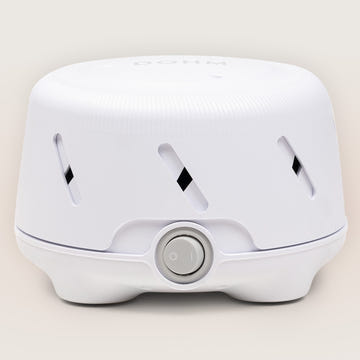
Dohm Uno
$36.99
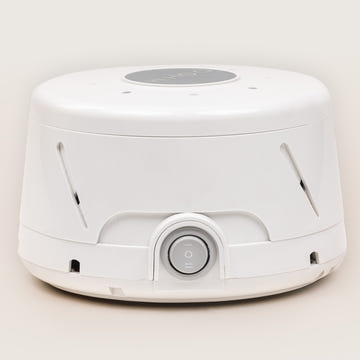
Dohm Classic
$49.99

Healthy Horizons Miracle Blanket one-size swaddle 10...
$32.95

Twin Montessori-Inspired Floor Bed with Guardrails
$199.99

WildBird Dove CloudBlend Sleep Sack TOG 1 Blue grey
$44.00

Hubble Connected Hubble Dream+ Comfort Cloud Sleep S...
$124.99
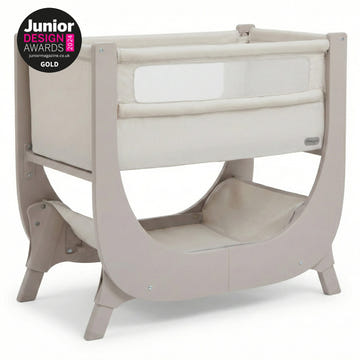
Shnuggle Air Lite Bedside Bassinet | Infant Crib | H...
$295.00