


Yes, you can absolutely use an anti-itch cream during pregnancy, but the key is choosing one with pregnancy-safe ingredients. Many creams are made specifically to calm that common itchiness from hormonal changes and stretching skin. Still, it's always smart to check in with your doctor, especially if the itching is severe or just won't quit.
Why Is My Skin So Itchy All of a Sudden?
Pregnancy brings on a whole host of amazing changes, but let's be honest—some are less than thrilling. One of the most common complaints is that persistent, sometimes maddening, itch. If you're constantly scratching your growing belly, breasts, or thighs, you are definitely not alone. It's a normal, albeit annoying, part of the journey for most expectant moms.

Understanding what's behind the itch can make it feel a lot less mysterious and help you find real relief. Your body is going through a beautiful, rapid transformation, and that process can make your skin more sensitive than ever before.
Bumps, postpartum, and back again
Maternity and nursing wear that actually fits
Take 20% off at checkout, applied automatically when you shop through this link.
Shop with MOM20 →Free US shipping over $100. Code applies automatically at checkout.
Hormones and Skin Sensitivity
From the very beginning of your pregnancy, your body is flooded with hormones like estrogen. These are crucial for your baby's development, but they can also throw your skin for a loop.
One of the biggest culprits is dehydration. Those hormonal shifts can mess with your skin's ability to hold onto moisture, leading to dryness and flaking. Dry skin is itchy skin. Its protective barrier is weakened, leaving the nerve endings underneath more exposed and easily irritated. This is why you might suddenly find yourself scratching an area that never bothered you before.
The Physical Strain of a Growing Body
Of course, the most obvious reason for itchiness is the incredible stretching your skin is doing. As your baby grows, the skin on your abdomen has to expand—a lot. The same thing happens with your breasts, hips, and thighs as your body prepares for birth and breastfeeding.
Think of it like slowly stretching a t-shirt. At first, the fabric has plenty of give, but as you keep pulling, the fibers get tight and strained. Your skin goes through a similar process. This constant tension can disrupt the skin’s connective tissues, which can trigger an inflammatory response from your body that shows up as a persistent itch. For many women, this feeling really ramps up in the second and third trimesters when the most rapid growth happens. You can learn more about all the transformations taking place in our guide on breast changes during pregnancy and what to expect.
Specific Pregnancy-Related Skin Conditions
While most itching is perfectly normal, it's good to know about a few specific conditions that can pop up. They're less common, but important to have on your radar.
- PUPPP (Pruritic Urticarial Papules and Plaques of Pregnancy): This mouthful of a name describes a condition that usually shows up in the third trimester. It looks like itchy, red bumps and hives that often start in the stretch marks on your belly. It can be incredibly uncomfortable, but the good news is it’s completely harmless to the baby.
- Cholestasis of Pregnancy: This is a more serious condition related to the liver. It causes intense itching without a rash, often on the palms of your hands and the soles of your feet. If you experience this, you need to see your doctor right away.
Getting to the root of the itch is the first step toward feeling better. While most of it is just part of the deal, knowing why it's happening helps you pick the right solutions, including a safe and effective anti-itch cream for pregnancy.
Decoding Labels for Safe Anti-Itch Cream Ingredients
Walking into the pharmacy for an anti-itch cream when you're pregnant can feel overwhelming. You’re faced with a wall of options, all promising relief, and the last thing you want to do is squint at the tiny print on the back of a tube when your skin is already driving you crazy.
But knowing just a few key ingredients can change everything. It turns that confusion into confidence, helping you pick the right product for both you and your baby.
Think of your skin's protective barrier as a sturdy brick wall. Hormonal shifts and all that stretching can create tiny gaps in the "mortar" (your skin's natural oils), leaving it vulnerable and irritated. The right ingredients work to patch up that wall, calming the itch and restoring comfort.
This infographic gives a great overview of what's often behind that maddening pregnancy itch.
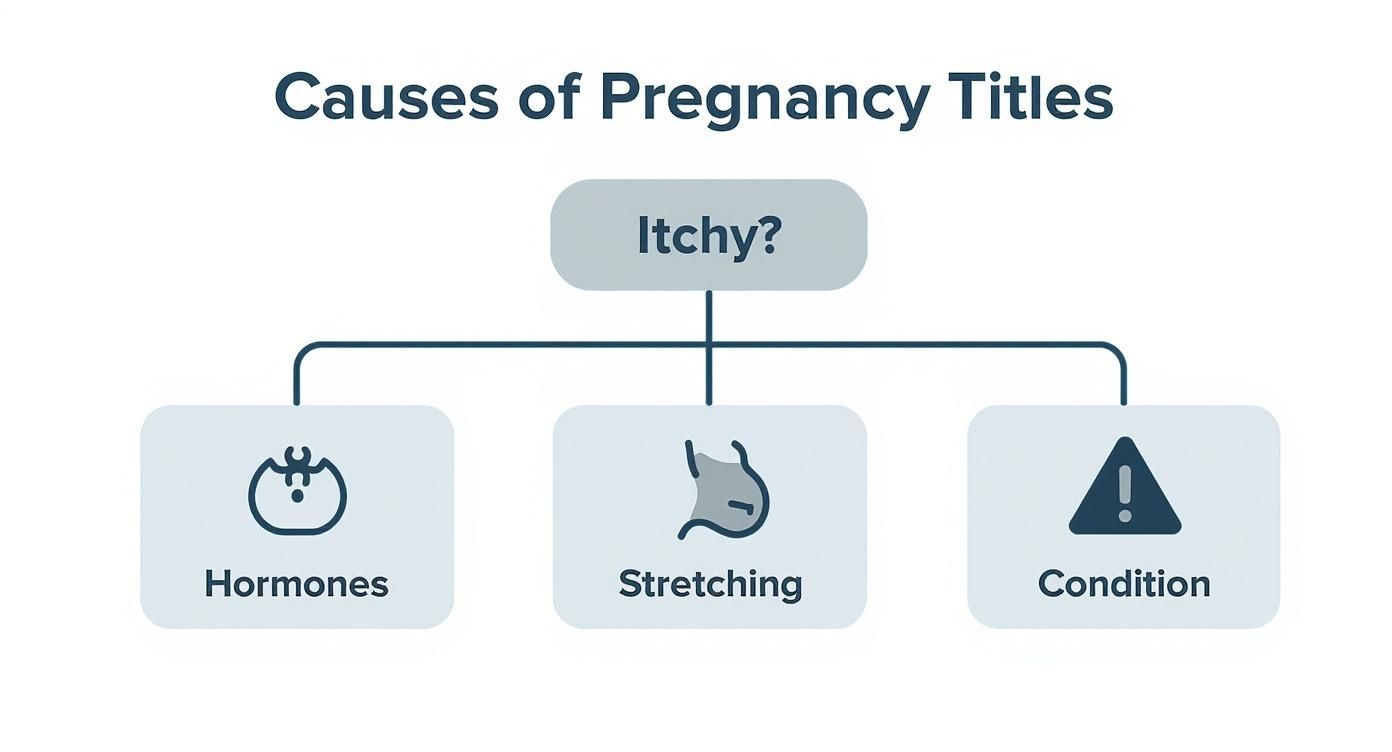
As you can see, most itching is just a normal part of the process, but sometimes it can signal a medical issue that needs a doctor's attention.
To help you get started, here's a quick reference table of ingredients that are generally considered safe and effective for tackling pregnancy-related itch.
Pregnancy-Safe Anti-Itch Ingredients at a Glance
| Ingredient | How It Helps | Best For | Usage Tip |
|---|---|---|---|
| Colloidal Oatmeal | Forms a protective barrier to lock in moisture and soothe inflammation. | General dryness, mild rashes, and all-over itchiness. | Look for it in lotions, creams, or add it to a lukewarm bath for full-body relief. |
| Calamine | Creates a cooling sensation that distracts from the itch and dries out weeping rashes. | Insect bites, heat rash, or specific itchy spots. | Shake the bottle well and apply with a cotton ball for targeted application. |
| Shea & Cocoa Butter | Deeply moisturize and improve skin elasticity with rich fatty acids. | Dry, stretched skin on the belly, hips, and breasts. | Apply generously after a shower while your skin is still damp to lock in moisture. |
| Low-Dose Hydrocortisone (0.5%-1%) | Reduces inflammation at the source for fast, temporary relief of intense itching. | Stubborn rashes or localized, severe itch that doesn't respond to other ingredients. | Use a very thin layer only on the affected area, and for no more than a week at a time. |
These ingredients are your go-to options for bringing your skin back into balance safely. Let’s take a closer look at what makes them work so well.
Gentle Giants: Soothing Ingredients
Your first line of defense should always be ingredients that are gentle, hydrating, and restorative. These are the tried-and-true heroes of skincare, perfect for calming things down without any harsh chemicals.
-
Colloidal Oatmeal: This isn’t the same stuff you eat for breakfast. It’s an ultra-fine powder that creates a soothing film over your skin. This film not only locks in moisture but also contains compounds called avenanthramides, which have fantastic anti-inflammatory properties that directly reduce redness and itching.
-
Calamine: A classic for a reason! This pink lotion is a simple mix of zinc oxide and ferric oxide. It provides an immediate cooling sensation that helps override the itch signal your nerves are sending to your brain. It also has mild antiseptic qualities, which can help if you’ve been scratching.
-
Shea Butter and Cocoa Butter: These natural fats are superstars for dry, stretched skin. They are loaded with fatty acids that fill in the cracks in your skin’s barrier, preventing moisture from escaping and improving elasticity. That tight, itchy feeling on your belly? These butters are perfect for that. And for moms preparing to breastfeed, keeping this area moisturized is key. Our guide on the best natural nipple cream has some great tips for that.
When to Consider Low-Dose Hydrocortisone
Sometimes, even the best moisturizers just can't tame a really persistent itch. In those cases, a low-dose, over-the-counter hydrocortisone cream is often what doctors recommend for short-term relief. Hydrocortisone is a mild corticosteroid that works by calming your body's inflammatory response right where the problem is.
It's completely understandable to be wary of using any kind of steroid during pregnancy. The good news is that with low-strength (0.5% to 1%) hydrocortisone, the risk is considered very low when used correctly.
The key is to apply a very thin layer only to the itchy patch of skin, and only for a short time—usually no more than a week, unless your doctor says otherwise. This approach ensures that very little of the medication is absorbed into your system.
While there's always a theoretical risk with medications in pregnancy, decades of use have shown that minimal, topical application of low-dose hydrocortisone is generally safe. Minimal absorption means minimal potential risk to your baby.
Once you know what to look for, you can scan any product label with confidence. You’ll be able to pick a cream that not only stops the itch but also nourishes your skin and gives you total peace of mind.
Picks From This Story
Picks related to this guide, ready to ship from Moogco.
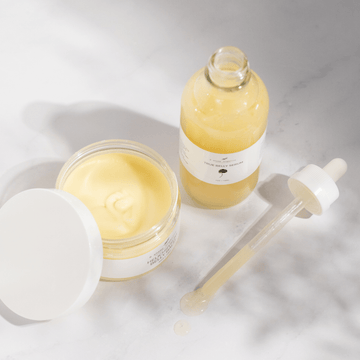
2-Step Stretch Mark Prevention Bundle
$69.00

Euphoric Herbals Menstrual Melody Tea herbal blend f...
$24.99
Lavender Life Company Cozy Lavender Neck Wrap weight...
$57.00
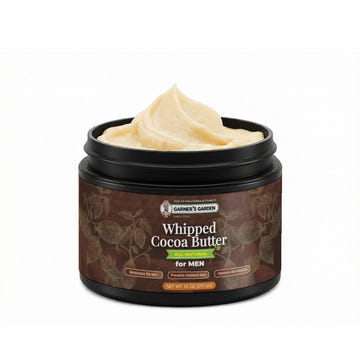
Garner's Garden Whipped Cocoa Butter Hydrating Skin ...
$12.00
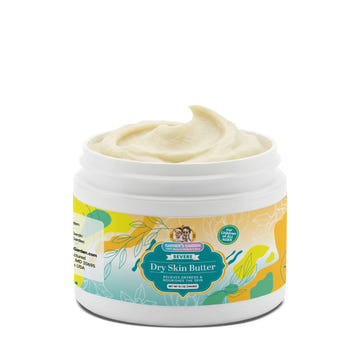
Garner's Garden Severe Dry Skin Butter for Severe Dr...
$18.00
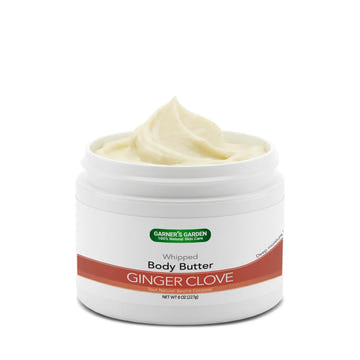
Garner's Garden Body Butter Various Essential Oils a...
$10.00
Ingredients to Approach with Caution or Avoid
Navigating skincare labels can feel like deciphering a secret code, and pregnancy adds a whole new layer of things to consider. Just like we highlighted the go-to ingredients for safe itch relief, it's just as important to know which ones to put back on the shelf until after the baby arrives. This isn't about causing alarm; it's about giving you the confidence to make the best choices for you and your little one.
So, why are certain ingredients a no-go during pregnancy? It mostly boils down to one key idea: systemic absorption. Your skin is an amazing barrier, but it's not totally impermeable. Think of it like a very fine-meshed sieve. Some smaller, more potent molecules can slip through and get into your bloodstream, which means they could potentially reach your baby.
To play it safe, there are a few key categories of ingredients you'll want to avoid in your skincare and anti-itch products.
Retinoids and Vitamin A Derivatives
Retinoids are the superstars of the anti-aging and acne-fighting world. You'll find them on ingredient lists under names like:
- Retinol
- Retin-A (tretinoin)
- Retinyl palmitate
- Adapalene
While they work wonders for many skin issues, high doses of vitamin A have been linked to birth defects. Even though the amount your body absorbs from a cream is probably small, the consensus among experts is clear: it's best to avoid retinoids completely during pregnancy. Better safe than sorry.
High-Potency Steroids
We talked about how a low-dose hydrocortisone cream (0.5% to 1%) is generally okay for a short time. Stronger, prescription-strength topical steroids are a different story. These should only ever be used when your doctor gives you the green light and supervises your use.
Because these formulas are much more potent, they have a higher chance of being absorbed into your system. Your doctor is the only one who can weigh the benefits against the potential risks for your specific situation. If they do prescribe one, follow their instructions to the letter.
Certain Antihistamines and Other Ingredients
Antihistamines are often the first thing people grab for an allergic itch. While many are fine, you need to be a little selective here. A major review of 32 studies gave some great news: it found no significant link between general antihistamine use and fetal malformations.
However, some specific ones raise a red flag. For instance, the antihistamine hydroxyzine is generally avoided because it's been linked to severe withdrawal symptoms in newborns, including seizures, when used at high doses during pregnancy. For a closer look at the data, you can read up on the safety of anti-itch medications during pregnancy.
The golden rule is simple: if you're ever unsure about an ingredient or a product, ask your doctor or pharmacist. They have your back and can give you advice tailored to your personal health history.
This mindset of checking ingredients doesn't end when the baby is born, either. Many of the same rules apply if you're breastfeeding. If you're thinking ahead, our guide on what to avoid while breastfeeding to ensure a healthy start for your baby is a great resource.
Once you know what to look for, you can scan any label with confidence and pick an anti itch cream for pregnancy that will soothe your skin without causing you a moment of worry. It's all about turning that uncertainty into empowerment.
Understanding Prescription Topical Steroids
When nothing else seems to touch that relentless pregnancy itch, your doctor might bring up a prescription-strength cream. For a lot of expectant moms, hearing the word "steroid" can be a little unnerving, especially when you're doing everything possible to protect your baby.
But it’s important to know that these topical treatments are a common, effective, and well-researched option for severe itching. Think of them not as a first-line defense, but as a powerful tool your doctor keeps in their back pocket for when your comfort truly matters. They work by directly calming the inflammation in your skin, which stops the maddening itch-scratch cycle and gives your skin a real chance to heal.
The key to using them safely is your doctor's guidance. They'll carefully select the right medication for your specific situation, making sure both you and your baby stay safe.
How Steroid Potency Works
Topical steroids aren't all the same. They're categorized by "potency," which is just a way of describing their strength. This ranges from very mild (like the hydrocortisone you can buy at the drugstore) all the way up to very potent.
Imagine potency as the volume knob on a stereo. Your doctor’s goal is to turn up the relief just enough to quiet the problem, but no louder than necessary.
During pregnancy, the golden rule is always "the lowest effective strength for the shortest possible time." Your doctor will start you on the mildest cream that can get the job done. This targeted approach is what minimizes the amount of medication absorbed by your body, and it's the foundation of their safe use while you're expecting.
Reassuring Research on Safety
It's natural to question any medication during pregnancy. The good news is that topical steroids have been studied extensively, giving us a lot of reassuring data.
In fact, about 6% of pregnant women are prescribed these creams for various skin conditions. A massive observational study that looked at over 1.6 million pregnancies found no significant connection between a mother's use of topical steroids and negative outcomes.
This means researchers found no increased risk for things like congenital abnormalities, low birth weight, or preterm delivery, even when they accounted for different steroid potencies. This gives us strong evidence that when they're used correctly, these creams are a safe way to find relief. You can read more about how topical creams can be used safely for healthy babies.
This solid scientific backing confirms what doctors see in practice every day: a carefully chosen prescription steroid can bring you much-needed comfort without putting your baby’s health at risk. The ultimate goal is to improve your quality of life so you can focus on enjoying your pregnancy.
Following Your Doctor’s Instructions Is Key
The most important thing you can do is trust your doctor's expertise and follow their instructions to the letter. They are weighing all the factors to find the safest, most effective solution just for you.
- Apply a Thin Layer: You only need a small dab, just enough to thinly cover the itchy area. Using more won't make it work better or faster.
- Target the Right Spot: Apply the cream only to the patches of skin that are bothering you, not all over.
- Stick to the Schedule: Use it exactly as often as prescribed. Don't skip applications or add extra ones.
- Know When to Stop: Your doctor will tell you how long to use the cream. Be sure to stop when they advise.
By sticking to these guidelines, you're using the medication precisely how it was studied and proven to be safe. It’s a team effort between you and your doctor. If you don't see improvement or have any new concerns, don't hesitate to give them a call.
Natural and Lifestyle Remedies for Soothing Itchy Skin
While a good, pregnancy-safe anti-itch cream offers direct relief, sometimes the best solutions are the ones you build into your everyday life. Tweaking your daily routine can make a huge difference in calming your skin down and supporting its health from the inside out. Think of these simple adjustments as a supportive foundation for any topical treatments you’re using.

Imagine your skin is a delicate fabric. To keep it from fraying, it needs gentle handling, the right environment, and plenty of moisture. Making small, consistent changes can soothe irritation before it even has a chance to flare up.
Adjust Your Daily Habits
You'd be surprised how much a few simple tweaks can improve your skin's comfort. The main idea is to avoid anything that strips away your skin's natural moisture or causes unnecessary friction.
-
Cool Down Your Showers: I know a long, hot shower can feel like heaven, but it’s one of the biggest offenders for dry, itchy skin. Hot water washes away your skin's protective oils, leaving it exposed and irritated. Stick to lukewarm water and try to keep your showers on the shorter side.
-
Choose Breathable Fabrics: Tight clothing, especially synthetics like polyester, traps heat and sweat against your skin—a perfect recipe for an itchy rash. Do your skin a favor and switch to loose, soft, natural fabrics like cotton or linen. Let it breathe!
-
Stay Hydrated: This one is simple but crucial. Drinking plenty of water helps keep your skin plump and resilient. Hydration is key to maintaining your skin’s elasticity, which is working overtime as your body grows.
Harness the Power of Soothing Treatments
When the itchiness really kicks in, a few at-home treatments can offer immediate, gentle relief without reaching for a medicated cream.
One of my go-to recommendations is a classic oatmeal bath. Colloidal oatmeal (which is just very finely ground oats) dissolves in the water and creates a soothing, milky barrier on your skin. This helps calm inflammation and seal in moisture. Just add a cup to a lukewarm bath and soak for 15-20 minutes.
Another fantastic and simple tool is a cold compress. Just apply a cool, damp washcloth to an itchy spot for 10-15 minutes. It helps numb the area and reduce inflammation, giving you fast relief without any products at all.
Running a humidifier in your bedroom at night can also work wonders. It adds moisture back into the air, preventing your skin from drying out while you sleep—a lifesaver in dry climates or during the winter.
These habits are great for your skin long after pregnancy, too. For more tips on keeping your skin happy, check out our guide on breastfeeding and skin care to keep your skin healthy. By bringing these small changes into your routine, you’re building a holistic approach to managing that itch from all angles.
More Related Picks
A few more favorites from the same collection.
Organic Lip Balm
$4.00
Therapeutic-Quality Essential Oil Room Spray - Harmony
$19.00

Lavender Comfort Neck Wrap
$58.50
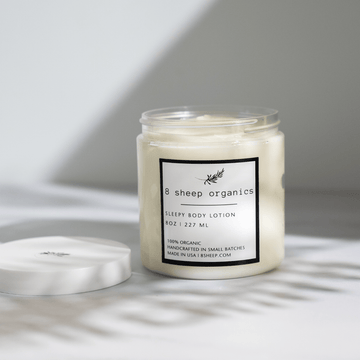
8 Sheep Organics Organic Sleepy Body Lotion for Preg...
$29.00
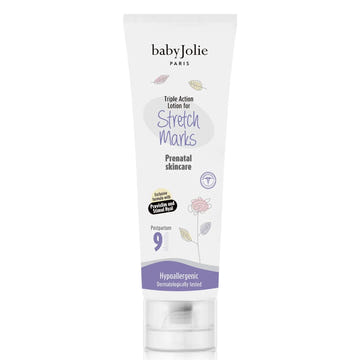
Baby Jolie Paris Triple Action Stretch Marks Cream 7...
$29.99
Health Ranger Store Organic Turmeric Gold Liquid Ext...
$26.95
When to Call Your Doctor About Pregnancy Itching
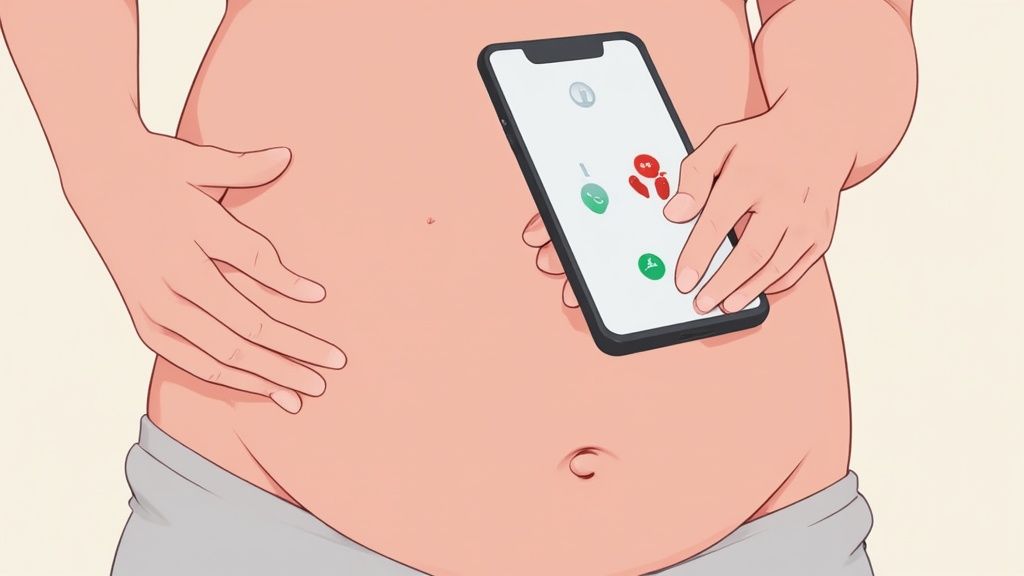
While a good anti itch cream for pregnancy can work wonders on most skin irritation, it's crucial to know that not all itching is created equal. Most of the time, it's just a harmless (though incredibly annoying) part of the pregnancy journey, thanks to hormones and stretching skin.
But sometimes, intense itching can be your body’s way of waving a red flag that something more serious is going on.
Your instincts are one of your most powerful tools during pregnancy. If an itch feels different, unusually severe, or just won't quit no matter what you try, picking up the phone to call your doctor is always the right move. It’s the surest way to get peace of mind and keep you and your baby safe.
Recognizing Red Flag Symptoms
Certain symptoms are more than just an annoyance—they warrant an immediate call to your healthcare provider. The biggest concern here is a liver condition called intrahepatic cholestasis of pregnancy (ICP). This condition usually pops up in the third trimester and absolutely needs to be managed by a doctor.
The tell-tale sign of cholestasis is an intense, maddening itch, but without any visible rash. It often concentrates on the palms of your hands and the soles of your feet and has a nasty habit of getting much worse at night.
Trust your body’s signals. A mild, stretchy belly itch is one thing. An unrelenting, severe itch that robs you of sleep—especially if it’s on your hands and feet—is your cue to seek medical advice right away.
When to Make the Call
Never hesitate to get in touch with your doctor or midwife if you notice any of the following. It’s always better to be overly cautious than to sit at home and worry.
- Intense Itching on Hands and Feet: This is the classic calling card of cholestasis and should never be brushed off.
- Itching Spreads All Over: The itch isn't just on your bump anymore; it's become widespread and severe all over your body.
- Symptoms Worsen at Night: If the itching ramps up significantly after the sun goes down, that's a potential red flag.
- Itching Comes with Other Symptoms: Be on the lookout for other warning signs like dark-colored urine, pale or light-colored bowel movements, extreme fatigue, or any yellowing of your skin or eyes (jaundice).
- Your Cream Isn't Working: You’ve been diligent with safe creams and home remedies, but a persistent, severe itch isn't getting any better.
Answering Your Questions About Pregnancy Itch Creams
As you get closer to your due date and start thinking about life postpartum, you probably have a few lingering questions about dealing with itchy skin. It’s completely normal! Getting clear, simple answers is the best way to feel confident and comfortable in your own skin.
Let's dive into some of the most common questions we hear from expecting and new moms. Think of this as your go-to guide for handling that itch safely, both now and after your little one arrives.
How Often Can I Use Anti Itch Cream?
When that pregnancy itch feels relentless, it’s natural to wonder if you can apply cream every single day. For most gentle, soothing creams—the ones packed with things like colloidal oatmeal, shea butter, or calamine—the answer is yes. Daily use is not only safe but often recommended to keep your skin hydrated and prevent dryness from making the itch worse.
But if you're reaching for a low-dose (0.5% to 1%) hydrocortisone cream, the approach needs to be a bit different. This kind of anti itch cream for pregnancy is best used sparingly.
Think of hydrocortisone as a targeted treatment for flare-ups, not your daily go-to moisturizer. You only need a thin layer on the itchy spot, and it’s best to limit use to a week at most, unless your doctor tells you otherwise. Overdoing it can thin the skin over time.
Can I Use These Creams While Breastfeeding?
Great question. For the most part, yes! Most of the gentle, moisturizing ingredients that are safe during pregnancy are also perfectly fine to use while breastfeeding. Your skin simply doesn't absorb enough of things like calamine or oatmeal to have any effect on your breast milk.
The real trick is just making sure your baby doesn't get a mouthful of cream.
- Time it right: Try to apply creams right after a nursing session. This gives the product the most time to soak in before your baby is hungry again.
- Wipe before feeding: If you've applied cream to your breasts or nipples, just gently wipe the area with a warm, damp cloth before your baby latches.
- Stick to the safe list: Continue to steer clear of the same ingredients you avoided during pregnancy, like retinoids or high-strength steroids, unless you get the okay from your doctor.
Taking care of your skin is just as important after the baby arrives. For more on this, check out our guide to nipple care during breastfeeding.
What Is the Difference Between Calamine and Hydrocortisone?
It's so easy to mix these two up, but they tackle itching in completely different ways. Knowing which one to grab really depends on what's causing your discomfort.
Think of an itch as a fire alarm going off. Calamine lotion is like a distraction—it doesn't turn off the alarm, but it makes the noise less bothersome. It’s a simple blend of zinc oxide and ferric oxide that creates a cooling sensation on your skin. That cool feeling overrides the itch signals your nerves are sending to your brain, giving you some much-needed relief from things like bug bites or a mild heat rash.
Hydrocortisone, on the other hand, actually goes to the source and puts out the fire. It's a mild corticosteroid, which means it works by actively tamping down the inflammation that’s causing the itch in the first place. This makes it far more effective for skin issues like eczema or allergic reactions, but as a medicated cream, it needs to be used with a bit more caution.
At MoogCo, we believe that care during pregnancy and postpartum should be gentle and effective. Our Original Silver Nursing Cups provide a natural, chemical-free way to soothe and protect sensitive skin, offering comfort without the need for creams or lotions. You can find a simpler way to care for yourself at https://www.amazon.com/Nipple-Shields-Nursing-Newborn-Essentials/dp/B08VKRMXGZ.
Bring this guide home with 20% off.
Use code MOM20 for 20% off →
Frequently Asked Questions
Is it safe to use anti-itch cream on my belly where I'll have a C-section incision?
It's best to avoid applying any creams directly on or near a planned incision site without your doctor's approval. Once you've had your C-section, keep the area clean and dry as it heals. After your healthcare provider gives you the all-clear (usually a few weeks post-surgery), you can gently moisturize the surrounding skin if it feels itchy or tight during recovery.
Can I use anti-itch cream on my breasts if they're itchy during pregnancy?
Absolutely! Your breasts go through a lot of changes and stretching during pregnancy, which can definitely cause itchiness. Choose a gentle, pregnancy-safe cream with colloidal oatmeal or shea butter and apply it just as you would on your belly. Just avoid getting cream directly on your nipples if you're close to your due date, since babies are sensitive to tastes and scents.
What should I do if the itching gets worse at night?
Nighttime itching is incredibly common because your body temperature rises slightly when you're lying down, which can make the itch feel more intense. Try keeping your bedroom cool, wear loose cotton pajamas, and apply your anti-itch cream right before bed. You can also keep a bottle of calamine lotion on your nightstand for quick relief if you wake up scratching.
Are natural or homemade anti-itch remedies safe during pregnancy?
Many natural remedies like coconut oil, aloe vera gel, or an oatmeal bath can be wonderfully soothing and are generally safe. However, be cautious with essential oils, as some aren't recommended during pregnancy. Stick with simple, single-ingredient natural products, and if you're considering something more complex or herbal, run it by your doctor first just to be safe.
Can I use anti-itch cream if I have a rash along with the itching?
If you've developed a rash, it's a good idea to check in with your healthcare provider before applying anything new. Some rashes, like PUPPP, respond well to gentle anti-itch creams and cool compresses. Others might need a specific treatment. Your doctor can take a look and recommend the best course of action based on what's going on with your skin.
How can I tell if my itching is just normal pregnancy skin or something more serious?
Most pregnancy itching is mild to moderate, comes and goes, and responds well to moisturizer or anti-itch cream. If your itching is severe, keeps you up at night, appears suddenly without a rash (especially on your palms and feet), or comes with yellowing skin or dark urine, contact your doctor right away. These can be signs of cholestasis of pregnancy, which needs medical attention.
Will anti-itch cream help prevent stretch marks from forming?
Anti-itch creams are designed to relieve itching, not prevent stretch marks, though keeping your skin well-moisturized can definitely help with comfort and elasticity. Stretch marks are largely determined by genetics and how quickly your skin stretches. That said, using rich butters and staying hydrated supports your skin's overall health, which is always a good thing as your body grows and changes.
Is it okay to use anti-itch cream on my hands and feet during pregnancy?
Yes, you can safely use anti-itch cream on your hands and feet if they're feeling dry or irritated. However, if you're experiencing intense itching specifically on your palms and soles without any visible rash, that's worth mentioning to your doctor. This type of itching can sometimes be linked to cholestasis of pregnancy, which is a liver condition that needs monitoring.
From Moogco Studio
Printable and personalized nursery essentials. Designed by moms for moms.


About the Editor
Eda Ulger is the editor at Moogco Baby and a mom of two. She curates and edits our guides so every piece is honest, practical, and genuinely helpful for the early days of motherhood.
Shop This Story
Picks related to this guide, ready to ship from Moogco.

Sunflower Motherhood Great Mom Candle Lavender 9oz Soy
$24.00
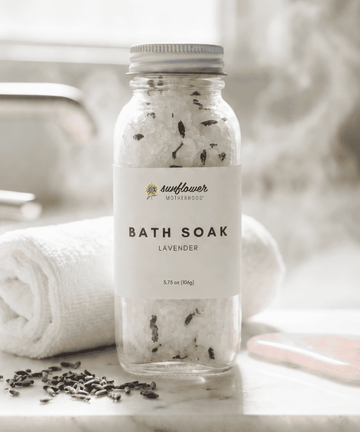
Sunflower Motherhood Bath Soak 3.75 oz Lavender Epso...
$8.00
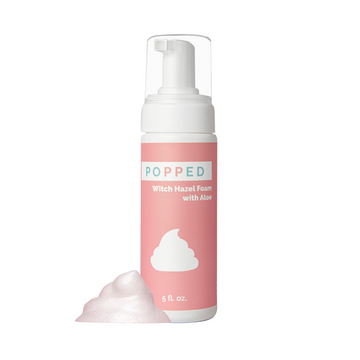
Popped Witch Hazel Foam with Aloe 5 fl oz Postpartum...
$12.99
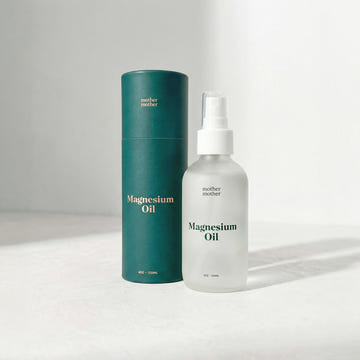
Mother Mother Magnesium Oil Spray 4 oz glass bottle
$34.00
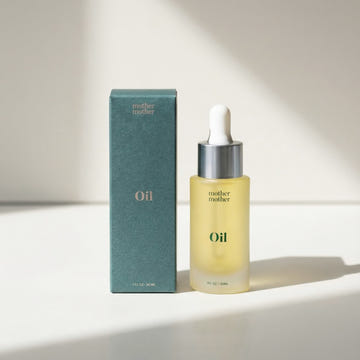
Mother Mother Face + Belly Oil 1 oz glass dropper bo...
$36.00
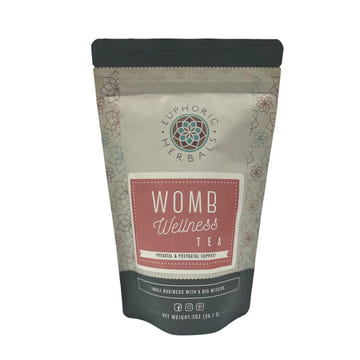
Euphoric Herbals Womb Wellness Prenatal Tea Organic ...
$24.99
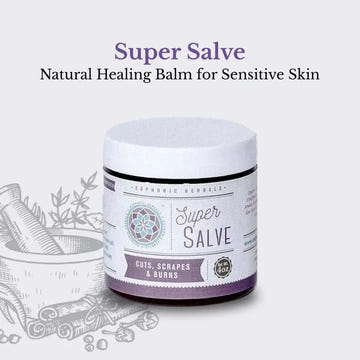
Euphoric Herbals Super Salve Nursing Salve no essent...
$10.00
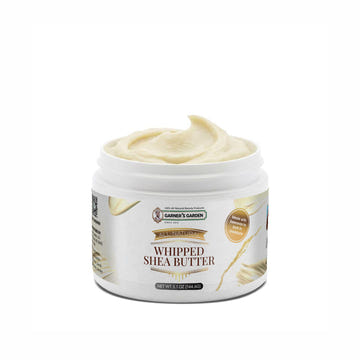
Garner's Garden Whipped Shea Butter Organic with Bee...
$18.00

Coconut + Honey Hair Masque | Leave-In Hair Masque
$25.00
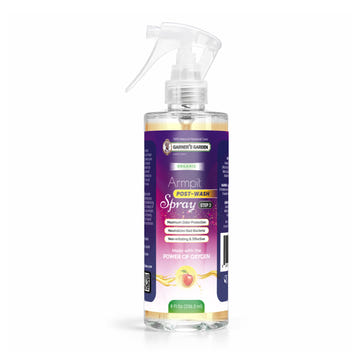
Garner's Garden Armpit Post Wash Spray Organic ACV Prep
$13.00