


How to Store Breast Milk at Work: Fridge, Cooler, and Commute Rules (2026)
Figuring out how to store breast milk at work is one of those things nobody really prepares you for until you are standing in a break room, pump bag in hand, wondering if the office fridge is even safe to use. We have been there too. Whether you are heading back after maternity leave or just settling into a pumping routine, getting your milk storage system right means one less thing to stress about during an already full day. This guide covers everything: the 4-4-4 rule, insulated cooler options, labeling, shared fridge etiquette, commute handling, and what to do when milk sits out longer than it should.
The 4-4-4 Rule: Your Foundation for Storing Breast Milk at Work
The 4-4-4 rule is the simplest framework to keep in your back pocket. It is widely referenced by lactation consultants and health organizations, and it gives you a clear mental shortcut on any given workday.
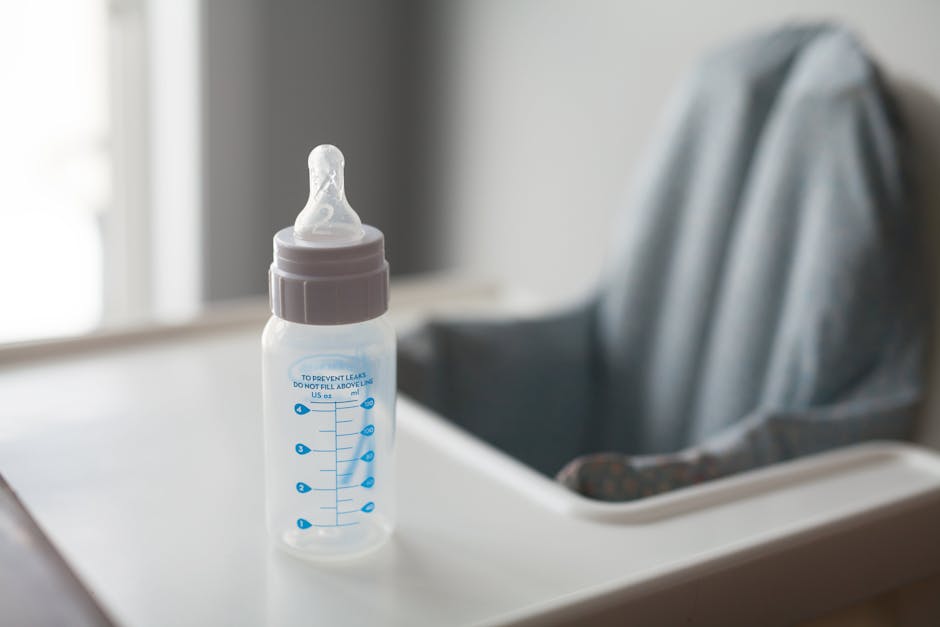
- 4 hours at room temperature (up to 77 degrees F or 25 degrees C)
- 4 days in the refrigerator (at or below 40 degrees F or 4 degrees C)
- 4 months in a standard freezer compartment (6 months or more in a deep freezer)
For most working moms, the first two numbers matter most during the day. If your office is warm or you work in a space without reliable air conditioning, aim to refrigerate your milk within 3 to 4 hours of pumping rather than waiting until the end of your shift. Research published in peer-reviewed lactation journals consistently shows that freshly expressed milk stored at room temperature begins to see increased bacterial growth after the 4-hour mark, so treating that window as a firm boundary rather than a loose suggestion is the safest approach.
One important note: the 4-4-4 rule applies to fresh milk. Once you thaw frozen milk, it should be used within 24 hours and should never be refrozen.
Try Moogco Silver Nursing Cups - natural breastfeeding comfort
Shop NowHow to Store Breast Milk at Work Using the Office Fridge
The office refrigerator is almost always your best option for keeping milk safe throughout the workday. Here is how to use it well.
Placement Inside the Fridge
Store your milk at the back of the fridge rather than in the door. Door shelves experience temperature fluctuations every time someone opens the refrigerator, which can compromise your milk faster than you would expect. The back of a middle or lower shelf tends to stay the coldest and most consistent.
Containers That Work Best
Food-grade hard-sided storage containers or specially designed breast milk storage bags both work well. Make sure whatever you use is BPA-free and has a secure, leakproof seal. If you are using bags, consider placing them inside a larger zip-close bag or a small container to protect them from punctures and to keep everything contained if a bag leaks.
Temperature Check
If you have any doubt about whether the office fridge runs cold enough, keep a small inexpensive thermometer in there for a day or two. The safe zone is 40 degrees F (4 degrees C) or colder. If the fridge consistently runs warmer than that, you may need to rely on an insulated cooler with ice packs instead.
If you are finding the pumping process itself is leaving you uncomfortable, you might also want to check out our resource on sore nipples from pumping for tips that can make each session easier on your body.
Picks From This Story
Picks related to this guide, ready to ship from Moogco.
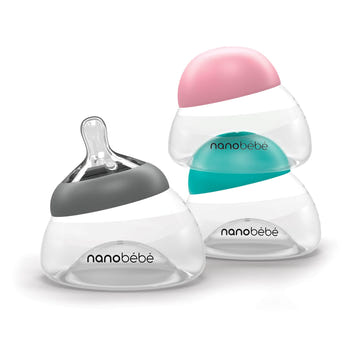
Nanobébé Breastmilk Baby Bottle 5 oz Pack Options Pi...
$16.99
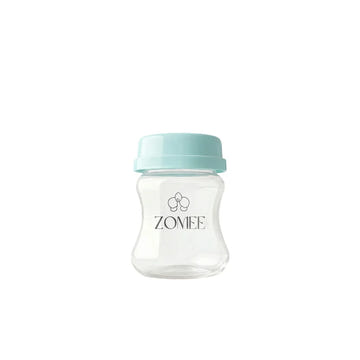
Zomee Breast Pumps Breast Milk Storage Bottles BPA-free
$3.99
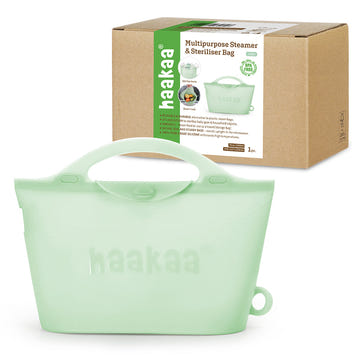
Haakaa Multipurpose Steamer & Sterilizer Bag 3 sizes...
$14.99

Mila's Keeper Silicone Breast Milk Bottle 6 oz Stand...
$36.00
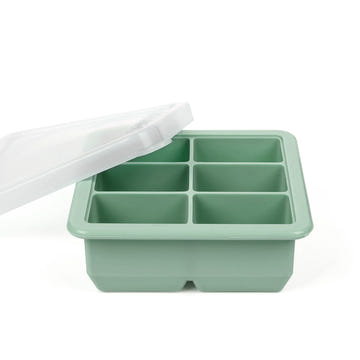
Haakaa Baby Freezer Tray Silicone 4 6 9 Compartment ...
$17.43
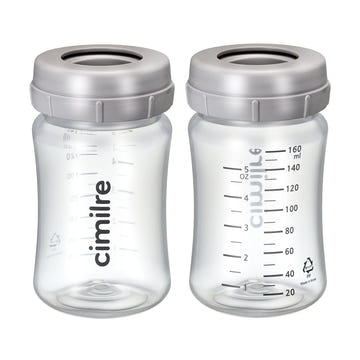
Cimilre Breast Pumps Storage Bottle Set 5 oz 2-Pack
$11.99
Insulated Cooler with Ice Packs: The 24-Hour Option
Not every workplace has a reliable fridge, and some jobs involve moving between locations throughout the day. That is where a quality insulated cooler bag comes in. According to CDC guidance and lactation health recommendations, freshly expressed breast milk can remain safely stored in an insulated cooler bag with ice packs for up to 24 hours.
What Makes a Cooler Setup Work
- Ice packs: Use frozen ice packs rather than loose ice. Loose ice melts and creates water that can seep into storage bags and compromise labels. Frozen gel ice packs hold their temperature longer and stay cleaner.
- Insulation quality: A well-insulated bag keeps temps consistent. Look for bags with thick walls and a secure zip closure. Soft-sided coolers designed for food transport work well.
- Keep it closed: Every time you open the cooler, cold air escapes. If you pump multiple times during the day, consider a bag with an exterior pocket where you can stash supplies so you are not digging around inside the cooler between sessions.
Cooler vs. Fridge: Which Should You Choose?
If you have access to a safe, properly functioning fridge, use it. The fridge keeps milk colder and more consistently than most coolers. The cooler is your backup plan or your commute solution, not a replacement for refrigeration when refrigeration is available.
Quick Reference: Breast Milk Storage at Work
| Storage Location | Max Safe Time | Temperature |
|---|---|---|
| Room temperature | Up to 4 hours | Up to 77 degrees F |
| Insulated cooler with ice packs | Up to 24 hours | Keep ice packs frozen |
| Office refrigerator | Up to 4 days | 40 degrees F or below |
| Home freezer | Up to 4 months | 0 degrees F or below |
Labeling Your Milk the Right Way
Labeling is one of those small steps that saves enormous headaches later. A bag of milk without a label is a mystery. A bag with the right information on it is a gift to your future self, your partner, and anyone helping with feedings.
What to Write on Every Bag or Container
- Date and time pumped: This lets you use the oldest milk first and know exactly when something needs to be used by.
- Your name: Essential in a shared work fridge. If another employee accidentally grabs your milk thinking it is their lunch, that is a problem for everyone.
- Volume (optional but helpful): Noting the ounces means caregivers know exactly how much is available without opening the container.
Best Labeling Materials
Write directly on storage bags using a permanent marker before filling them. Labels added to the outside of a full bag can slide off when wet or cold. If you use hard-sided containers, a strip of masking tape plus a permanent marker works well. Pre-printed water-resistant label stickers designed for milk storage are also widely available and hold up better in cold and wet conditions than paper labels.
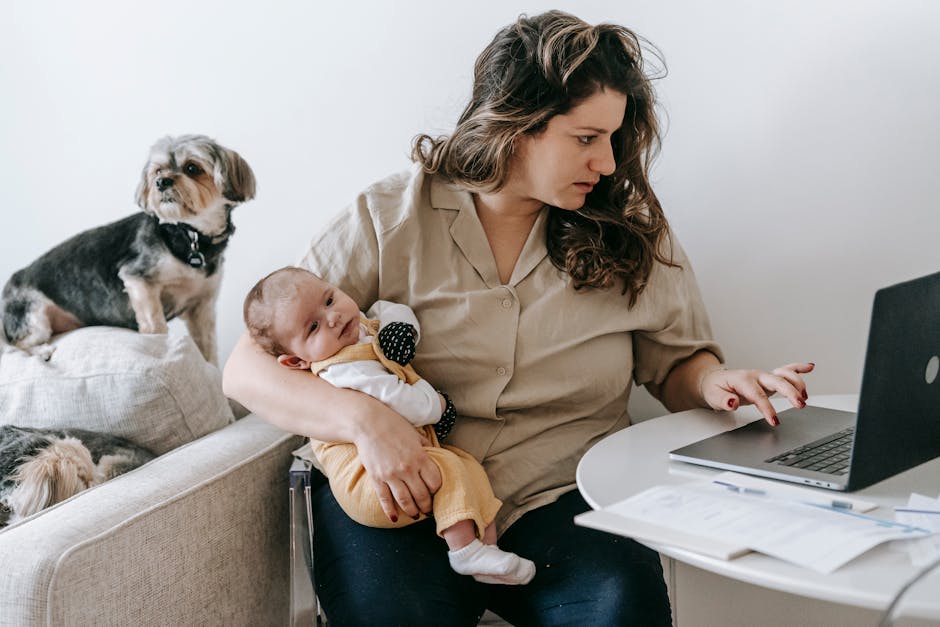
Shared Office Fridge Etiquette
Pumping at work is a legal right in the United States, and storing your milk in a shared refrigerator is a completely reasonable expectation. That said, being thoughtful about how you share that space goes a long way toward keeping things comfortable for everyone.
Keep Your Milk Contained
Place all of your milk containers or bags inside a clearly labeled, opaque bag or small lunch box before putting them in the fridge. This does two things: it keeps your milk private and protected, and it signals to coworkers that the items belong to someone specifically. A simple label on the outside bag with your name and a note like "breast milk, please do not touch" is direct without being awkward.
Claim Only the Space You Need
Workplace fridges are often crowded. Try to consolidate your storage into the smallest footprint possible. Stacking flat-frozen bags vertically in a container, or using slim storage bags instead of bulky bottles during the workday, keeps things tidy and reduces friction.
Communicate Early if Needed
If your workplace does not have a clear policy around breast milk storage, it can be worth a brief conversation with HR or a manager before you return from leave. Many companies have policies that simply have not been communicated widely. Knowing the rules in advance means no awkward moments later.
Get 15% off Moogco breastfeeding essentials, including silver nursing cups and breast pads.
Use code PUMP15 at checkoutMore Related Picks
A few more favorites from the same collection.
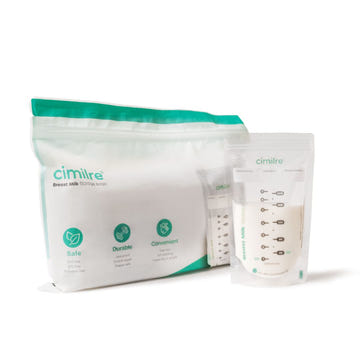
Cimilre Breast Pumps Breast Milk Storage Bags 7oz Pa...
$16.99
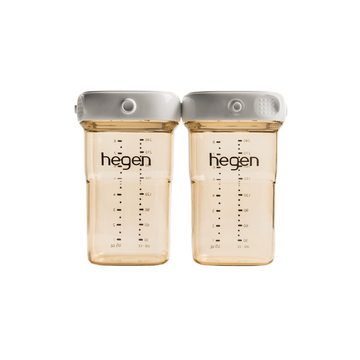
hegen PPSU Breast Milk Storage Containers 240ml 2-Pack
$30.99
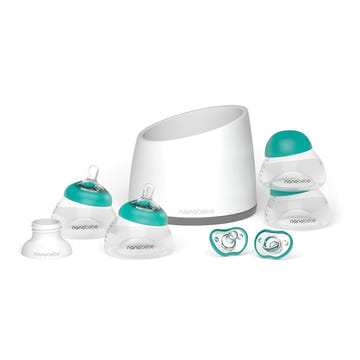
Nanobébé Breastmilk Bottle Starter Set 5 oz 4-pack w...
$39.99
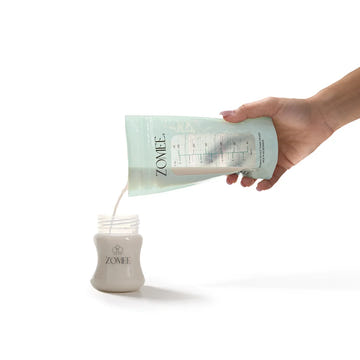
Zomee Breast Pumps Milk Storage Bags 8oz Double-Zip ...
$8.99
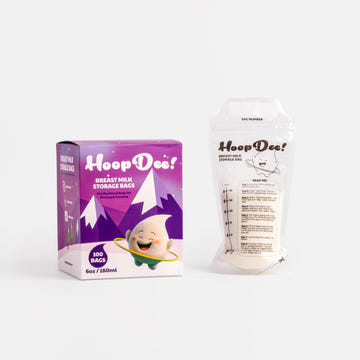
HoopDee Breast Milk Storage Freezer Bags 6oz (180ml)...
$14.99
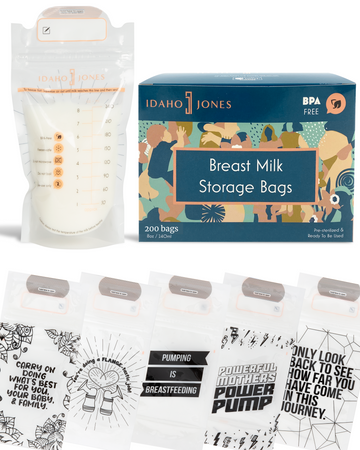
Milk Storage Bags - Breast Milk Pouches
$15.99
Commute Handling: Getting Breast Milk Home Safely
The commute home is often the part of the day that gets the least planning and causes the most anxiety. Here is how to handle it without worrying the entire drive or ride.
Move Milk from Fridge to Cooler Right Before You Leave
If your milk has been refrigerated all day, transfer it to your insulated cooler with fresh ice packs right before you walk out the door. Cold milk placed in a well-insulated bag with frozen ice packs will stay safely cold for the length of almost any commute.
Keep the Cooler Away from Heat
In warmer months, avoid placing your cooler in a hot car trunk or leaving it in direct sunlight. The back seat floor or a shaded area of the car is better. If you commute by public transit, keep the bag close to you rather than in an overhead bin where temperatures can vary.
Timing and Prioritizing
As soon as you arrive home, refrigerate or freeze your milk. Do not leave it sitting on the counter while you do other things. Even if it still feels cold from the commute, getting it into the fridge promptly protects the full storage window you have available.
For a deeper look at managing everything from pumping schedules to workplace rights, our complete pumping at work guide walks you through every step of the process.
Try Moogco Silver Nursing Cups - natural breastfeeding comfort
Shop NowWhat to Do When Milk Sat Out Too Long
It happens. A meeting runs long, a session gets interrupted, or you simply forget to move a bottle to the fridge. Here is how to handle it without spiraling.
The Honest Assessment
- Under 4 hours at room temperature: Milk is still safe. Refrigerate or use it right away.
- Between 4 and 6 hours at room temperature: This is a judgment call. If the room was cool (under 70 degrees F), some guidelines suggest it may still be usable, but many lactation consultants recommend discarding milk past the 4-hour mark to err on the side of safety.
- Over 6 hours at room temperature: Discard it. Bacterial growth at this stage is significant enough that feeding this milk to your baby is not worth the risk.
How to Tell if Milk Has Turned
Breast milk naturally separates into layers and may look streaky or slightly blue-tinged. That is normal. Milk that has gone bad typically has a sour or rancid smell that is noticeably different from fresh milk. If you are unsure, give it a gentle swirl and a sniff. Your instincts are usually right.
Give Yourself Grace
Losing a bag of milk you worked hard to pump is genuinely disappointing. But it does not reflect on your ability to feed your baby or manage this journey. One discarded bag is not a supply crisis. Take a breath, adjust your routine if needed, and keep going. You are doing something incredibly valuable for your child.

Frequently Asked Questions
Can I leave breast milk in the office fridge overnight?
Yes, as long as the fridge stays at or below 40 degrees F (4 degrees C). Freshly expressed breast milk is safe in the refrigerator for up to 4 days. If you accidentally leave milk at the office over the weekend and it has been refrigerated the entire time, it may still be safe on Monday if the full 4-day window has not passed. Always check the label date and do a smell check before using.
Do I need to wash my pump parts between sessions at work?
The CDC advises washing pump parts thoroughly after each use. However, if washing between sessions is not practical at your workplace, you can store pump parts in a clean, sealed bag in the refrigerator between sessions and wash them thoroughly when you get home. Rinse them first if possible. This is a commonly used approach among working moms, though washing after each session remains the gold standard.
How long can breast milk stay in an insulated cooler at work?
Freshly expressed breast milk can stay safely stored in an insulated cooler bag with fully frozen ice packs for up to 24 hours. This makes the cooler a reliable option for workdays when you do not have access to a safe refrigerator, or as a transport solution for the commute home. Once you arrive home, move the milk to the refrigerator or freezer promptly.
Is my employer required to provide a place to store breast milk at work?
In the United States, the PUMP for Nursing Mothers Act, which was strengthened in recent years and remains in effect in 2026, requires most employers to provide reasonable break time and a private space (not a bathroom) for pumping. Storage requirements can vary by state and employer size. Many employers do provide access to a shared refrigerator, but if yours does not, an insulated cooler bag is a fully effective alternative you can bring yourself.
Can I combine breast milk pumped at different times?
Yes, you can combine milk from different pumping sessions, with one important rule: cool each batch in the fridge before combining. Never add warm, freshly pumped milk directly to cold or refrigerated milk, as this raises the temperature of the already-cooled milk. Once both batches are cold, you can combine them in a single container. Label the combined batch with the date and time of the earliest session.
You Have Got This, Mama
Learning how to store breast milk at work takes a little planning upfront, but once you have your system in place, it becomes second nature. Keep the 4-4-4 rule in your mental toolkit, label everything, treat the office fridge with a little strategy, and give your commute routine the same thought you give the rest of your day. Small habits add up to big confidence.
At Moogco Baby, we are moms too. We know how much thought and energy goes into every pumping session, and we want to make the rest of breastfeeding as comfortable and worry-free as possible. From 999 fine silver nursing cups that support nipple health naturally to soft breast pads built for real days, we are here with you through all of it. Less worry. More wonder.
Try Moogco Silver Nursing Cups - natural breastfeeding comfort
Shop NowAbout the Editor
Eda Ulger is the editor at Moogco Baby and a mom of two. She curates and edits our guides so every piece is honest, practical, and genuinely helpful for the early days of motherhood.
Shop This Story
Picks related to this guide, ready to ship from Moogco.
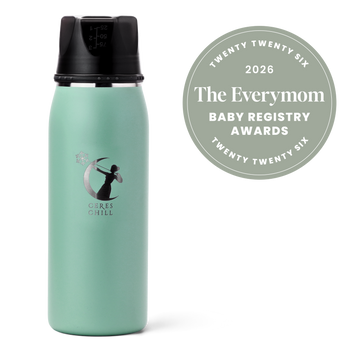
Ceres Chill OG+ Chiller Warmer 28oz Breastmilk Chiller
$68.98
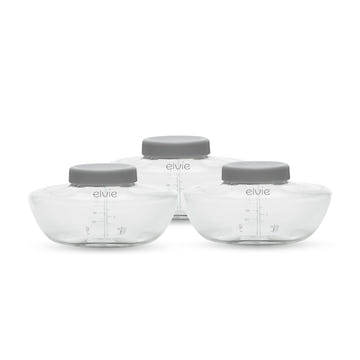
Healthy Horizons Elvie Pump Bottles 3 Pack 150 ml BP...
$34.99
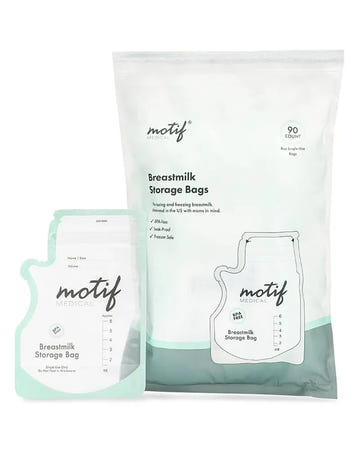
LL Medico Motif Milk Storage Bags 6 oz Self-Standing...
$8.99
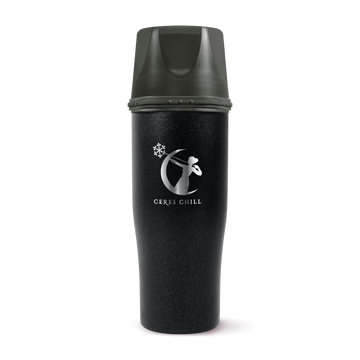
Ceres Chill Demigoddess Mini Chiller Warmer 12oz 16-...
$49.68
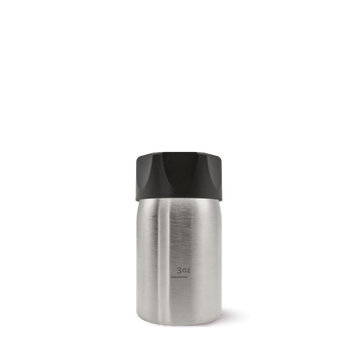
Ceres Chill 6oz Inner Chamber Daycare-Friendly Baby ...
$10.95
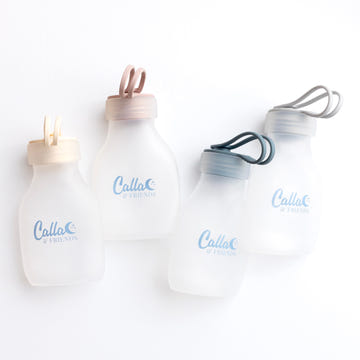
Calla and Friends Nourishing Nibbler Reusable Milk &...
$40.00
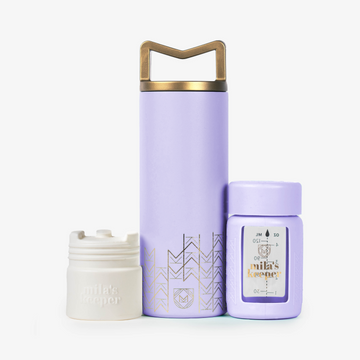
Mila's Keeper MilKeeper Starter Set Lavender Fields ...
$67.00
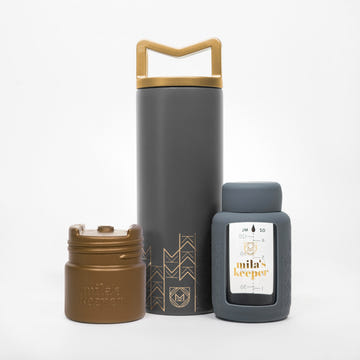
Mila's Keeper MilKeeper Starter Set Starry Night 5oz...
$67.00
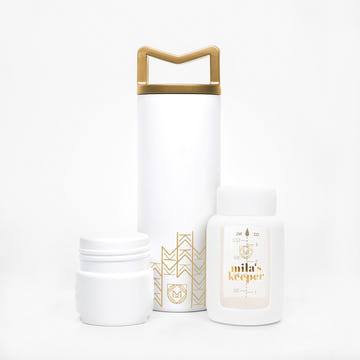
Mila's Keeper MilKeeper Starter Set Aspen White 3-in...
$67.00
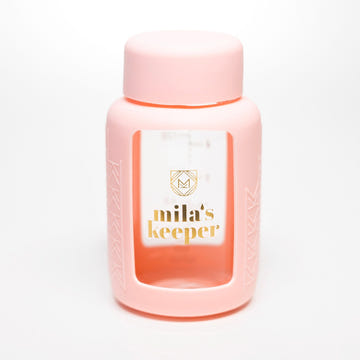
Mila's Keeper Glass Breast Milk Storage Bottles Set ...
$42.00