


The main benefit of a postpartum belly wrap is simple but powerful: it gives your core muscles some much-needed support. It helps stabilize your back and pelvis and just gives you a feeling of being held together while your body heals. Think of it like a gentle, constant hug for your tummy that makes things a little less uncomfortable and helps you feel more like yourself during the fourth trimester.
Your Guide to Fourth Trimester Comfort
Welcome to the fourth trimester! It's such a wild, unique, and incredible time of healing, bonding, and figuring out this whole new life with your baby. It’s full of so much joy, but let's be honest—it can also be really tough on your body as you recover from pregnancy and birth. This isn't about "bouncing back," but about giving your body the gentle, effective support it deserves.

One of the most trusted tools for new moms is a good postpartum belly wrap. It’s designed to give you targeted support right where you need it, helping you move through your recovery with a bit more comfort and confidence.
Healing, comfort, and a little softness
Postpartum care, finally taken seriously
Take $15 off at checkout, applied automatically when you shop through this link.
Shop with MAMA15 →Free US shipping over $100. Code applies automatically at checkout.
For many moms, like Sarah, this physical support is just one piece of the puzzle. While her wrap helped her feel stable on her feet, she was struggling with breastfeeding pain until she found the soothing relief of Moogco Silver Nursing Cups. That combination of core support and nipple care was a game-changer, letting her fully embrace her fourth trimester. It just goes to show how having the right tools, like silver nursing cups, can make all the difference.
For so many new moms, the fourth trimester is a time of huge change. Using tools that provide both physical support and genuine comfort can be the key to a positive recovery experience.
What a Belly Wrap Can Do for You
A belly wrap is so much more than just a piece of fabric; it’s a smart, functional garment that helps your body’s natural healing process along. The gentle compression it provides offers a few key benefits that tackle some of the most common post-birth challenges.
Here’s a quick look at the main ways it can help you feel better:
- Supports Abdominal Muscles: It gives your stretched-out abdominal muscles some external backup, helping everything feel more secure.
- Improves Posture: By stabilizing your core, it naturally encourages better posture—something that’s hard to maintain when you're constantly holding, feeding, and carrying your newborn.
- Reduces Back Pain: It offers that sweet relief for your lower back, which has been under a lot of strain during pregnancy and the early postpartum days.
Let's dive into the specifics of how a belly wrap can help you heal. For a deeper look into this special time, check out our complete guide on what to expect during the fourth trimester.
Why Postpartum Abdominal Support Matters
After you give birth, your body is doing some seriously amazing work to heal. Your abdominal muscles spent months stretching to make room for that beautiful baby, which often results in a super common condition called diastasis recti—a separation of your "six-pack" muscles.
Think of your core like a stretched-out rubber band. It needs a little gentle encouragement to regain its original shape. That’s exactly what a postpartum belly wrap does. It isn't magic; it's just simple, supportive mechanics at work. The wrap provides external support, gently guiding those muscles back together while also stabilizing your pelvis and lower back, which have been on quite a journey.
This visual timeline gives you a great idea of the postpartum journey and how support plays a key role in recovery and confidence.
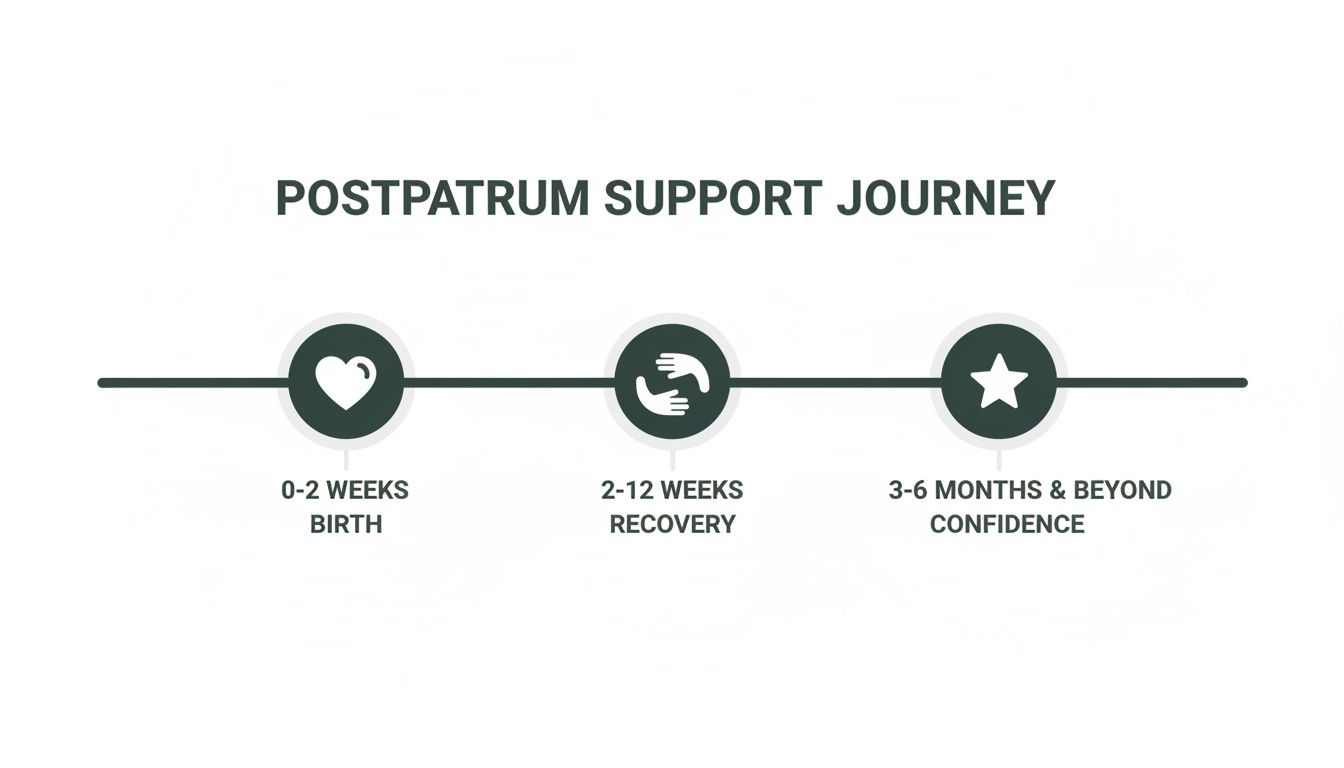
As you can see, dedicated support in those early weeks can make for a much more comfortable and confident fourth trimester.
What’s the Science?
The idea of wrapping your belly postpartum isn’t some new trend; it’s a practice deeply rooted in traditions all over the world. Take Bengkung belly binding from Southeast Asia—it’s been used for centuries to help new mothers heal. Modern research is finally catching up, and what it’s finding is that there’s real wisdom behind these age-old practices.
One study on Bengkung binding, for example, had pretty incredible results. Out of 32 postpartum moms, 100% had diastasis recti in the first week. After seven weeks of binding? That number dropped to just 6%. That's a huge improvement, showing just how effective this gentle support can be.
It's More Than Just a Wrap
While a belly wrap offers incredible passive support, think of it as part of a team. The other key player? Gentle, intentional movement. Using a wrap creates a stable foundation, which can make it feel safer and more comfortable to start re-engaging your core muscles—once your doctor gives you the green light, of course.
"A common misconception is that a wrap weakens your core. When used correctly—for support, not as a crutch—it can actually facilitate better muscle activation and help you reconnect with your core."
A wrap is a fantastic tool, but it works best when you also focus on actively strengthening your muscles for long-term recovery. For a deeper dive, learn how to safely rebuild your postpartum core. And if you're wondering what else to expect on this journey, check out our guide on what happens after birth: https://moogcosilvercups.myshopify.com/blogs/moogco-baby-journal/postpartum-body-changes-what-to-expect-and-how-to-support-recovery.
Picks From This Story
Picks related to this guide, ready to ship from Moogco.
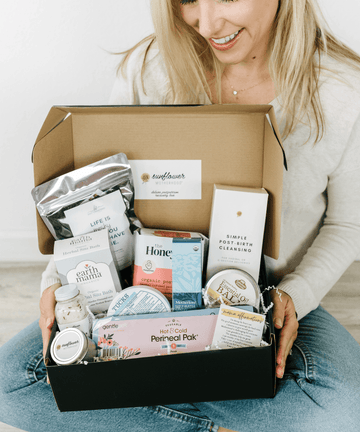
Sunflower Motherhood Deluxe Postpartum Recovery Box ...
$149.00

Lavender Meadows Co Postpartum Care Package Deluxe G...
$146.00
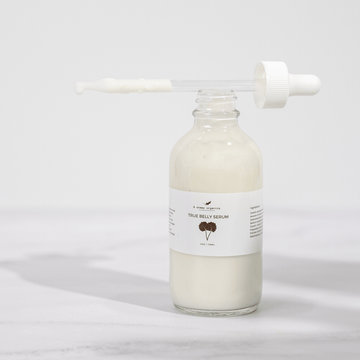
True Belly Serum
$47.00
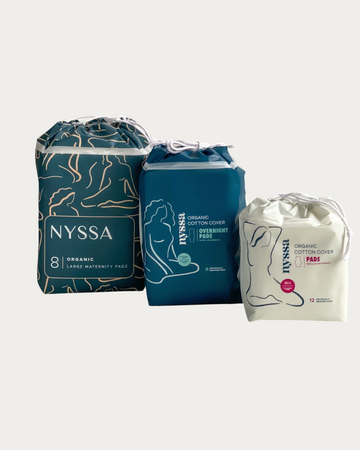
Nyssa Complete Organic Cotton Cover Pads Trio Postpa...
$25.00
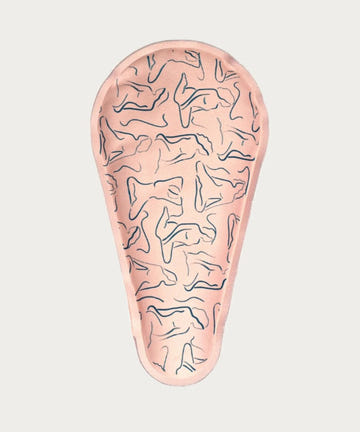
Nyssa Between Legs Perineal Ice Heat Pack for Postpa...
$15.00
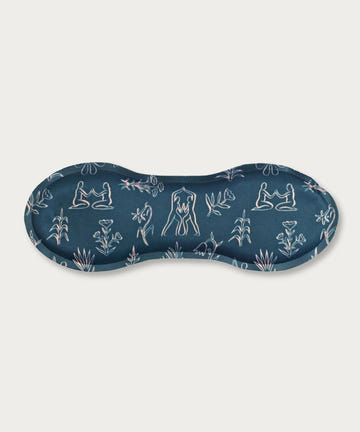
Nyssa Uterine Reusable Ice & Heat Pack contoured for...
$15.00
Recovery Support, No Matter How You Gave Birth
Every birth story is unique, and so is every recovery. Whether you had a vaginal delivery or a C-section, your body has done something incredible and deserves some extra TLC. A postpartum belly wrap can be a huge help for both paths, giving you that much-needed feeling of comfort and stability.

Think of it less like a "waist trainer" and more like a gentle, supportive hug for your midsection. In those early, wobbly weeks, that feeling of being held together can make all the difference as your body begins to heal.
For C-Section Mamas: A Gentle Hug for Your Incision
If you’ve had a C-section, you know how tender that incision area is. A belly wrap can feel like an absolute game-changer. It provides steady, gentle pressure that supports your incision, making those sudden movements—like a cough, a sneeze, or even just getting out of bed—way less jarring.
But it’s not just about feeling better; it’s about getting back on your feet. An NIH-published study found something pretty amazing: new moms using a binder after their C-section could walk 20% farther just eight hours post-surgery than those without one. Getting mobile sooner is a big deal for recovery and helps reduce risks like blood clots.
The same study also found that moms using a binder felt less distressed. That emotional comfort that comes from feeling physically secure shouldn't be underestimated. And if you're navigating the ins and outs of nursing, our guide on breastfeeding and lactation after a cesarean birth has plenty of real-world tips.
For Vaginal Birth Mamas: Core and Pelvic TLC
For those who delivered vaginally, a postpartum wrap offers a different kind of essential support. Your core and pelvic floor muscles have been stretched to the max, and they’re tired! A wrap gives these muscles a helping hand, which can seriously cut down on that all-too-common postpartum back pain.
For many new moms, the relief from back and pelvic aches is one of the most immediate and appreciated benefits. It helps you focus less on discomfort and more on soaking up those newborn snuggles.
The gentle compression also encourages your uterus to shrink back to its pre-pregnancy size (a process called involution). While a wrap gives you external support, remember to care for your internal recovery, too. Practices like pelvic floor massage therapy can be incredibly beneficial for healing from the inside out, no matter your birth experience.
Choosing and Using Your Belly Wrap Safely
Ready to find the perfect wrap? Now that you know all the ways a belly wrap can help, let’s get practical. Choosing the right one and knowing how to use it correctly is what makes all the difference in getting that sweet relief without any drawbacks.
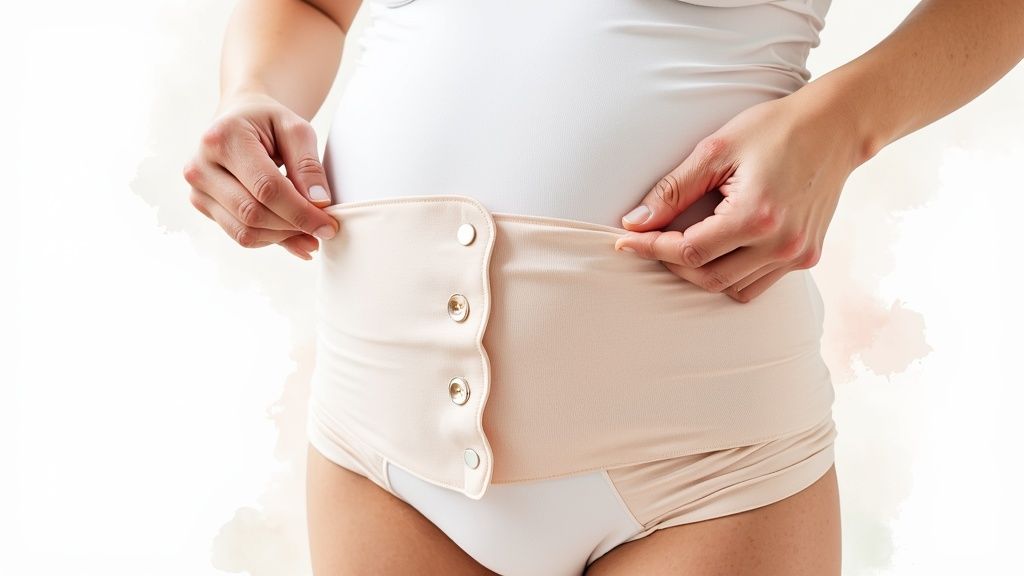
Think of it like finding your favorite pair of leggings—comfort, fit, and material are everything. You’re looking for something that feels like a gentle, supportive hug, not a restrictive corset.
What to Look for in a Belly Wrap
Okay, let's be real—the options out there can feel a bit overwhelming. But if you focus on a few key things, you'll find the perfect match for your recovery journey in no time.
Here’s what really matters:
- Breathable Material: You'll be wearing this right up against your skin, sometimes for hours. Look for soft, breathable fabrics like cotton or bamboo blends. This will help you stay comfortable and avoid any pesky skin irritation.
- Adjustable Compression: Your body changes so much day-to-day in those early postpartum weeks. A wrap with adjustable closures, like Velcro or multiple rows of hooks, is a game-changer. It lets you customize the compression as your swelling goes down and your core starts to feel more like its old self.
- The Right Fit: It needs to be snug but not restrictive. A good test is whether you can take a full, deep breath without feeling pinched or like something is digging in. A wrap that's too tight can actually do more harm than good by putting too much pressure on your pelvic floor.
When and How to Wear Your Wrap
Timing is everything when it comes to getting the most out of your wrap. It’s no wonder so many new moms are eager to start! In fact, recent surveys from major US hospitals found that 82% of women who had a vaginal delivery planned on using one. Of that group, a whopping 71% aimed to start within the first two days, hoping for better support and pain relief.
The golden rule of belly wrapping is to listen to your body. The wrap is a tool to assist your recovery, not force it. If you feel any pain, discomfort, or shortness of breath, that’s your cue to loosen it or take it off for a while.
Here’s a general timeline to keep in mind, but always run it by your doctor or physical therapist first:
- When to Start: After a vaginal delivery, you can often start wearing it within a day or two. If you've had a C-section, it’s best to wait until your incision is healing nicely and you get the green light from your provider.
- How Long to Wear It: Ease into it. Start with just 1-2 hours a day and see how you feel. You can gradually increase the time, but most experts suggest capping it at 8-10 hours daily.
- Duration of Use: The sweet spot for seeing the biggest benefits is usually in the first 6-8 weeks postpartum. This is when your ligaments and connective tissues are at their most pliable and ready for a little extra support.
Pairing your wrap with some gentle movement is a fantastic way to boost your healing. For some safe and effective ideas, check out our guide on postpartum fitness and gentle exercises.
How One Mom Saved Her Breastfeeding Journey
We talk a lot about the physical side of postpartum recovery, like how a belly wrap can give you that crucial core support to feel more held together. But the postpartum journey is so much more than that—it’s a time when your physical and emotional well-being are completely connected. For a new mom named Sarah, a belly wrap was just one piece of a much bigger puzzle.
Sarah was so thankful for the stability her wrap gave her. It helped her move around with way less pain after a really tough delivery. But even with that physical support, she was hitting an emotional wall. Breastfeeding, something she had dreamed about, was now something she dreaded. The pain from cracked, sore nipples was so intense it brought tears to her eyes every single time her baby latched. She was this close to giving up.
A Small Change That Made All the Difference
Just when she was about to switch to formula for good, a friend mentioned Moogco Silver Nursing Cups. Sarah was skeptical, but honestly, she was desperate enough to try anything. The second she put them on, she felt this immediate, cooling relief. It was nothing like the messy creams and balms she’d been slathering on. These little cups were simple, elegant, and totally effortless.
She wore them between every feeding, and the difference was incredible. The natural antimicrobial properties of the silver helped her skin heal quickly and without any irritation. In just a couple of days, the sharp pain started to fade. That feeling of dread she had before nursing? It was replaced with relief, and then, finally, with the joy she had been hoping for.
"I was so focused on my core recovery that I almost missed how much breastfeeding pain was impacting me. The belly wrap held my body together, but the silver nursing cups are what truly saved my feeding journey and my sanity." - Sarah, a Moogco Mom
The Power of Comprehensive Support
Sarah’s story is a beautiful reminder that postpartum care isn't about finding one single magic solution. It’s about creating a toolkit that supports your whole self. The belly wrap was amazing for her physical healing and core stability, but the Moogco Silver Nursing Cups addressed another, equally vital, part of her recovery. This powerful combination is what allowed her to keep breastfeeding her baby, pain-free and full of confidence.
By pairing core support with targeted nipple care, she turned her fourth-trimester experience from a time of struggle into one of empowered comfort. You can learn more about the simple genius behind these nipple protectors and read stories from other moms who have benefited from silver nursing cups in our detailed guide.
More Related Picks
A few more favorites from the same collection.
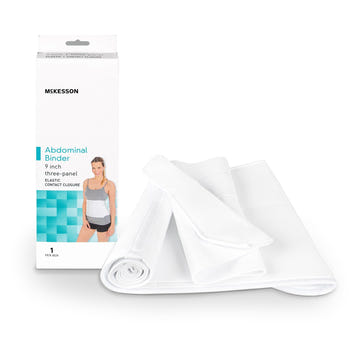
LL Medico McKesson Abdominal Binder Small Medium Whi...
$14.99
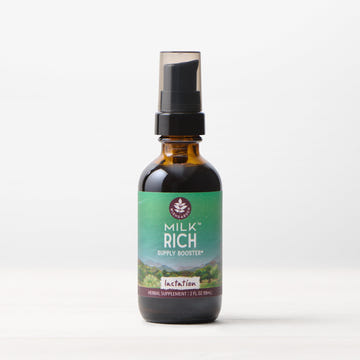
WishGarden Herbs Milk Rich Supply Booster pump top b...
$26.99
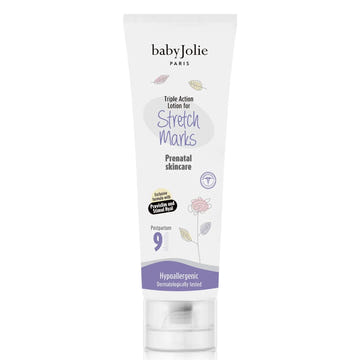
Baby Jolie Paris Triple Action Stretch Marks Cream 7...
$29.99
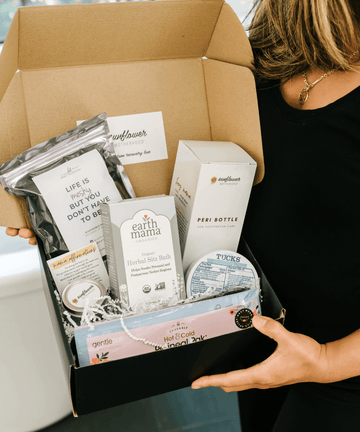
Sunflower Motherhood Postpartum Recovery Box full-si...
$79.00
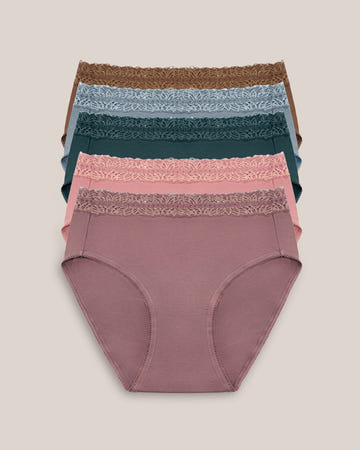
Kindred Bravely High-Waisted Postpartum Underwear Pa...
$36.90
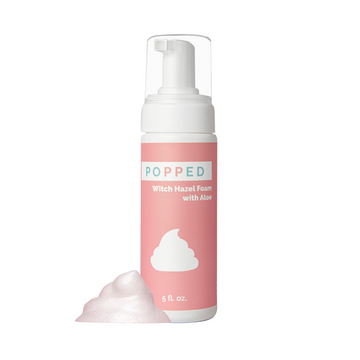
Popped Witch Hazel Foam with Aloe 5 fl oz Postpartum...
$12.99
Your Holistic Guide to Postpartum Healing
A belly wrap is a fantastic tool for external support, but it’s just one piece of your recovery puzzle. Real healing happens from the inside out, and that means taking care of your whole body. To truly feel your best, it helps to take a gentle, well-rounded approach to your fourth trimester.
This isn't about "bouncing back." It's about healing forward. Let's look at a few simple, practical ways you can support your total well-being as you navigate this new chapter.
Nurturing Your Body From Within
Your body is working overtime to heal, produce milk, and somehow function on very little sleep. Giving it the right fuel isn't a luxury—it's an absolute necessity.
Try to focus on whole foods packed with nutrients, like proteins, healthy fats, and complex carbs. Hydration is also a game-changer, especially if you're breastfeeding. A great little trick is to drink a full glass of water every time you sit down to nurse or feed your baby.
The Foundation of Your Strength
Your pelvic floor has been through a marathon. These muscles form the foundation of your core, and giving them a little TLC is one of the best things you can do for your long-term health.
Gentle pelvic floor exercises, like Kegels, can help you reconnect with those muscles and start rebuilding strength. That said, many new moms find it incredibly helpful to see a pelvic floor physical therapist. They can create a personalized plan to help with specific issues like diastasis recti or incontinence.
Rest is not a reward; it is a critical component of healing. Give yourself permission to rest whenever you can—the laundry can wait. Your recovery is the most important work you're doing right now.
Finally, while you’re focusing on your core, don't forget the other parts of you that need support. For instance, many moms find breastfeeding tough because of nipple pain. A holistic approach means finding solutions for these challenges, too. Moogco Silver Nursing Cups offer natural, soothing relief that can make a world of difference in your feeding journey.
When you care for every aspect of your recovery, from abdominal support to feeding comfort, you build a foundation for a truly positive postpartum experience. You can read more about how these simple but effective silver nursing cups have helped other moms find relief.
Got Questions About Postpartum Belly Wraps? Let's Talk.
Still have some questions about using a postpartum belly wrap? You're in good company. This whole recovery journey is full of new territory, and it’s totally normal to be curious. We've gathered some of the most common questions we hear from new moms to help clear things up.
Think of this as a friendly chat to help you feel confident and supported as you heal.
Is It Okay to Wear a Belly Wrap While Sleeping?
It’s tempting, but it's best to skip wearing your wrap to bed. Your body does some incredible healing work while you're asleep, and that’s the perfect time to give your skin and core muscles a break from all that compression.
Sleeping without the wrap lets you breathe deeply and promotes better circulation, both of which are key for a good recovery. Plus, it encourages your core muscles to start gently re-engaging on their own, without constant support.
How Can I Tell If My Wrap Is on Too Tight?
A postpartum belly wrap should feel like a gentle, comforting hug—not like you’re being squeezed by a boa constrictor. If you feel any of the following, it’s a sign to loosen it up:
- You can’t take a nice, deep belly breath.
- You’re feeling any kind of pinching, pain, or general discomfort.
- There's a sense of downward pressure on your pelvic floor (a big no-no!).
- It leaves deep red marks or makes your skin angry and irritated.
Remember, the magic is in gentle compression, not intense restriction. Your body is your best guide, so listen to it. If it feels like too much, it probably is.
Will a Belly Wrap Help Me Lose My Baby Weight?
This is probably the biggest myth out there! A belly wrap is a recovery tool, not a magic weight loss device. It won’t melt away fat or permanently shrink your waist.
What it can do is give you the support you need to feel more comfortable and secure as your body naturally finds its way back. The real wins are in core stability, better posture, and pain relief—not a number on the scale.
A belly wrap supports your body's healing, but it doesn't replace gentle movement, good food, and plenty of rest. It's just one helpful piece of your recovery puzzle.
When Is the Right Time to Stop Wearing My Wrap?
Most moms find a belly wrap most helpful during the first 6 to 8 weeks after birth. This is the "fourth trimester," when your ligaments are still soft from pregnancy hormones and your body is in major healing mode.
By the 12-week mark, your muscles have usually regained a good deal of their stability, and you may not feel you need the wrap as much. A great approach is to gradually wear it for fewer hours each day as you start feeling stronger and more like yourself again.
Your postpartum journey is about healing your whole self, from core support to feeding comfort. For breastfeeding moms, nipple pain can be a major hurdle. Moogco Baby offers a simple, natural solution with our Silver Nursing Cups, providing soothing relief so you can focus on bonding with your baby.
Discover gentle, effective care for your breastfeeding journey at https://www.moogcobaby.com.
Bring this guide home with $15 off.
Use code MAMA15 for $15 off →
Frequently Asked Questions
Can I wear a belly wrap right after giving birth, or should I wait?
For vaginal births, you can usually start wearing a wrap within the first few days, once you feel ready. For C-section mamas, it's best to check with your doctor first, typically waiting until your incision has had a bit of time to start healing, usually within the first week or two. Always listen to your body and get the green light from your care provider before starting.
How many hours a day should I wear my postpartum belly wrap?
Most experts recommend wearing your wrap for 8 to 12 hours a day, especially during the first few weeks postpartum. You can wear it during the day when you're most active, and take it off at night or when resting. The key is to give your body breaks so your muscles can also work on their own and stay engaged.
Will a belly wrap interfere with my C-section incision healing?
When used correctly, a belly wrap should actually support your incision, not interfere with it. Make sure the wrap sits comfortably without rubbing or putting direct pressure on the incision line. If you notice any redness, irritation, or increased pain, remove it and check in with your doctor right away.
Can I exercise while wearing my postpartum wrap?
Yes, once your doctor clears you for exercise, wearing a wrap during gentle movement like walking or postpartum core work can provide extra stability. It can help you feel more secure as you rebuild strength. Just avoid wearing it during intense workouts, as your core needs to engage fully for those.
Do I need a different belly wrap for C-section versus vaginal birth?
Not necessarily, but some wraps are designed specifically with C-section recovery in mind, offering softer fabrics or adjustable panels that sit more comfortably around an incision. The most important thing is that your wrap fits well, feels supportive without being too tight, and doesn't irritate any sensitive areas.
Can wearing a belly wrap help with diastasis recti?
A belly wrap can provide helpful support while your abdominal muscles heal from diastasis recti, and some studies show it may help reduce the gap when combined with proper exercises. However, it's not a cure on its own. Pairing the wrap with targeted core rehabilitation exercises, once cleared by your provider, is the best approach for long-term healing.
Is it normal to feel a little lightheaded when I first put on my wrap?
If you feel lightheaded, dizzy, or short of breath, your wrap is likely too tight. It should provide gentle, even compression, not restrict your breathing or circulation. Loosen it immediately and make sure you can breathe deeply and comfortably. A proper fit should feel snug and supportive, not constricting.
Can I wear my belly wrap under my regular clothes?
Absolutely! Most belly wraps are designed to be discreet and fit smoothly under everyday clothing. Look for one made with breathable, thin fabric that won't add bulk or show lines. This makes it easy to get that support all day long, whether you're at home or out and about with your baby.
From Moogco Studio
Printable and personalized nursery essentials. Designed by moms for moms.


About the Editor
Eda Ulger is the editor at Moogco Baby and a mom of two. She curates and edits our guides so every piece is honest, practical, and genuinely helpful for the early days of motherhood.
Shop This Story
Picks related to this guide, ready to ship from Moogco.
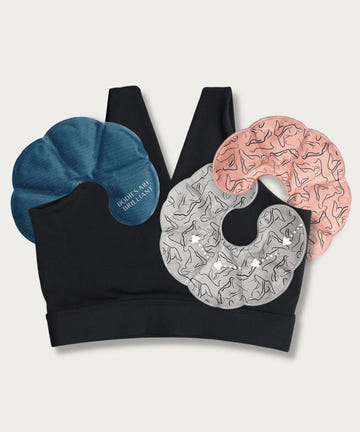
Nyssa FourthWear Postpartum Bralette and Breast Ice ...
$56.00
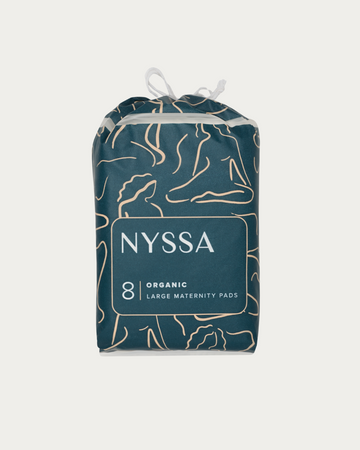
Nyssa Complete Coverage Organic Cotton Postpartum Pa...
$9.00
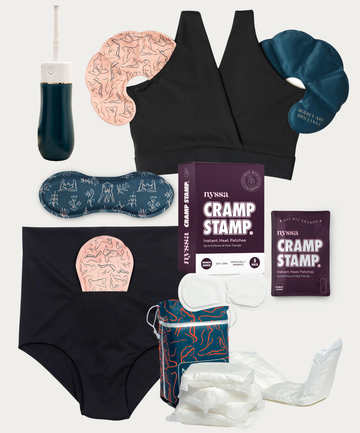
Nyssa Classic Black Essential Postpartum Kit 8-piece
$150.00
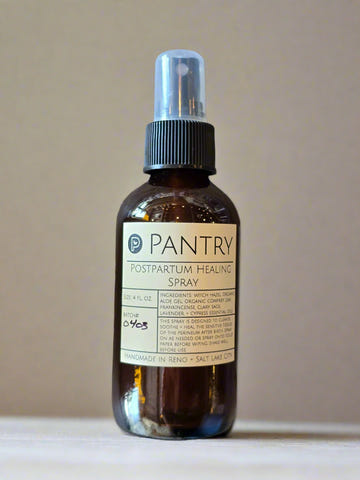
Postpartum Healing Spray - Perineum Recovery
$17.00
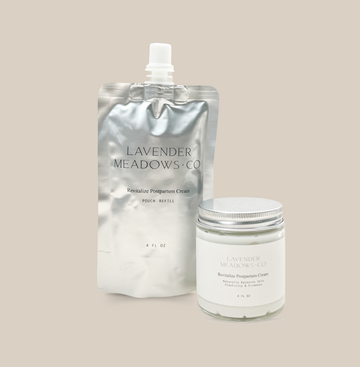
Lavender Meadows Co Revitalize Postpartum Cream Refi...
$30.00
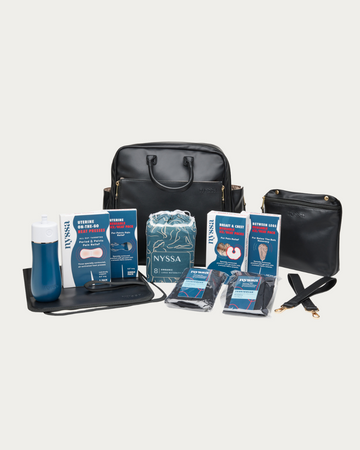
Nyssa Mother Bag + Essential Postpartum Kit Vegan Le...
$210.00
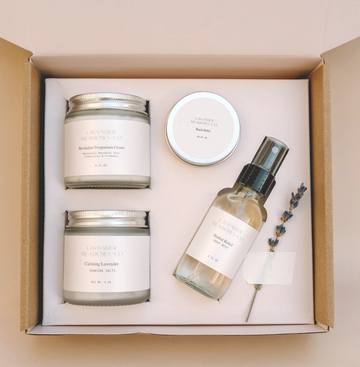
Lavender Meadows Co Postpartum Care Package organic ...
$70.00
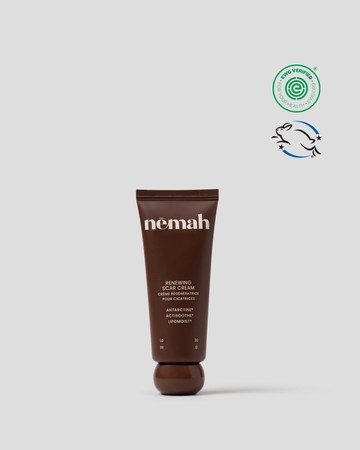
Nēmah Renewing Scar Cream for Pregnancy Breastfeedin...
$34.00
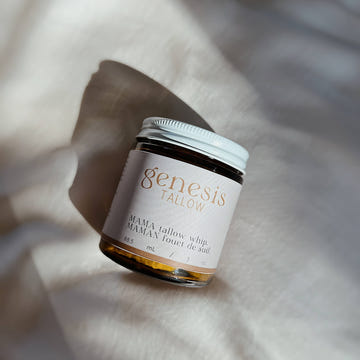
Hello Postpartum All-Natural Whipped Tallow Belly Bu...
$40.00
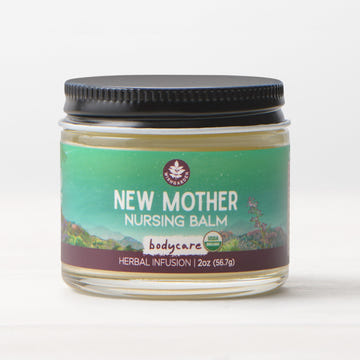
WishGarden Herbs New Mother Nursing Balm USDA Organic
$14.99