


What is the best pacifier for a breastfed baby?
Worth knowing: the American Academy of Pediatrics recommends offering a pacifier at naps and bedtime because it is associated with a lower risk of SIDS, and advises waiting until breastfeeding is well established, usually around three to four weeks, before introducing one.
Short answer: For a breastfed baby, lactation consultants favour a one-piece silicone pacifier with a thin, flexible nipple that lets the tongue stay in a natural latch position. Wait until breastfeeding is established, usually around 3 to 4 weeks, before introducing one.
- One-piece silicone: nothing to detach, easiest to sterilise
- Thin, flexible nipple keeps the tongue in a natural latch shape
- Introduce around 3 to 4 weeks, once feeding is established
- Size up on schedule, an outgrown shield presses the gums
- Replace every 4 to 6 weeks or at the first sign of tearing
Quick Summary
For breastfed babies, we recommend the Soothe Beginnings Pacifier Starter Kit as our top pick. Its Nursing nipple shape mimics the breast and asks for the same active latch, and the kit comes with three swappable nipple shapes, so you can find the one your baby accepts without buying three different pacifiers.
Introducing a pacifier to a breastfed baby is one of the most debated topics in the parenting world. Will it cause nipple confusion? Will it interfere with milk supply? When is the right time? These are real concerns that deserve honest, evidence-based answers.
The good news: research shows that when introduced at the right time and with the right type of pacifier, pacifier use does not negatively affect breastfeeding. The key is choosing a pacifier designed specifically for breastfed babies.
Why trust us? MoogCo Baby has helped over 200,000+ cups sold navigate breastfeeding and infant care. Our recommendations are based on real feedback from nursing mothers and guidance from lactation professionals.
Can Pacifiers Cause Nipple Confusion?
Nipple confusion happens when a baby has difficulty switching between the breast and an artificial nipple because the sucking mechanics are different. Traditional pacifiers with firm, symmetrical nipples require a different tongue and jaw movement than breastfeeding, which can confuse some newborns.

However, newer pacifier designs that mimic the natural shape and flexibility of the breast have significantly reduced this risk. The American Academy of Pediatrics also notes that pacifier use during sleep is associated with a reduced risk of SIDS, adding another important consideration for parents.
Curated by moms, vetted by lactation pros
Everything for the breastfeeding journey
Take 20% off at checkout, applied automatically when you shop through this link.
Shop with BABY20 →Free US shipping over $100. Code applies automatically at checkout.
The consensus among most lactation consultants: wait until breastfeeding is well established (usually around 3 to 4 weeks), then introduce a breast-like pacifier if your baby shows interest in non-nutritive sucking.
Picks From This Story
Picks related to this guide, ready to ship from Moogco.
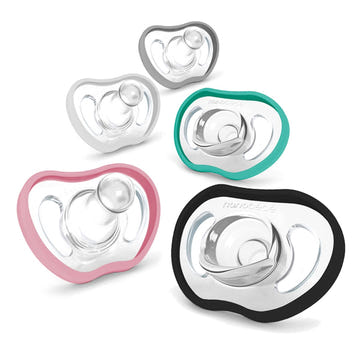
Nanobébé Active Flexy Pacifier 4m+ 4-pack Pink Teal ...
$14.99
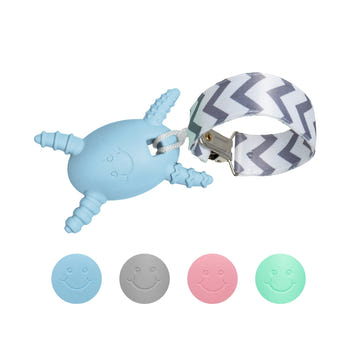
The Teething Egg The Molar Magician baby teether 4 t...
$19.95
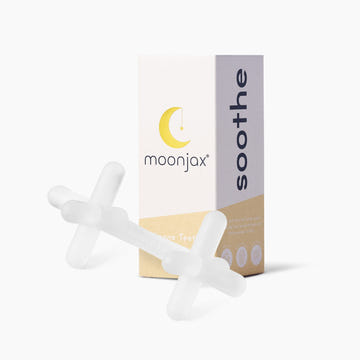
The best baby teether: 1-pack clear silicone teether
$14.99
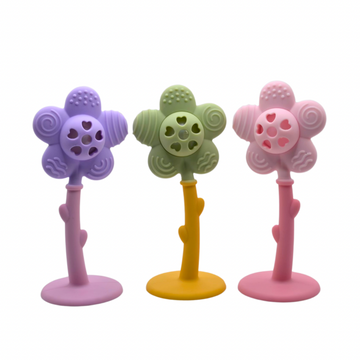
Golden Baby Rattle Teethers food grade silicone for ...
$7.99
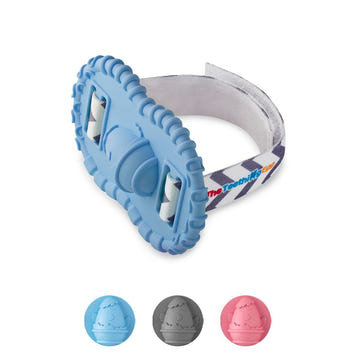
The Teething Egg Wristie Teether for 3-12 Months Adj...
$9.99
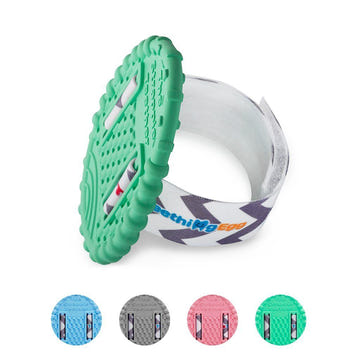
The Teething Egg Strappie Teether for Baby Carriers ...
$9.99
What Makes a Pacifier "Breast-Like"?
Not all pacifiers labeled "natural" or "breast-like" actually mimic the breast well. Here is what to look for:
- Rounded, asymmetric shape: The nipple should have a natural, rounded form that allows baby's tongue to move the way it does during breastfeeding
- Soft, flexible material: The nipple should compress and move in baby's mouth, not remain rigid
- Wide base: Mimics the wide latch babies use at the breast, preventing a narrow sucking pattern
- Appropriate size: Sized for your baby's age so the nipple fills their mouth correctly
Best Breast-Like Pacifiers for Breastfed Babies, Compared
| Type | Shape | Material | Best For |
|---|---|---|---|
| Breast-Like (Our Pick: Soothe Beginnings Nursing nipple) | Wide, deep, breast-like | Medical-grade silicone, swappable | Breastfed babies, preventing nipple confusion |
| Natural Rubber | Rounded | Natural latex | Parents preferring natural materials |
| Orthodontic | Flat bottom, rounded top | Silicone | Dental development focus |
| One-Piece Silicone | Varies | Medical-grade silicone | Easy cleaning, minimalist parents |
Soothe Beginnings Review: Why We Recommend It for Breastfed Babies
The Soothe Beginnings Pacifier Starter Kit is our current top recommendation for breastfed babies. It was designed by a certified breastfeeding counselor, and it solves the problem nursing moms actually have. The question is rarely "which pacifier is best," it is "which one will my baby take without messing up our latch."
A nipple shaped for nursing. The Nursing nipple is wider and deeper than a standard pacifier teat, so it asks for the same active sucking effort as the breast instead of a passive hold. Babies who go back and forth between breast and pacifier keep the same tongue and jaw pattern.
Three shapes in one kit. Each starter kit comes with one shield and three swappable nipples in Nursing, Standard and Orthodontic shapes, or three of the same shape once your baby has a favorite. If the Nursing shape gets spat out, you swap the nipple rather than buying another pacifier. Replacement nipples are $18 for two, so every 6 to 8 weeks you replace the part that wears out, not the whole thing.
Materials you do not have to think about. Medical-grade silicone nipples that are BPA, PFAS and phthalate free, with every batch tested. The classic kit has a plastic-free shield made from paper and eco resin (Greenguard Gold certified), and everything is made in the USA. The shield is fully cleanable inside and out, there is no hollow pocket for mold, and there is no finger entrapment by design.
Two price points. The plastic-free classic kit is $50. The Flex kit has the same nipples on a lighter polypropylene shield for a lot less, and it is where we would start if you are not sure your baby will take a pacifier at all. There is also a personalized version with your baby's name on the shield, handy for daycare or as a gift.

Our pick for breastfed babies
Soothe Beginnings Flex Pacifier Starter Kit
One shield, three swappable nipples (Nursing, Standard, Orthodontic). Medical-grade silicone, made in the USA, ages 0 to 18 months.
Shop this pick →More Related Picks
A few more favorites from the same collection.
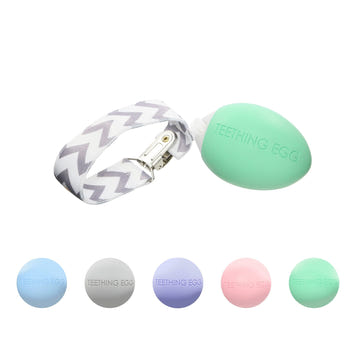
The Teething Egg®
$19.95

Goosewaddle Rattle Teether Wooden Silicone 4 Colors
$16.00
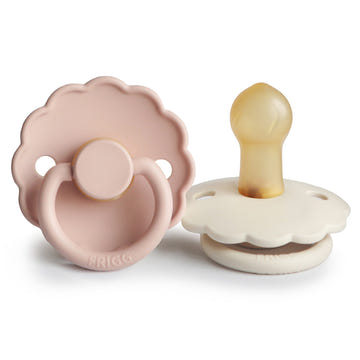
Mushie FRIGG Daisy Natural Rubber Pacifier 2-Pack Da...
$14.99

Mushie FRIGG Silicone Pacifier 6-Pack assorted palette
$34.99

Mushie FRIGG Daisy Silicone Pacifier 2-Pack Glow Night
$14.99
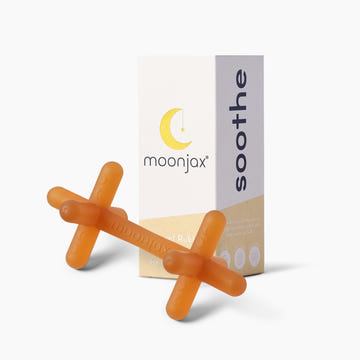
The best baby teether: 1-pack natural hevea tree rub...
$14.99
Best Pacifier for a Nursing Newborn: When and How to Introduce It
Timing matters more than the specific pacifier you choose. Here is the recommended timeline:
Weeks 1 to 3: Focus exclusively on establishing breastfeeding. No pacifiers during this critical period. If baby needs to suck for comfort, offer the breast.
Weeks 3 to 4: Once breastfeeding is well established (good latch, adequate weight gain, comfortable feedings), you can begin introducing a pacifier. Start with short periods between feedings.
Month 2 and beyond: By this point, most breastfed babies can switch between breast and pacifier without confusion. Use the pacifier for naps, sleep, and fussy periods as needed.
Important: Never use a pacifier to delay or replace a feeding. If baby shows hunger cues, always offer the breast first.
How to Wean Your Baby Off a Pacifier
Most pediatricians recommend weaning from the pacifier between 12 and 24 months. Here are approaches that work:
- Gradual reduction: Start by limiting pacifier use to sleep times only, then gradually eliminate it from naps before nighttime
- Cold turkey: Some parents find that removing all pacifiers at once (with preparation and explanation for older toddlers) results in a few tough days followed by complete adjustment
- The "pacifier fairy": For toddlers, create a ritual of giving pacifiers away to babies who need them more
Pacifier FAQ
Will a pacifier reduce my milk supply?
Not if used correctly. Always offer the breast when baby shows hunger cues. Pacifiers should supplement breastfeeding for non-nutritive sucking needs, not replace feeding sessions. Most lactation consultants agree that appropriate pacifier use after breastfeeding is established does not affect supply.
My breastfed baby rejects every pacifier. What should I try?
Try a breast-like nipple such as the Nursing shape in the Soothe Beginnings kit, which mimics the breast, and if that gets refused swap to the Standard or Orthodontic nipple from the same kit before giving up. Introduce it when baby is calm but not hungry. You can also try dipping the pacifier in breast milk or offering it while holding baby in a nursing position.
Are pacifiers safe for newborns?
The AAP recommends offering a pacifier at sleep time once breastfeeding is established (around 3-4 weeks) as it may reduce the risk of SIDS. Always choose an age-appropriate size and never attach a pacifier to a string or ribbon.
How often should I replace pacifiers?
Inspect pacifiers regularly for signs of wear, discoloration, or damage. Replace them every 4 to 6 weeks or immediately if you notice any cracks, tears, or stickiness in the silicone.
Can pacifier use affect my baby's teeth?
Prolonged pacifier use beyond age 2 can affect dental development. Choosing a breast-like shape and weaning before 24 months minimizes any impact on teeth alignment.
Related reading for the bottle and breast juggle: our guide to baby bottle nipple sizes and the complete nipple shield guide.
A little thank you from one mama to another
Stocking up on feeding gear? Use code MOM15 at checkout for 15% off eligible items. Claim your discount here.
The Bottom Line
Choosing the right pacifier for your breastfed baby does not have to be stressful. Focus on a breast-like design, introduce it at the right time, and trust that your baby will let you know what works. The Soothe Beginnings starter kit makes this decision easier by putting three nipple shapes in one plastic-free pacifier, so your baby chooses, not the packaging.
Shop Pacifiers for Breastfed Babies
Related Guides You Might Love
- How to Choose the Right Pacifier for Your Baby: The Complete Guide
- How to Choose the Right Pacifier for Your Baby: The Complete Guide
- How to Pump at Work: A Realistic Survival Guide for Pumping Moms
- How to Pump at Work: A Realistic Survival Guide for Pumping Moms
- Best Silver Nursing Cups 2026: Complete Guide for Breastfeeding Moms
- Best Silver Nursing Cups 2026: Complete Guide for Breastfeeding Moms
- 5 Natural Ways to Soothe Postpartum Breast Pain Without Harmful Chemicals
- 5 Natural Ways to Soothe Postpartum Breast Pain Without Harmful Chemicals
- Sleep Training Your Baby: 4 Proven Methods That Actually Work
- Sleep Training Your Baby: 4 Proven Methods That Actually Work
Bring this guide home with 20% off.
Use code BABY20 for 20% off →
Featured pick from Moogco
MOOGCO Silver Nursing Cups 999k Silver - BPA-Free for Babies & Toddlers
$46.90 $52.90
Shop this pick → Frequently Asked Questions
What if my baby prefers the pacifier over breastfeeding?
This is usually a sign the pacifier is being offered too frequently or at the wrong times. Always offer the breast first when baby shows hunger cues, and reserve the pacifier for after feedings or during fussy periods when you know baby is not hungry. If you notice decreased nursing sessions or poor weight gain, remove the pacifier temporarily and consult your pediatrician or lactation consultant.
Can I give a pacifier to my premature baby?
Premature babies often benefit from non-nutritive sucking for development and comfort. However, timing depends on your baby's feeding progress and your care team's guidance. Work closely with your NICU staff or pediatrician to determine the best time to introduce a pacifier, as premature infants may have different needs than full-term babies.
Should I wake my baby to remove the pacifier if it falls out during sleep?
No, there is no need to wake your baby or reinsert the pacifier once they are asleep. The protective effect against SIDS comes from offering the pacifier at the start of sleep, not keeping it in all night. If it falls out, let your baby sleep peacefully.
How do I know if my baby is ready for a pacifier?
Look for signs of well-established breastfeeding first: consistent weight gain, at least 8 to 12 nursing sessions per day, comfortable latching, and adequate wet diapers. Your baby should also show interest in non-nutritive sucking, like sucking on their hands or wanting to stay at the breast after feeding is complete. These signs usually appear around 3 to 4 weeks.
Is it okay to use different pacifier brands or should I stick to one?
Once you find a pacifier your breastfed baby accepts, it is best to stick with that style and brand. Switching between different shapes and nipple designs can confuse babies, especially those still adjusting between breast and pacifier. Buy multiples of the same pacifier so you always have clean backups.
Can pacifiers help with colic or gas?
Pacifiers can help soothe a fussy or colicky baby by satisfying their sucking reflex, which has a naturally calming effect. However, they do not treat the underlying cause of colic or gas. Make sure you are not using the pacifier to delay feedings, as hunger can make fussiness worse. Always burp baby well after feedings before offering a pacifier.
What should I do if my partner wants to use a pacifier but I am worried about breastfeeding?
Communication is key. Share evidence-based information about timing and proper use, and agree to wait until breastfeeding is fully established around 3 to 4 weeks. Choose a breast-like pacifier together, and set guidelines that the pacifier is only offered after feedings or during calm periods, never to replace nursing. Many nursing mothers find that pacifiers actually help partners participate in soothing without affecting the breastfeeding relationship.
Do I need to sterilize pacifiers before every use?
Sterilize pacifiers before the very first use and then once daily. Between uses, washing with hot soapy water or running through the dishwasher is sufficient for babies over 3 months. For newborns and younger infants, daily sterilization by boiling for 5 minutes or using a steam sterilizer is recommended to reduce infection risk.
From Moogco Studio
Printable and personalized nursery essentials. Designed by moms for moms.


What is the best pacifier for a breastfed newborn?
For a newborn who is still learning to latch, wait until breastfeeding is well established, usually around 3 to 4 weeks, then start with a newborn-size (0-3 month) one-piece silicone pacifier with a thin, cylindrical nipple. The smaller shield sits better on a newborn's face, and the lightweight body will not tug at a fragile latch. Offer it after feeds, not before, so it never replaces a meal.
About the Editor
Eda Ulger is the editor at Moogco Baby and a mom of two. She curates and edits our guides so every piece is honest, practical, and genuinely helpful for the early days of motherhood.
Shop This Story
Picks related to this guide, ready to ship from Moogco.
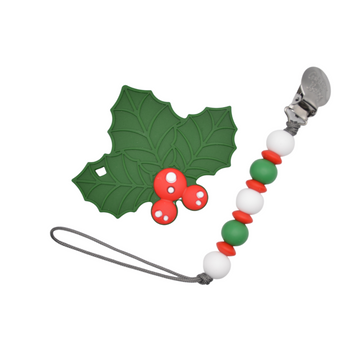
Golden Baby Holly Teether Set silicone pacifier clip...
$9.99
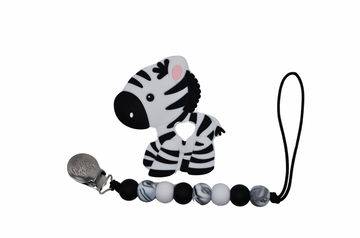
Golden Baby Zebra Teether Set Silicone Pacifier Clip...
$14.99
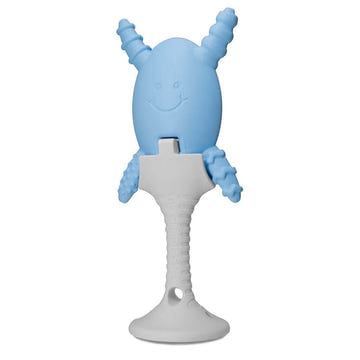
The Molar Grippie Stick
$4.99
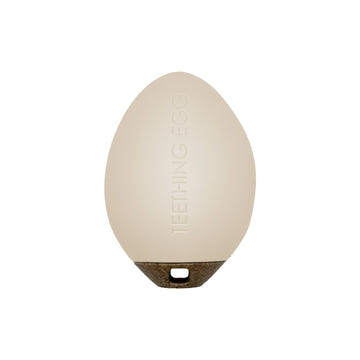
The Teething Egg Amber Core Teething Egg with Baltic...
$23.95
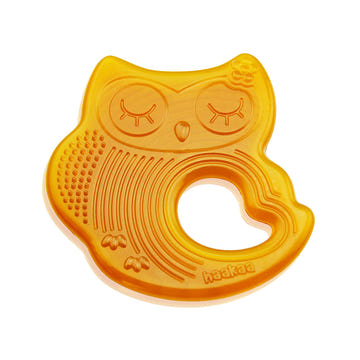
Haakaa Sleeping Owl Natural Rubber Teether 8cm 1 pk
$10.99
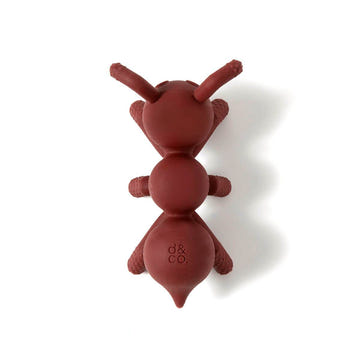
Doddle & Co Ant-icipation Chew 100% Silicone Teether...
$9.99
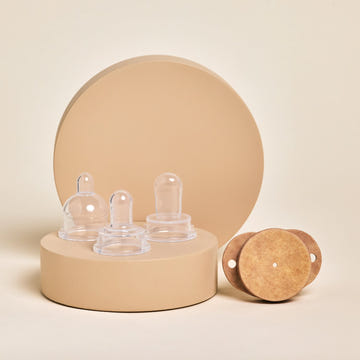
Pacifier Starter Kit
$50.00
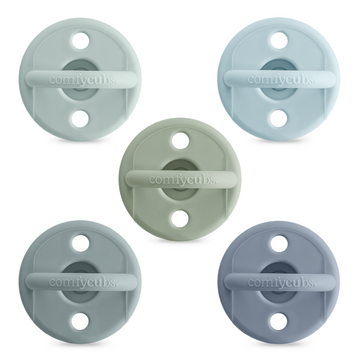
Comfy Cubs Pacifiers Multicolor Boy 5 Pack Silicone
$14.99
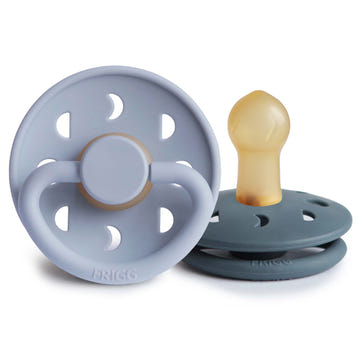
Mushie FRIGG Moon Natural Rubber Pacifier 2-Pack Sof...
$14.99
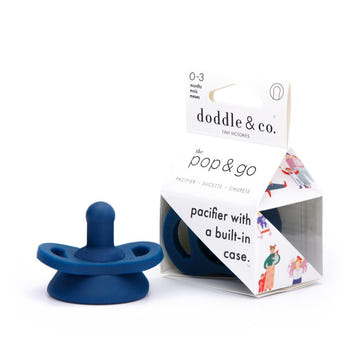
Doddle & Co Pop & Go Pacifiers Navy 100% Silicone
$9.99