


Perineal massage: how to do it, when to start, and what it actually does
Somewhere around 34 or 35 weeks, someone tells you that you should be massaging your perineum every day. Usually it happens at the end of an appointment, in about eleven seconds, with no instructions attached. Then you go home and google it and find twelve versions of the same vague paragraph.
We are moms too, and we both got that advice exactly that way. So this is the version we wish someone had handed us: what perineal massage is, when to start, how to actually do it, what the research honestly supports (and where it does not), and what to have waiting at home for the two weeks after birth. That last part matters more than anyone tells you.

What perineal massage actually is
Your perineum is the stretch of tissue between the vaginal opening and the anus. During a vaginal birth it has to stretch further than it ever has, and for a lot of women it tears or gets an episiotomy in the process. That is not a rare complication. It is the common path.
Perineal massage is the practice of gently stretching that tissue with a plain oil for a few minutes, a few times a week, starting in the last month of pregnancy. Two things are supposed to happen. The tissue gets a little more used to stretching, and you get familiar with the specific burning, stinging sensation that comes with it, so it is not brand new information on the day.
Two things it is not. It is not a guarantee that you will not tear. And it is not a test you can fail. Plenty of women who never touch an oil bottle have an easy recovery, and plenty who did it religiously still needed stitches. If you skip it, nothing bad happens to you because of that choice.
When to start, week by week
The short answer to when to start perineal massage is 34 to 35 weeks. Not earlier, because there is no benefit to starting sooner and stimulation of the area is generally something providers prefer to keep out of the preterm window. Not much later either, because the studies that showed any effect ran for roughly four to six weeks before birth.
| Week | What to do |
|---|---|
| 32 to 34 | Bring it up at your next appointment. Ask whether anything in your pregnancy is a reason to skip it. Order your oil so it is in the house. |
| 35 | Start. Two or three sessions a week, three to five minutes each. Expect the first two to feel awkward and slightly uncomfortable. |
| 36 to 38 | Keep the same rhythm, or move to daily if it is comfortable. This is also the window to set up your recovery basket, because after this point you are on baby's schedule. |
| 39 to 40 | Continue if you want to. Stop if it stops feeling good. Nothing is lost. |
| After birth | Different job entirely. See the recovery station section below. |
Three to five minutes is the whole commitment. If you are picturing a twenty minute ritual, put that down.
How to do perineal massage, step by step
Do it after a warm shower or bath if you can. Warm tissue stretches more easily and the whole thing is less uncomfortable.
- Wash your hands and trim your nails. Not a suggestion, a requirement.
- Get into a supported position. Propped up on pillows on the bed with knees bent and open, sitting on the edge of the tub, or one foot up on the toilet seat or a low stool. By 36 weeks, propped up beats sitting flat. A mirror helps the first time or two if you want to see what you are working with.
- Use plenty of oil. Coat your thumbs and the perineum itself. Dry friction is the reason most women quit after one attempt.
- Insert your thumbs about an inch to an inch and a half inside the vaginal opening. Point them downward, toward your back passage.
- Press down and outward until you feel a stretching, mildly burning sensation. Not sharp pain. That burn is the point of the exercise, it is the same sensation you will feel at crowning, and getting acquainted with it now is half the benefit.
- Hold the stretch for about a minute, then sweep slowly. Move your thumbs in a slow U shape from side to side across the lower half of the opening, keeping the downward pressure. Breathe out through the stretch instead of clenching against it.
- Three to five minutes total, then stop. More is not better, and sore, irritated tissue is a step backward.
If your bump makes the angle impossible, a partner can do it with their index fingers instead of your thumbs, using the same downward and outward pressure. Same rules on nails and washing. You direct, they follow, and you say stop whenever you want to.
On oils: plain and unscented wins. Sweet almond, olive, sunflower, or a dedicated perineal blend are all fine. Skip essential oil heavy mixes, warming or tingling formulas, and anything with fragrance. Petroleum jelly is not a good fit here, and if you are using condoms postpartum, oil and latex do not mix.
The one to buy at 34 weeks
Perineum Massage Oil, Birthing Prep
$14.99

A simple herbal oil blend made for this exact use, in a bottle small enough to live on your nightstand for the six weeks you actually need it. Unscented enough that it will not bother you at 35 weeks when every smell bothers you.
Keep in mind
One bottle covers the whole prep window with room to spare. There is no reason to buy two.
Shop the massage oil →Picks From This Story
Picks related to this guide, ready to ship from Moogco.
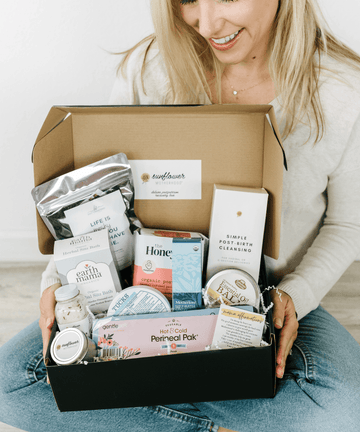
Sunflower Motherhood Deluxe Postpartum Recovery Box ...
$149.00

Lavender Meadows Co Postpartum Care Package Deluxe G...
$146.00
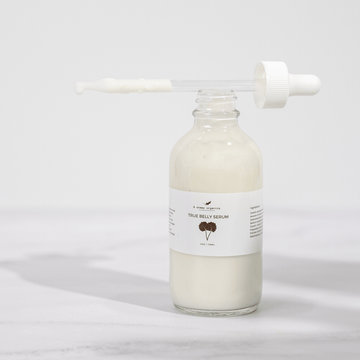
True Belly Serum
$47.00
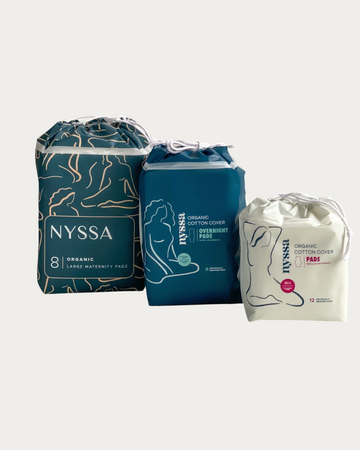
Nyssa Complete Organic Cotton Cover Pads Trio Postpa...
$25.00
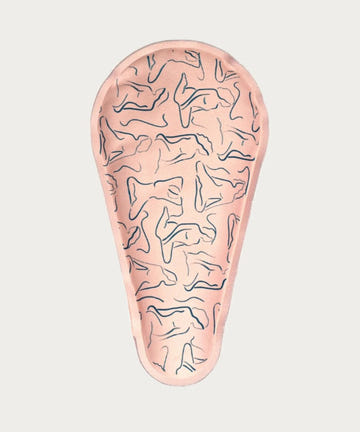
Nyssa Between Legs Perineal Ice Heat Pack for Postpa...
$15.00
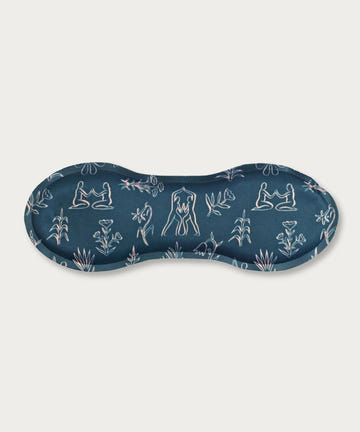
Nyssa Uterine Reusable Ice & Heat Pack contoured for...
$15.00
What the research actually says in 2026
Here is where most articles either promise you a tear free birth or quietly skip the evidence. We would rather just tell you what is in the literature, including the unsatisfying parts.
The long standing reference is a Cochrane review of randomized trials (Beckmann and Stock, 2013), which found that antenatal perineal massage was associated with a reduced likelihood of perineal trauma requiring stitches and of episiotomy, with the clearest signal in women who had not given birth vaginally before.
The most current synthesis is an umbrella review published in the International Urogynecology Journal in July 2026, which pooled eight systematic reviews. Three things stood out to us:
- Perineal trauma is the norm, not the exception. The authors open by noting it affects roughly 85% of women who deliver vaginally. If you have been treating this as a worst case scenario to prepare for, it is closer to the default.
- Massage during labor itself showed the strongest effect on episiotomy rates. That is your midwife or nurse's hands in the second stage, not something you do at home, but it is worth knowing it exists and asking about it in your birth preferences.
- Antenatal massage, the kind in this guide, showed a more modest reduction in episiotomy and inconsistent effects on the severe tears. The authors rated the certainty of most of that evidence as low or very low, and explicitly said the findings do not support a strong recommendation for routine use. Their words: it should stay optional and part of a shared decision with your provider.
So: real signal, modest size, honest uncertainty. Our read is that it is a five minute, low cost, low risk thing with a plausible upside and a real secondary benefit that never shows up in a trial, which is walking into the room already knowing what that stretch feels like. Do it if you want to. Skip it without guilt if you do not.
Who should ask their provider first
Bring it up at an appointment before you start, and definitely ask first if any of these apply to you:
- Placenta previa or any unexplained vaginal bleeding
- A history of preterm labor, or you are currently at risk of preterm birth
- A cervical cerclage
- Your waters have broken
- An active vaginal or urinary infection, or an active herpes outbreak
- A planned cesarean birth, where the prep part does not apply to you (though the recovery kit below still very much does)
This guide is general information from a team of moms who sell postpartum products, not medical advice. Your midwife, OB, or IBCLC knows your body and your pregnancy. They get the final word, always.
The part nobody preps for: the two weeks after
Ask any mom what surprised her most about the early postpartum days and you will hear some version of the same answer. She had a plan for labor. She had a bag packed. She had opinions about swaddles. And then she came home and could not sit down properly for a week and had no idea that was coming.
What our own order data shows
We looked at 12 months of our own orders in the US, roughly 40,000 of them, to see what moms buy in the same order as their nursing cups. Two categories showed up in every single month of the year.
Number one was nipple balm, added to about 7% of orders. Number two, every month without exception, was perineal care: cooling pads, peri bottles, sitz soaks, witch hazel.
Nipple pain gets talked about constantly. Perineal pain sits right behind it in what women actually spend money on, and almost nobody writes about it. That gap is the reason this section exists.
Here is the honest timeline for an unmedicated or assisted vaginal birth with stitches. Yours may be gentler.
- First 24 to 72 hours. Swelling peaks. Cold is your best friend and it is not a luxury item. Sitting hurts, standing up from sitting hurts more. Everything down there feels foreign.
- Peeing. Urine on broken skin stings. This is what the peri bottle solves, and it is the single highest impact $12 in the whole postpartum aisle. Warm water, squeeze while you go, pat dry front to back, never wipe.
- The first bowel movement. Nobody warns you and everybody dreads it. Water, fiber, and a stool softener if your provider approves one. It is genuinely fine. It just does not feel fine in advance.
- Days 3 to 10. Swelling comes down and itching takes over as the tissue knits. Warmth starts to feel better than cold around this point. This is where a sitz soak earns its place.
- Weeks 2 to 6. Most of the sharp discomfort fades. Bleeding tapers. If pain is getting worse instead of better at any point, that is not something to wait out. See the signs to call about.
If you are having a cesarean birth, most of this still applies. You will still bleed, you will still want the peri bottle and the high waisted underwear, and the incision has its own care routine covered in our C-section recovery guide.

The recovery station to set up before week 40
Do this at 36 or 37 weeks, in one afternoon, and then forget about it. A basket on the back of the toilet and a second small one by your bed. That is the whole project. The reason to do it now and not later is simple: at 3am on day two, whatever is not already in that bathroom does not exist.
Buy first
Peri bottle
$11.99

An angled bottle you fill with warm water and squeeze while you pee, so urine never sits on healing tissue. The hospital may send you home with a basic upright one. An angled neck means you are not contorting to aim it, which matters more than it sounds like it should.
Keep in mind
Buy two if your house has two bathrooms. You will not want to carry it around.
Shop the peri bottle →
For the first 72 hours
Between Legs Perineal Ice and Heat Pack
$15.00

Shaped to sit where you need it, reusable, and it goes both ways: cold for the swollen first days, warm once the itching and knitting phase starts around day three. Cheaper over two weeks than a freezer full of homemade padsicles, and considerably less messy.
Keep in mind
Put it in the freezer at 38 weeks so it is cold when you walk in the door. Never place it directly against skin, always over a pad or a thin cloth.
Shop the ice and heat pack →
Day 3 onward
Postpartum Herbal Sitz Bath
$25.00

A shallow, warm soak of a few inches of water for ten to fifteen minutes. Somewhere around day three, cold stops being the thing you want and warmth takes over. A sitz soak is also, practically speaking, fifteen minutes alone in a quiet room, which in week one is its own kind of medicine.
Keep in mind
Warm, never hot. If you have stitches, check with your provider on when to start soaking.
Shop the sitz soak →The rest of the basket
| Item | Why it earns the space | From |
|---|---|---|
| Perineum healing spray | No wiping, no pressure, no contact. Spray and pat. Keep it in the fridge for the first week. | $17.00 |
| Witch hazel foam with aloe | Goes straight onto the pad. The classic cooling layer, without the DIY freezer project. | $11.99 |
| Organic cotton postpartum pads | Longer and softer than a regular pad. Plastic topsheets and stitches are a bad combination. | $9.00 |
| High waisted postpartum underwear | Holds a full size pad in place, sits above a cesarean incision, and does not dig anywhere. Buy five. | $36.90 |
| Silver nursing cups | Different body part, same principle: the thing you want already in the house before day two, not ordered on day four in tears. | See collection |
If you would rather not assemble it piece by piece, the Postpartum Recovery Box at $79 gathers most of the above into one thing to buy at 36 weeks and forget about. It is also the single easiest baby shower gift to ask for, and the one your friends will not think of.
Take 15% off your recovery kit
Use code RECOVER15 at checkout for 15% off anything in our postpartum recovery collection. Orders over $100 ship free in the US.
Shop postpartum recovery →More Related Picks
A few more favorites from the same collection.
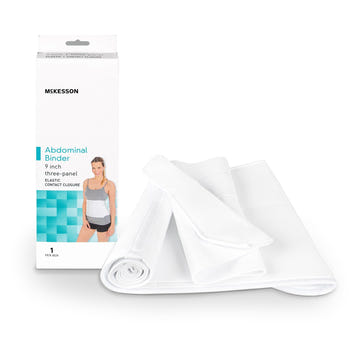
LL Medico McKesson Abdominal Binder Small Medium Whi...
$14.99

WishGarden Herbs Milk Rich Supply Booster pump top b...
$26.99
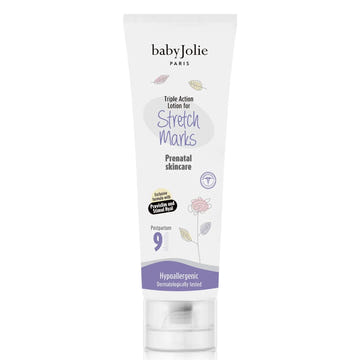
Baby Jolie Paris Triple Action Stretch Marks Cream 7...
$29.99
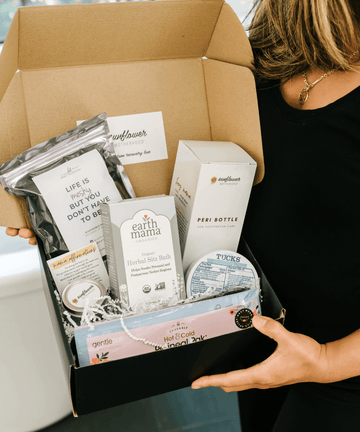
Sunflower Motherhood Postpartum Recovery Box full-si...
$79.00
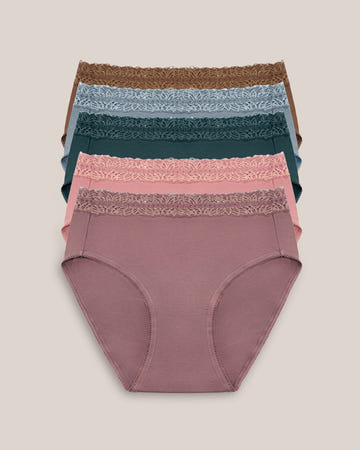
Kindred Bravely High-Waisted Postpartum Underwear Pa...
$36.90
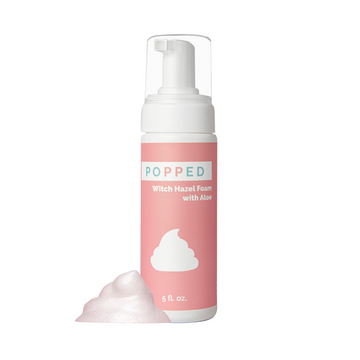
Popped Witch Hazel Foam with Aloe 5 fl oz Postpartum...
$12.99
When to call your provider
Recovery should trend better week over week. Call your provider, or go in, if you get any of these:
- A fever of 100.4°F (38°C) or higher
- Perineal pain that is getting worse instead of better, or sudden severe pain
- Foul smelling discharge, or a wound that looks like it is opening or oozing
- Soaking through a full size pad in an hour or less, or passing clots larger than a golf ball
- Trouble emptying your bladder, or no bowel movement at all after several days
- New leaking of stool or gas that you cannot control
- Feeling hopeless, panicked, detached, or having thoughts of harming yourself or your baby. This is a medical symptom, it is common, and it is treatable. Say it out loud to someone today.
A simple week 35 to 40 plan
- Week 34: ask your provider about perineal massage. Order the oil.
- Week 35: start massage, two or three times a week, five minutes.
- Week 36: build the recovery basket. Peri bottle, cold pack, spray, pads, underwear, soak.
- Week 37: pack the hospital bag using our hospital bag checklist. Put a peri bottle and a pack of pads in it.
- Week 38: cold pack into the freezer. Write your postpartum support list: who brings food, who holds the baby while you shower.
- Week 39 to 40: read the first 6 weeks guide once so nothing in week one is a surprise. Then rest.
Frequently asked questions
When should I start perineal massage?
Most guidance points to 34 to 35 weeks of pregnancy. The trials that showed a benefit ran the practice for roughly the last four to six weeks before birth, a few times a week. Starting earlier has no added benefit, and stimulation of the area is generally something providers prefer to avoid in the preterm window, so bring it up at an appointment before you begin.
Does perineal massage hurt?
It should feel like stretching with a mild burning or stinging sensation, not sharp pain. That burn is actually the target, because it is the same sensation you feel at crowning and familiarity with it is part of the point. The first one or two sessions usually feel the most uncomfortable, and it eases from there. Sharp pain, bleeding, or contractions mean stop and call your provider.
How long should each session take?
Three to five minutes, two to four times a week. Longer sessions do not improve the outcome and can leave the tissue sore and irritated, which is a step backward. Doing it after a warm shower makes the stretch considerably more comfortable.
What oil should I use for perineal massage?
A plain, unscented vegetable oil such as sweet almond, olive, or sunflower, or a purpose made perineal massage oil. Avoid fragranced products, warming or tingling formulas, and heavy essential oil blends, since the tissue is sensitive and about to be broken skin. Petroleum jelly is not suited to this use, and oil based products break down latex, which matters for condoms postpartum.
Does perineal massage work if this is not my first baby?
The measurable benefit in the research shows up most clearly for women who have not had a vaginal birth before. Women with a previous vaginal birth reported less perineal pain afterward in some trials, but the effect on tearing itself was smaller. If you tore significantly the first time, it is worth a conversation with your provider about scar tissue specifically, since that changes the picture.
Can my partner do the massage?
Yes, and by 36 weeks a lot of women find the angle easier that way. Your partner uses their index fingers rather than thumbs, with the same downward and outward pressure, and the same rules on washed hands and short nails. You direct the pressure and you say stop whenever you want to stop.
Do I need a peri bottle if I am having a cesarean birth?
Yes. Postpartum bleeding happens regardless of how your baby is born, and rinsing rather than wiping is gentler for weeks either way. High waisted underwear matters even more after a cesarean, because a regular waistband sits directly on the incision.
You have got this
Perineal massage is five minutes, a few times a week, with a modest and honestly reported upside. Setting up a recovery basket at 36 weeks is one afternoon that changes the shape of your first two weeks at home. Neither one is a moral test, and neither one determines what kind of mother you are.
What we would say if we were sitting across from you: the weeks before birth are the only calm ones you are going to get for a while, and future you cannot go to the store. Spend one of them getting the boring things in the house.
More from us for this stretch of the journey: the hospital bag checklist, the first 6 weeks recovery guide, and if breastfeeding is on the horizon, how silver nursing cups work in the early weeks.
Set up your recovery basket before week 40
Shop postpartum recoveryAbout the Editor
Eda Ulger is the editor at Moogco Baby and a mom of two. She curates and edits our guides so every piece is honest, practical, and genuinely helpful for the early days of motherhood.
Shop This Story
Picks related to this guide, ready to ship from Moogco.
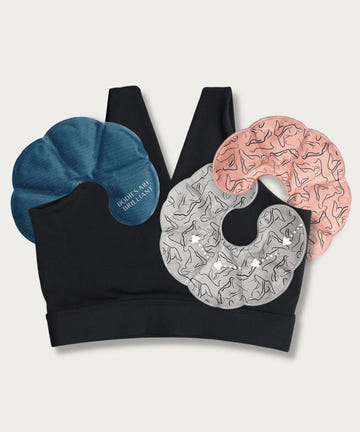
Nyssa FourthWear Postpartum Bralette and Breast Ice ...
$56.00
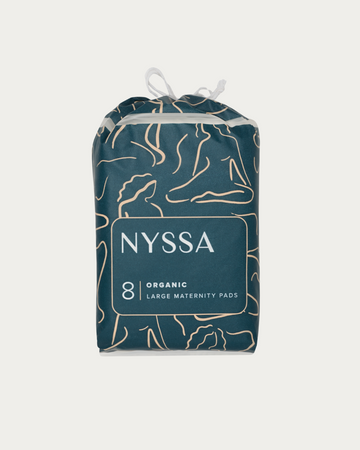
Nyssa Complete Coverage Organic Cotton Postpartum Pa...
$9.00
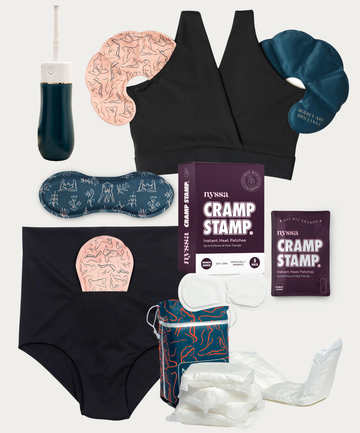
Nyssa Classic Black Essential Postpartum Kit 8-piece
$150.00
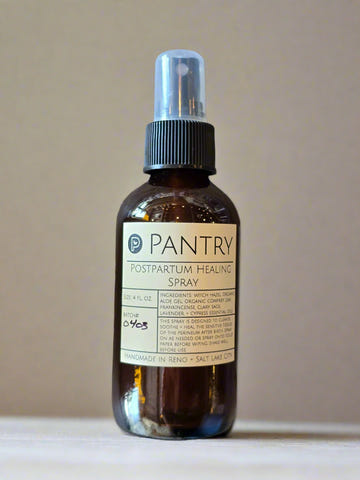
Postpartum Healing Spray - Perineum Recovery
$17.00
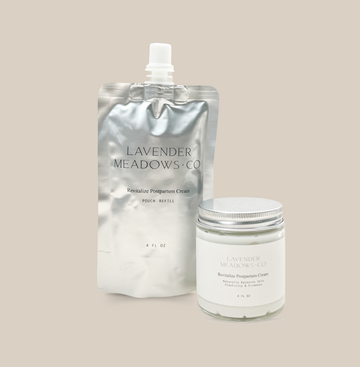
Lavender Meadows Co Revitalize Postpartum Cream Refi...
$30.00
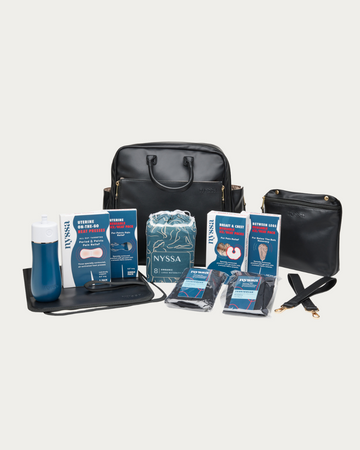
Nyssa Mother Bag + Essential Postpartum Kit Vegan Le...
$210.00
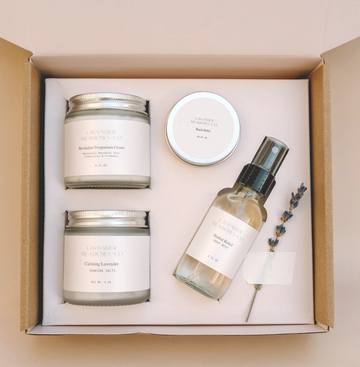
Lavender Meadows Co Postpartum Care Package organic ...
$70.00
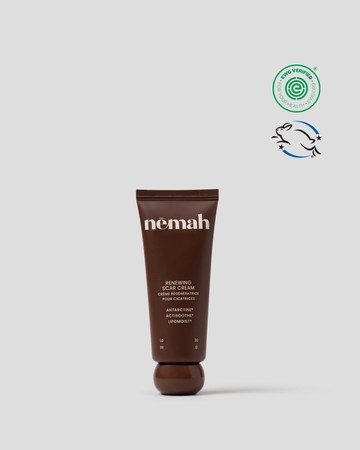
Nēmah Renewing Scar Cream for Pregnancy Breastfeedin...
$34.00
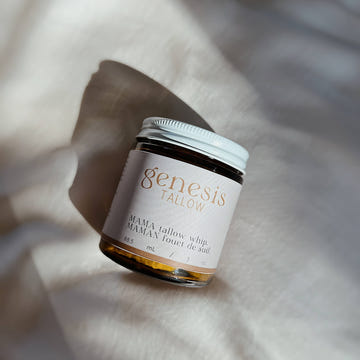
Hello Postpartum All-Natural Whipped Tallow Belly Bu...
$40.00
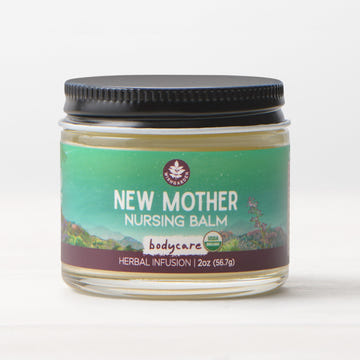
WishGarden Herbs New Mother Nursing Balm USDA Organic
$14.99